BMW F 900 GS vs Cagiva E 900 Elefant (2026)
Side-by-side spec comparison, pricing, and a plain-English breakdown of how the BMW F 900 GSstacks up against the Cagiva E 900 Elefant. Numbers pulled from manufacturer spec sheets — click either bike for the full review.
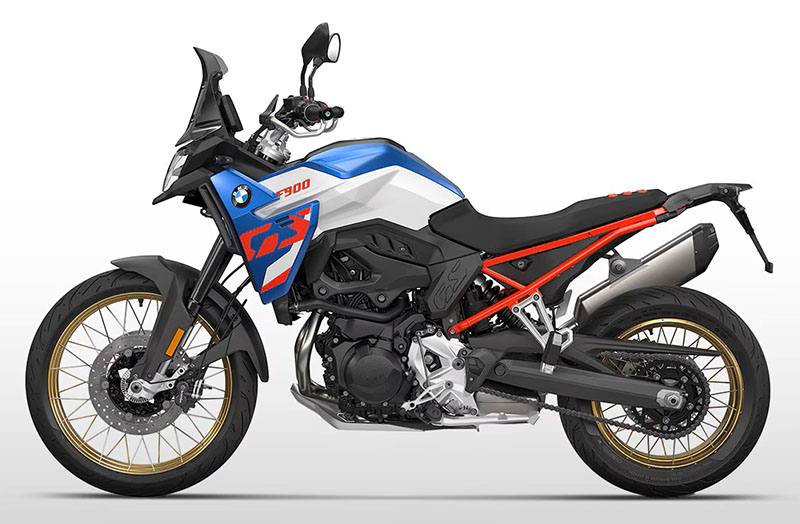
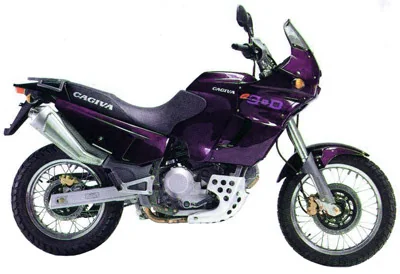
Spec comparison
| Spec | BMW F 900 GS | Cagiva E 900 Elefant |
|---|---|---|
| Model year | 2026 | 1997 |
| Price | $14,275 | — |
| Engine | 895 cc | 904 cc |
| Horsepower | — | 68 hp |
| Torque | — | 78 Nm |
| Weight | 218 kg | 185 kg |
| Seat height | 868 mm | 33 mm |
| Fuel capacity | 14.0 L | — |
| Fuel type | petrol | petrol |
| Transmission | Manual, 6 speed, Chain | 6-speed |
| Front brakes | Dual Hydraulic Disc | Single disc |
| Rear brakes | Hydraulic Disc | Single disc |
| Tires | 90/90 R21 / 150/70 R17 | — |
BMW F 900 GS vs Cagiva E 900 Elefant — which should you buy?
Picking between the BMW F 900 GS and the Cagiva E 900 Elefant usually comes down to the numbers you care about most. On paper, the BMW F 900 GS brings its published horsepower in a 218 kg package, while the Cagiva E 900 Elefant counters with 68 hp at 185 kg.
Our spec tables above highlight the winning number on each line. For the full rider-focused reviews including real-world fuel economy, service costs and available colors, click into either bike: