Lexmoto RSS 125 EFI vs Bajaj Pulsar NS125 (2023)
Side-by-side spec comparison, pricing, and a plain-English breakdown of how the Lexmoto RSS 125 EFIstacks up against the Bajaj Pulsar NS125. Numbers pulled from manufacturer spec sheets — click either bike for the full review.
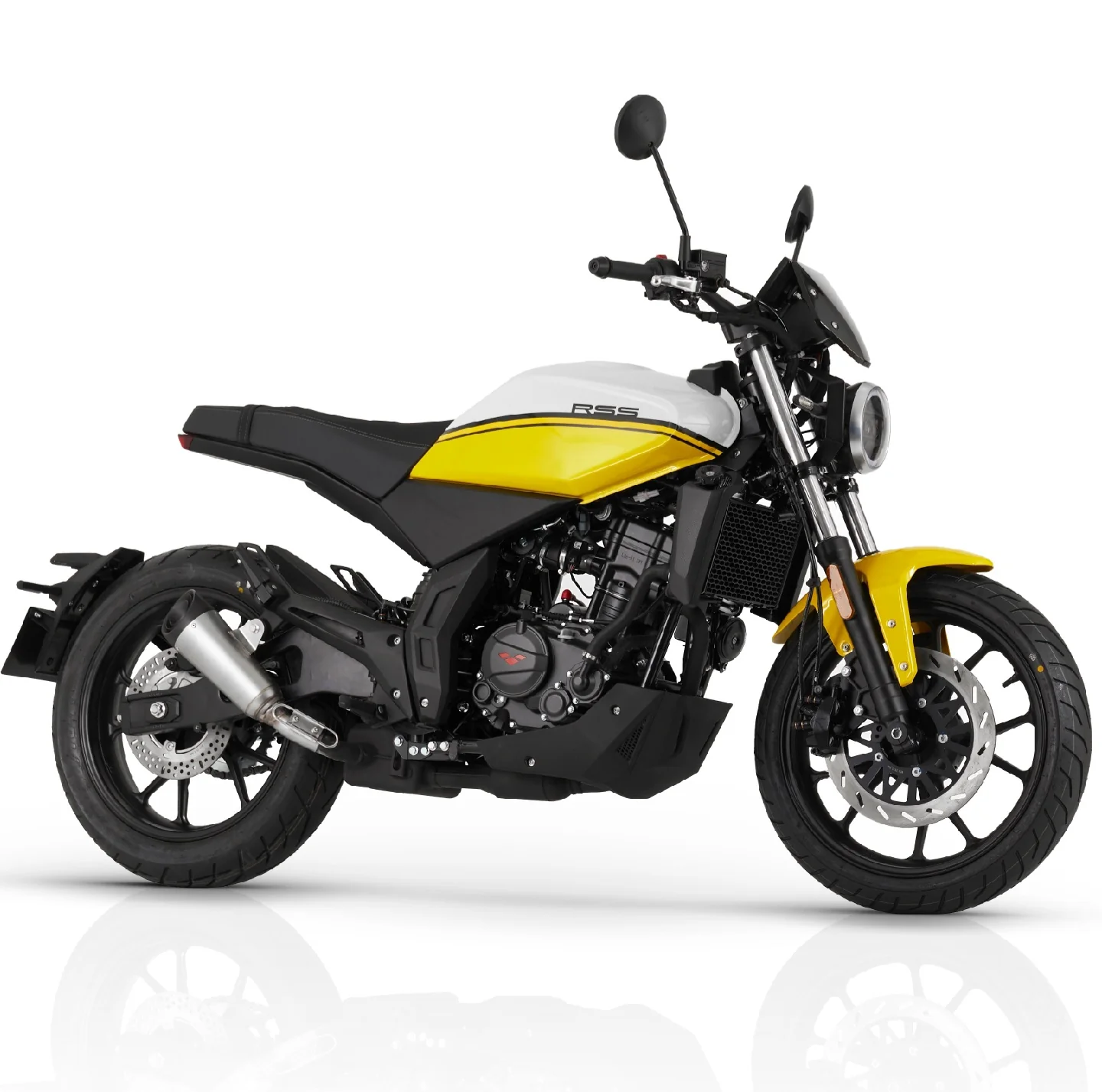
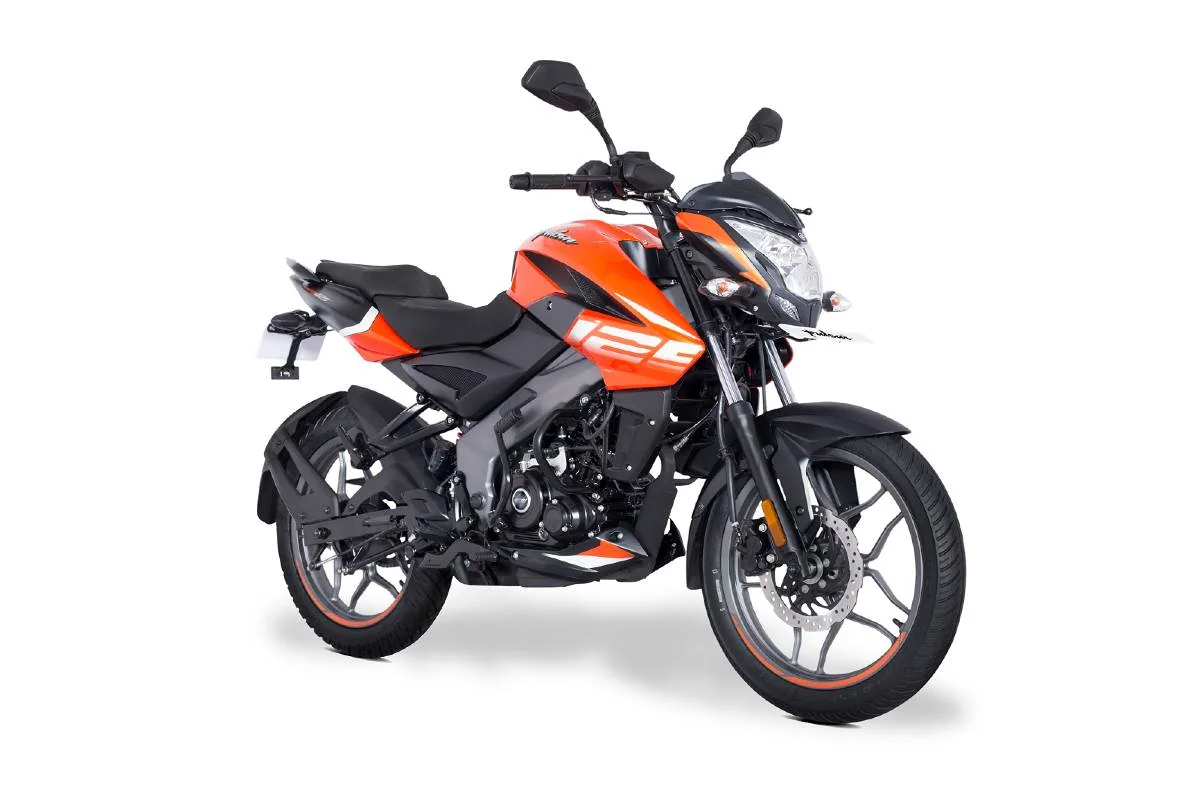
Spec comparison
| Spec | Lexmoto RSS 125 EFI | Bajaj Pulsar NS125 |
|---|---|---|
| Model year | 2023 | 2022 |
| Price | — | — |
| Engine | 125 cc | 125 cc |
| Horsepower | 14 hp | 12 hp |
| Torque | 10 Nm | 11 Nm |
| Seat height | 29 mm | 32 mm |
| Fuel capacity | 3.8 L | 4.0 L |
| Fuel type | petrol | petrol |
| Transmission | 6-speed | — |
| Front brakes | Single disc. Hydraulic | Single disc. Combined braking system |
| Rear brakes | Single disc. Hydraulic | Expanding brake (drum brake) |
| Tires | 110/70-17 / 140/70-17 | 80/100-17 / 100/90-17 |
Lexmoto RSS 125 EFI vs Bajaj Pulsar NS125 — which should you buy?
Picking between the Lexmoto RSS 125 EFI and the Bajaj Pulsar NS125 usually comes down to the numbers you care about most. On paper, the Lexmoto RSS 125 EFI brings 14 hp, while the Bajaj Pulsar NS125 counters with 12 hp.
Our spec tables above highlight the winning number on each line. For the full rider-focused reviews including real-world fuel economy, service costs and available colors, click into either bike: