Ace Your DMV Motorcycle Written Test: 50 Practice Questions with Answers
Whether you're a first-time rider eager to earn your motorcycle endorsement or someone renewing a lapsed license, the DMV motorcycle written test is a critical hurdle on your journey to the open road. The exam typically covers traffic laws, safe riding practices, road signs, and emergency procedures — all pulled from your state's Motorcycle Operator Manual. To help you prepare, we've compiled 50 practice questions with thorough answers so you can study smarter, not harder.
Why Practice Questions Matter
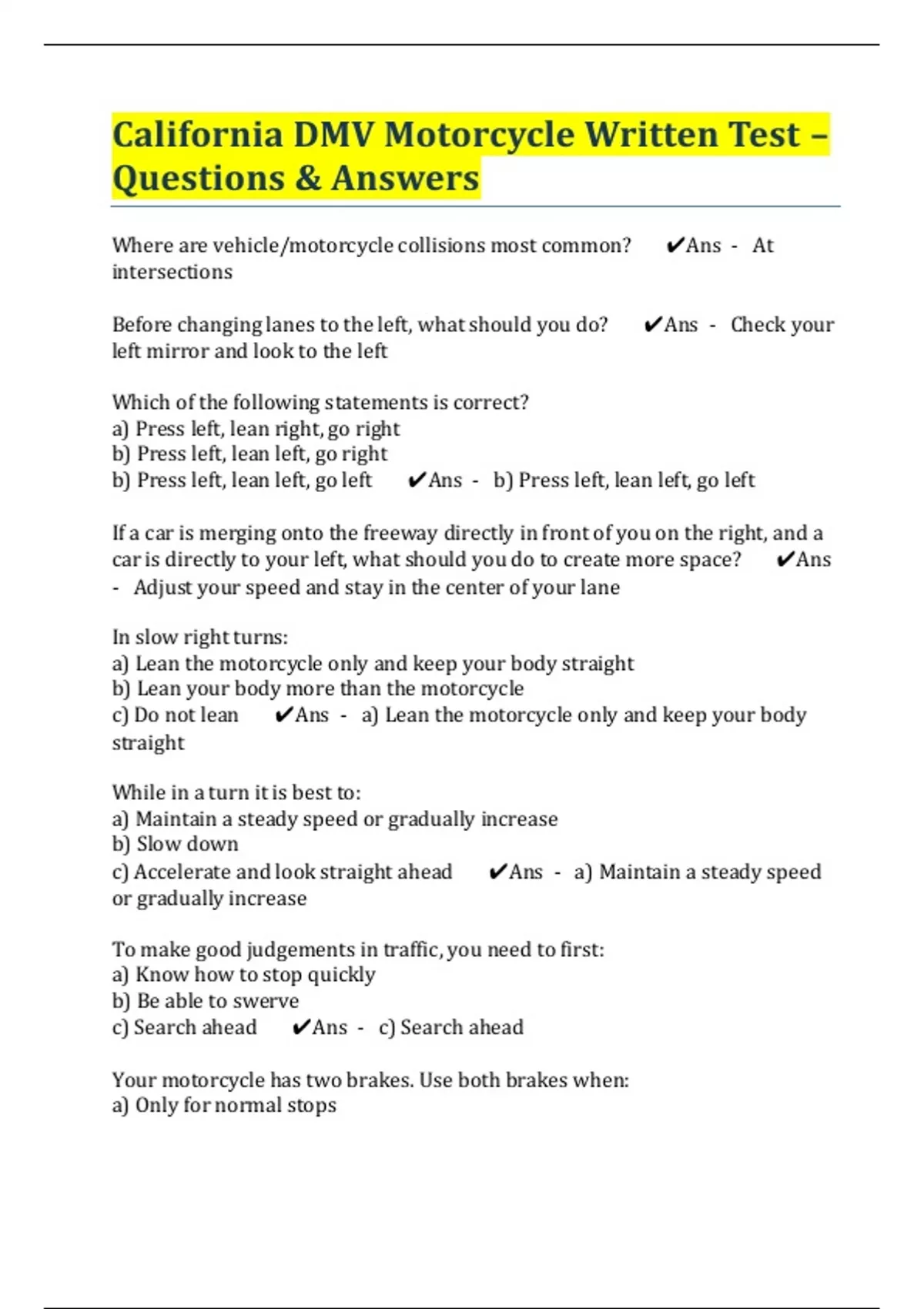
Simply reading the manual once is rarely enough. Research consistently shows that active recall — testing yourself on material — dramatically improves retention compared to passive reading. Working through practice questions also helps you identify your weak spots, whether that's understanding blood alcohol limits, knowing when to use your front versus rear brake, or recognizing the proper lane position for different situations.
Most state DMV motorcycle written tests consist of 25 to 50 questions, and you'll typically need to score at least 80% to pass. The questions below mirror the style and difficulty of real DMV exams, organized by topic to make your study sessions more efficient.
Section 1: Basic Controls and Pre-Ride Inspection (Questions 1–10)
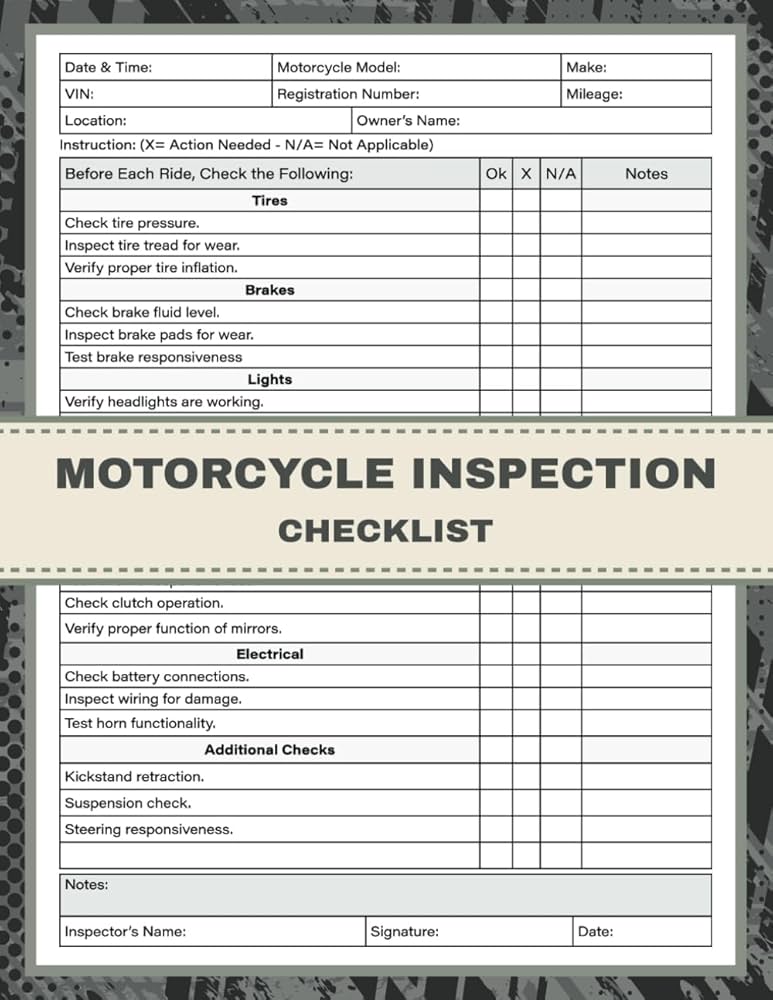
- Q1: What does a pre-ride inspection (T-CLOCS) stand for?
A: Tires & wheels, Controls, Lights & electrics, Oil & fluids, Chassis & chain, Stands. This checklist ensures your motorcycle is mechanically sound before every ride. - Q2: What is the correct tire pressure if the manufacturer specifies 36 PSI?
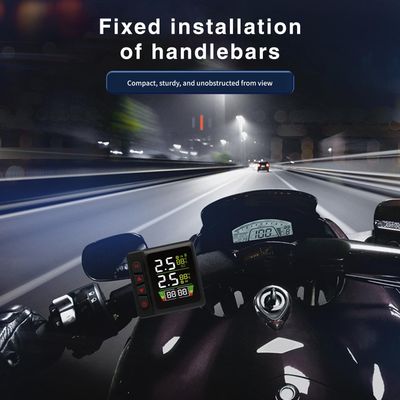
A: 36 PSI cold. Always check tire pressure when tires are cold for an accurate reading. - Q3: Where should you place your feet while riding?
A: On the footrests, with the balls of your feet, keeping heels close to the machine to avoid catching on road debris. - Q4: What should you check when inspecting your brakes before a ride?
A: Check for proper firmness and travel on the front brake lever, rear brake pedal, and ensure neither brake feels spongy or goes to the stop. - Q5: How should mirrors be adjusted?
A: Adjust mirrors so you can see at least 200 feet behind you with minimal overlap of your own arms or body in the reflection. - Q6: When is it acceptable to ride with worn or bald tires?
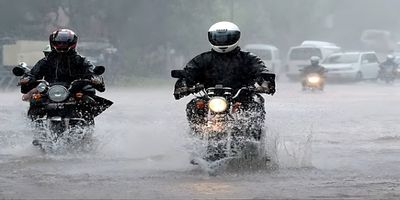
A: Never. Worn tires dramatically reduce traction, especially in wet conditions, and are illegal in most states. - Q7: What does it mean if your throttle sticks open?
A: It is a mechanical failure requiring immediate action — apply the kill switch and both brakes simultaneously, then pull in the clutch. - Q8: True or False — You should check your fuel level before every ride.
A: True. Running out of fuel on a highway can be extremely dangerous. - Q9: What fluid level should you check in a hydraulic brake system?
A: Brake fluid reservoir level. Low fluid may indicate a leak or worn brake pads. - Q10: When should the choke be used?
A: On carbureted motorcycles, the choke is used when starting a cold engine to richen the air-fuel mixture. Fuel-injected bikes handle this automatically.
Section 2: Traffic Laws and Road Signs (Questions 11–20)
- Q11: What does a flashing yellow traffic light mean?
A: Slow down and proceed with caution. - Q12: What is the legal BAC (Blood Alcohol Concentration) limit for riders over 21 in most states?
A: 0.08%. However, even lower BAC levels impair riding skills — zero alcohol is the safest choice. - Q13: You approach a solid white line at an intersection. What does it mean?
A: Stop behind the line. You must not cross it until it is safe and legal to proceed. - Q14: A diamond-shaped sign indicates what?
A: A warning sign alerting you to road conditions or hazards ahead. - Q15: What does a pennant-shaped sign mean?
A: No passing zone ahead. - Q16: When are you allowed to pass on the right?
A: Only when the vehicle ahead is making a left turn and there is a clear lane to the right — never on the shoulder. - Q17: What does a yellow X signal on a lane control signal mean?
A: Move out of this lane immediately — it is about to be or is now closed to traffic. - Q18: How much following distance should you maintain behind a vehicle in ideal conditions?
A: At least 2 seconds, though 3–4 seconds is recommended for motorcycles due to stopping distance differences. - Q19: What does a solid yellow centerline mean?
A: No passing is permitted in that direction. - Q20: At what speed do most fatal motorcycle accidents occur?
A: Most fatalities occur at speeds under 40 mph and within 30 miles of the rider's home, highlighting the danger of complacency on familiar roads.
Section 3: Safe Riding Practices (Questions 21–35)
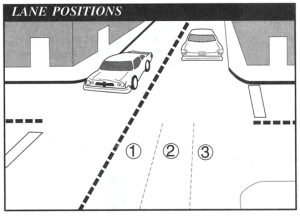
- Q21: What are the three lane positions within a lane?
A: Left (position 1), center (position 2), and right (position 3). No position is inherently best — choose based on visibility, hazards, and traffic. - Q22: When entering a curve, when should you brake?
A: Before the curve, not during. Braking while leaned over can cause a loss of traction. - Q23: How should you handle a group ride?
A: Ride in a staggered formation, maintaining at least a 2-second following distance from the rider directly ahead. - Q24: What gear should you be in when stopping?
A: First gear, so you're ready to accelerate quickly if needed. - Q25: What is the most effective way to be seen by other drivers?
A: Wear bright, reflective gear, use your headlight at all times, and position yourself where you are most visible in the lane. - Q26: When should you use your horn?
A: When you need to alert another driver of your presence or a potential collision — not as a reaction after the fact. - Q27: What should you do if a car begins to merge into your lane?
A: Speed up, slow down, or change lane position to avoid the conflict. Sound your horn to alert the driver. - Q28: What is the primary cause of single-vehicle motorcycle accidents?
A: Running wide in a curve due to entering too fast or target fixation. - Q29: What does target fixation mean?
A: The tendency for a rider to steer toward whatever they are looking at. Always look where you want to go, not at the hazard. - Q30: How should you ride over railroad tracks?
A: Cross at a 90-degree angle when possible, after slowing and checking for trains in both directions. - Q31: How do you maintain stability on a slippery surface?
A: Reduce speed, avoid sudden movements, and apply brakes gently and progressively. - Q32: What is engine braking?
A: The natural slowing effect that occurs when you close the throttle without applying the brakes, as the engine compression resists forward motion. - Q33: When is it safest to change lanes?
A: After checking mirrors and blind spots, signaling, and confirming the lane is clear — only then move smoothly into the new lane. - Q34: What hazard is most common at intersections?
A: Left-turning vehicles. They are the leading cause of motorcycle fatalities involving other vehicles. - Q35: How does alcohol affect riding?
A: It impairs balance, coordination, reaction time, and judgment — all critical skills for safe motorcycling.
Section 4: Emergency Situations and Braking (Questions 36–45)
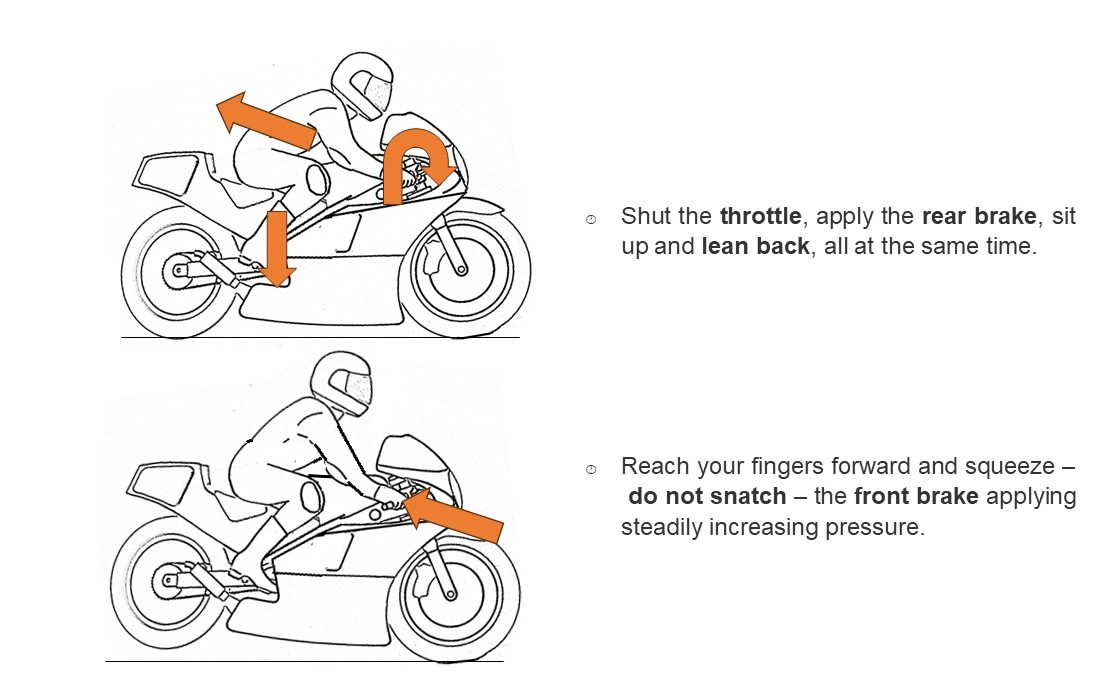
- Q36: What is the correct way to perform maximum braking on a motorcycle without ABS?
A: Apply both front and rear brakes simultaneously and progressively, squeezing the front lever firmly while pressing the rear pedal — avoid locking either wheel. - Q37: If your rear wheel skids, what should you do?
A: Keep the rear brake applied, avoid releasing it suddenly, and steer to maintain control. Releasing a locked rear brake abruptly can cause a high-side crash. - Q38: What should you do if your front wheel locks?
A: Release the front brake immediately and reapply it with less pressure. A locked front wheel causes loss of steering. - Q39: How should you handle a tire blowout?
A: Hold the handlebars firmly, gradually close the throttle, and steer to the side of the road. Do not brake hard immediately. - Q40: What is a swerve maneuver?
A: A technique to avoid an obstacle by pressing on the handlebars (countersteering) to initiate a quick lean, then pressing the opposite bar to straighten. Do not brake while swerving. - Q41: When should you use countersteering?
A: At speeds above 12–15 mph, push on the handlebar in the direction you want to turn to initiate lean and cornering. - Q42: What is the best escape route when a car cuts you off?
A: Look for the least-hazardous option — often braking firmly while steering to available space, rather than swerving into oncoming traffic. - Q43: What should you do if your throttle sticks while riding?
A: Apply the kill switch, pull in the clutch, and apply the brakes to bring the motorcycle to a controlled stop. - Q44: How do you react to a wobble or weave at highway speed?
A: Grip the tank with your knees, gradually close the throttle, and avoid braking suddenly. Do not try to over-correct with the handlebars. - Q45: What protective gear is considered minimum for riding?
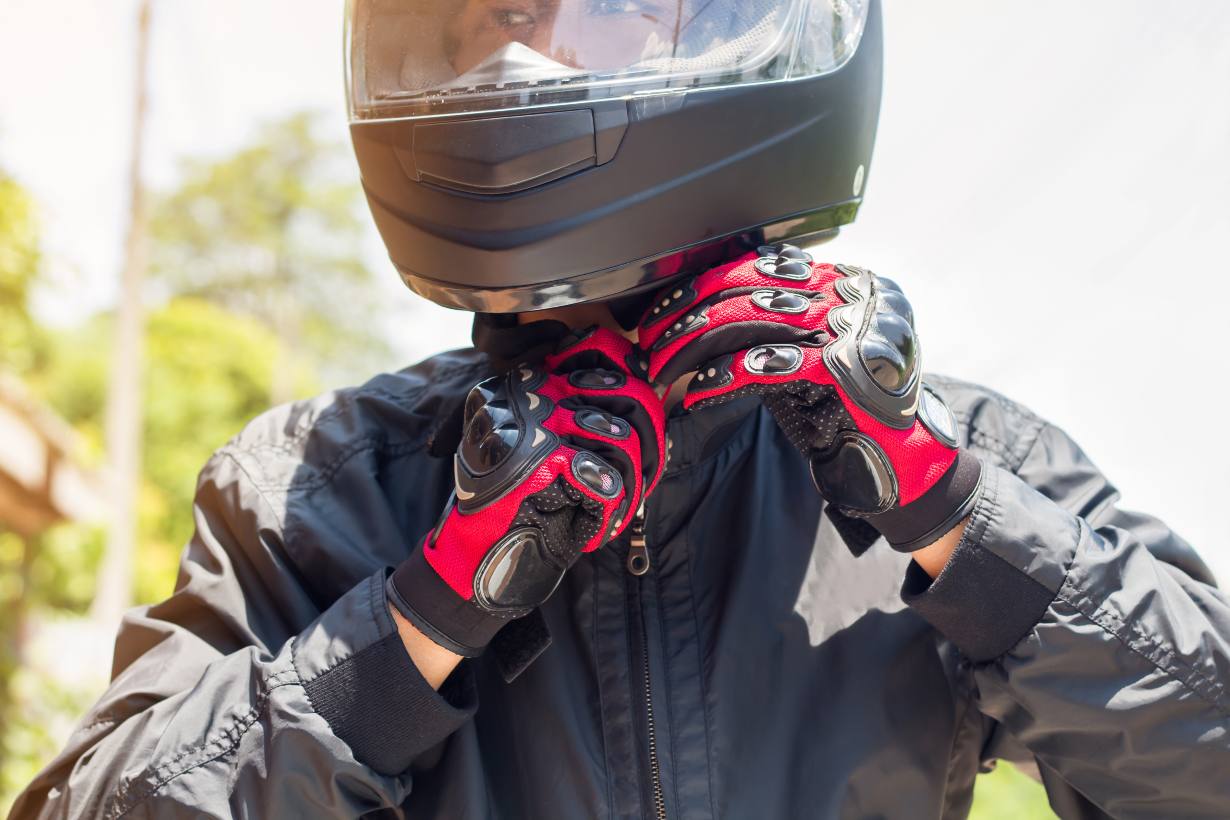
A: Helmet, eye protection, jacket with abrasion resistance, gloves, long pants, and over-the-ankle footwear.
Section 5: Passenger and Cargo Safety (Questions 46–50)
- Q46: How does carrying a passenger affect braking distance?
A: It increases stopping distance due to added weight. You must allow more following distance and brake earlier. - Q47: Where should a passenger place their feet?
A: On the passenger footrests at all times, even when stopped. - Q48: How should cargo be loaded on a motorcycle?
A: Keep the load low and centered, distribute weight evenly on both sides, and secure it firmly so it cannot shift during riding. - Q49: How does a heavy load affect handling?
A: It raises the center of gravity, making the motorcycle feel less stable and requiring longer braking distances and more conservative cornering. - Q50: What should you tell a new passenger before they ride with you?
A: Instruct them to hold on firmly, keep their feet on the pegs, lean with you in turns, avoid sudden movements, and not to dismount until told it is safe.
Final Tips Before Test Day
Reviewing these 50 practice questions is an excellent start, but make sure you also read your state's official Motorcycle Operator Manual cover to cover — some states have specific rules that differ slightly from federal guidelines. On test day, read each question carefully, eliminate obviously wrong answers, and trust your preparation. Many testing centers also offer the exam on a computer, so you'll receive your results immediately.
Most importantly, remember that passing the written test is just the beginning. The knowledge you gain studying for this exam could genuinely save your life on the road. Stay sharp, keep learning, and ride safe.