Why 2026 Is a Turning Point for Electric Motorcycles
For years, electric motorcycles occupied an awkward middle ground — interesting in theory but frustrating in practice. Range anxiety was real, charging infrastructure was sparse, and the price premium over comparable gas-powered bikes was hard to justify. That story is changing fast. In 2026, the electric motorcycle market has matured to a point where serious riders — not just early adopters — are making the switch with confidence and satisfaction.
This guide is designed to help you cut through the marketing noise and understand what to actually expect when you buy an electric motorcycle in 2026: what kind of range you'll realistically see, how charging works day to day, which bikes are leading the pack, and what questions you should be asking before you sign anything.
Understanding Real-World Range
Range is the first thing most riders ask about, and it's also the most misunderstood spec on any electric motorcycle's window sticker. Manufacturers advertise figures under ideal conditions — steady speeds, mild temperatures, flat terrain — and real-world results almost always fall short of those numbers.
What the Numbers Mean
In 2026, the top electric motorcycles offer EPA-estimated ranges between 100 and 200 miles depending on the category. Sport bikes and performance-oriented models tend to sit at the lower end due to their energy-hungry motors and aerodynamic demands. Commuter and cruiser-style platforms, with their relaxed ergonomics and efficiency-tuned powertrains, tend to stretch further on a charge.
A practical rule of thumb: plan your rides around 70 to 80 percent of the advertised range figure. That buffer accounts for real-world variables like headwinds, cold weather battery performance, aggressive throttle use, and highway speeds above 70 mph. At 80 mph on a freeway, energy consumption climbs steeply — a bike rated for 150 miles in the city might deliver just 90 miles on the interstate.
Battery Capacity vs. Efficiency
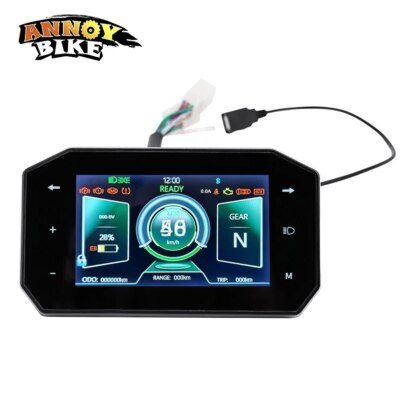
Not all kilowatt-hours are created equal. A 17 kWh battery in a lightweight, aerodynamically efficient platform will routinely outperform a 20 kWh battery buried inside a heavier, less slippery chassis. When comparing models, look at both battery capacity and the bike's efficiency rating (miles per kWh) — together they paint a more honest picture than range figures alone.
Charging: How It Actually Works
Charging an electric motorcycle is fundamentally different from fueling a gas bike, and adjusting your mindset around this reality is key to a satisfying ownership experience. The good news: for most riders, most of the time, charging is actually more convenient than stopping at a gas station.
Home Charging
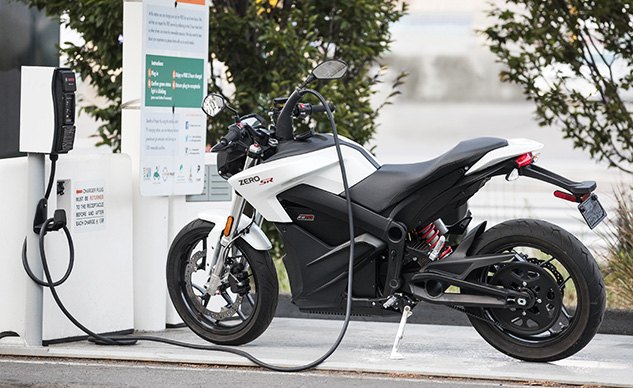
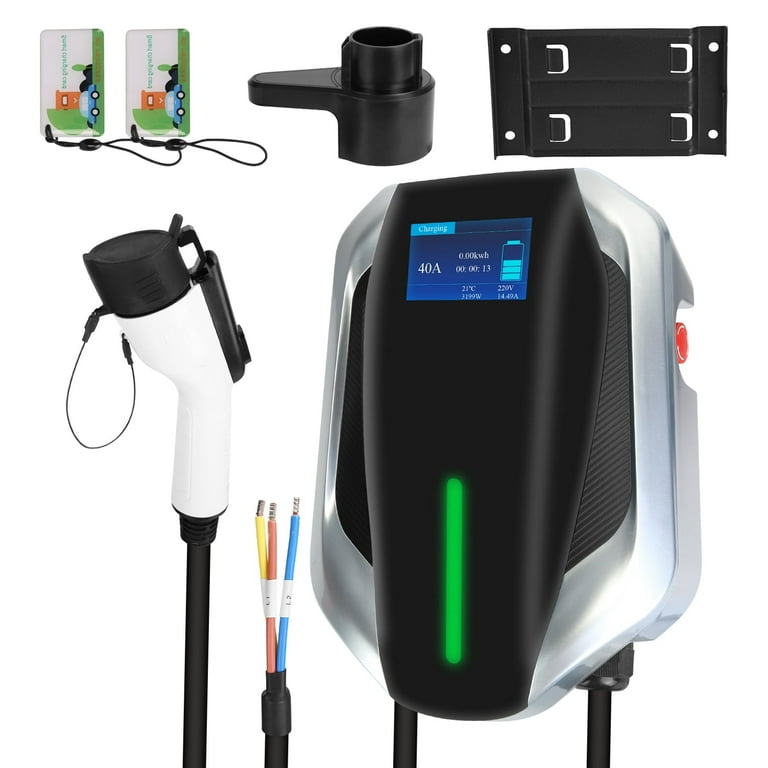
The vast majority of electric motorcycle owners do most of their charging at home, overnight. A standard Level 1 connection (a regular 120V household outlet) will add roughly 3 to 5 miles of range per hour — fine for light daily commuters but painfully slow for larger battery packs. Installing a Level 2 charger (240V, similar to a dryer outlet) at home is the single biggest quality-of-life upgrade you can make. Level 2 charging typically delivers 15 to 30 miles of range per hour, meaning most bikes can be fully charged overnight from nearly empty.
Public and DC Fast Charging
The public charging network for motorcycles has improved significantly heading into 2026. Many electric motorcycles now support DC fast charging (DCFC), which can bring a depleted battery to 80 percent in 30 to 60 minutes depending on the bike's onboard charger and the station's output. The 80 percent threshold is important — most bikes taper charging speed after that point to protect battery longevity, so the last 20 percent takes disproportionately longer.
Connector standards have also consolidated. The CCS (Combined Charging System) connector is now dominant in North America and Europe for fast charging, and most 2026 electric motorcycles support it natively or via adapter. If you plan to do longer rides away from home, mapping charging stops in advance using apps like PlugShare or the manufacturer's own trip planner remains an essential habit.
Leading Electric Motorcycles to Consider in 2026
The market has never been more diverse. Here's a look at the bikes generating the most serious attention from riders this year:
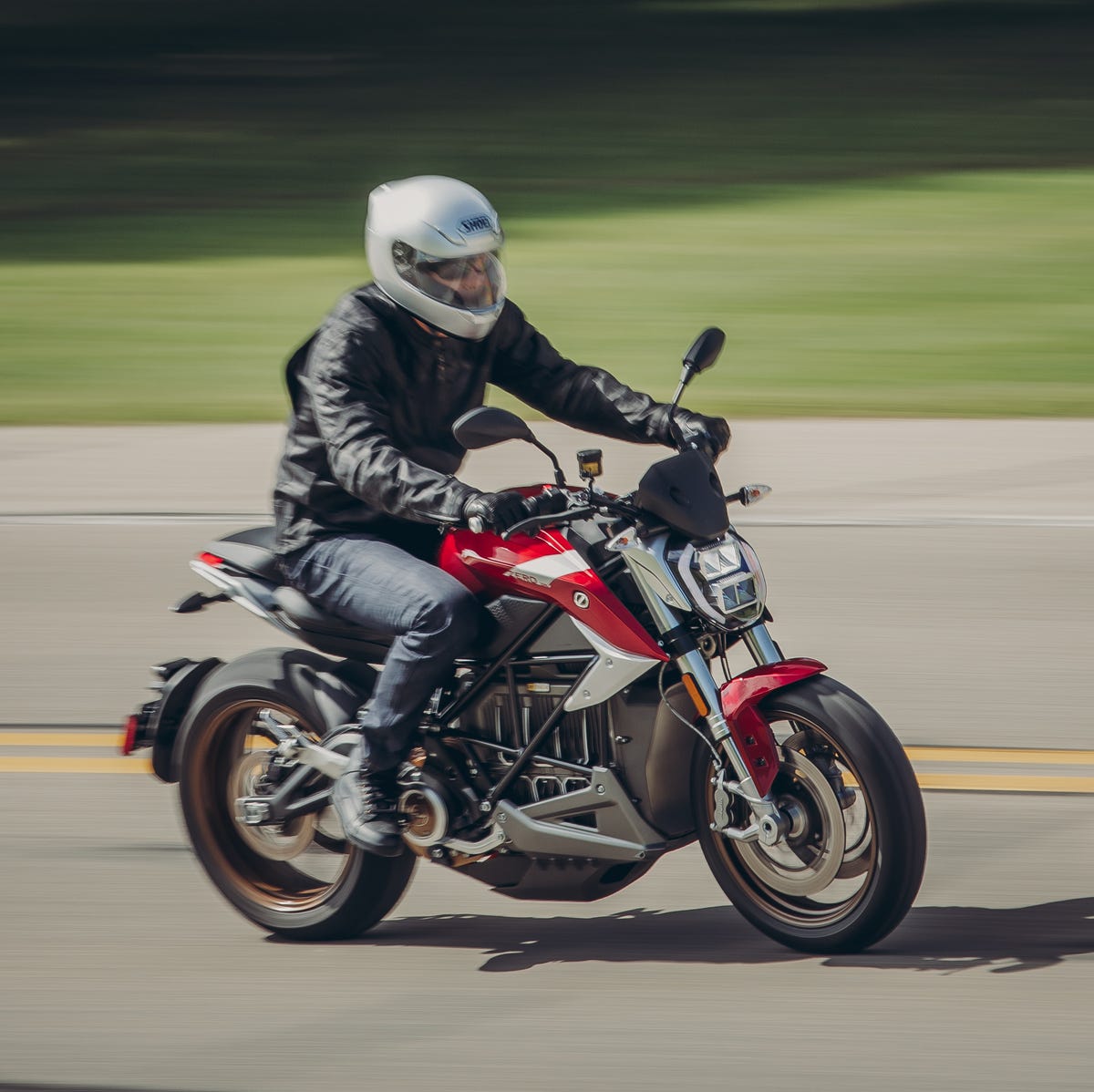
- Zero SR/F — Zero's flagship sport-standard continues to refine its formula with improved range (up to 161 miles city), strong performance, and a well-developed charging ecosystem. The optional Power Tank accessory can extend range further, and the Cypher III operating system offers deep customization.
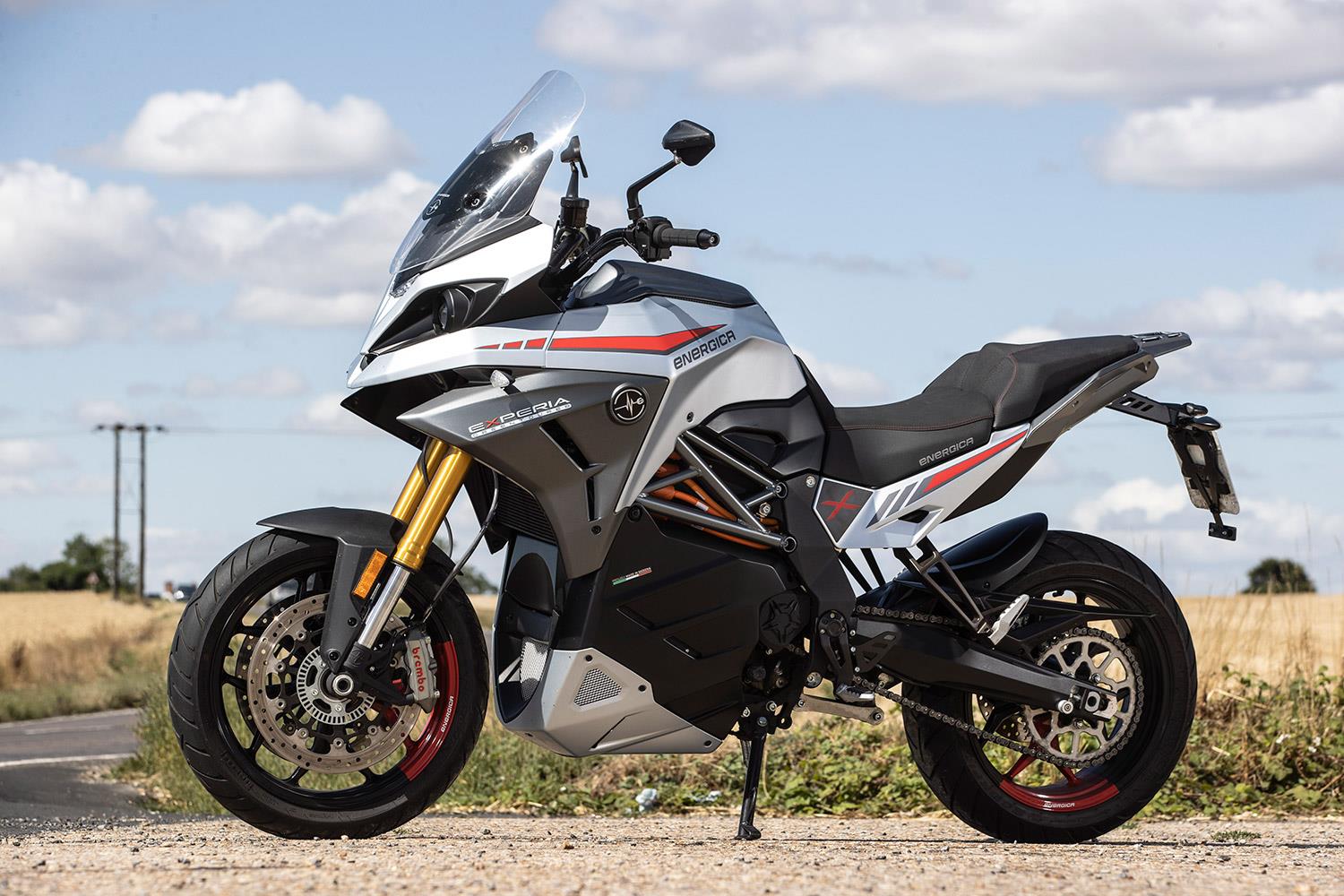
- Energica Experia — Built for long-distance riders, the Experia combines a 22.5 kWh battery with adventure-touring ergonomics. It supports 22 kW DC fast charging, making it one of the most road-trip-capable electric motorcycles available, with real-world range approaching 130 highway miles.
- Harley-Davidson LiveWire S2 Del Mar — The S2 platform represents Harley's effort to reach a younger, urban audience. It's lighter and more agile than the original LiveWire, with a focused city and canyon riding brief. Range is modest but the riding experience is genuinely exciting.
- BMW CE 02 — Positioned as an urban electric moped-crossover, the CE 02 punches above its class in build quality and brand credibility. It's best suited to city riding and short hops, not touring.
- CAKE Kalk OR — For off-road riders, CAKE's lightweight electric dirt bike offers a unique and capable alternative to gas-powered enduro machines, with near-silent operation that's increasingly welcome in noise-sensitive riding areas.
Total Cost of Ownership: The Real Financial Picture
Electric motorcycles carry higher upfront prices than most comparable gas bikes, but the total cost of ownership calculation often tips in their favor over a three-to-five-year period. Electricity costs per mile are a fraction of gasoline costs, and electric drivetrains have dramatically fewer moving parts — no oil changes, no valve adjustments, no chain replacements on shaft or belt-drive models, no fuel system maintenance. Brake wear is also reduced significantly thanks to regenerative braking.
Factor in available federal and state tax credits (many markets still offer meaningful incentives for electric two-wheelers in 2026), and the upfront premium becomes easier to justify. That said, battery replacement costs remain a long-term wildcard — replacement packs are expensive, though manufacturer warranties of five to eight years on the battery provide meaningful protection.
Who Should — and Shouldn't — Buy an Electric Motorcycle Right Now
Electric motorcycles in 2026 are an excellent fit for commuters, urban riders, canyon carvers, and anyone with predictable daily riding patterns and access to home charging. If you ride fewer than 100 miles on most days and can plug in at home, the ownership experience is genuinely excellent.
If you regularly embark on multi-day touring adventures, ride in remote areas with sparse charging infrastructure, or simply don't have access to home charging, gas-powered bikes still offer practical advantages that are difficult to work around. The honest advice: know your riding profile before you shop.
Final Thoughts
The 2026 electric motorcycle market rewards riders who do their homework. Real-world range, charging habits, and total cost of ownership matter far more than headline specs. The bikes available today are genuinely capable, enjoyable machines — and the infrastructure supporting them improves every month. If you've been on the fence, this may well be the year the math finally works in your favor.