Welcome to the World of Motorcycling
There has never been a better time to get into motorcycling. The 2026 market is packed with beginner-friendly bikes that offer cutting-edge safety technology, fuel efficiency, and genuine style — all without punishing inexperienced riders. But with hundreds of models to choose from, knowing where to start can be a genuine challenge. This guide is designed to cut through the noise and give you a clear, practical roadmap to finding the right first motorcycle for your needs, budget, and riding goals.
Step 1: Get Your License First
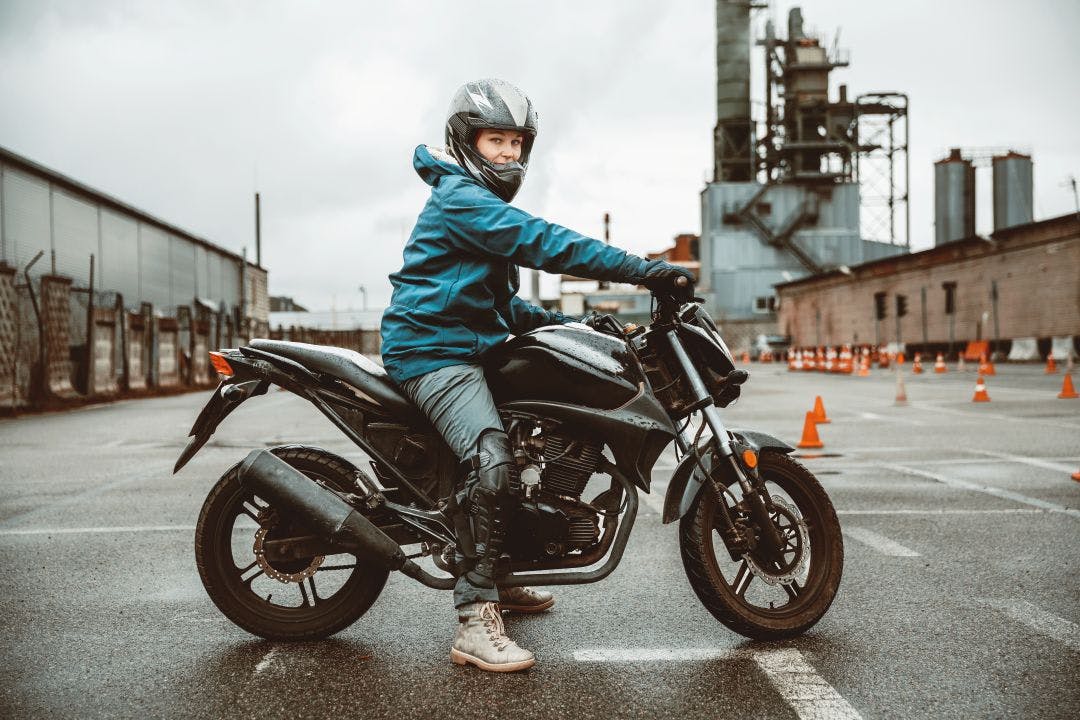
Before you spend a single dollar on a bike, sort out your licensing. In the United States, most states require a motorcycle endorsement (an "M" class) added to your driver's license. The fastest and safest path is completing a Motorcycle Safety Foundation (MSF) Basic RiderCourse, which typically takes a weekend and often earns you an insurance discount. In the UK, the Compulsory Basic Training (CBT) is your starting point. Whatever your country, formal training is non-negotiable — it will make you a better, safer rider from day one and could save your life.
Step 2: Understand the Main Motorcycle Categories
Motorcycles are not one-size-fits-all. Understanding the main categories will help you narrow your search significantly.
Standard / Naked Bikes
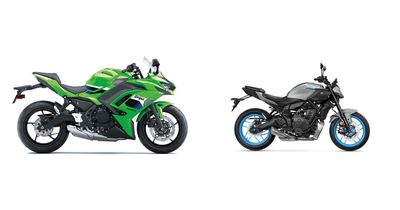
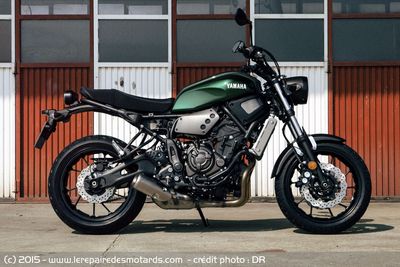
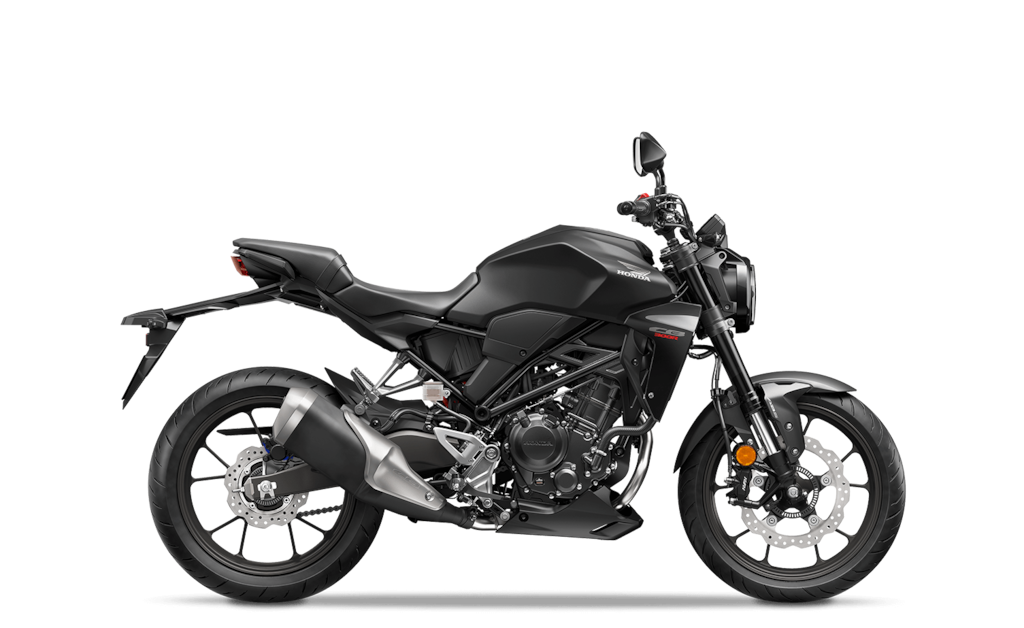
These are the most versatile and beginner-friendly option. With an upright riding position, manageable power, and relatively simple ergonomics, standards are forgiving to learn on and easy to maneuver in traffic. Models like the Honda CB300R and Kawasaki Z400 are perennial favorites for new riders.
Sport Bikes
Sport bikes look incredible and perform even better, but they are generally not recommended as first motorcycles. The aggressive forward-leaning riding position creates discomfort on longer rides, and the power delivery can be abrupt and difficult to manage for beginners. If you're set on a sport bike, consider a smaller-displacement option like the Yamaha YZF-R3 or the KTM RC 390.
Cruisers
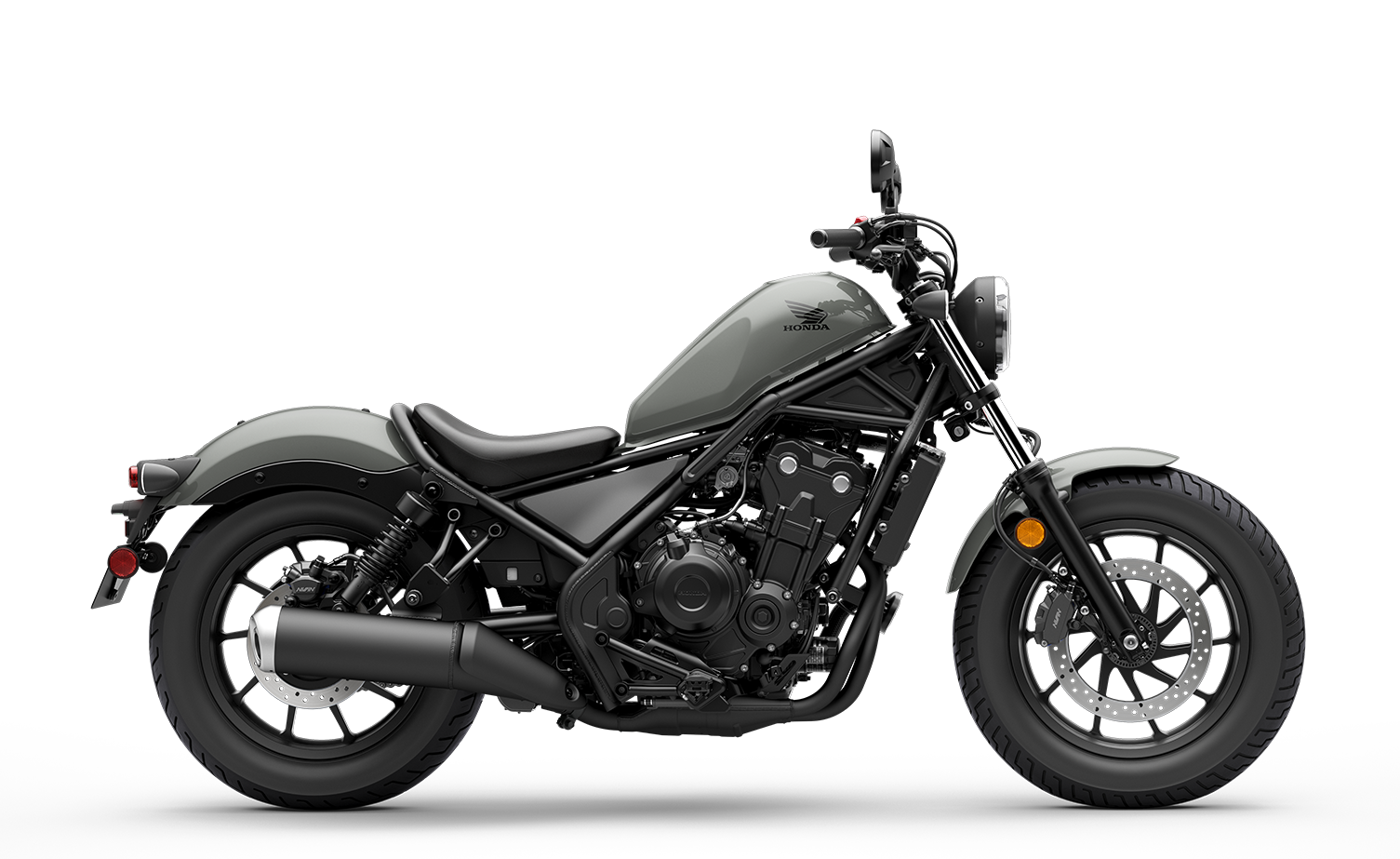
Cruisers offer a laid-back, low-slung riding position and are excellent for shorter to mid-range commutes and weekend rides. They tend to have lower seat heights, which can be a confidence booster for shorter riders. The Royal Enfield Meteor 350 and Honda Rebel 500 are outstanding entry-level cruisers in 2026.
Adventure / Dual-Sport Bikes
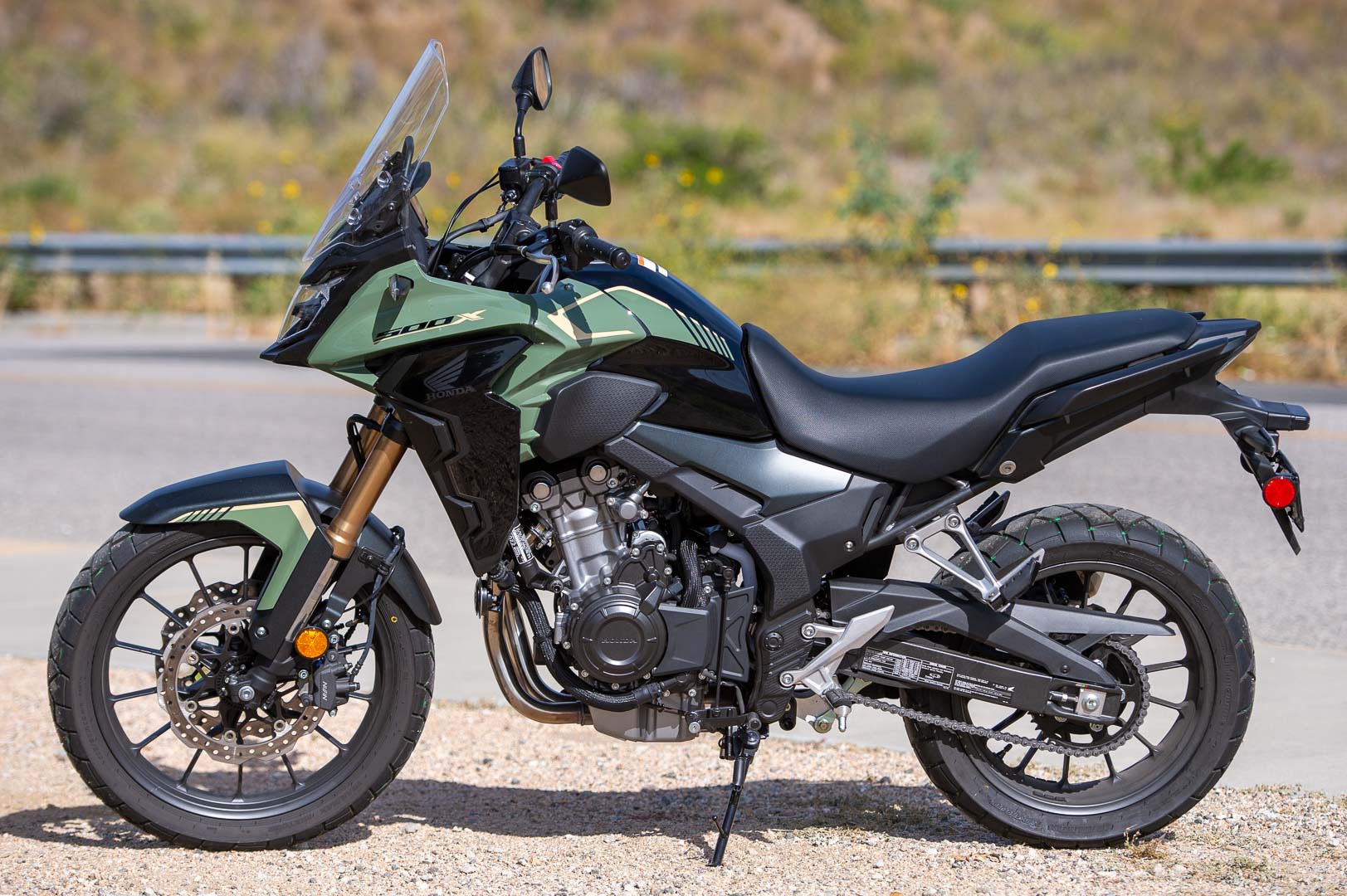
Adventure bikes are booming in popularity. They're capable on both tarmac and light off-road terrain, and many offer tall, commanding riding positions. However, their seat height can be a challenge for shorter riders. The Honda CB500X and Royal Enfield Himalayan are approachable entry points into the adventure segment.
Scooters and Small Commuters
Don't overlook scooters if your primary use case is urban commuting. Modern scooters like the Honda PCX160 offer automatic transmissions, excellent fuel economy, and practical storage. They're a great tool for building road confidence before moving to a geared bike.
Step 3: Choose the Right Engine Size
Engine displacement — measured in cubic centimeters (cc) — is one of the most important factors for a new rider. The general rule is to start small and work your way up as your skills develop.
- 125cc–300cc: Ideal for absolute beginners and city commuting. Low power outputs are forgiving and help you focus on developing core skills without being overwhelmed.
- 300cc–500cc: The sweet spot for most new riders. Bikes in this range have enough power for highway riding but remain manageable and approachable. This is where the majority of top beginner bikes sit in 2026.
- 500cc–650cc: Suitable for riders with some prior experience or those who are mechanically confident and have completed structured training. Many A2-licence-friendly bikes in Europe fall here.
- Above 650cc: Generally not recommended as a first bike. High-powered machines require significant skill to manage safely.
Step 4: Set a Realistic Budget
Your budget needs to cover more than just the cost of the motorcycle. As a rule of thumb, new riders should account for the following expenses:
- The bike itself: Quality beginner bikes in 2026 range from approximately $4,000 to $9,000 new, and significantly less used.
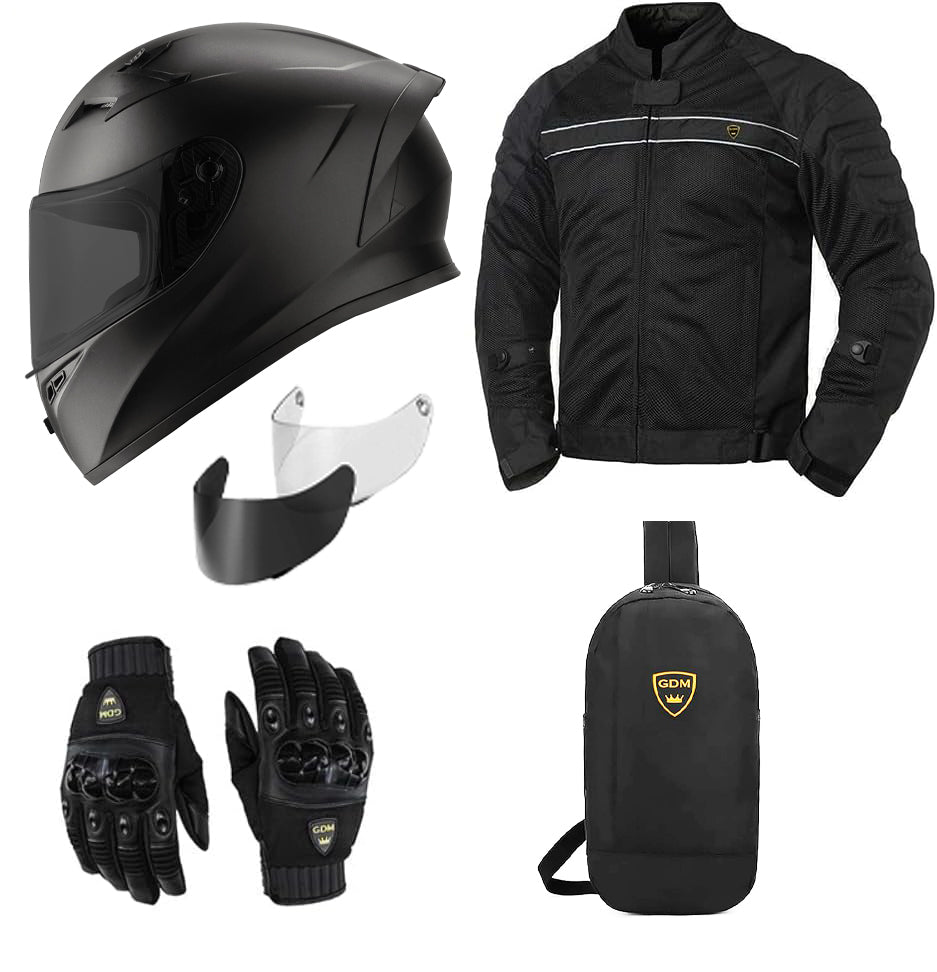
- Safety gear (ATGATT — All The Gear, All The Time): A quality helmet, jacket, gloves, boots, and pants can easily run $500–$1,500. Do not skimp here.
- Insurance: Rates vary widely based on location, age, and the bike. Get quotes before you buy.
- Registration and taxes: Varies by state or country.
- Maintenance: Budget for oil changes, tires, and chain maintenance from the start.
Buying used is an excellent strategy for first-time buyers. A well-maintained used beginner bike can save you thousands and means you're less emotionally attached if you drop it during the learning phase — which is very common and nothing to be embarrassed about.
Step 5: Consider Ergonomics and Fit
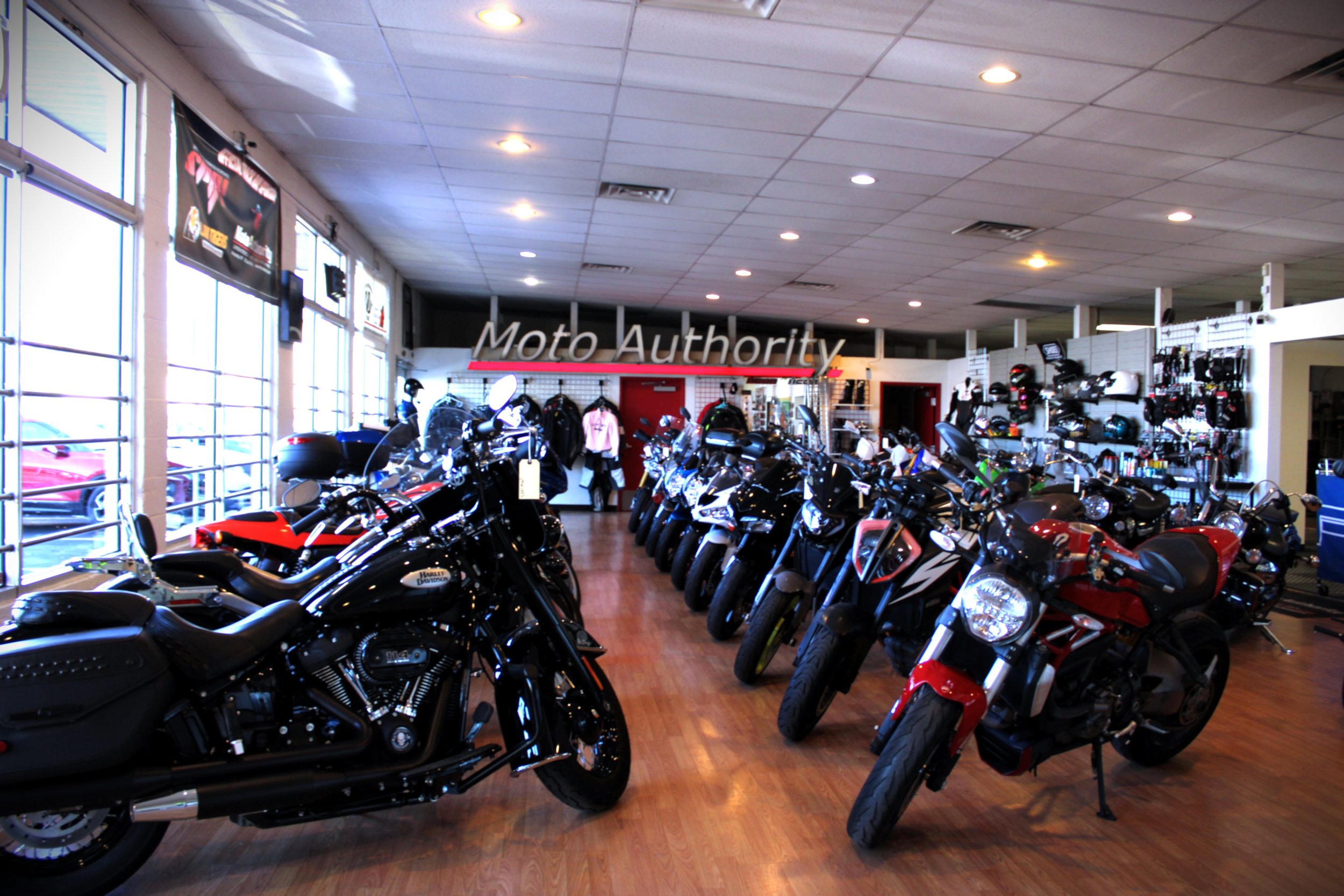
A motorcycle that doesn't fit you will be harder and less enjoyable to ride. Visit dealerships and sit on as many bikes as possible. Key things to check include:
- Can you get at least one foot (ideally both) flat or near-flat on the ground?
- Are the handlebars and controls within comfortable reach?
- Does the seat feel comfortable for more than a few minutes?
- Is the weight manageable? Can you hold the bike upright with confidence?
Seat height and weight are especially important for shorter or lighter riders. Many manufacturers now offer lowering kits and adjustable suspension to help with fit.
Step 6: New vs. Used
Both options have merit. A new bike comes with a warranty and the latest safety tech — many 2026 models now include traction control, ABS, and ride modes even in the entry-level segment. A used bike saves money and reduces the financial sting of the inevitable first drop or scratch. If you go used, always get a pre-purchase inspection from a trusted mechanic, check the VIN against theft databases, and review the service history carefully.
Top Beginner Motorcycles for 2026
Based on reliability, performance, safety features, and value, here are some of the best starter bikes on the market this year:
- Honda CB300R — Refined, lightweight, and bulletproof reliability. A near-perfect urban commuter.
- Kawasaki Z400 — Punchy performance in an approachable package with great suspension.
- Yamaha YZF-R3 — For the sport bike enthusiast who wants to stay safe while learning.
- Honda Rebel 500 — A stylish cruiser with a low seat height and genuine highway capability.
- Royal Enfield Meteor 350 — Laid-back and characterful, with excellent build quality for the price.
- Honda CB500X — The adventure bike gateway drug. Comfortable, capable, and highly practical.
- KTM RC 390 — For those who want sport performance with modern electronic aids to keep them in check.
Final Thoughts
Choosing your first motorcycle is a deeply personal decision, but it doesn't need to be a stressful one. Focus on finding a bike that fits your body, matches your riding goals, suits your budget, and — most importantly — doesn't overwhelm you with more power than you're ready to handle. Take your training seriously, invest in quality gear, and remember that the goal of your first bike isn't to impress anyone. It's to teach you how to ride safely so that you can enjoy decades of motorcycling ahead. Welcome to the family — it's one of the best decisions you'll ever make.