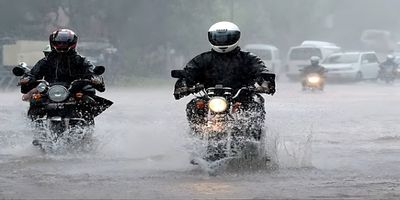
Cold Weather Riding Doesn't Have to Mean Suffering
Fall and winter riding seasons have a certain magic to them — crisp air, empty roads, and a sense of adventure that fair-weather riders never experience. But dropping temperatures bring real challenges, and staying warm on your motorcycle isn't just about comfort. When you're cold and distracted, your reaction times slow and your concentration suffers. Staying warm is a safety issue as much as it is a personal preference.
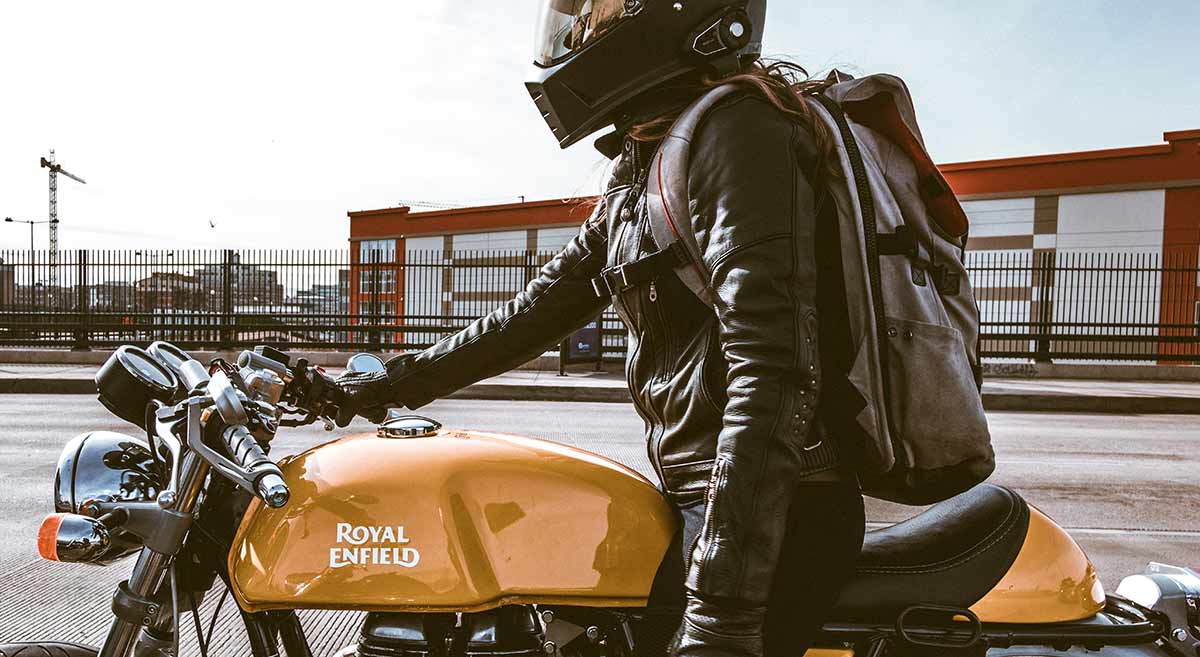
The good news is that with the right gear and a few smart upgrades, you can extend your riding season well into the colder months and actually enjoy every mile. Here's a breakdown of the most effective ways to stay warm when the temperature starts to fall.
Start With Your Core
Here's a fundamental truth about cold-weather riding that many new riders overlook: when your body temperature drops, your circulatory system prioritizes your vital organs. Blood flow gets restricted from your extremities — your hands, feet, and exposed skin — in order to keep your core warm. The practical takeaway? If your core is warm, your entire body benefits.
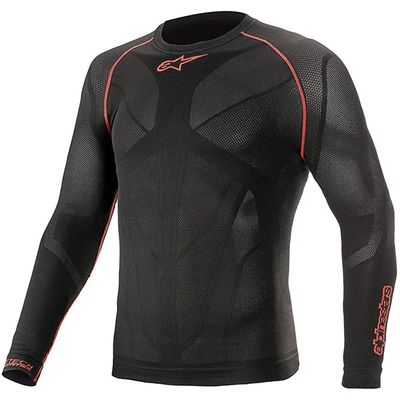
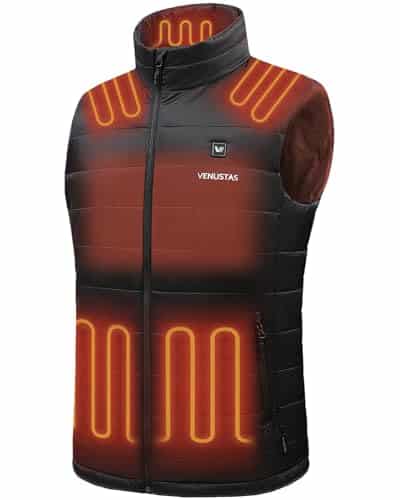
The easiest way to protect your core is with a quality thermal base layer. These moisture-wicking underlayers trap heat close to your body and make a significant difference even before you put on your riding jacket. For even more warmth on brutally cold days, heated base layers and vests are an excellent upgrade. They connect to your bike's electrical system and provide consistent, controllable heat directly to your torso.
Important note: Before adding any heated gear to your setup, check your motorcycle's electrical capacity. Heated jackets, gloves, and pants all draw power, and overloading your bike's charging system can cause problems. Know your bike's specs before you start stacking electrical accessories.
Protect Your Hands — You Need Them to Ride
Your hands are mission-critical. Throttle control, braking, clutch operation — all of it depends on having functional, responsive hands. Cold, numb fingers are not just uncomfortable, they're dangerous. Fortunately, keeping your hands warm is straightforward once you know your options.
Winter-Specific Motorcycle Gloves
Many riders — especially those new to the sport — don't realize that motorcycle-specific winter gloves exist. These aren't ski gloves or work gloves repurposed for riding. Proper winter motorcycle gloves are engineered with thermal liners, windproof outer shells, and construction that maintains dexterity at the controls. If you're still riding in your summer gloves once the temperature dips below 50°F, it's time to upgrade.
Heated Gloves
For serious cold-weather riders, heated gloves take hand warmth to another level entirely. Battery-powered or wired directly to your bike, heated gloves provide active warmth that passive insulation simply can't match on the coldest days.
Heated Grips
Heated grips are one of the best bang-for-your-buck upgrades you can make to any motorcycle. They're affordable, relatively simple to install, and provide direct heat exactly where your hands make contact with the bike. Many riders use heated grips in combination with winter gloves for a layered approach to hand warmth.
Hand Guards
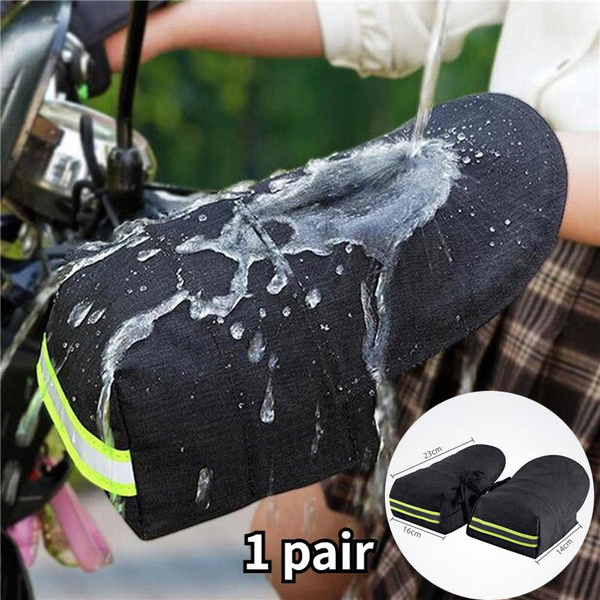
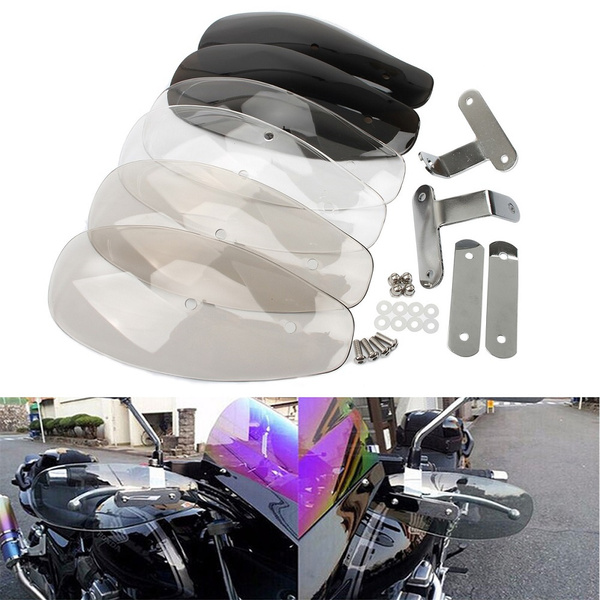
Wind chill is a massive factor in how cold your hands get while riding. Universal hand guards — like the popular Barkbuster Blizzard style — bolt directly to your handlebars and create a physical barrier between your hands and the oncoming wind. They're not the most glamorous accessory on the market, but they are genuinely effective. They also happen to protect your levers in the event of a tip-over, which is a nice bonus.
Don't Forget Your Neck and Head
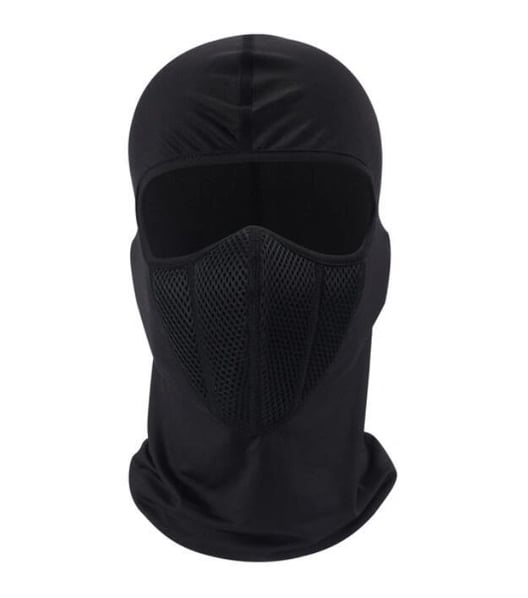
Your neck is one of the most frequently overlooked cold spots on a rider's body. It's often exposed to direct wind and cold air, acting almost like a vent that lets heat escape from inside your jacket and helmet. A simple balaclava — a thin, fitted hood that covers your head, neck, and lower face — solves this problem completely. Balaclavas are inexpensive, packable, and built to last for years. There's almost no reason not to own one if you ride in cool weather.
On the helmet front: if you're riding in cold weather, a full-face helmet is the obvious choice. Beyond the obvious safety benefits, a full-face helmet provides significant insulation and completely eliminates the wind blast to your face that makes open-face and half-helmet riding genuinely miserable in the cold. The chin bar and visor together act as a wind and cold barrier that dramatically improves comfort at any speed.
Waterproof Gear Is Your Best Friend
Here's something that surprises a lot of riders when they first hear it: staying dry is one of the most important factors in staying warm. Wet riding gear loses its insulating properties fast, and once you're soaked through, even mild temperatures can feel dangerously cold. Waterproof gear addresses this in two important ways.
- Wind blocking: A waterproof outer layer is inherently windproof. Wind chill can make a 45°F day feel like 25°F at highway speeds. Eliminating wind penetration through your jacket and pants makes an immediate, noticeable difference in warmth.
- Moisture protection: Whether you're riding through rain, mist, or wet road spray, staying dry means staying warm. Once moisture gets through your gear, your body has to work overtime to compensate — and eventually it can't keep up.
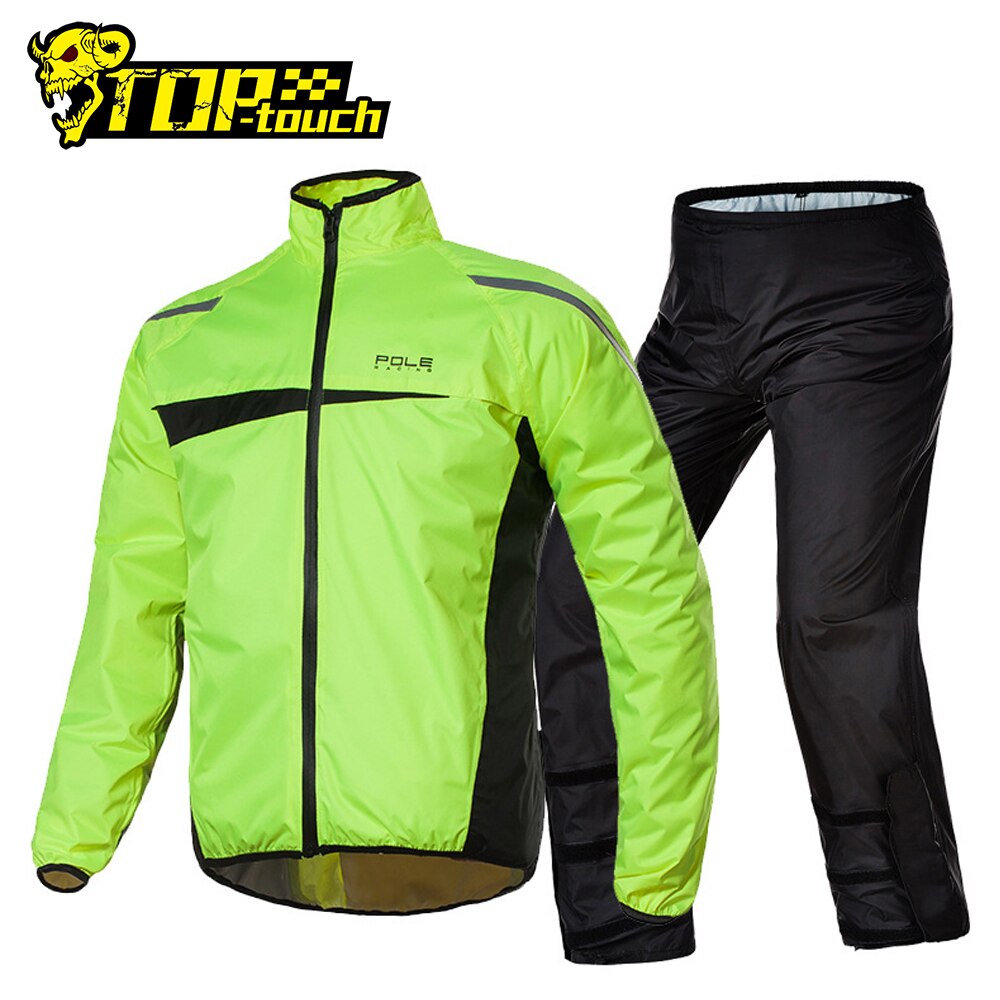
Whether you opt for a waterproof riding jacket and pants, or add a high-visibility rain suit over your regular gear, the principle is the same. Bright, visible colors are worth considering too — inclement weather reduces visibility for everyone on the road, and being seen is always a priority.
Add Coverage to Your Bike
Beyond your personal gear, your motorcycle itself can be set up to reduce wind exposure and improve comfort in cold weather. A windscreen is the most impactful bike-side upgrade you can make. Even a small windscreen diverts a significant amount of airflow away from your chest and torso, reducing wind chill and fatigue on longer rides. There are universal options available that mount directly to most handlebars without requiring any specialized tools or modifications — making them a practical choice for almost any bike.
Layer Up and Ride Longer
Cold-weather riding is really about layering strategy as much as it is any single piece of gear. Start with a thermal base layer, add your regular riding gear, top it with waterproof protection when needed, and supplement with heated gear on the coldest days. Cover your neck with a balaclava, wear a full-face helmet, choose winter-rated gloves, and consider heated grips or hand guards for extra hand protection.
None of these items are particularly expensive on their own, and even adopting a few of these strategies will dramatically extend your comfortable riding season. The road doesn't have to go quiet just because the calendar says November. Gear up properly, and keep riding.