Why Motorcycle Maintenance Matters More Than Ever in 2026
Modern motorcycles are engineering marvels. With ride-by-wire throttle systems, cornering ABS, multiple riding modes, and increasingly complex electronics, today's bikes demand a more informed owner than ever before. But beneath all that technology, the fundamentals of motorcycle maintenance remain as critical as they were decades ago. Neglect them, and even the most advanced safety systems can't save you from a mechanical failure at speed.
Whether you're a seasoned rider or just getting your licence, developing a disciplined maintenance routine is one of the smartest things you can do. Not only does it protect your investment, it keeps you confident and safe every time you swing a leg over the saddle. Here's your comprehensive guide to essential motorcycle maintenance for 2026 riders.
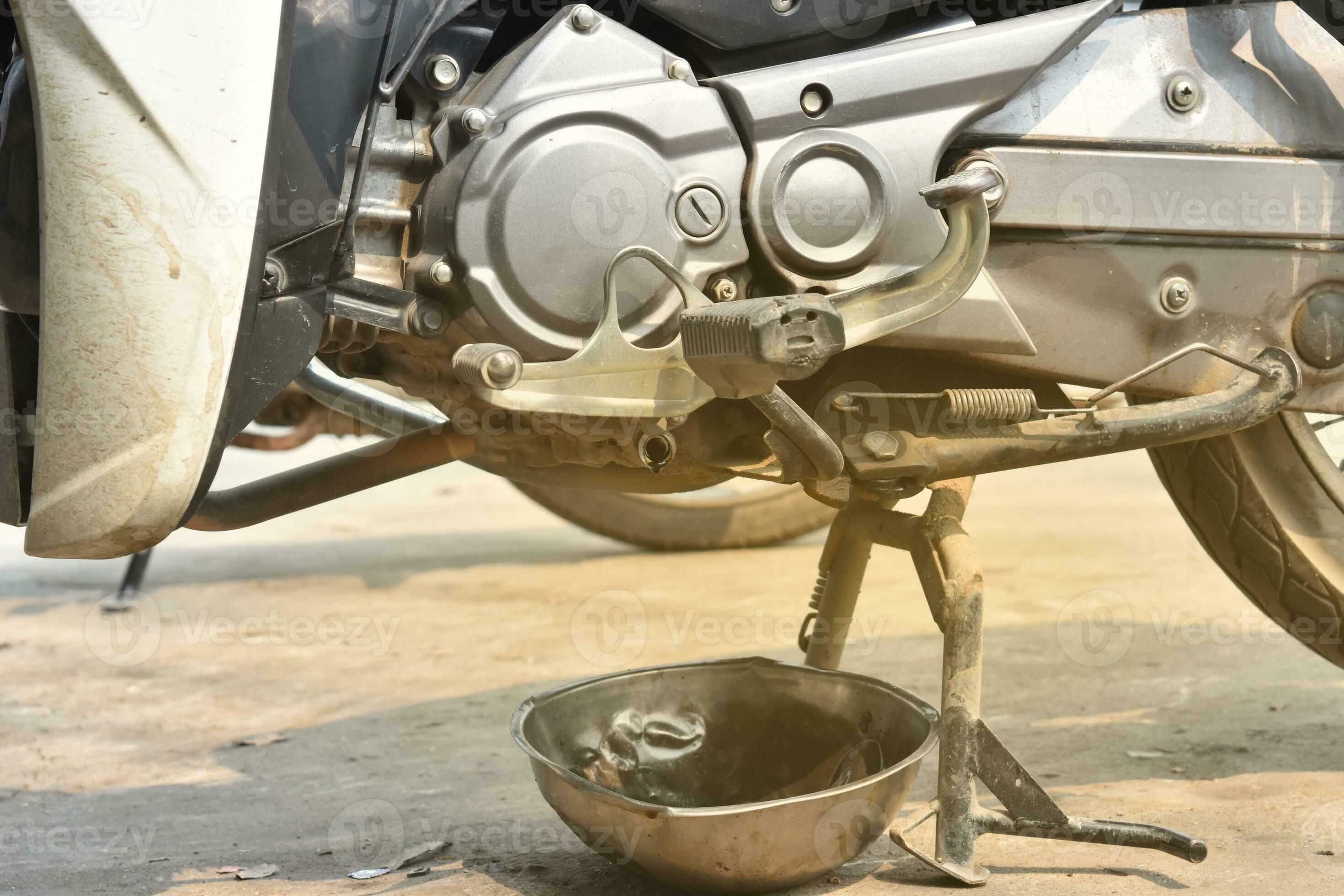
1. Engine Oil: The Lifeblood of Your Motorcycle
Engine oil lubricates, cools, and cleans your engine's internal components. Riding on old or insufficient oil is one of the fastest ways to destroy an engine that might otherwise last hundreds of thousands of kilometres.
- Check oil level regularly: Before every ride, or at minimum once a week, check your oil level using the sight glass or dipstick. Do this when the engine is warm and the bike is on level ground.
- Change oil on schedule: Follow your manufacturer's recommended intervals. Most modern bikes call for changes every 5,000–10,000 km, but high-performance engines may need more frequent attention.
- Use the right oil: Always refer to your owner's manual for the correct viscosity and specification. Using the wrong oil in a motorcycle with a wet clutch can cause slipping and premature wear.
- Don't forget the filter: Replace the oil filter with every oil change. A clogged filter can restrict oil flow and cause serious engine damage.
2. Tyre Care: Your Only Contact With the Road
Your tyres are quite literally the most safety-critical components on your motorcycle. A well-maintained tyre grips, steers, and stops predictably. A neglected one can fail without warning.
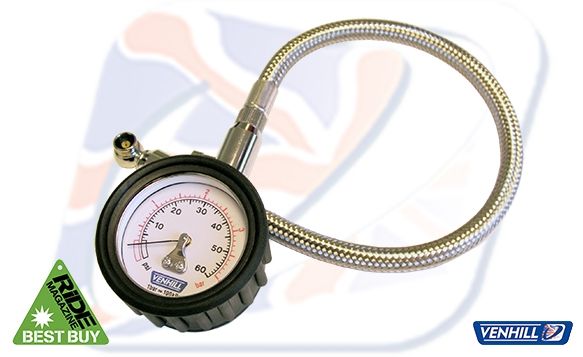
- Check tyre pressure before every ride: Temperature changes affect pressure, and even a few PSI off the recommended level changes how your bike handles. Under-inflated tyres overheat and wear unevenly; over-inflated tyres reduce the contact patch and grip.
- Inspect tread depth: Most countries require a minimum of 1mm tread depth, but for optimal safety, consider replacing tyres when they reach 2mm. Use a tread depth gauge rather than guessing.
- Look for damage: Check sidewalls and the tread area for cuts, cracks, bulges, or embedded objects before every ride. A tyre with a nail in it may hold pressure for a surprisingly long time before failing catastrophically.
- Mind tyre age: Even if a tyre looks fine, rubber degrades over time. Most manufacturers recommend replacing tyres after five years regardless of visual condition.
3. Chain and Drive System Maintenance
For the majority of motorcycles on the road, the drive chain is the link between your engine's power and the rear wheel. A neglected chain is a safety hazard and an expensive mistake.
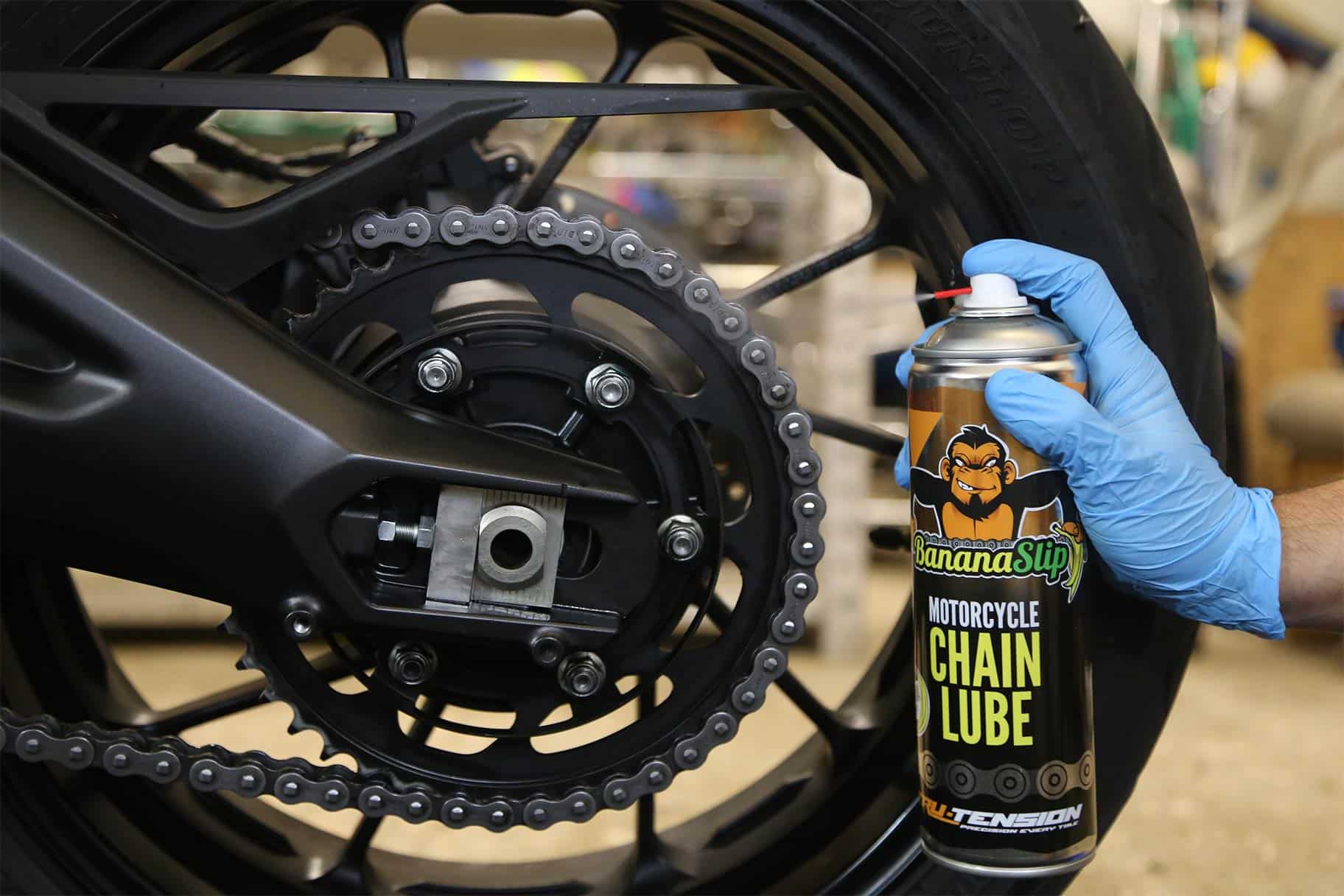
- Lubricate regularly: Apply chain lube every 500–800 km, or after every ride in wet conditions. Apply it to the inner side of the chain while rotating the wheel slowly, then let it penetrate before wiping off excess.
- Check tension frequently: A chain that's too tight puts strain on bearings and sprockets; too loose and it can derail or snap. Most manufacturers specify 20–30mm of freeplay at the midpoint of the lower chain run.
- Inspect for wear: Use a chain wear indicator tool to check for stretch. A worn chain accelerates sprocket wear significantly — it's always more economical to replace the chain before it ruins your sprockets.
- Replace as a set: When the chain is due for replacement, replace the front and rear sprockets at the same time. Mixing worn sprockets with a new chain causes rapid wear.
4. Brake System Inspection
Brakes save lives. There is no maintenance task more important than ensuring your braking system is in perfect working order.
- Check brake fluid: Brake fluid absorbs moisture over time, lowering its boiling point and reducing braking performance. Check the reservoir level monthly and replace the fluid every two years, or as specified in your manual.
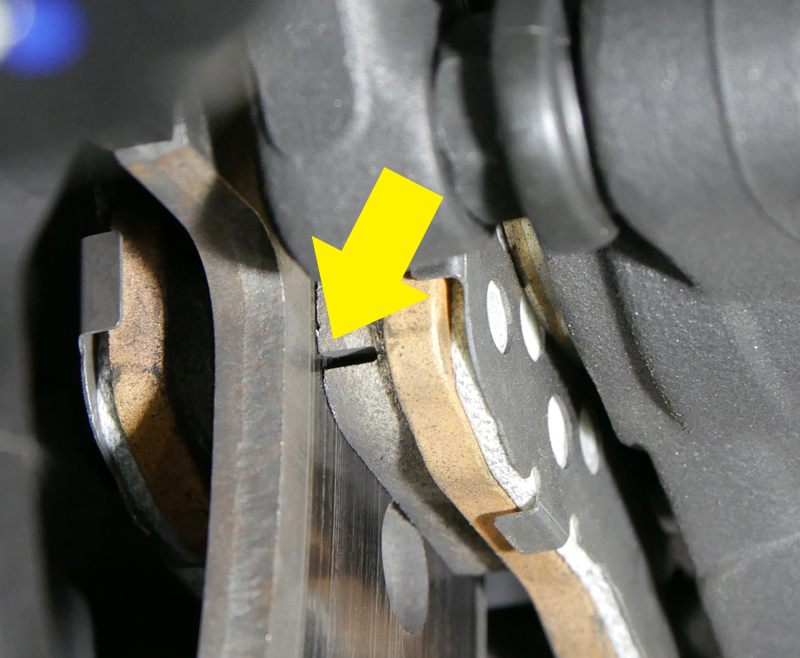
- Inspect brake pads: Most pads have wear indicators. Check pad thickness every 3,000–5,000 km and replace them before they reach the minimum thickness. Riding on worn pads can damage discs, which are far more expensive to replace.
- Examine brake discs: Look for scoring, warping, or cracking. Measure disc thickness against the minimum specification stamped on the disc itself.
- Test brake feel: Before every ride, squeeze the front brake lever and press the rear pedal. The feel should be firm and consistent. A spongy lever is a sign of air in the system or a failing master cylinder.
5. Air Filter, Coolant, and Battery: Don't Overlook the Details
Air Filter
A clogged air filter restricts airflow to the engine, reducing power and increasing fuel consumption. Inspect it every 10,000 km and replace when dirty. Riders who frequently travel on dusty or unpaved roads should check more often.
Coolant (Liquid-Cooled Bikes)
Check the coolant reservoir level regularly and inspect hoses for cracking or swelling. Replace coolant according to your manufacturer's schedule — typically every two years — to prevent corrosion inside the cooling system.
Battery
Modern electronics draw current even when the bike is off. If your motorcycle sits for extended periods, use a smart battery maintainer to keep the battery healthy. Check terminal connections for corrosion and clean them with a wire brush as needed. A weak battery can cause erratic behaviour in modern ride-by-wire and electronic systems.
6. Building a Maintenance Schedule That Works
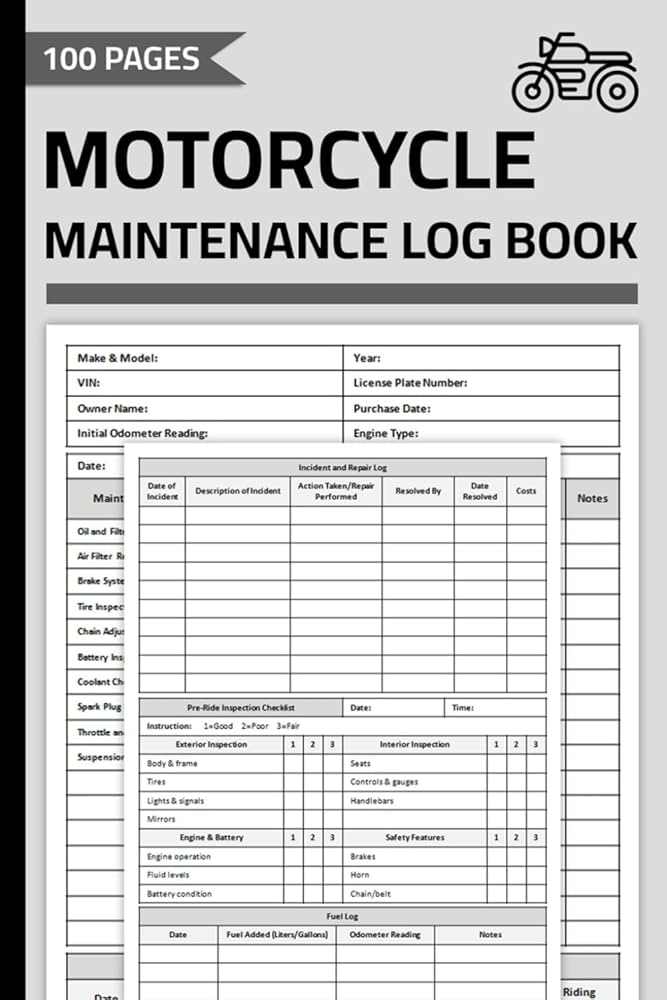
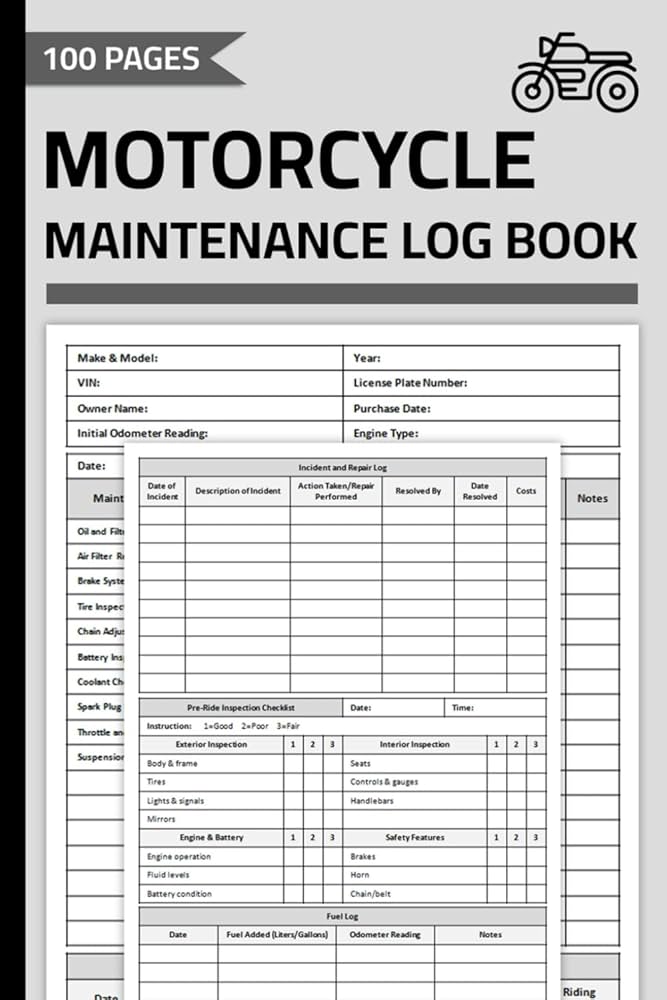
The best maintenance routine is one you actually follow. Start by reading your owner's manual from cover to cover — manufacturer service schedules are there for a reason. Create a simple logbook, either physical or digital, and record every service, fluid change, and component replacement with the date and odometer reading.
Set calendar reminders for seasonal checks, especially if you store your bike over winter. Pre-season preparation and post-season storage procedures can dramatically extend the life of every component on your motorcycle.
Consider investing in a quality toolkit designed for your specific make and model. Many routine jobs — oil changes, chain adjustments, air filter swaps — are well within the ability of any rider willing to learn, and doing them yourself saves money while deepening your understanding of your machine.
Final Thoughts
Mastering motorcycle maintenance isn't about becoming a full-time mechanic. It's about developing the awareness and habits that keep you safe, save you money, and make every ride better. The rider who knows their machine intimately is the rider who spots a problem before it becomes a disaster. In 2026 and beyond, that knowledge is your greatest piece of safety equipment.