Introduction
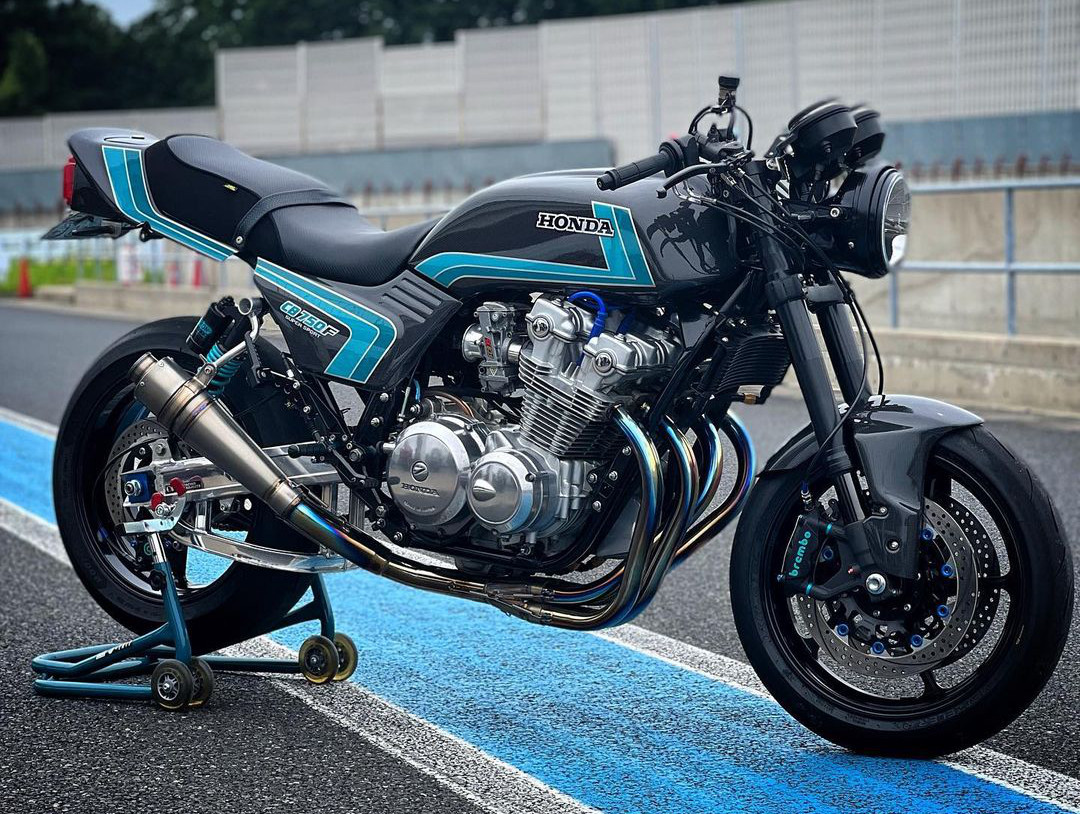
The integration of fairings into road sport motorcycles has significantly influenced the design and performance of these vehicles. Originally, fairings were not a standard feature in Japan due to regulatory restrictions, but their eventual acceptance marked a turning point for motorcycle design. This blog post delves into the history and impact of Honda's pioneering use of fairings on their road sport models, focusing on the CB900F and CBX400F.
Honda's Breakthrough with Fairings
In the early 1980s, the introduction of fairings on road sport models revolutionized motorcycle design. Honda, a leader in innovation, introduced the CB900F BOL D'OR in 1981, which featured a dealer option fairing. This addition was not merely aesthetic; it served functional purposes such as reducing wind turbulence and rider fatigue, enhancing the overall comfort during rides.
The CB900F BOL D'OR
Launched in 1981, the CB900F BOL D'OR was Honda's response to the evolving needs of riders for more comfortable and enjoyable motorcycles. The fairing, initially an optional dealer-installed feature, was designed to minimize wind resistance and channel airflow smoothly around the rider. This model boasted a 901cc inline-4 engine, delivering a power output of 95 HP at 8,000 RPM, with a dry weight of 533 pounds, balancing power and agility.
The Impact of Regulatory Changes
Regulatory changes in Japan during the early 1980s greatly influenced the acceptance of fairings. Initially, fairings faced restrictions due to concerns about speeding and safety. However, as understanding of their benefits grew, authorities approved their use, recognizing the advantages of improved aerodynamics and rider comfort.
Adoption of Standard Fairings
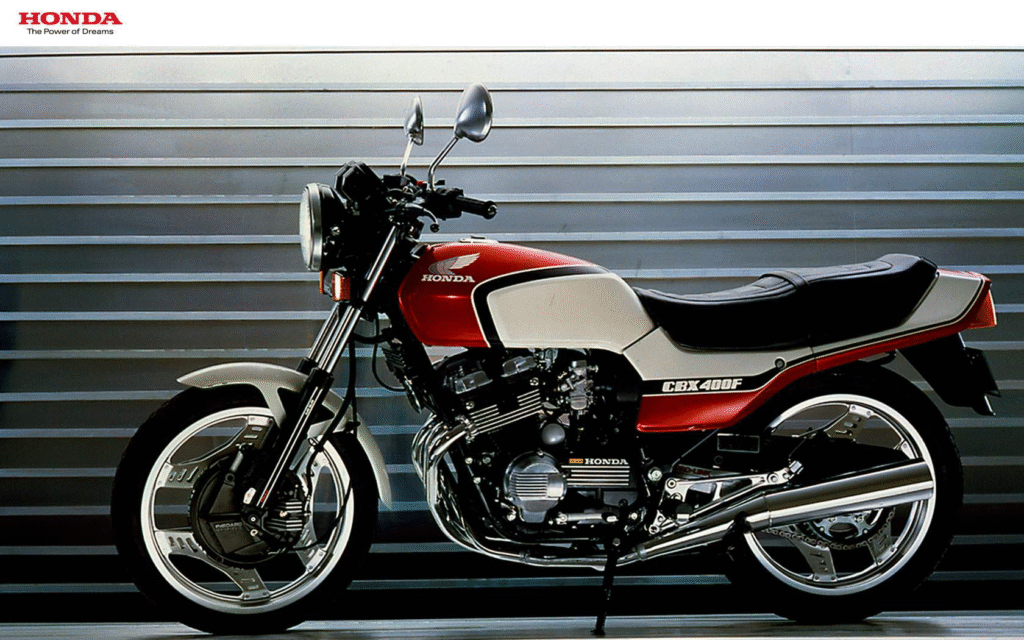
Following the easing of restrictions, Honda launched the CBX400F in 1982, marking a milestone as the first model released in Japan with fairings as standard equipment. This adoption reflects a broader trend in the motorcycle industry towards embracing features that enhance performance and rider experience.
Evolving Design and Performance
The CBX400F, introduced in 1982, epitomized Honda's commitment to integrating advanced design with performance. With a 399cc inline-4 engine, this model achieved a power output of 48 HP at 10,500 RPM and a torque of 24.3 ft-lb at 9,000 RPM. Its dry weight of 397 pounds made it a lighter, more agile alternative, appealing to a diverse range of riders.
Innovative Features and Rider Experience
The CBX400F's design emphasized rider protection and aerodynamic efficiency. The full fairing was seamlessly integrated into the chassis, directing airflow to reduce wind drag and enhance stability at high speeds. This thoughtful design not only improved performance but also comfort, allowing riders to maintain an upright position without being buffeted by wind.
Further Reading
CBX400F">https://en.wikipedia.org/wiki/Honda_CBX400F
CB900F">https://en.wikipedia.org/wiki/Honda_CB900F
Conclusion
The evolution of Honda's road sport models with fairings reflects a broader trend in the motorcycle industry towards enhancing rider experience through innovative design. From the CB900F's optional fairing to the CBX400F's standard inclusion, Honda has continually pushed the boundaries of what is possible in motorcycle design. These advancements highlight the importance of integrating technology and design to meet the needs of modern riders.
As motorcycles continue to evolve, the lessons learned from these early models remain relevant. Honda's foresight in adopting fairings not only improved performance and comfort but also set a standard for future developments in the industry.