The Safety Gear Revolution Is Already in Motion
Motorcycle safety has always been a game of margins — the difference between walking away from a crash and suffering serious injury often comes down to the gear you're wearing. For decades, the industry relied on incremental improvements: slightly better foam, marginally stiffer shells, marginally more breathable textiles. But heading into 2026, we're entering a genuinely new era. Advances in materials science, artificial intelligence, sensor technology, and wearable computing are converging to produce motorcycle safety gear that would have seemed like science fiction just ten years ago.

Riders have always had to make trade-offs between protection, comfort, and practicality. The exciting promise of these new innovations is that those trade-offs are shrinking. The gear coming in 2026 isn't just safer — in many cases, it's lighter, smarter, and more comfortable than what it replaces.
Smart Helmets: Beyond Bluetooth Speakers
The connected helmet has been a category in development for several years, but 2026 is shaping up to be the year it truly matures. Early smart helmets were largely conventional shells with Bluetooth speakers bolted on. The next generation is something fundamentally different.
Heads-Up Display Integration
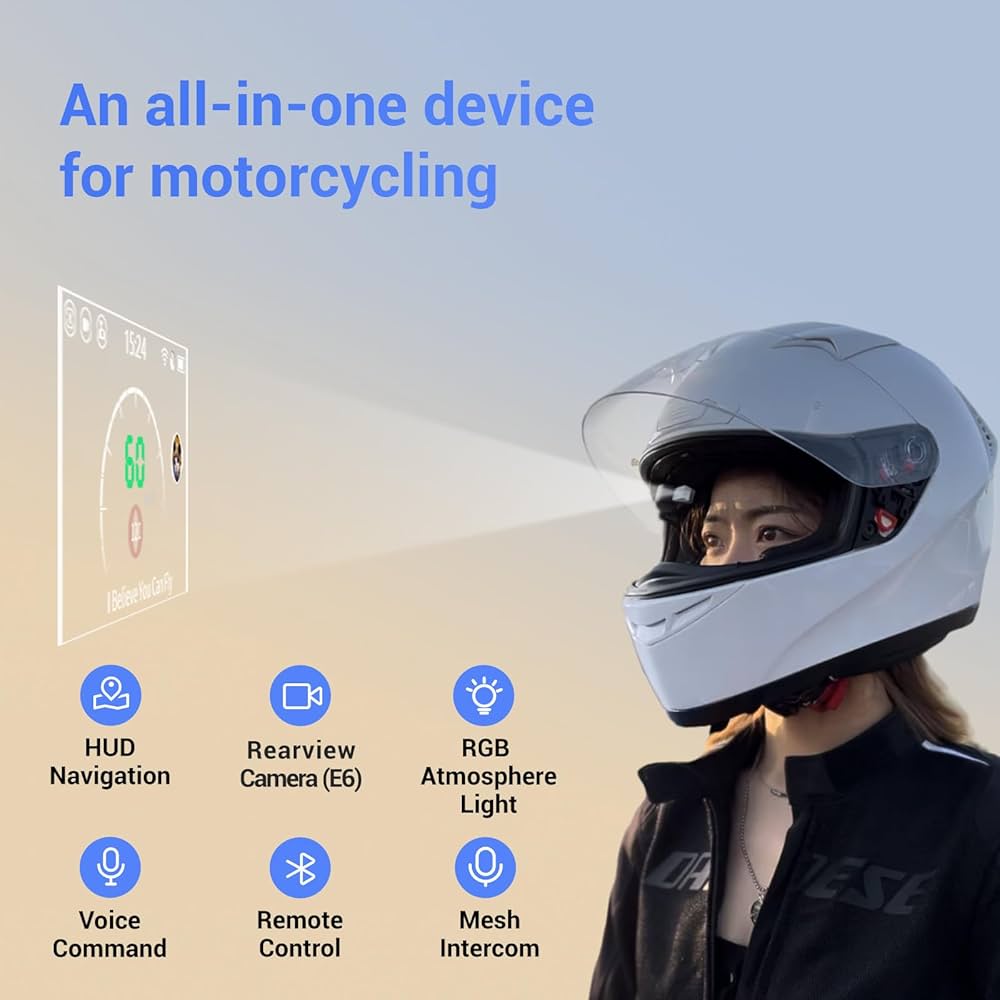
Full HUD integration is moving from prototype to production. Systems from companies including Skully and newer entrants are embedding transparent micro-displays directly into the visor, giving riders real-time navigation, speed, gear position, and even tire pressure data without ever taking their eyes off the road. The key development for 2026 is improved brightness and contrast ratios that make these displays genuinely readable in direct sunlight — a problem that plagued earlier versions.
AI-Powered Crash Detection
Several helmet manufacturers are integrating multi-axis accelerometers and gyroscopes paired with onboard AI chips that can distinguish between a hard corner, a pothole impact, and an actual crash event. When a crash is detected, the helmet can automatically send GPS coordinates to emergency contacts or services via an embedded eSIM. Brands like Ruroc and Forcite are leading this charge, with more established names expected to follow suit with their own iterations in 2026.
Adaptive Ventilation
Micromotor-driven vents that open and close based on speed, head position, and ambient temperature sensors are another feature moving closer to mainstream production. The helmet effectively manages its own airflow, keeping the rider cool on slow city riding and reducing buffeting at highway speeds automatically.
Airbag Technology: From Vests to Full Suits
Airbag systems for motorcyclists have existed in limited forms for years, but the technology is about to undergo its most significant leap forward yet. The traditional tethered airbag vest — which only deploys when physically separated from the bike — is giving way to fully autonomous, electronically triggered systems that are faster, smarter, and now integrated into full riding suits.
Autonomous Electronic Airbag Suits
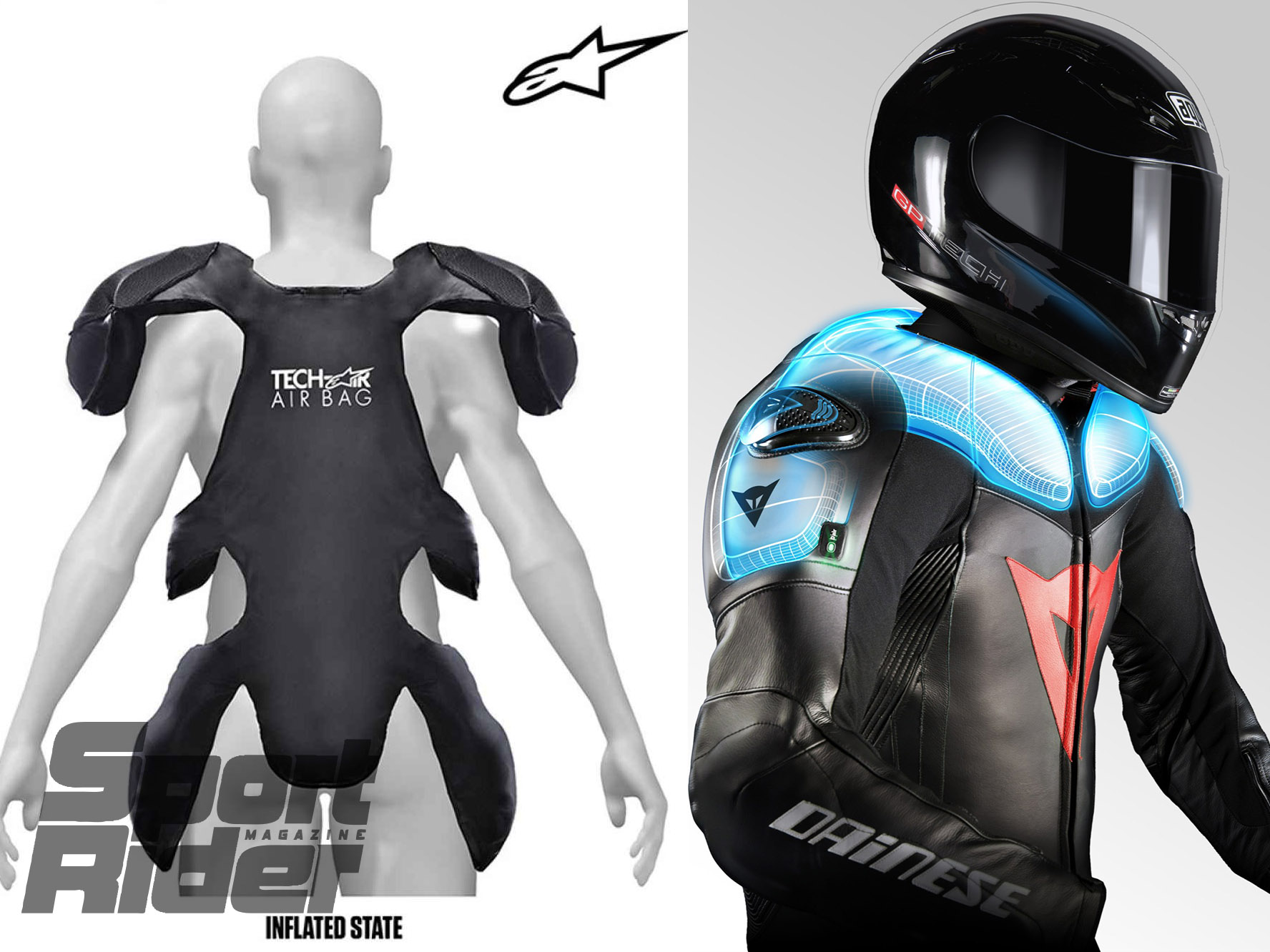
Companies like Alpinestars with their Tech-Air system and Dainese with D-air have been refining autonomous airbag technology, and 2026 will see this technology become both more affordable and more sophisticated. Next-generation suits use arrays of IMUs (inertial measurement units) to build a continuous real-time model of rider posture and motion. Machine learning algorithms trained on thousands of real crash scenarios can trigger full-suit inflation — covering the spine, hips, chest, and shoulders — in as little as 25 milliseconds, faster than the human nervous system can register the event.
Reusable and Modular Systems
One of the biggest criticisms of current airbag gear has been the cost and inconvenience of post-deployment replacement. Newer systems are being designed with field-reusable cartridges and modular airbag panels that can be replaced without sending the entire garment back to the manufacturer. This is a practical game-changer for everyday riders who previously viewed the technology as too expensive to maintain.
Next-Generation Armor Materials
The physical armor embedded in jackets, pants, and gloves is also being transformed. Traditional CE-rated foam and hard-shell armor is being challenged by a new class of materials that offer superior protection at a fraction of the weight and bulk.
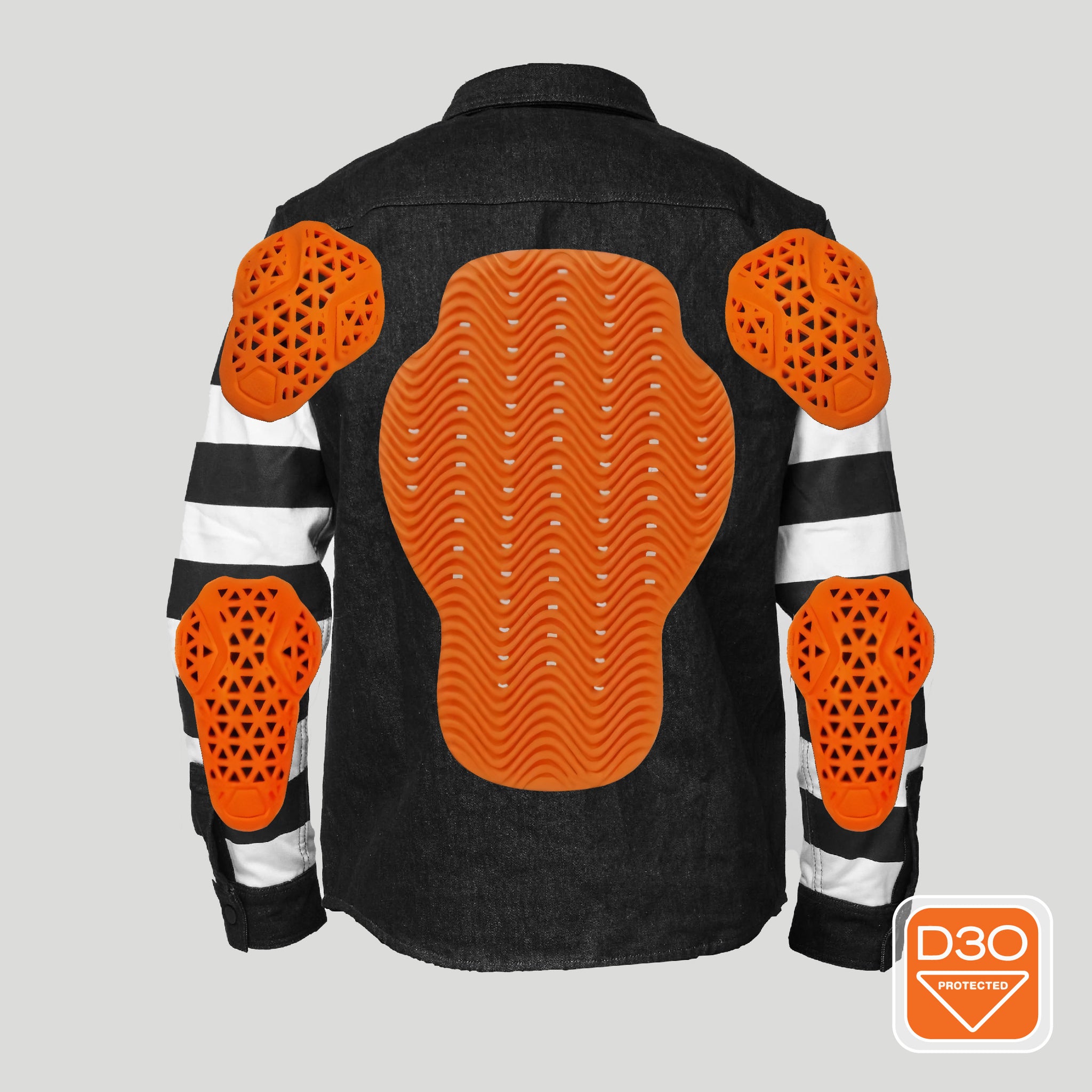
- Rate-stiffening polymers: Materials like D3O and similar non-Newtonian polymers remain flexible and comfortable during normal movement but instantly harden under sharp impact forces, distributing energy across a wider area. Second and third-generation versions offer significantly improved CE Level 2 certification performance.
- Graphene-enhanced textiles: Graphene's extraordinary strength-to-weight ratio is being woven directly into outer shell fabrics, providing cut and abrasion resistance that surpasses traditional Cordura or leather at dramatically reduced weight.
- Auxetic structures: These counter-intuitive materials actually expand laterally when stretched, creating a natural conformation to body shape while improving energy absorption during impact. Several manufacturers are trialing auxetic armor panels for spine and hip protection.
- Aerogel insulation liners: For cold-weather riders, aerogel-based thermal liners provide exceptional warmth at minimal thickness, eliminating the bulk that has traditionally accompanied winter riding gear.
Wearable Health Monitoring
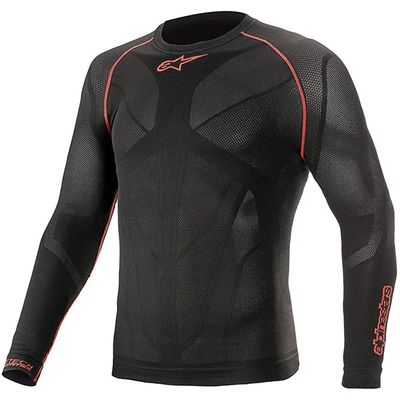
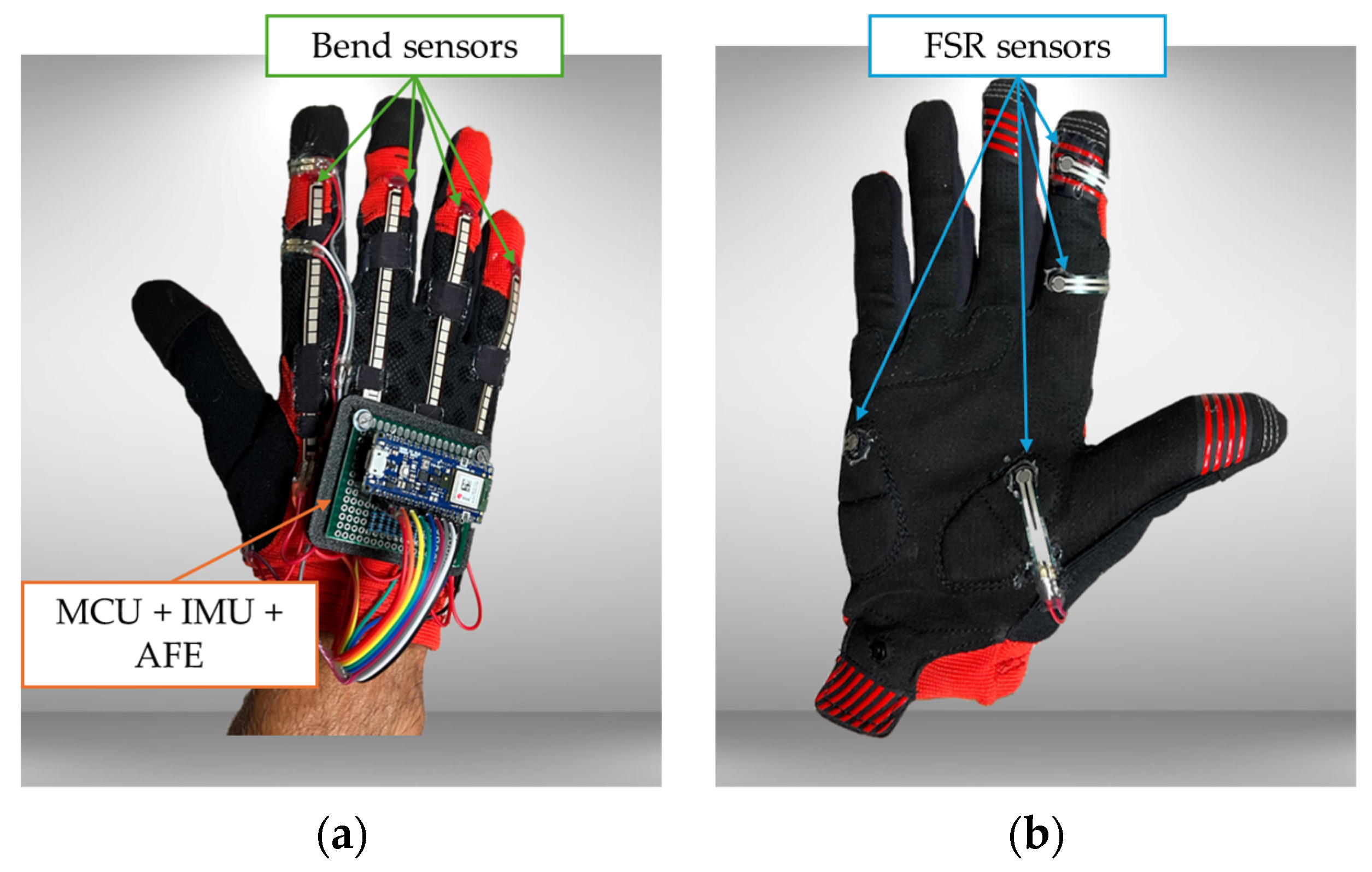
The concept of gear that monitors the rider, not just protects them, is gaining serious momentum. Biometric sensors woven into glove palm liners and base layers can track heart rate, body temperature, and fatigue indicators, feeding data to a companion app or HUD display. More practically, some systems are being developed to issue subtle haptic alerts when the rider's biometrics suggest fatigue or reduced reaction time — a potentially significant tool in preventing crashes before they happen rather than simply mitigating them after the fact.
Sustainability and the Gear of the Future
It's worth noting that the 2026 safety gear landscape isn't just about performance — sustainability is becoming a genuine design driver. Recycled nylon textiles, plant-based leather alternatives, and modular designs intended to extend garment lifespan are all entering the market. Brands are recognizing that the riders buying this gear increasingly care about environmental impact alongside protection ratings.
What This Means for Riders Today
The gear available in 2026 represents the most meaningful advancement in rider protection in a generation. Whether you're a commuter, a track day enthusiast, or a long-distance tourer, the practical advice is clear: stay informed, prioritize CE Level 2 certification as a baseline, and consider investing in airbag technology if it's within your budget. The gap between premium and standard protective gear is widening in favor of the rider — and that's something worth being excited about.
Safety gear has never been more capable, more comfortable, or more intelligent. The best protection is the gear you'll actually wear, and in 2026, there's less reason than ever to compromise.