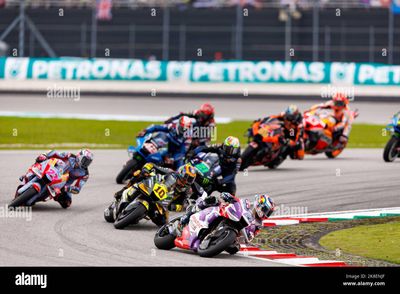
Hey there, friend! If you’ve ever found yourself intrigued by the high-speed world of Moto GP race, you’re in for a treat! Whether you’re a complete newbie or have been following for a while, this guide is designed to break down everything you need to know about the exhilarating sport of Moto GP. By the time you finish reading, you’ll feel like a pro!
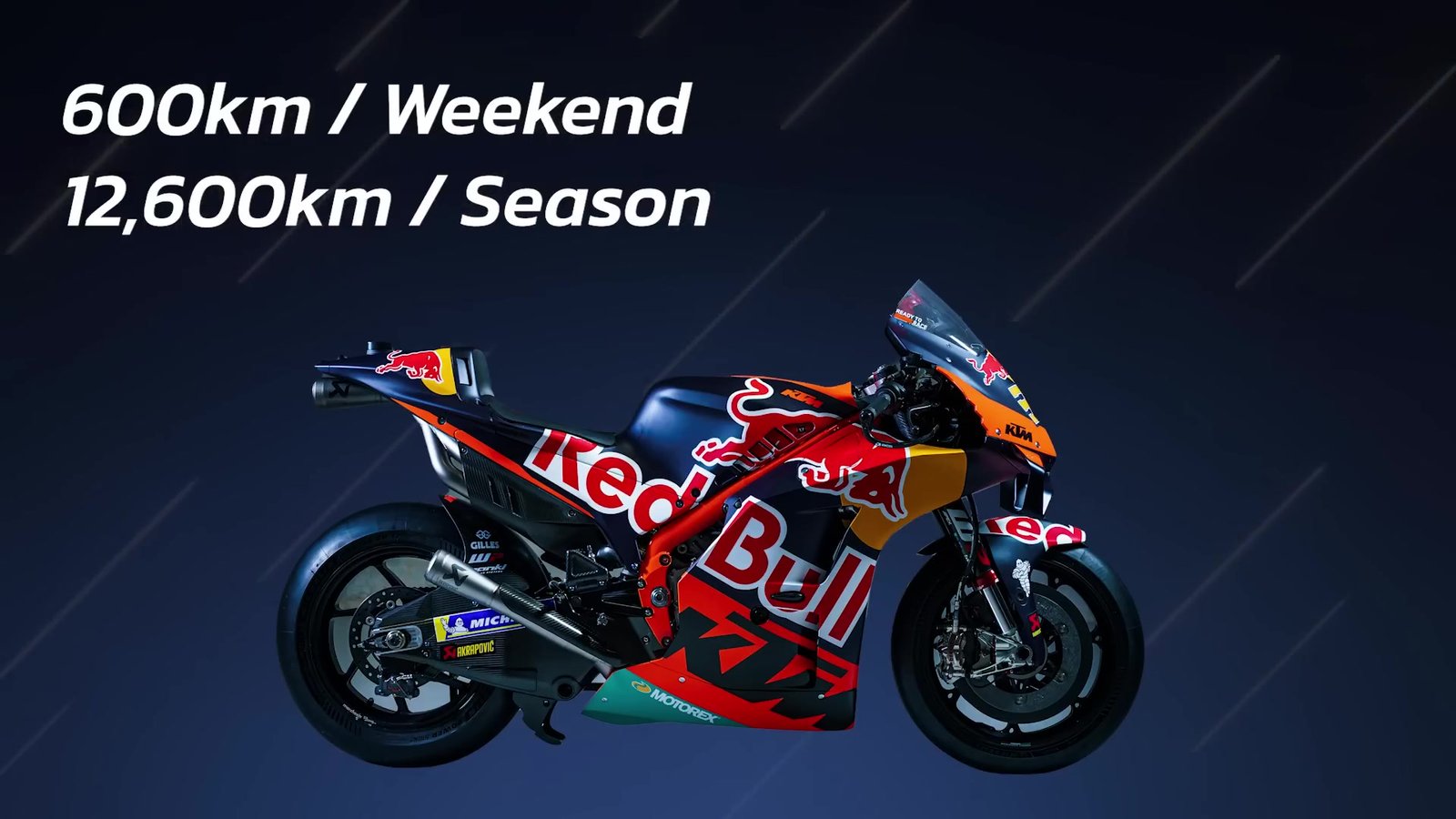
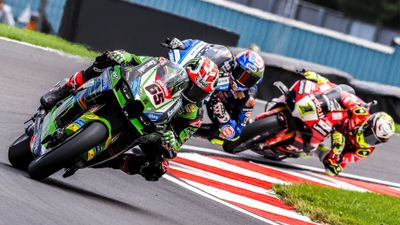
Let’s kick things off with the heart of Moto GP: the bikes! Now, don’t think you can just roll into a showroom, grab a bike, and hit the track. These machines are prototypes, built from the ground up specifically for racing. Each bike has to adhere to strict regulations to ensure competitive racing.
For instance, every engine must be a four-stroke and naturally aspirated, with a maximum engine size of 1,000 CC. Interestingly, most teams have switched to a V4 configuration, while Yamaha sticks with a traditional inline-four. There’s no limit on power; teams are free to design their engines for maximum speed.
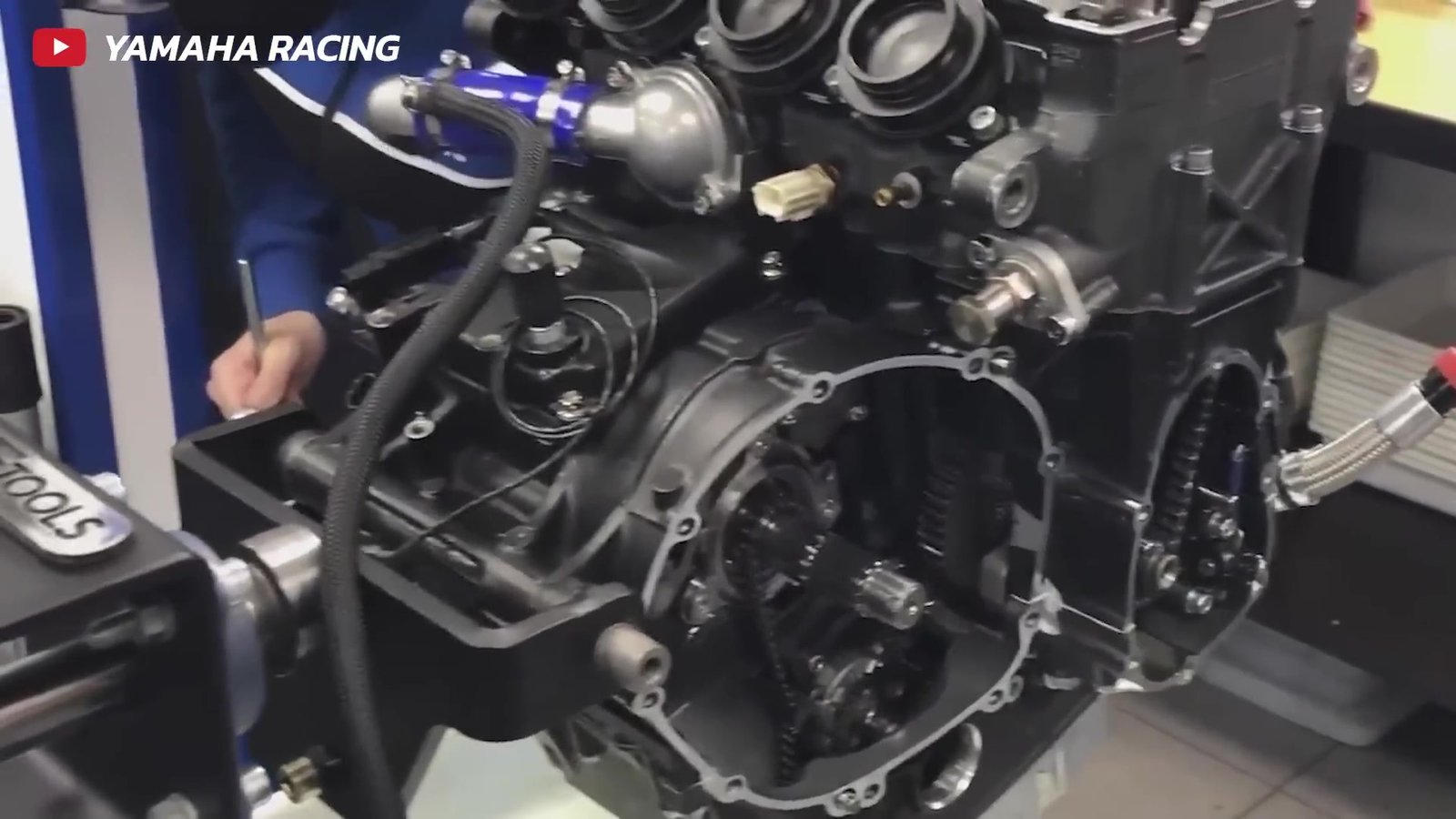
However, once a team declares their engine spec for the season, it’s set in stone. Both riders on a team must use the same engine, and each rider is limited to just seven engines for the entire season. This presents a significant engineering challenge, as they need durability and performance over approximately 12,600 km a season!
Now that we’ve covered the bikes, let’s talk about another crucial element: the tires. Moto GP has an official tire supplier, Michelin, which provides tires for all teams. Michelin pre-determines the tire compounds for each season, allowing teams to plan their strategies based on different weather conditions and track surfaces.
Each team can choose from a selection of 22 slick tires – 10 fronts and 12 rears – tailored for the race weekend. They can select from hard, medium, and soft compounds, with specific limits on how many of each they can use. And if the weather turns, there are wet tire allocations too!
As the sport evolves, teams are increasingly focusing on aerodynamics. Winglets and arrow packages are added to improve grip and performance. There are strict regulations on how much these components can protrude and how many can be added, ensuring fair competition.
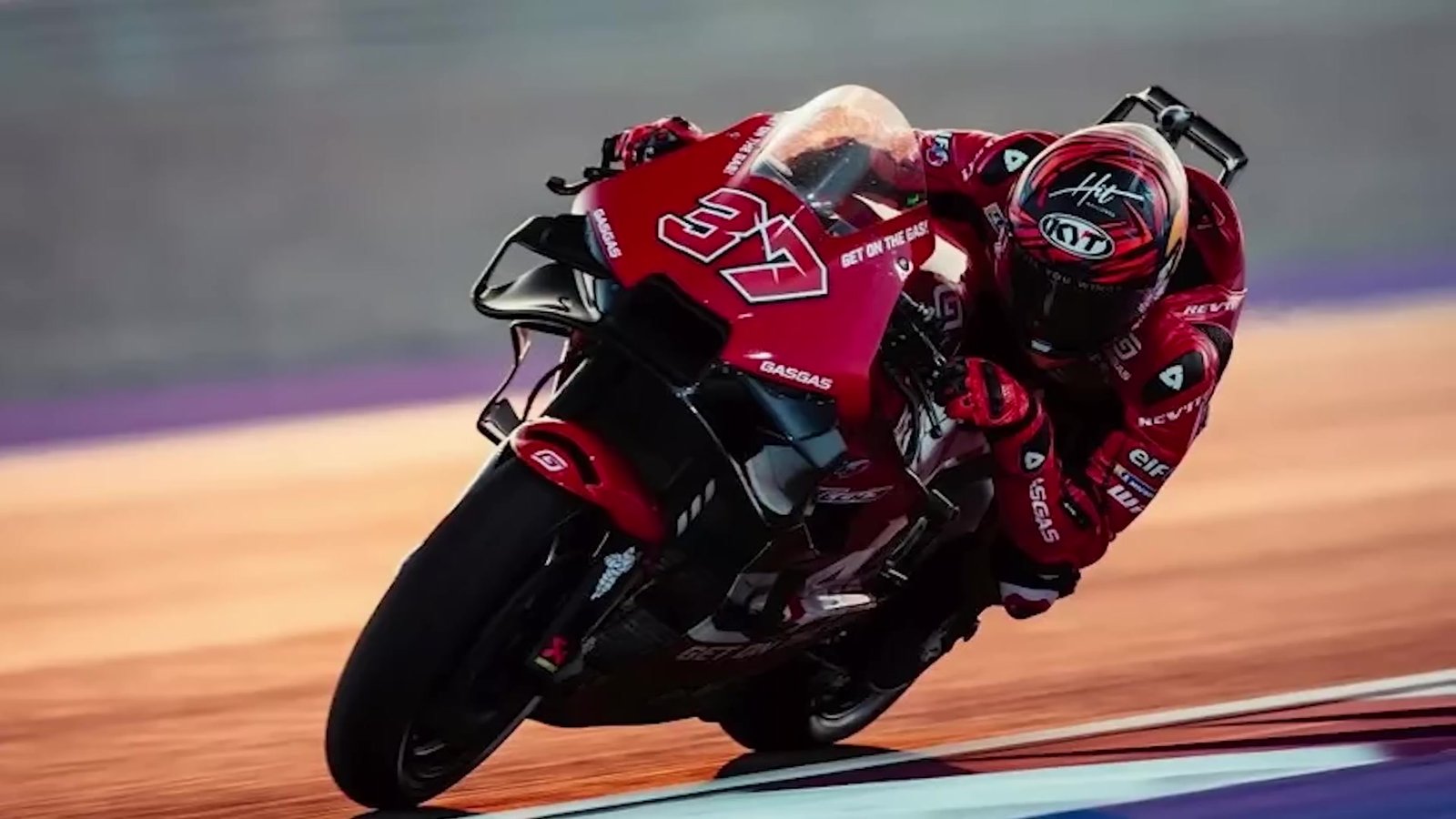
On the electronic side, all teams use standardized components supplied by Moto GP. This includes the ECU and IMU, which ensures that the playing field remains level when it comes to tech.
Safety is paramount in Moto GP. Every piece of safety gear, from suits to helmets, must meet strict homologation standards. Riders wear bespoke gear tailored to their specific needs, ensuring a snug fit that provides protection in case of a crash. This attention to safety is why riders often walk away from seemingly devastating crashes with minimal injuries.
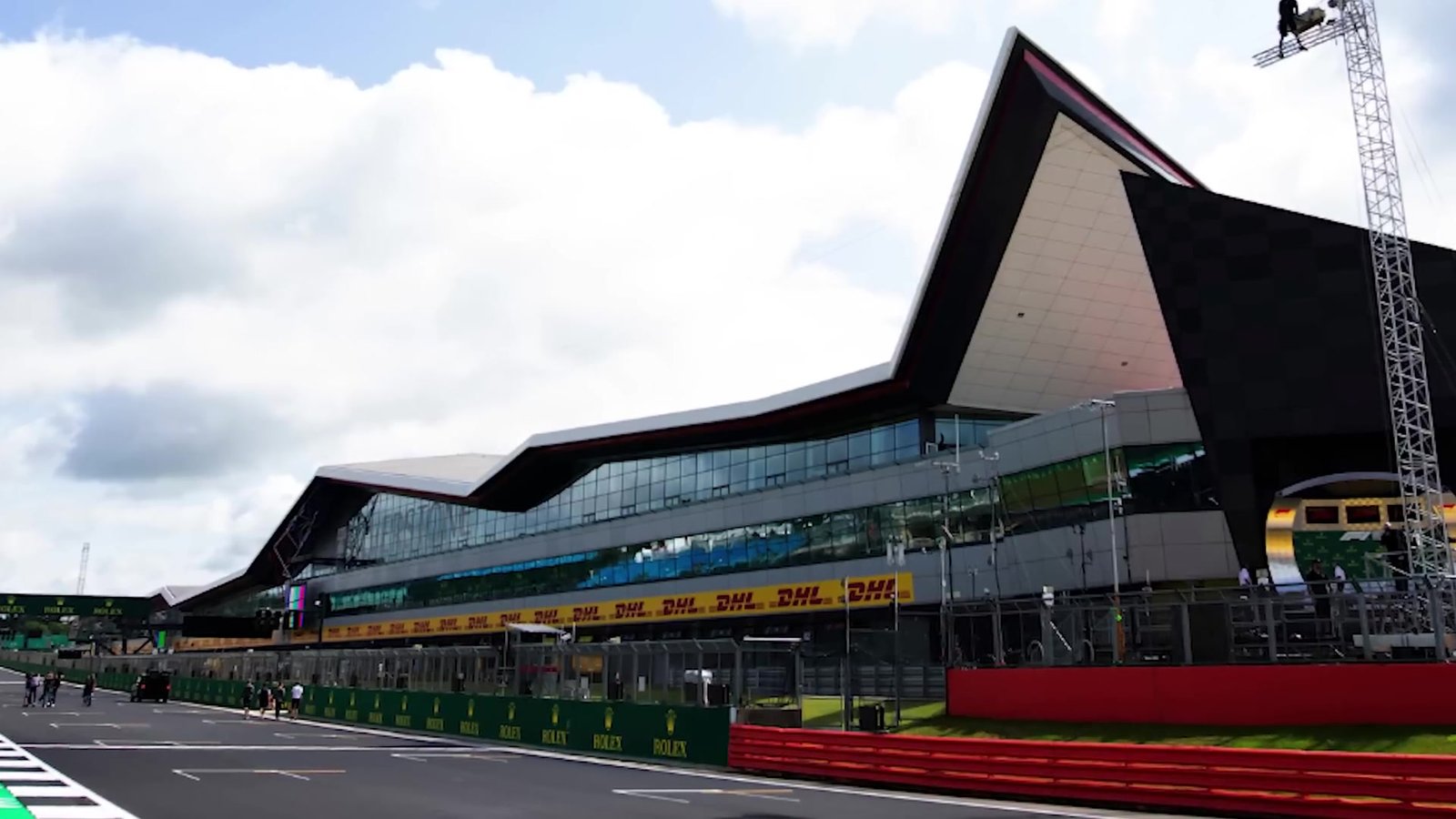
So, what happens during a race weekend? It’s packed with action and preparation! Each weekend consists of practice sessions, qualifying, and the races themselves.
Practice
Practice kicks off on Friday, featuring two sessions. The first is a 45-minute open practice, allowing teams to fine-tune bike setups. The second session is timed and determines qualifying placements.
Qualifying
On Saturday, qualifying is divided into two sessions: Q1 and Q2. The top 10 riders from the previous practice automatically move to Q2. Those outside the top 10 battle it out in Q1 for a chance to join Q2.
The Thrill of the Moto GP Race
Sprint Race
After qualifying, there’s a sprint race on Saturday afternoon. This race is half the distance of the main event, awarding half points. It’s a thrilling precursor to Sunday’s main race!
Main Race
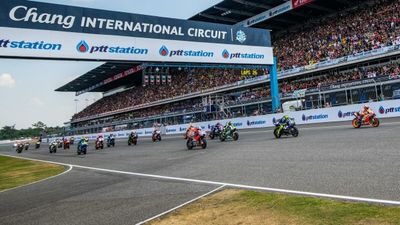
Sunday is the big day! Riders get one last warm-up session before the feature race, which offers full points. If weather conditions change, teams can switch to bikes set up for wet conditions. There’s even the option for wildcard entries, allowing additional riders to compete and gain valuable experience.
Now, let’s talk about the elephant in the room: the costs. Running a Moto GP team is no small feat financially. While there’s no strict budget, it’s estimated that a competitive bike can cost around $2 million per rider each season. This doesn’t account for crashes, which can significantly increase expenses.
Overall, running a team can easily surpass $30 million annually. To balance the playing field, Moto GP has a concession system that allows less competitive teams more testing opportunities and benefits, helping to level the competition.
And there you have it! You’re now well-versed in the exciting world of Moto GP. From the intricate details of the bikes to the structure of race weekends and the costs involved, you’re ready to enjoy the sport like a true fan. Keep your passion alive, and don’t hesitate to dive deeper into the thrilling aspects of motorcycle racing. Happy watching!
Related Resources
- Moto GP Official Site - For official news and updates on Moto GP
- Motorcycle News - For the latest in motorcycle news and reviews