The King Returns: Ducati Unveils the 2027 Panigale V4 R
There are motorcycle reveals, and then there are moments that reshape what we believe is possible on two wheels. Ducati's official unveiling of the 2027 Panigale V4 R falls firmly into the latter category. After months of teaser images, leaked homologation documents, and breathless speculation from the superbike community, Bologna's finest has finally shown its hand — and the result is nothing short of extraordinary.
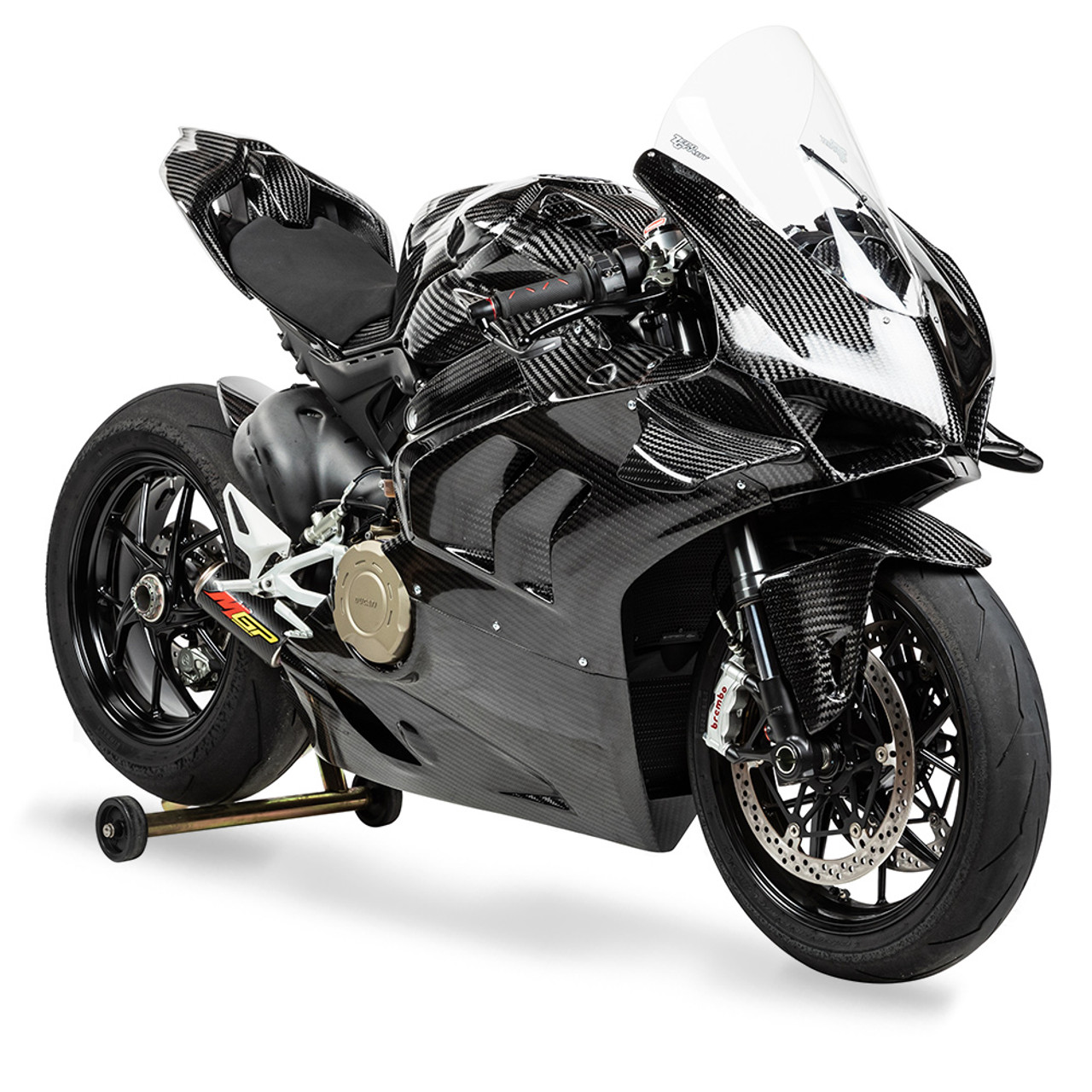
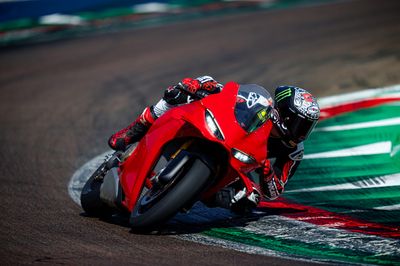
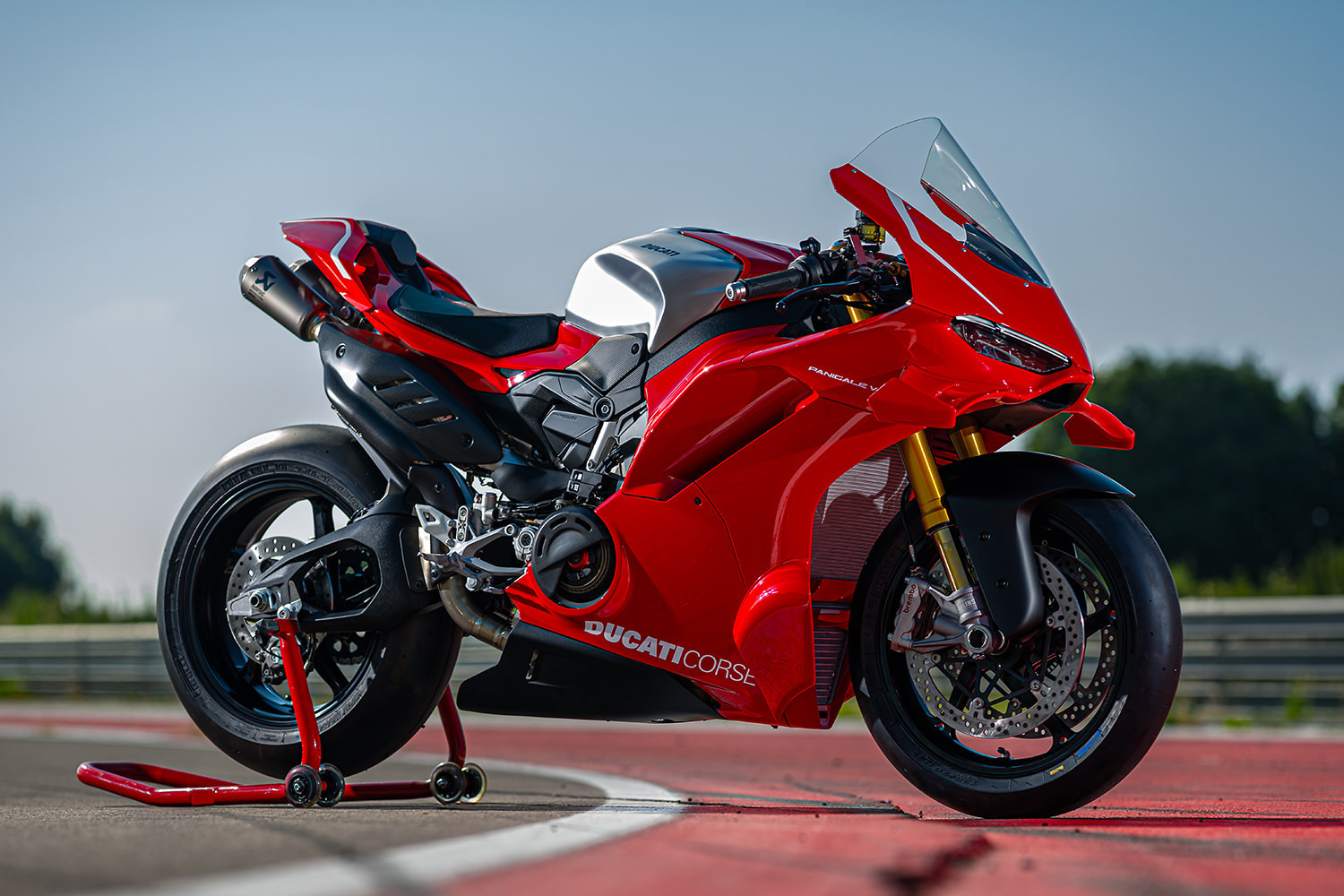
The 2027 Panigale V4 R isn't just an evolution of its predecessor. It's a ground-up reimagining of what a homologation-special superbike can be, built with one primary objective: to win. Whether that's at Phillip Island, Magny-Cours, or your local track day, Ducati has engineered this machine to be the fastest, most capable version of the Panigale formula yet delivered to the public.
A Leaner, Meaner Machine: Weight Reduction Done Right
One of the most headline-grabbing achievements of the 2027 Panigale V4 R is its aggressive weight reduction program. Ducati's engineers have managed to shed a significant amount of mass compared to the outgoing model, bringing the dry weight down to a class-leading figure that puts it in direct competition with — and in many areas ahead of — its rivals from Aprilia, BMW, and Honda.
The weight savings come from multiple directions simultaneously. The frame has been redesigned using a new aluminium alloy developed in partnership with Ducati's Corse racing division. The front subframe, swingarm, and wheel hubs have all been machined with greater precision and material optimization in mind. Even the exhaust system — now routing beneath the engine in a more compact titanium configuration — contributes meaningful grams to the overall diet.
- New aluminium alloy frame saving approximately 800 grams over the previous generation
- Titanium underbelly exhaust system replacing the previous side-exit configuration
- Revised magnesium wheel hubs reducing unsprung weight
- Carbon fibre bodywork as standard across all V4 R variants
- Lighter lithium-ion battery unit as standard fitment
The cumulative effect is a motorcycle that feels genuinely nimble in a way that even seasoned Panigale riders will notice from the very first corner entry. Ducati claims the reduction in unsprung weight alone improves turn-in response by a measurable margin, a claim we fully intend to verify when we get saddle time later this year.
The Engine: Desmosedici Stradale R Evolved
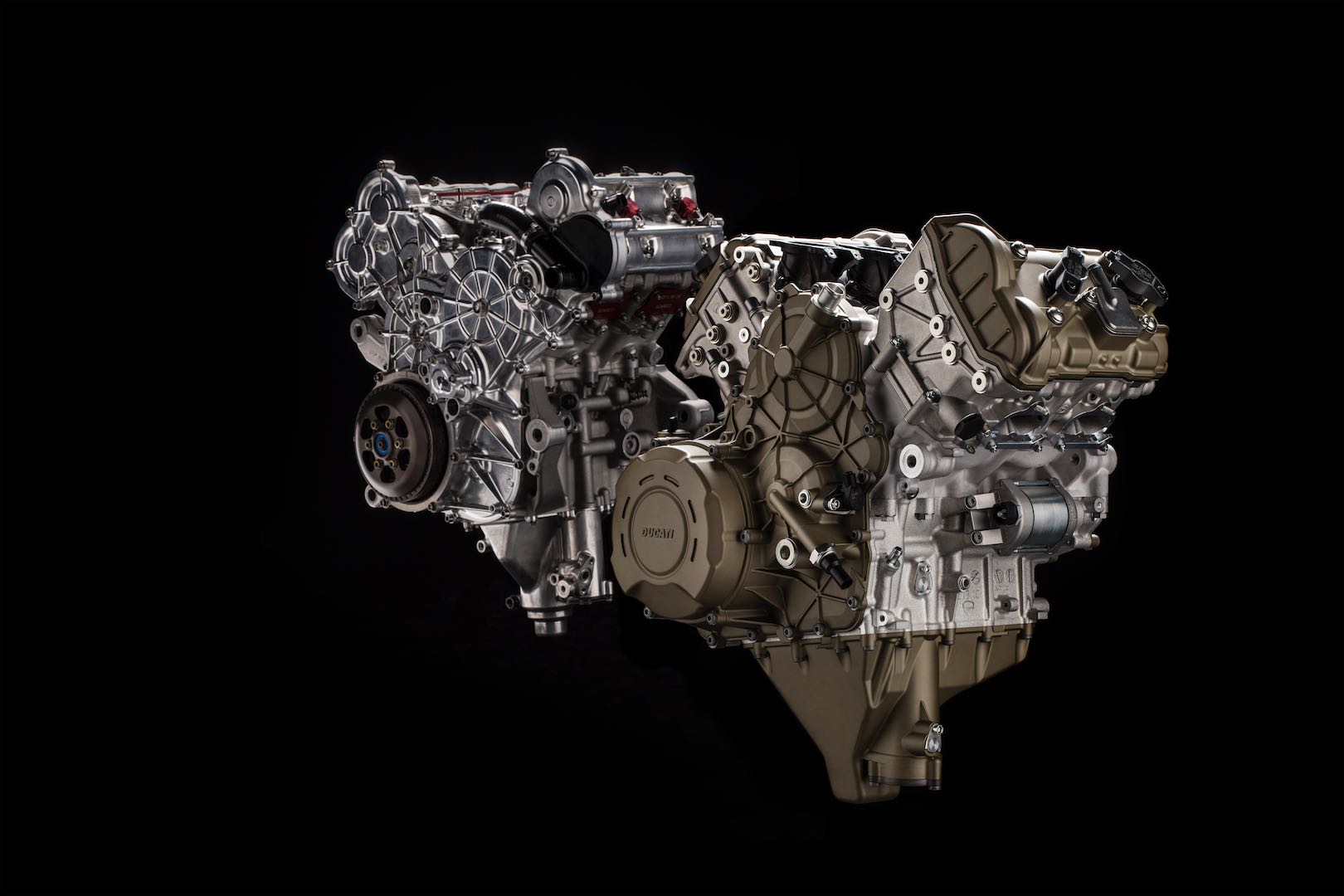
At the heart of the 2027 Panigale V4 R sits an evolved version of the legendary Desmosedici Stradale R engine — the closest thing to a MotoGP powerplant that any manufacturer has ever put into a road-legal motorcycle. For 2027, Ducati has revisited nearly every component in the pursuit of additional power, broader torque delivery, and improved thermal efficiency.
The 998cc V4 engine now breathes through redesigned intake trumpets with variable geometry, a system borrowed directly from the factory Lenovo Ducati MotoGP programme. The desmodromic valve actuation system has been refined with tighter tolerances and revised cam profiles, allowing the engine to safely rev beyond 16,500 rpm in race trim. Ducati is quoting a headline figure north of 240 horsepower in homologation specification, with race kit components pushing that figure considerably higher for WorldSBK-eligible builds.
Equally important is the work done on driveability. The 2027 V4 R features a completely revised fuelling strategy and an updated version of Ducati's six-axis inertial measurement unit, feeding data to an expanded electronics suite that includes enhanced corner-by-corner power delivery mapping. Riding modes have been restructured to offer more granular control, with a dedicated track mode that gives experienced riders the ability to run minimal electronic intervention without sacrificing the safety net of the lean-angle sensitive ABS system.
Aerodynamics: Where MotoGP Meets the Road
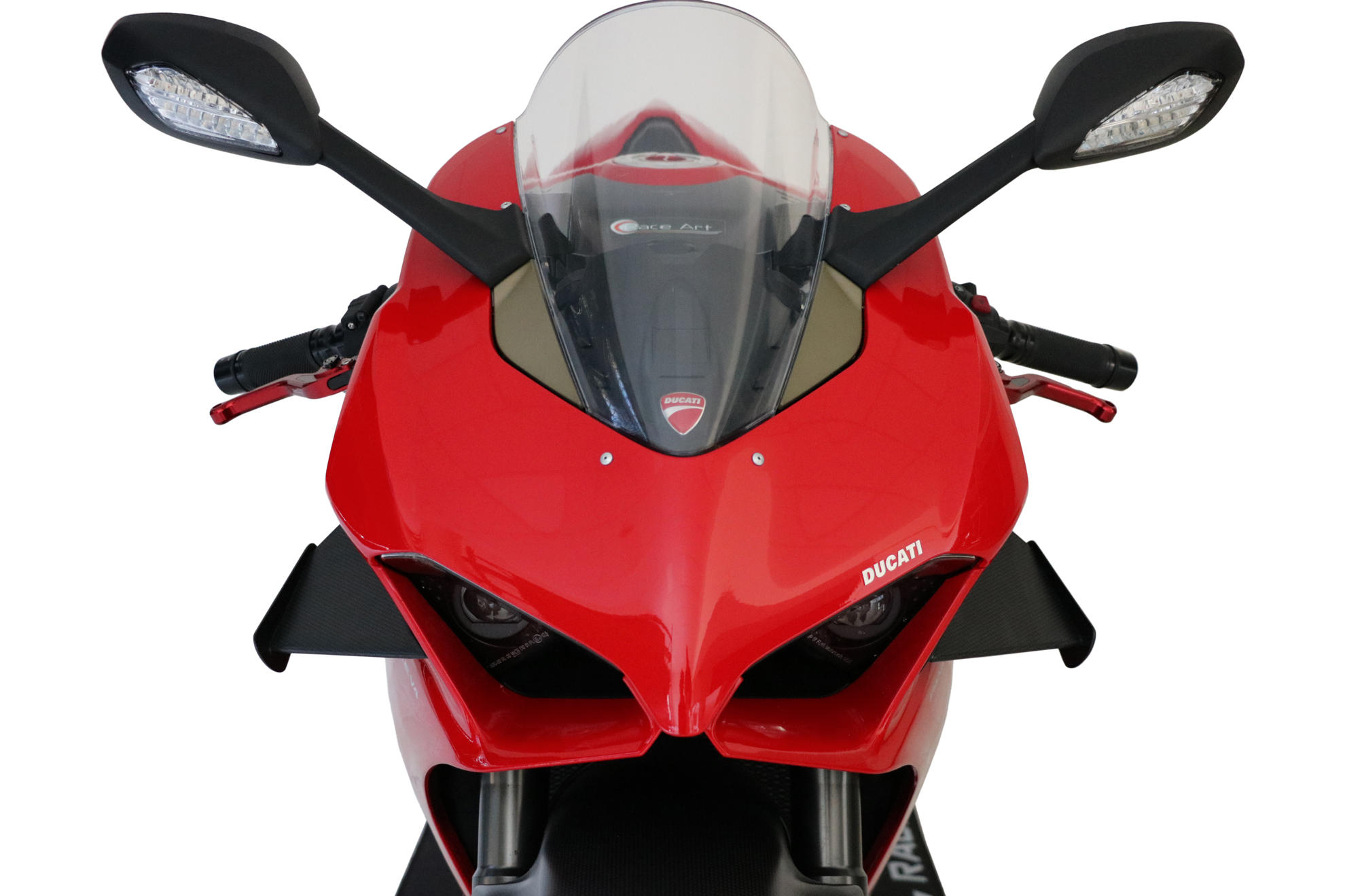
Perhaps the most visually striking aspect of the 2027 Panigale V4 R is its aerodynamic bodywork. Ducati has taken everything learned from years of MotoGP winglet development and applied it — with appropriate road-legal modifications — to the production machine. The new full fairing features an integrated front wing assembly that generates significantly more downforce than the outgoing model, improving high-speed stability without adding appreciable drag at lower speeds.
The aerodynamic package also includes a revised tail section that works in concert with the front wings to balance the downforce distribution between both axles. Ducati's engineers spent hundreds of hours in computational fluid dynamics simulation and wind tunnel testing to arrive at the final configuration, and the numbers reflect that investment. The 2027 V4 R generates measurably more downforce at 200 km/h than its predecessor, a figure that translates directly to greater confidence and corner speed on fast circuits.
Key Aerodynamic Improvements
- Redesigned front winglet assembly generating increased downforce at track speeds
- Revised tail section for balanced front-to-rear aerodynamic distribution
- New ram-air intake system improving engine breathing at high speed
- Streamlined fairing reducing aerodynamic drag at lower speed ranges
Suspension, Brakes, and Chassis Dynamics
The 2027 Panigale V4 R arrives equipped with fully adjustable Öhlins NPX 25/30 forks and an Öhlins TTX36 rear shock as standard, with electronic semi-active damping controlled by the updated Ducati Electronics Package. The braking system is provided by Brembo, featuring the latest Stylema R callipers paired with 330mm discs at the front. The package is rounded out by Pirelli Diablo Supercorsa SP tyres as the road-legal fitment, with full slick compatibility for track use.
Ducati has also revised the steering geometry for 2027, tightening the rake and trail figures to deliver sharper initial turn-in while maintaining the stability that riders have come to expect from the Panigale platform at high speed. Combined with the lighter chassis and revised suspension kinematics, the result is a motorcycle that should feel more responsive and communicative than any previous V4 R.
Who Is the 2027 Panigale V4 R For?
Let's be honest: the Panigale V4 R has always existed in a rarefied space. It's a machine built primarily to satisfy homologation requirements for World Superbike racing, which means it exists at the absolute intersection of road-legal machinery and prototype racing hardware. The buyers who will actually purchase the 2027 version fall into a fairly specific bracket: dedicated track day enthusiasts, club racers, WorldSBK competitors, and collectors who understand they're acquiring a piece of motorcycling history.
That said, Ducati has made tangible efforts to ensure the 2027 V4 R remains usable in a road context. The electronics suite, while sophisticated, is intuitive enough for competent riders to navigate. The riding position, while aggressive, is no more extreme than its predecessor. And the engine, while ferociously powerful, has enough tractability in its lower modes to make real-world riding a rewarding rather than terrifying experience.
Final Thoughts: A New Benchmark Is Set
The 2027 Ducati Panigale V4 R is precisely what it needed to be: bolder, faster, lighter, and more technologically advanced than anything that has come before it bearing the Panigale name. It represents the very best that Ducati's engineers can produce when given the mandate to push every boundary, and it sets a new standard against which every other superbike in the class will inevitably be measured. Pricing and availability details are expected to be confirmed in the coming months ahead of a limited production run. One thing is already certain — demand will far exceed supply.