Kawasaki Makes It Official: The 2028 Versys 1000 S Is Getting a Major Refresh
After months of speculation, leaked patent filings, and whispers from dealer networks across Europe and Asia, Kawasaki has officially lifted the curtain on the 2028 Versys 1000 S. The Japanese manufacturer confirmed the overhaul through a formal press release issued from its global headquarters in Akashi, Japan, outlining a suite of meaningful upgrades designed to bring the beloved adventure-tourer firmly into the latter half of the decade. The global launch is confirmed for the first quarter of 2028, with European deliveries expected from February and North American markets to follow in March.
The Versys 1000 S has long held a loyal following among riders who prize its balance of sporty performance and long-distance touring comfort. Since its significant 2019 redesign and subsequent refinements, it has sat comfortably in the upper tier of the adventure-touring segment — a class that now includes fierce competition from the likes of Yamaha, BMW, and Ducati. Kawasaki clearly recognises that standing still is not an option, and the 2028 model reflects that ambition with upgrades that go well beyond a simple cosmetic refresh.
A Bigger, Smarter TFT Display
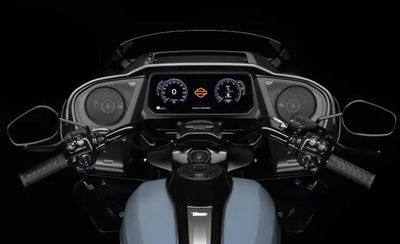
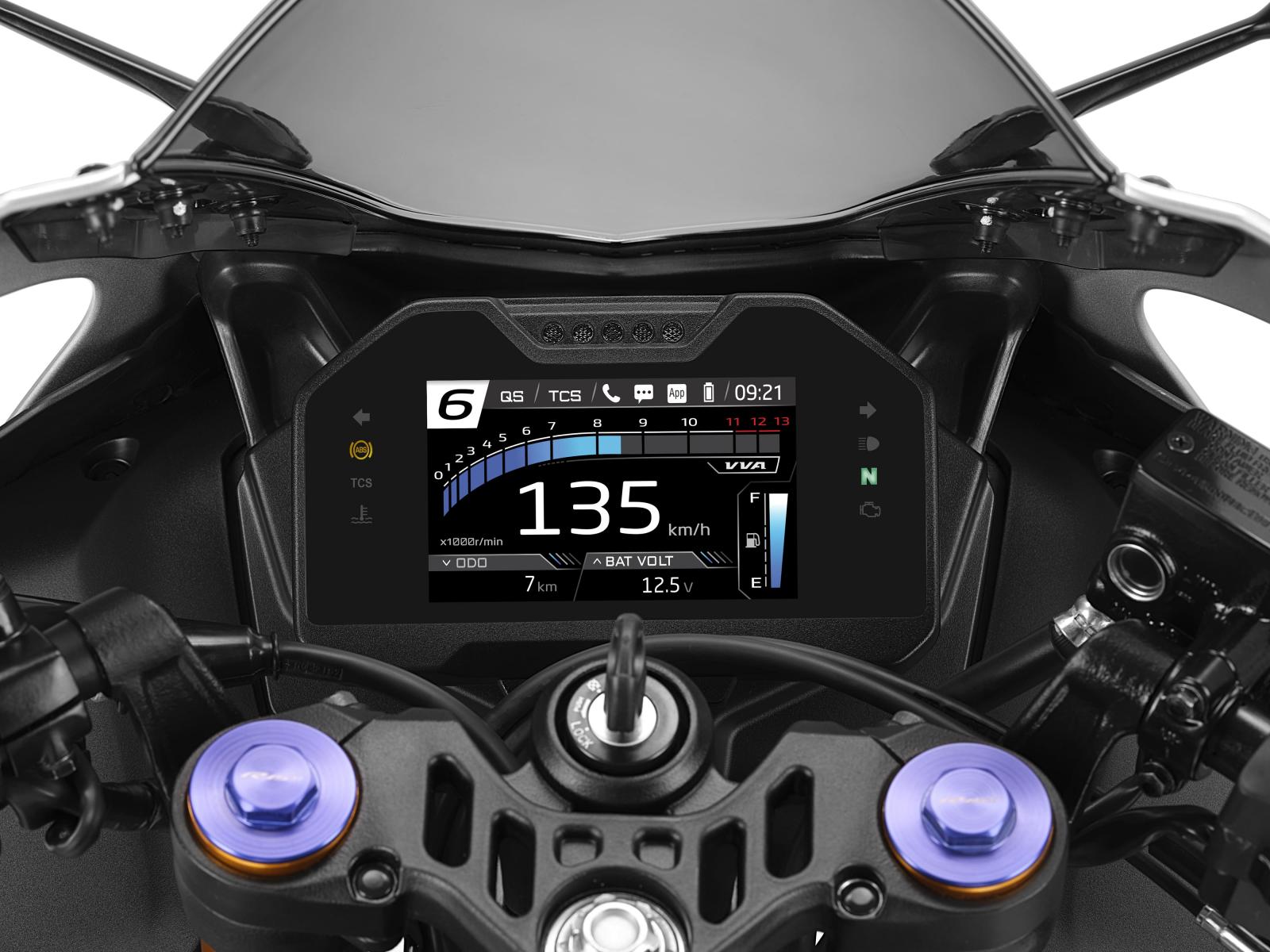
Perhaps the most immediately visible change is the new 6.5-inch full-colour TFT instrument cluster, a substantial step up from the 4.3-inch unit found on the current generation. Kawasaki has confirmed the new screen features improved daylight readability with anti-glare coating, a redesigned menu architecture for faster navigation, and native smartphone connectivity via Bluetooth with a dedicated Kawasaki Rideology companion app integration built directly into the display's operating system.

The screen supports multiple riding-mode-linked display themes, automatically adjusting the colour palette and information density depending on whether the rider has selected Sport, Road, Rain, or the manually configurable Rider mode. Turn-by-turn navigation prompts sourced from a paired smartphone will appear prominently on a dedicated section of the display, addressing one of the most consistent criticisms levelled at the outgoing model — that riders had to rely on cumbersome phone mounts or aftermarket solutions to achieve proper navigation functionality.
What the New Display Means for Long-Distance Riders
- Larger, clearer readout of speed, gear position, and fuel range at a glance
- Smartphone connectivity eliminates the need for third-party Bluetooth modules
- Navigation prompts reduce distraction compared to handlebar-mounted phone holders
- Ride data logging for fuel consumption and trip statistics over multiple journeys
Revised Suspension: More Adjustability, Better Compliance
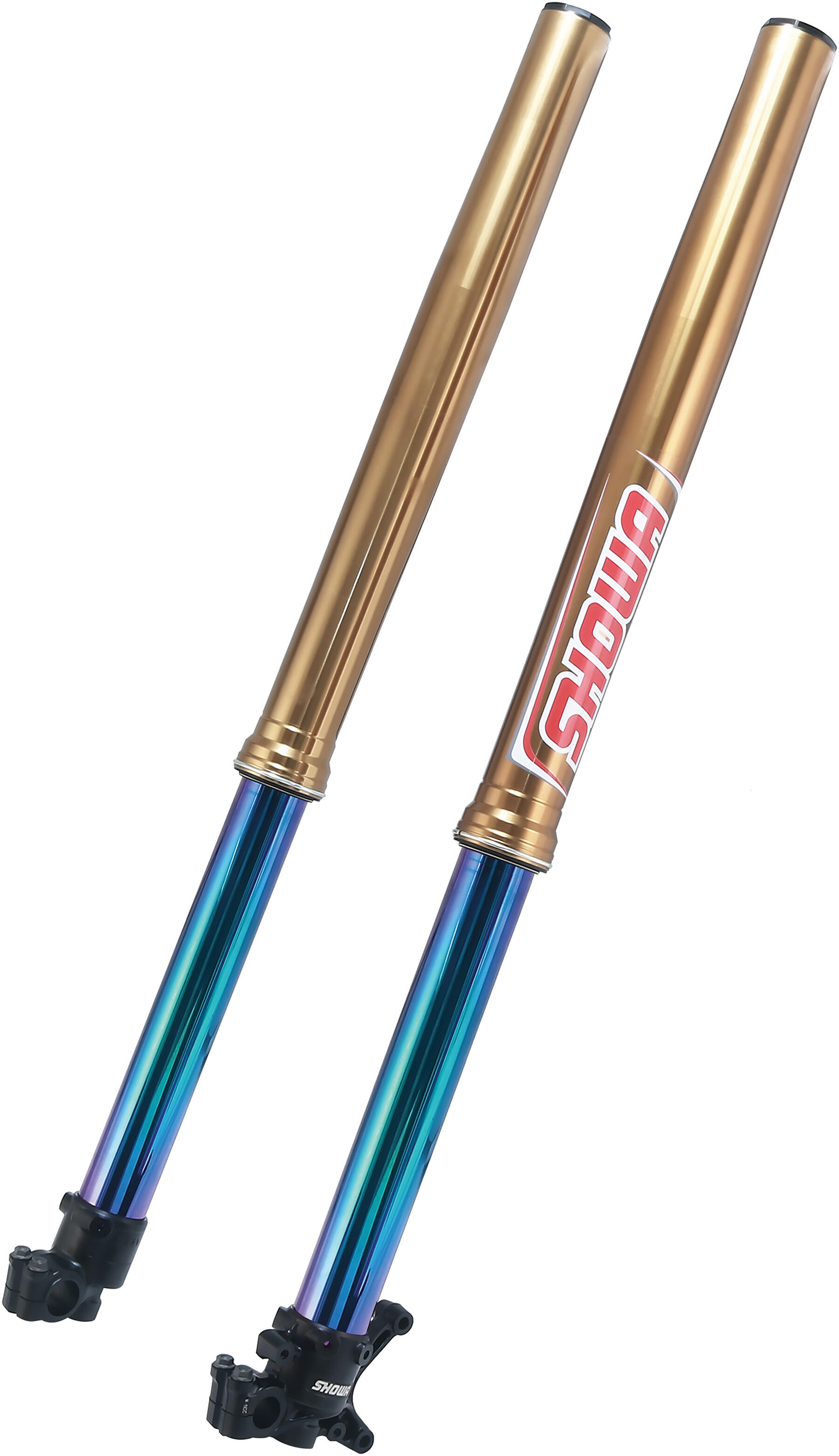
Kawasaki's engineers have taken the suspension package back to the drawing board for 2028. At the front, the 43mm Showa Separate Function fork has been replaced by a fully adjustable 43mm Showa Balance Free Fork (BFF), a unit already proven in Kawasaki's sportsbike lineup. This fork design separates the compression damping and spring functions into dedicated tubes, resulting in more consistent damping performance across a wider range of road conditions and riding speeds. Preload, rebound, and compression are all adjustable without tools using clearly marked dials — a welcome usability improvement.
At the rear, the Showa Balance Free Rear Cushion (BFRC) shock absorber replaces the previous unit, offering remote preload adjustment and separately adjustable compression and rebound damping. Kawasaki has also confirmed a revised linkage geometry that lowers the seat height by 10mm in the standard position, bringing it to 835mm — a small but potentially significant change for shorter riders who have historically found the Versys 1000 S just slightly out of reach for confident footing at standstills.
For riders who prefer a more hands-off approach, the semi-active suspension variant — previously offered on select markets — is expected to become a standard fitment on the 2028 S trim globally, using an updated KECS (Kawasaki Electronic Control Suspension) system with a revised algorithm that responds more quickly to road surface changes detected through the IMU.
Engine and Electronics: Refinement Over Revolution
Kawasaki has not announced any fundamental changes to the 1,043cc inline-four engine, which currently produces around 120PS and remains one of the smoothest, most tractable power units in its class. However, the brand has confirmed updated fuelling maps across all riding modes, aimed at improving throttle response at low to mid-range rpm — the zone where adventure-tourers spend the vast majority of their working lives on real roads.
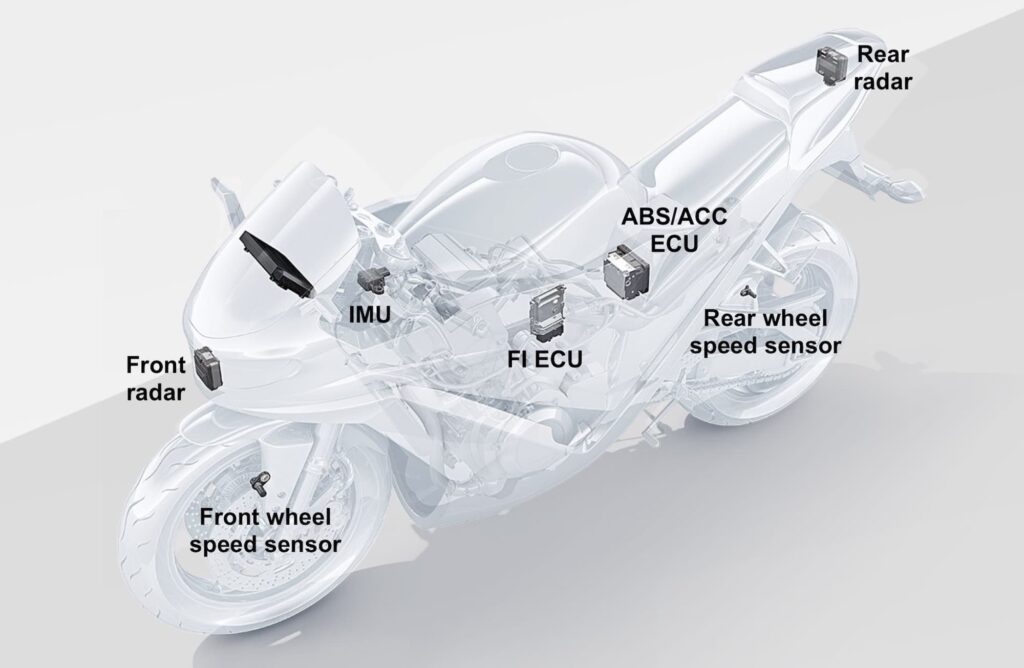
The electronics suite receives a meaningful update in the form of a new six-axis IMU replacing the previous three-axis unit. This expanded sensor capability enables more precise lean-angle-sensitive traction control, cornering ABS, and an updated version of Kawasaki's Intelligent anti-lock Brake System (KIBS). A new Cruise Control system with speed-gap hold — essentially a basic adaptive function that uses a radar sensor mounted below the headlight fairing — has been confirmed for select markets, subject to regulatory approval.
Full Electronics Package at a Glance
- Six-axis IMU for improved lean-sensitive intervention
- Updated KTRC (Kawasaki Traction Control) with four levels plus off
- Cornering ABS with front and rear brake bias adjustment
- Kawasaki Launch Control Mode (KLCM)
- Power Mode selection: Full, Middle, Low
- Cruise control with optional radar-assisted speed-gap hold (market dependent)
Styling and Ergonomic Updates
Visually, the 2028 Versys 1000 S adopts a more muscular front fairing treatment with a revised twin LED headlight cluster that draws clear design inspiration from Kawasaki's Z H2 naked bike. The windscreen mechanism has been updated to offer a wider range of manual adjustment — reportedly 80mm of height variation — and is now operable with one hand while riding, a feature frequently praised on rival machines from BMW and Yamaha.
The handlebar position and footpeg placement have been subtly revised following ergonomic feedback collated through Kawasaki's global owner surveys. The new bars are reportedly 15mm wider and 5mm higher, improving leverage and comfort on longer stints without compromising flickability in tighter riding environments.
Global Launch Timeline and Market Availability
Kawasaki has confirmed the following regional launch schedule for the 2028 Versys 1000 S: European markets from February 2028, North American markets from March 2028, Australian and New Zealand markets from April 2028, and Southeast Asian markets from mid-2028. Pricing has not yet been officially confirmed, though industry sources suggest a modest increase over the current model's pricing to reflect the additional technology content — particularly the semi-active suspension now included as standard.
Two colour options have been confirmed for the global launch: Metallic Matte Twilight Blue with Metallic Spark Black, and Pearl Blizzard White with Metallic Spark Black. Additional regional-exclusive colours are expected to be announced closer to the on-sale dates in individual markets.
The Bigger Picture: Why This Matters
The 2028 Versys 1000 S overhaul arrives at a pivotal moment for the segment. Adventure-touring buyers are increasingly sophisticated, demanding the kind of electronic intelligence and connectivity previously associated only with premium European brands, while still expecting the reliability and value that Japanese manufacturers have long delivered. With this update, Kawasaki is making a clear statement: the Versys 1000 S is not merely keeping pace with the competition — it is positioning itself as a genuine first-choice option for riders who want the full package without paying top-of-market prices.
Full specifications and confirmed pricing are expected to be released at the EICMA Milan motorcycle show later this year, where Kawasaki is expected to present the production-ready machine in person for the first time. Ride Insight will be on the ground at EICMA with full coverage as it happens.