MotoGP 2026: New Safety Regulations and Their Impact on the Championship
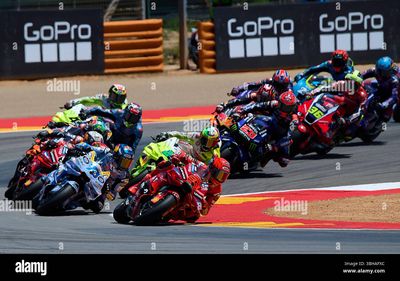
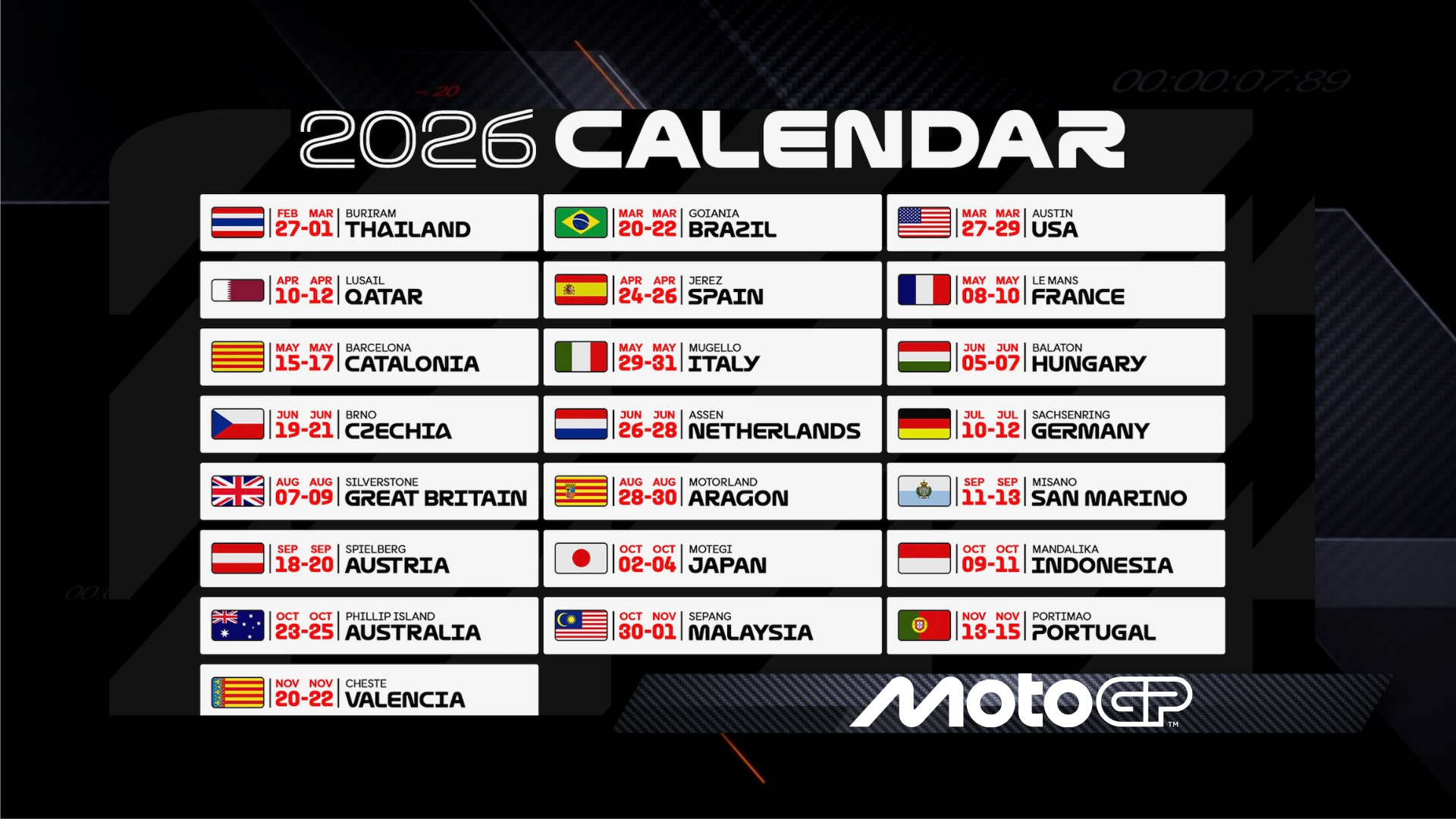
The world of MotoGP is renowned for its high-octane thrills and cutting-edge technology. As we look forward to the 2026 season, a suite of new safety regulations is poised to redefine the championship. These regulations not only aim to enhance rider safety but also promise to impact the competitive dynamics of the sport.
Overview of the New Safety Regulations
The Fédération Internationale de Motocyclisme (FIM) has announced several key changes for the 2026 season. These include improved helmet standards, mandatory airbag suits, and enhanced track safety measures. The focus is on minimizing the risk of injury while maintaining the integrity of racing.
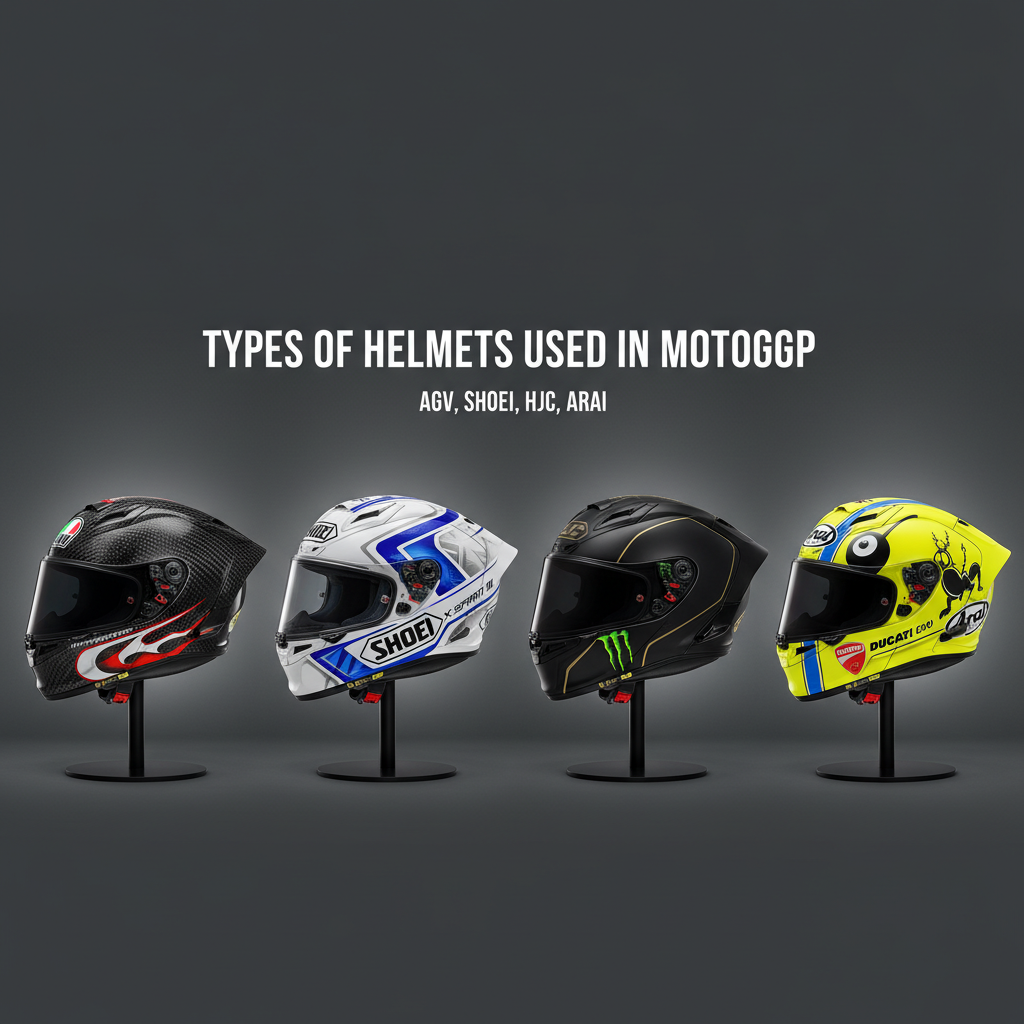
- Helmet Standards: New regulations require helmets to pass more rigorous impact tests, ensuring better protection against concussions and head injuries.
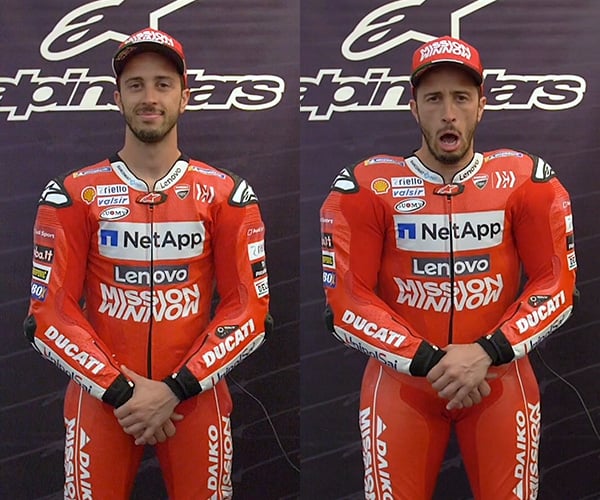
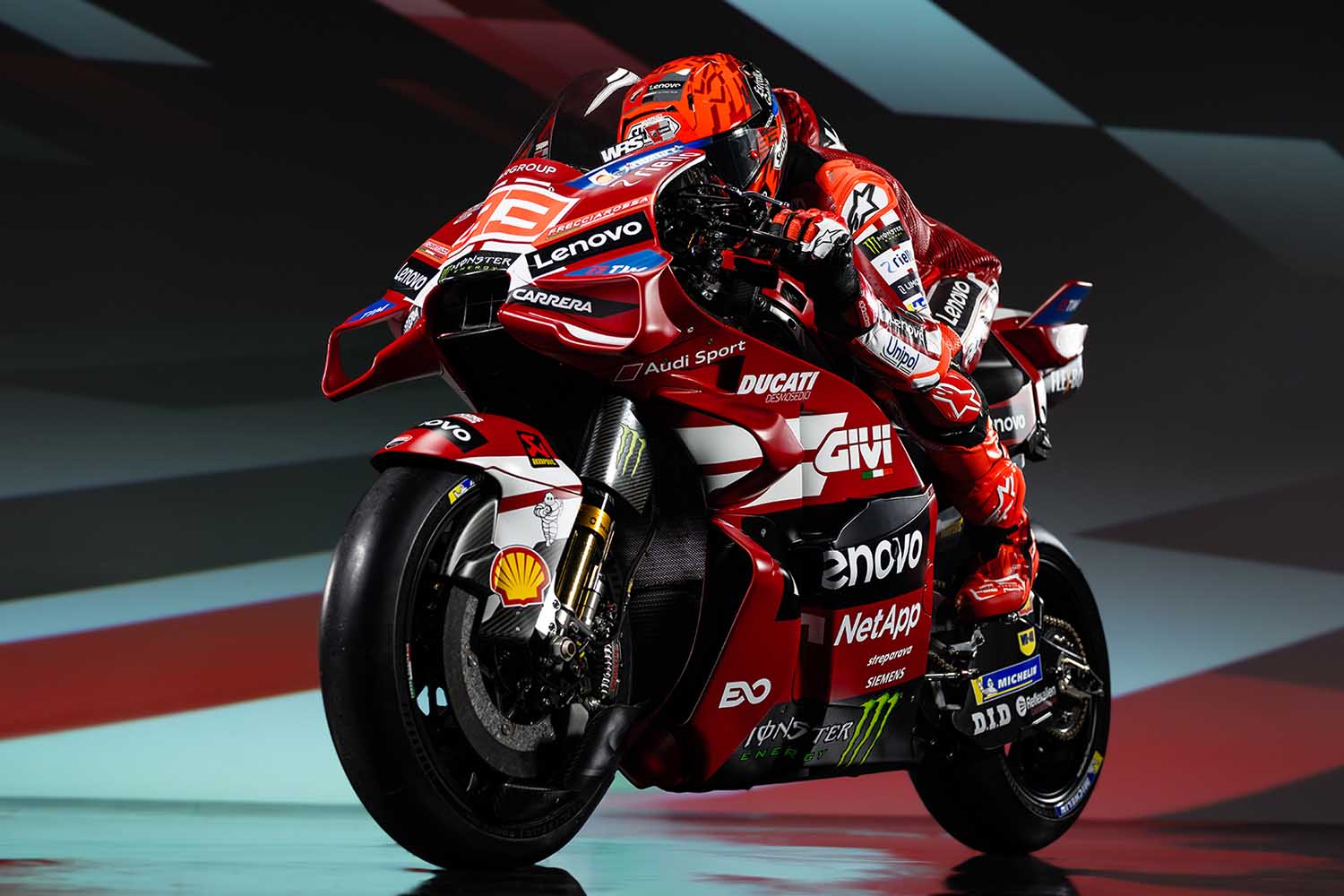
- Airbag Suits: All riders must now wear suits equipped with advanced airbag systems, which deploy in milliseconds during a crash to protect vital areas.
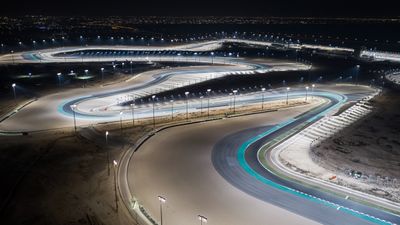
- Track Safety: Improvements include better runoff areas and more advanced barriers designed to absorb impact efficiently.
Impact on Teams and Riders
These regulations necessitate significant adjustments for teams and riders. Teams will need to invest in the latest safety gear, which could influence budget allocations. Riders, on the other hand, may face a learning curve adapting to new equipment, particularly the airbag suits, which alter the dynamics of riding and require acclimatization.
Moreover, the emphasis on safety could level the playing field. Smaller teams, often at a disadvantage due to budget constraints, might find themselves more competitive if safety becomes a greater equalizer in race outcomes.
Reactions from the MotoGP Community
The response from the MotoGP community has been mixed. While many applaud the FIM's commitment to safety, some purists argue that the changes could dilute the sport's raw appeal. However, leading riders like Marc Marquez and Fabio Quartararo have voiced their support, emphasizing that rider safety should always be paramount.
Looking Ahead: The Future of MotoGP
The 2026 safety regulations are just the beginning of a broader push towards a safer, more sustainable future for MotoGP. As technology advances, we can expect further innovations in safety gear and track design. This evolution will not only protect riders but also enhance the overall spectacle of the championship.
Ultimately, the success of these regulations will be measured by their ability to reduce injuries while preserving the thrilling essence of MotoGP. As fans, we can look forward to a season that promises both excitement and a renewed focus on the well-being of those who make the sport possible.