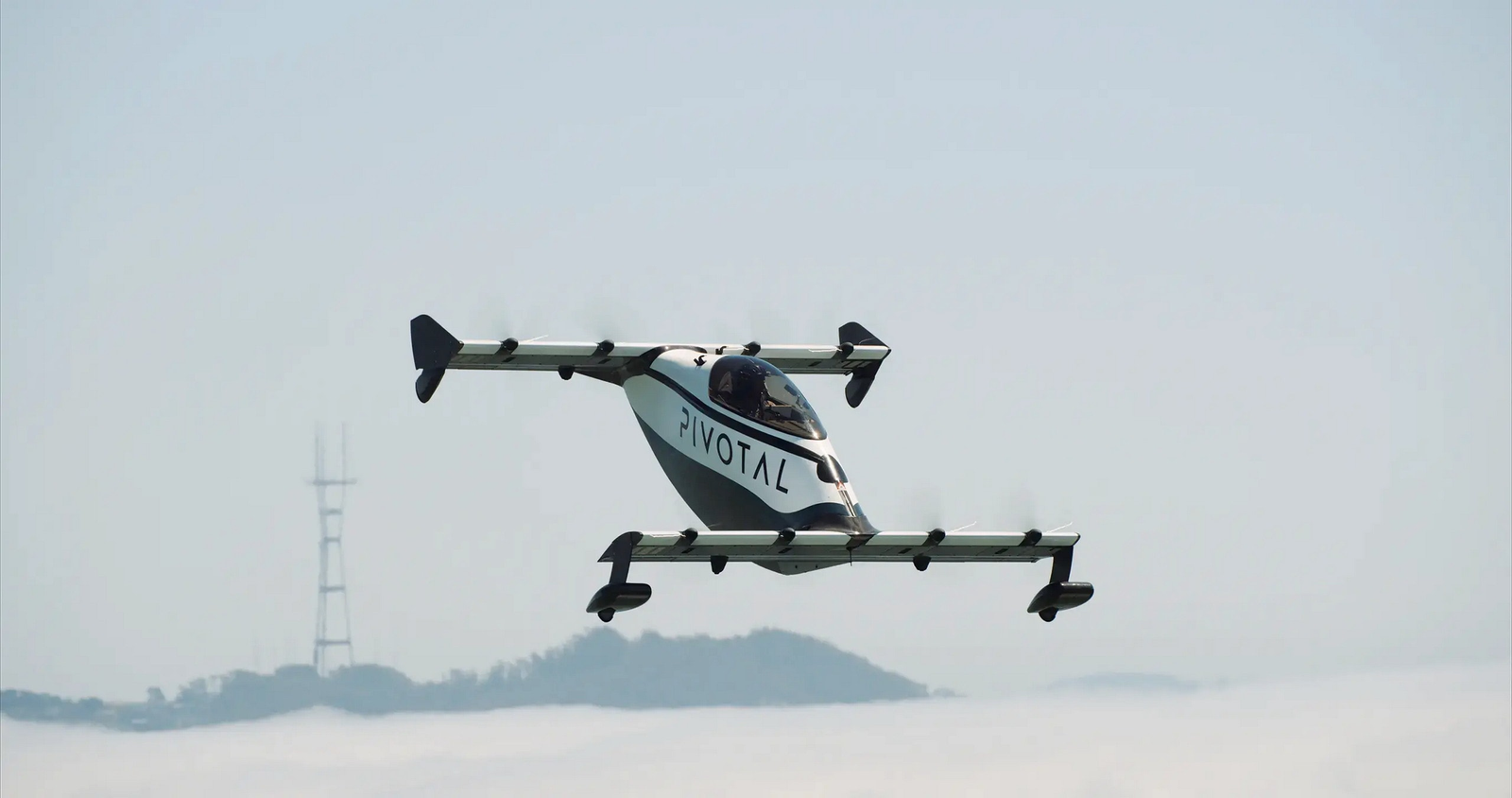
The aviation industry is on the brink of a revolution with the introduction of electric vertical takeoff and landing aircraft (eVTOL). At the forefront of this innovation is Pivotal, a company that has developed a unique single-seat eVTOL that is light enough to be classified as ultralight and does not require a pilot's license to operate. This blog post delves into the design, technology, and future implications of Pivotal's eVTOL aircraft.
Introduction to Pivotal's eVTOL
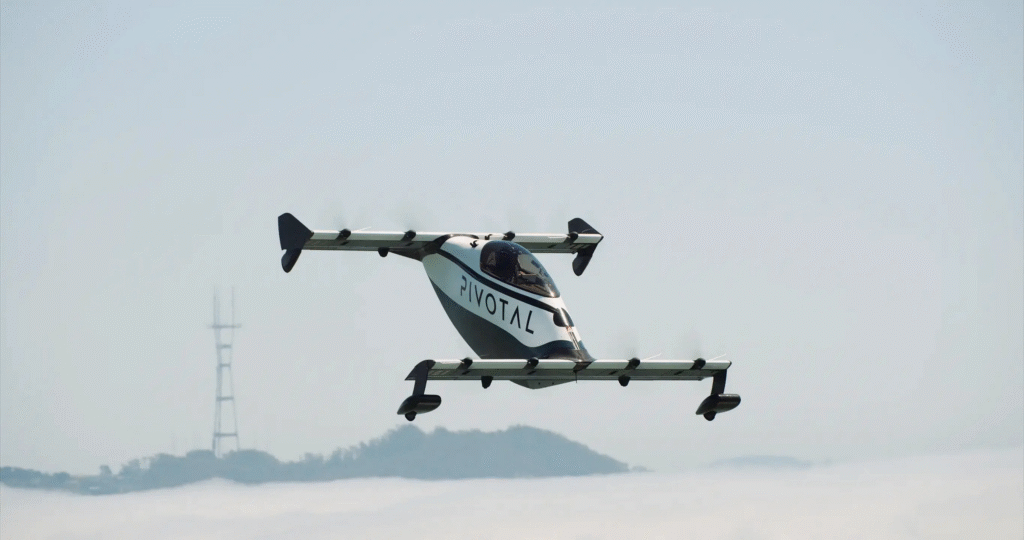
Pivotal's eVTOL stands out in the burgeoning market of electric aircraft with its compact one-seat design and ultralight classification. Weighing less than some motorcycles, it offers a unique solution for personal air travel. The design approach was intentional, allowing the company to avoid the extensive regulations that accompany traditional aircraft manufacturing. This flexibility enables rapid iteration and testing, a significant advantage in a fast-evolving industry.
Innovative Design and Technology
One of the critical differences between eVTOLs and traditional aircraft lies in their takeoff and landing mechanisms. While conventional aircraft rely on long runways to generate lift, eVTOLs use propellers to achieve vertical lift, akin to helicopters. However, unlike helicopters, Pivotal's eVTOL is equipped with eight propellers, ensuring redundancy and safety even if one fails.
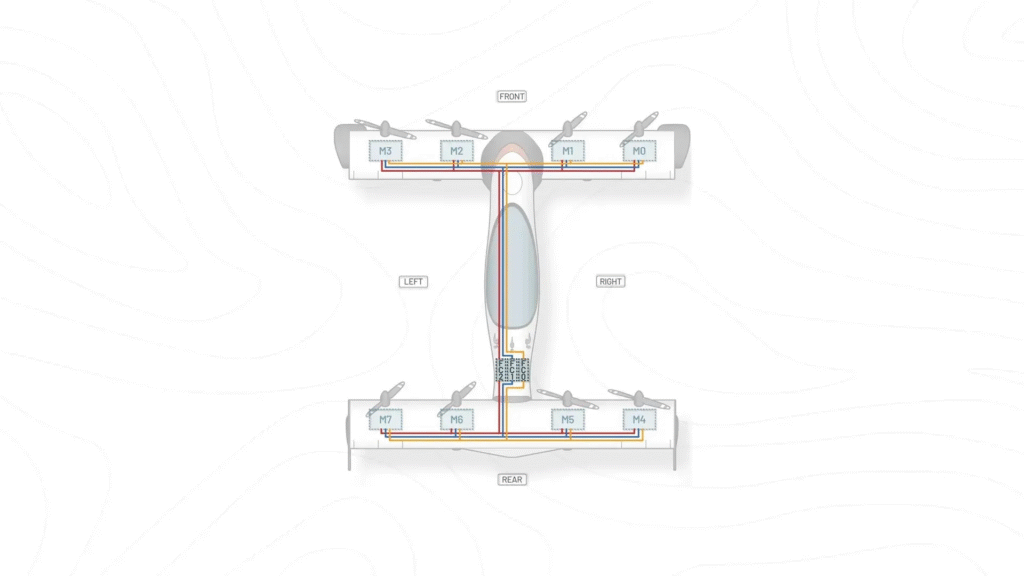
Moreover, the eVTOL is powered by eight large batteries, eliminating the complexities and maintenance associated with traditional engines. This electric propulsion system not only reduces the number of moving parts but also enhances reliability and reduces maintenance costs. The design philosophy focuses on simplicity, with fewer components than most eVTOLs, reducing weight and increasing efficiency.
Control and Navigation Systems
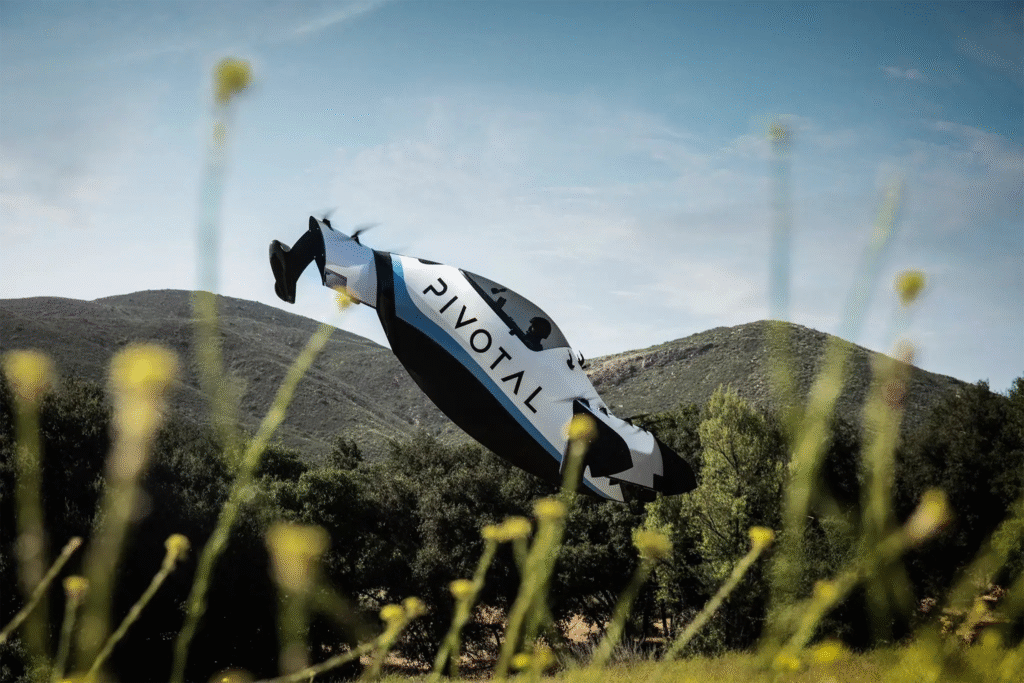
Pivotal's eVTOL features an advanced control system with 12 control surfaces, including eight propellers and four elevons, providing precise control over pitch, roll, and altitude. The entire aircraft tilts to fly forward, a feature that replaces the need for separate components for vertical and horizontal flight. This innovative approach allows for seamless transition between takeoff, cruising, and landing modes.
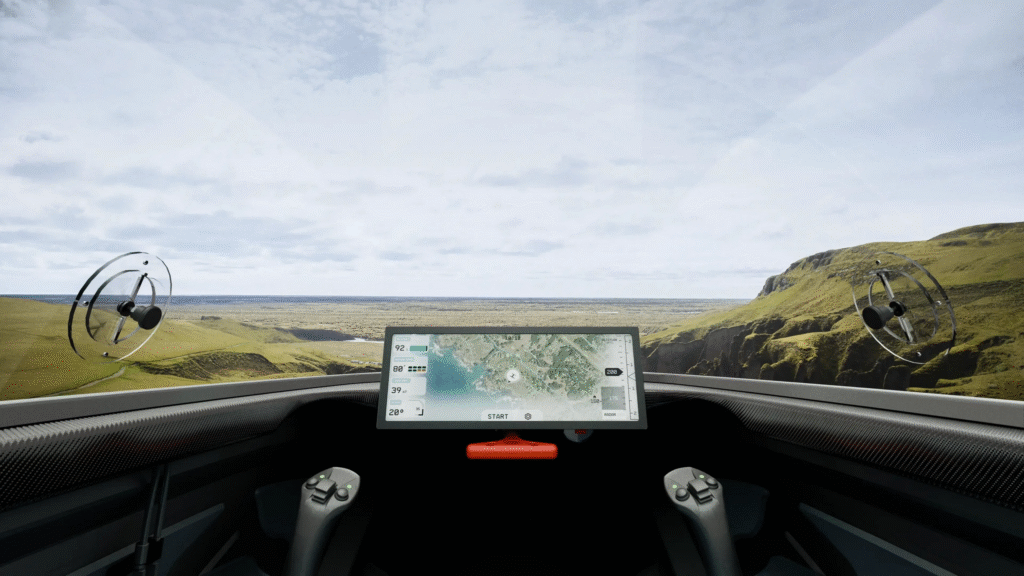
The pilot's role is significantly simplified, relying on a joystick and thumb stick for basic maneuvers while the onboard software handles complex tasks. The aircraft is equipped with multiple sensors, including GPS and flight controllers, that provide real-time data to maintain stability and position, even in adverse weather conditions. This semi-autonomous capability makes flying accessible to individuals with minimal training.
Training and Accessibility
Prospective pilots undergo a two-week training program provided by Pivotal, which includes simulator sessions to acclimate to the aircraft's controls. This training is crucial as it prepares individuals without prior flying experience to confidently operate the eVTOL. The training focuses on understanding the aircraft's systems and managing any potential motion sickness that might arise during flight.
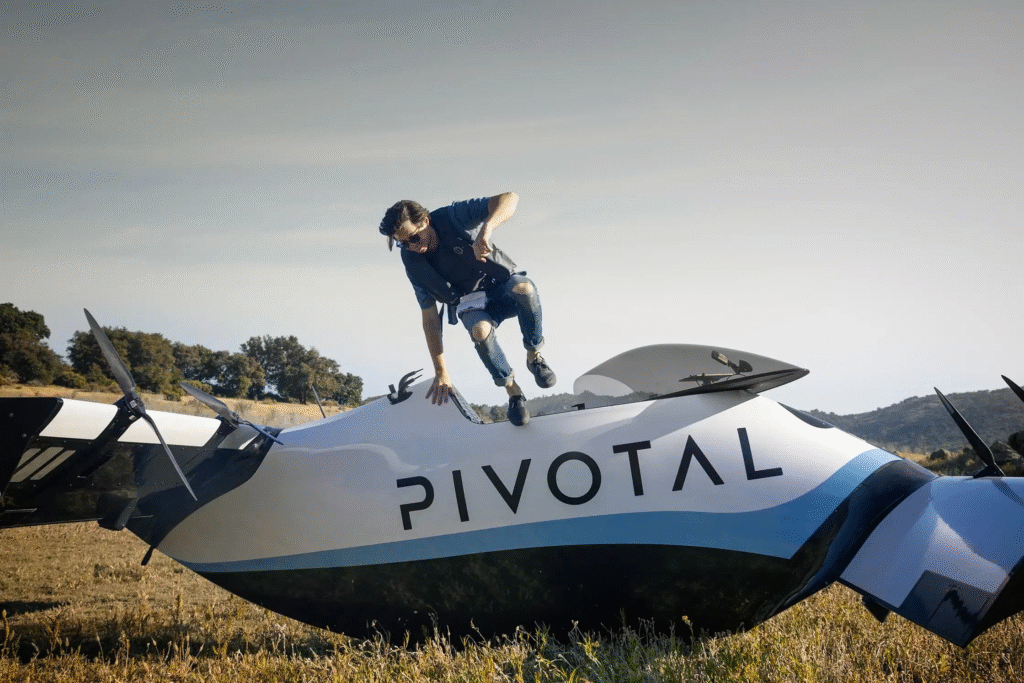
The accessibility of Pivotal's eVTOL is further enhanced by its classification as an ultralight aircraft, exempting it from the need for a traditional pilot's license. This regulatory advantage allows enthusiasts to experience flight without the extensive requirements of conventional aviation training.
Market Potential and Challenges
Pivotal's eVTOL is priced at $190,000, and the company has already delivered several units. Its ultralight classification has positioned it ahead of many competitors in the U.S. market. However, this advantage comes with limitations. To qualify as ultralight, the aircraft must remain under 254 pounds, excluding certain safety features. This restriction necessitates careful trade-offs in equipment and capabilities.
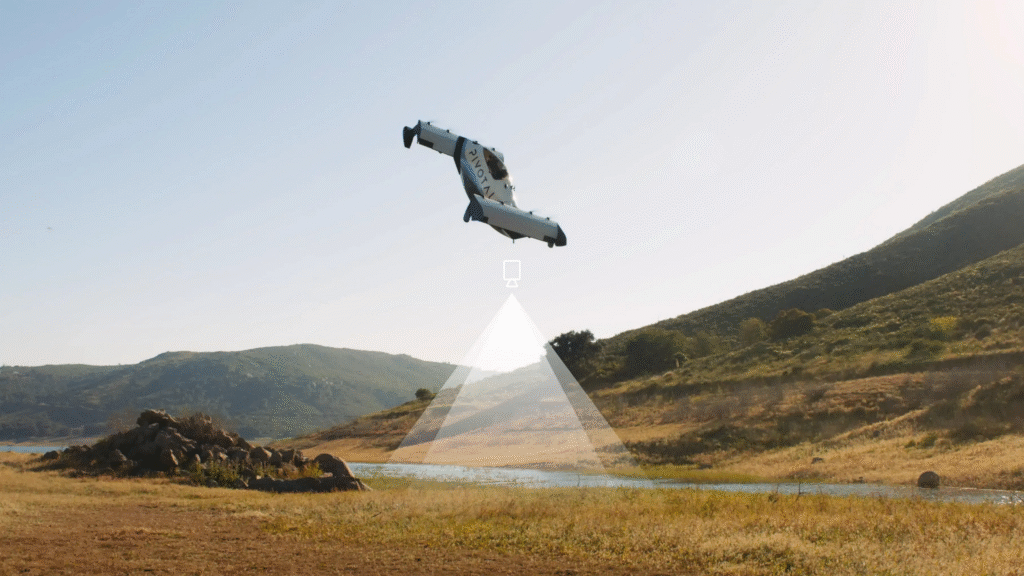
The eVTOL's current range is limited to approximately 20 miles or 20 minutes due to battery constraints. This range is suitable for recreational flights but poses challenges for commercial applications such as emergency services. Additionally, FAA regulations restrict ultralight aircraft from flying over congested areas, limiting potential operation zones.
Despite these challenges, Pivotal is exploring future expansions, including a larger eVTOL model that could accommodate more significant payloads and distances. The company is also considering military applications, which would require modifications like hybrid propulsion systems to extend range and capabilities.
The Future of eVTOLs
The future of eVTOLs is promising, with the potential to transform personal and commercial air travel. Pivotal's approach serves as a platform for scaling up to more advanced models that could serve various sectors, including logistics and military operations. The ongoing development of eVTOL technology is set to redefine how we think about transportation, offering sustainable and efficient alternatives to traditional methods.
As technology advances and regulatory frameworks evolve, eVTOLs could become integral to urban air mobility, addressing congestion and environmental concerns. The progress made by companies like Pivotal highlights the exciting possibilities of electric aviation and the growing interest in sustainable transportation solutions.
Frequently Asked Questions
What is an eVTOL?
Do you need a pilot's license to fly Pivotal's eVTOL?
What are the limitations of Pivotal's eVTOL?
Conclusion
Pivotal's eVTOL aircraft represents a significant step forward in the aviation industry, offering a glimpse into a future where flying is accessible and environmentally friendly. While challenges remain, particularly in range and regulatory constraints, the progress made thus far is a testament to the potential of eVTOL technology. As the industry continues to evolve, Pivotal's innovations will likely inspire further advancements and broader adoption of electric flight solutions.
Further Reading
- FAA's ultralight aircraft regulations - In the Market Potential and Challenges section
- Aviation Today - In the Future of eVTOLs section