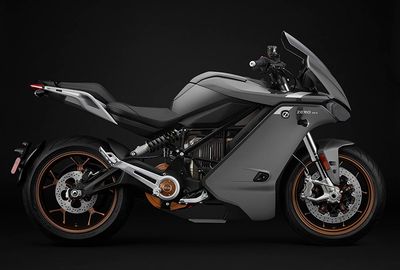
Suzuki's Electric Patent: A Landmark Moment for the GSX-R Legacy
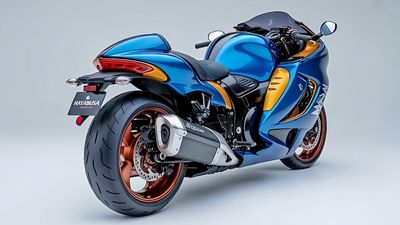
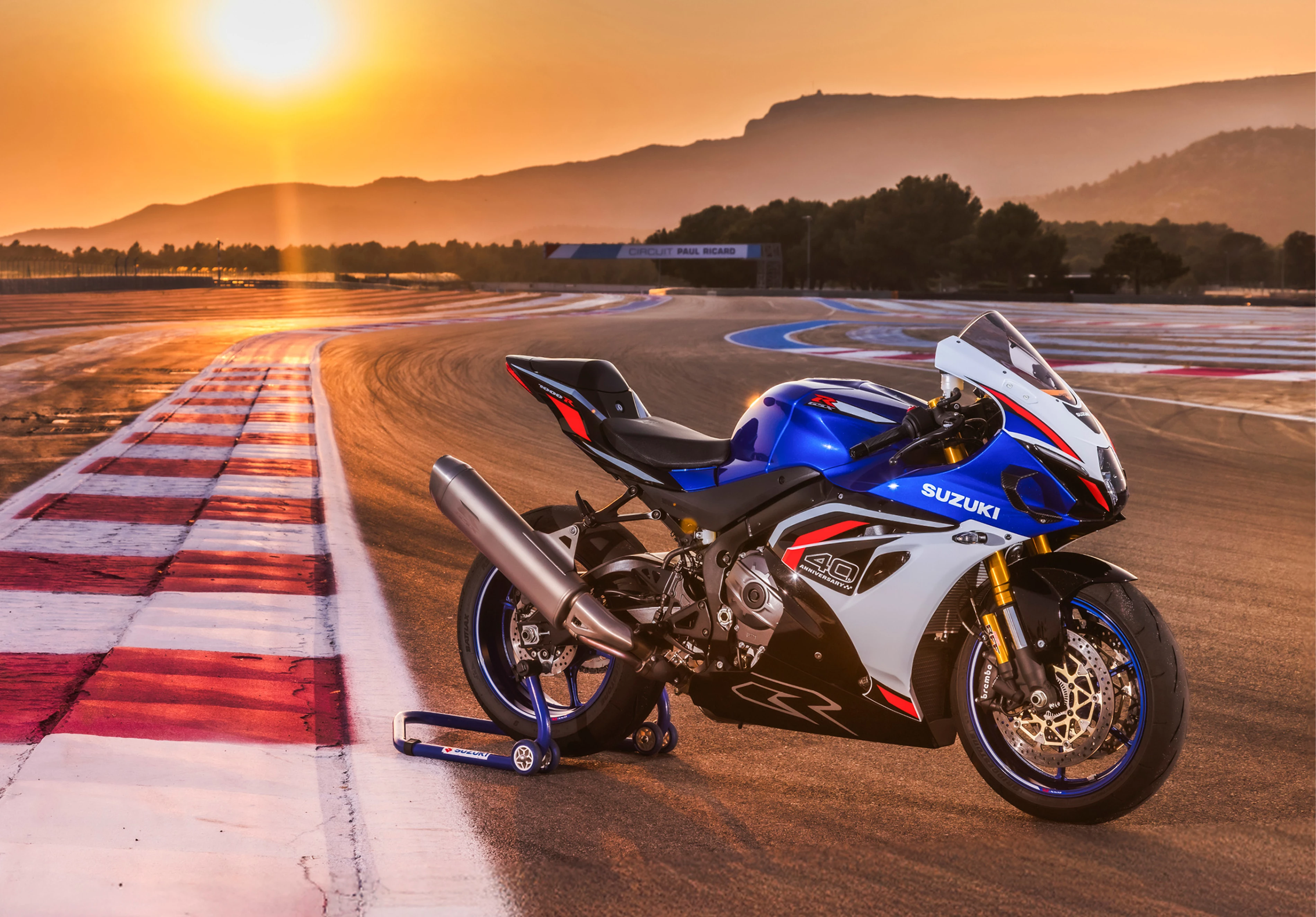
For decades, the Suzuki GSX-R lineup has stood as a benchmark in the sportbike world. From the original 1985 GSX-R750 that rewrote the rulebook on performance motorcycles to the fire-breathing GSX-R1000R that competes at the sharp end of the superbike class today, these machines have always been defined by one thing: a screaming, high-revving inline-four engine. Now, a newly filed patent suggests that the next chapter of the GSX-R story could be powered by electrons rather than petrol — and the details are fascinating.
Suzuki Motor Corporation has submitted patent documentation that outlines a purpose-built inline-four electric powertrain architecture. While patents don't always translate directly into production hardware, the depth and specificity of this filing suggest it's far more than a theoretical exercise. Industry analysts and Suzuki watchers are already speculating that a production electric sportbike based on this technology could arrive sometime around 2029 — a timeline that aligns with tightening global emissions regulations and Suzuki's own publicly stated electrification roadmap.
What the Patent Actually Reveals
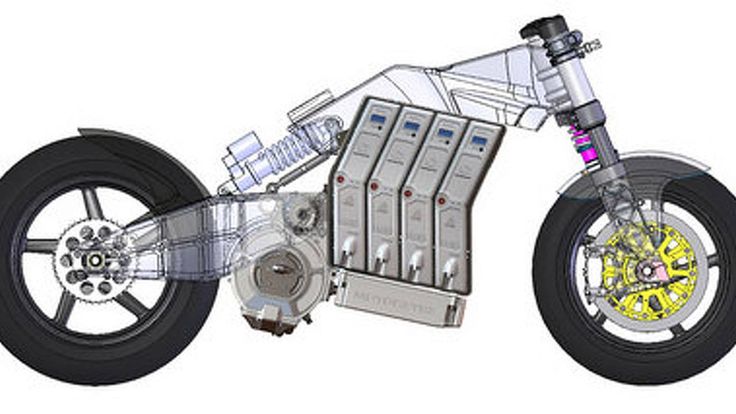
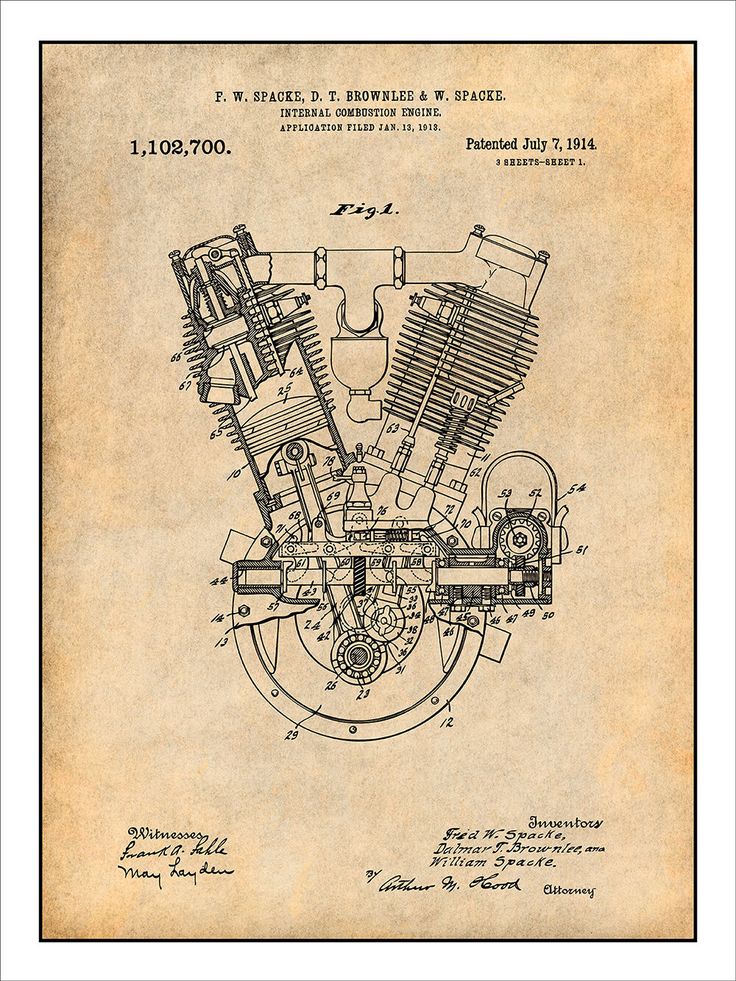
Patent filings are dense legal documents, but buried within the technical language are some genuinely intriguing engineering details. The Suzuki patent describes an electric motor arrangement that mimics the physical layout of a traditional inline-four combustion engine. This is a deliberate design choice — by preserving the familiar proportions and mass centralization of the inline-four format, Suzuki appears to be prioritizing chassis compatibility and rider ergonomics that mirror their existing sportbike geometry.
The powertrain layout incorporates four individual motor units arranged in a row, with their outputs feeding into a central reduction gear system before power is delivered to the rear wheel. This modular approach offers several theoretical advantages, including redundancy, more granular torque vectoring control, and the ability to vary output characteristics through software tuning — essentially programming different engine personalities much like modern combustion bikes offer multiple riding modes.
Battery Packaging and Weight Distribution
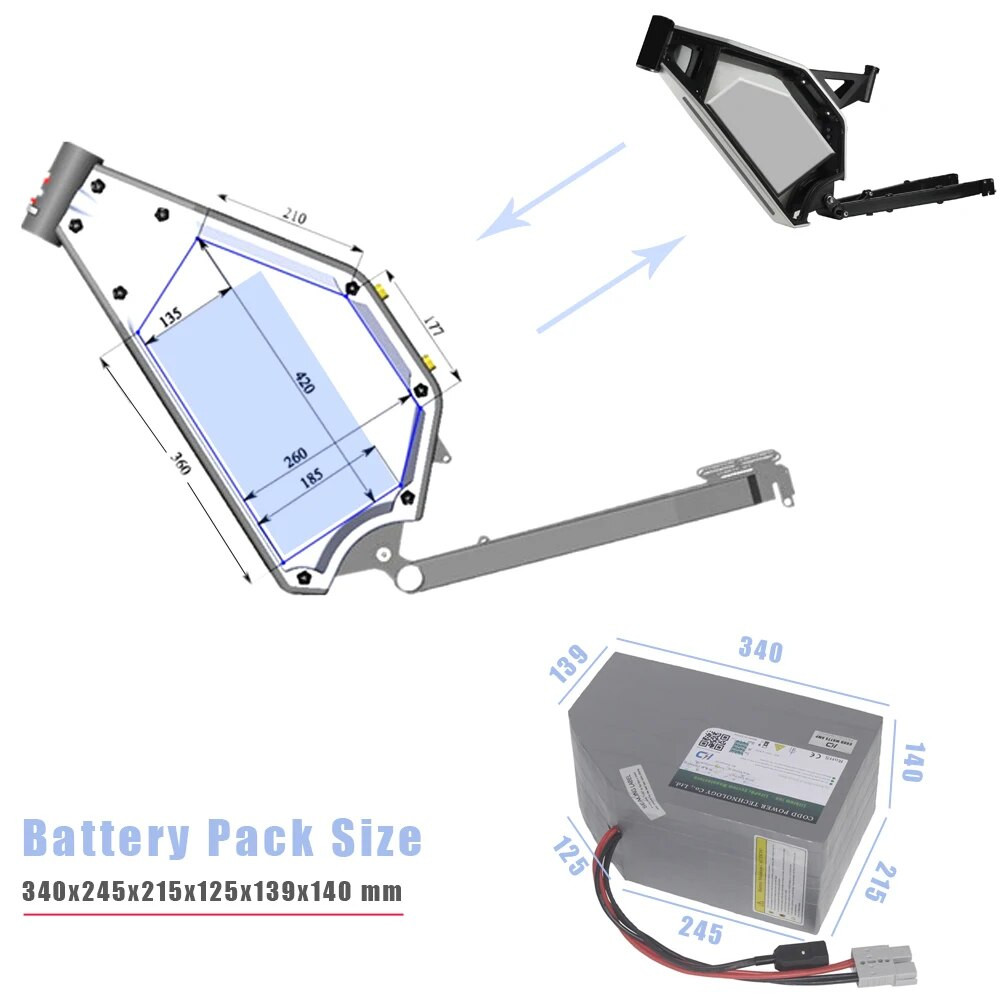
One of the most persistent criticisms of electric motorcycles has been weight, particularly the heft of battery packs. The Suzuki patent addresses this directly by describing a battery arrangement designed to sit low and central within the frame, closely replicating the center-of-gravity advantages that make the current GSX-R1000R such a precise handler. The documentation references a structural battery concept where the pack itself serves as a stressed member of the frame — a technique borrowed from high-performance automotive engineering that simultaneously saves weight and improves rigidity.
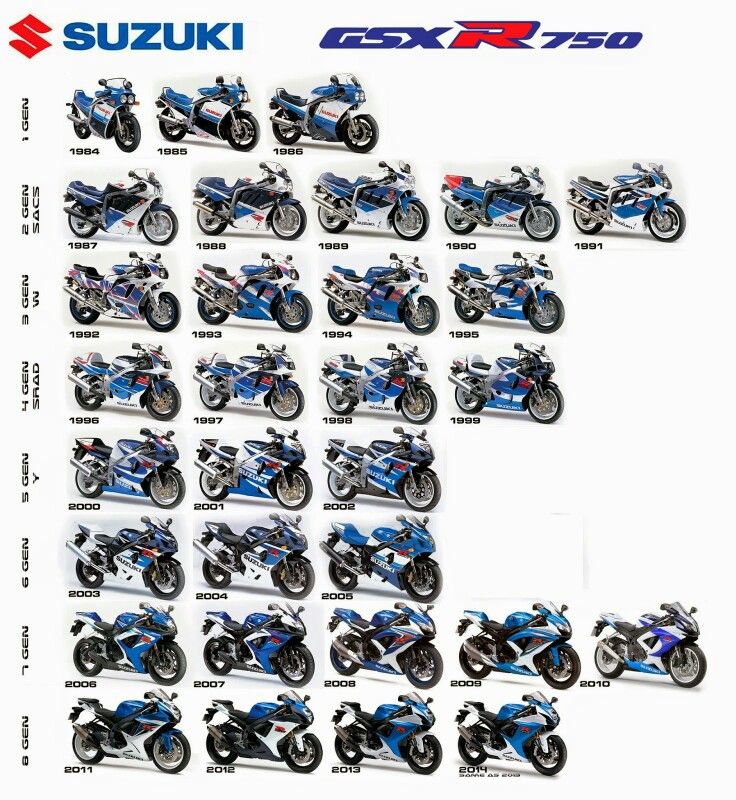
If Suzuki engineers can keep the total system weight within striking distance of the current GSX-R1000R's 203 kg wet weight, the platform becomes genuinely competitive. That's still a significant engineering challenge, but the patent suggests Suzuki is approaching it with serious intent rather than a checkbox exercise.
Why an Inline-Four Configuration and Not Something Simpler?
This is perhaps the most telling aspect of the entire patent. Suzuki could have opted for a single large motor or a twin-motor setup — simpler, proven configurations already found on electric motorcycles from Energica and LiveWire. Instead, they've gone to the considerable complexity and expense of a four-motor arrangement. The message seems deliberate: Suzuki wants to preserve the high-revving, multi-stage power delivery character that defines the GSX-R riding experience, replicating it through electrical means rather than abandoning it for the flat, immediate torque curve typical of simpler EV setups.
There's also an acoustic dimension worth considering. While true engine noise can't be replicated, four discrete motor units produce more complex electromagnetic harmonics than a single motor. Combined with the synthetic sound generation systems that manufacturers like BMW and Harley-Davidson have already deployed, Suzuki could engineer an auditory experience that at least nods to the character riders expect from a GSX-R.
The 2029 Timeline: Is It Realistic?
Mapping a patent filing to a production timeline is speculative, but 2029 is a figure that makes sense for several converging reasons. European emissions regulations under Euro 7 are expected to place increasingly severe restrictions on internal combustion engines for performance motorcycles, and similar pressures are building in key Asian markets. Suzuki has already committed to introducing multiple electric models by the end of the decade as part of its broader sustainability strategy. A flagship electric sportbike wearing the GSX-R badge would be the centrepiece of that commitment — a halo product that demonstrates the technology at its highest level.
Additionally, battery energy density is improving at a pace that makes 2029 a credible target for achieving the range and power-to-weight ratios that a true GSX-R successor would demand. Current projections suggest solid-state battery technology could reach commercial motorcycle applications in the 2027-2029 window, and Suzuki's patent architecture appears designed with next-generation cell chemistry in mind.
What This Means for Current GSX-R Models
The short answer is: nothing immediate. The GSX-R1000R and GSX-R125 continue in production and are not going anywhere in the near term. Suzuki has been careful to signal that electrification will complement rather than immediately replace its combustion lineup. Riders who love the current GSX-R1000R's 999cc engine, its Showa suspension, and its MotoGP-derived electronics package can breathe easy — that motorcycle isn't being retired to make room for a filing at a patent office.
However, the longer-term implication is profound. If Suzuki successfully develops this powertrain into a production GSX-R, it would represent the most significant evolution of the nameplate since its inception. It would also signal to the broader industry that the inline-four configuration — the beating heart of Japanese sportbike culture — has a viable future in an electric world.
The Bigger Picture: Suzuki's Electric Ambitions
Suzuki has been comparatively quiet in the electric motorcycle space compared to rivals like Honda, Yamaha, and Kawasaki, all of whom have made splashy EV announcements in recent years. This patent suggests that Suzuki's silence has been strategic rather than complacent — the brand appears to have been working on something more technically ambitious than the commuter-focused electrics announced by some competitors.
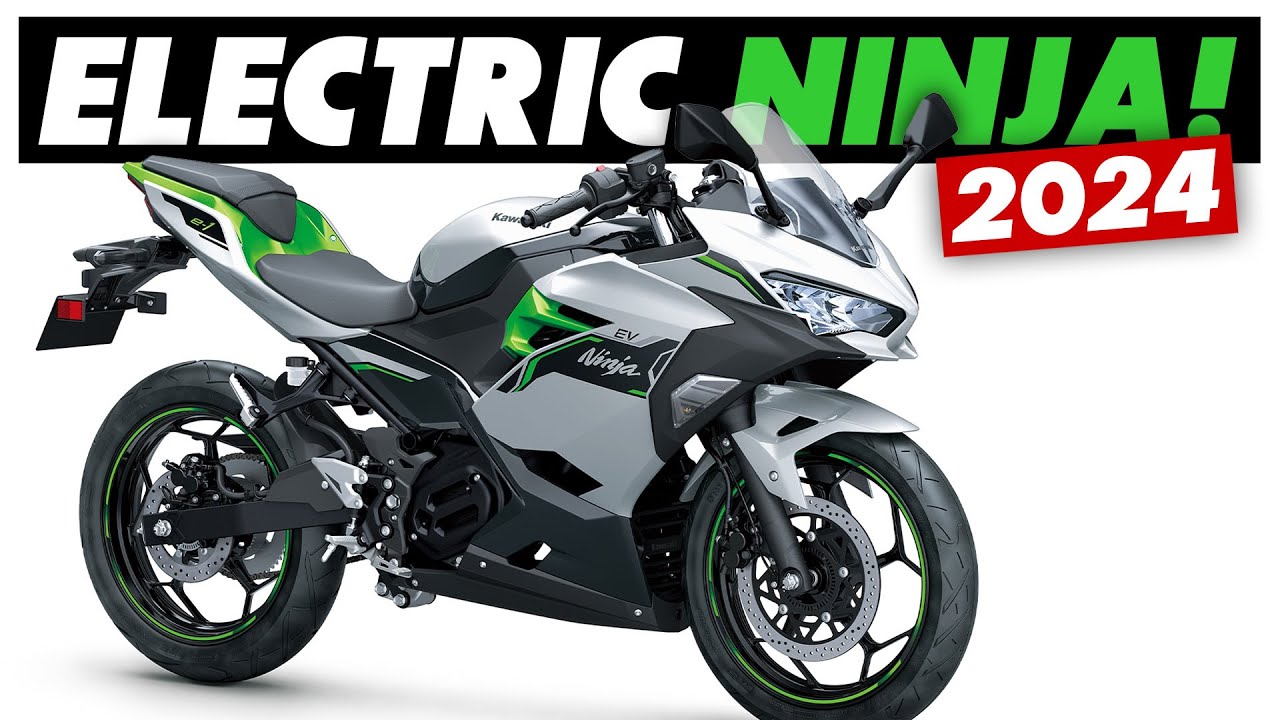
- Kawasaki has already shown prototypes of electric and hybrid Ninja motorcycles.
- Honda's electric scooter strategy is well-advanced with the EM1 e: already on sale.
- Yamaha has demonstrated the EC-05 electric scooter and has spoken broadly about future electric performance models.
- Suzuki, meanwhile, appears to be aiming directly at the performance segment with a technology package that could leapfrog more incremental approaches.
Whether the GSX-R name ultimately appears on the production version of this patent remains to be seen. Suzuki may choose an entirely new nameplate to avoid burdening the new technology with combustion-era expectations. But the spirit encoded in that patent filing — high-revving, multi-unit, performance-first — sounds unmistakably like a GSX-R to us.
Final Thoughts
Suzuki's inline-four electric patent is one of the most exciting pieces of motorcycle engineering news in recent memory. It demonstrates that at least one Japanese manufacturer is thinking seriously about how to preserve the character, soul, and performance ceiling of the sportbike in an electric format — rather than simply electrifying a commuter and calling it progress. The road to 2029 is long, and plenty will change between a patent filing and a production motorcycle. But for the first time, an electric GSX-R feels like a genuine possibility rather than a distant fantasy. Watch this space closely.