Why Your Base Layer Matters More Than You Think
Most riders obsess over jackets, helmets, and boots — and rightfully so — but the humble base layer is the unsung hero of riding comfort. It sits against your skin, manages moisture, regulates temperature, and can mean the difference between a miserable two-hour slab session and an enjoyable one. Get it wrong and no amount of premium outerwear will save you from clammy, sweat-soaked suffering or bone-chilling cold that seeps past your defenses.
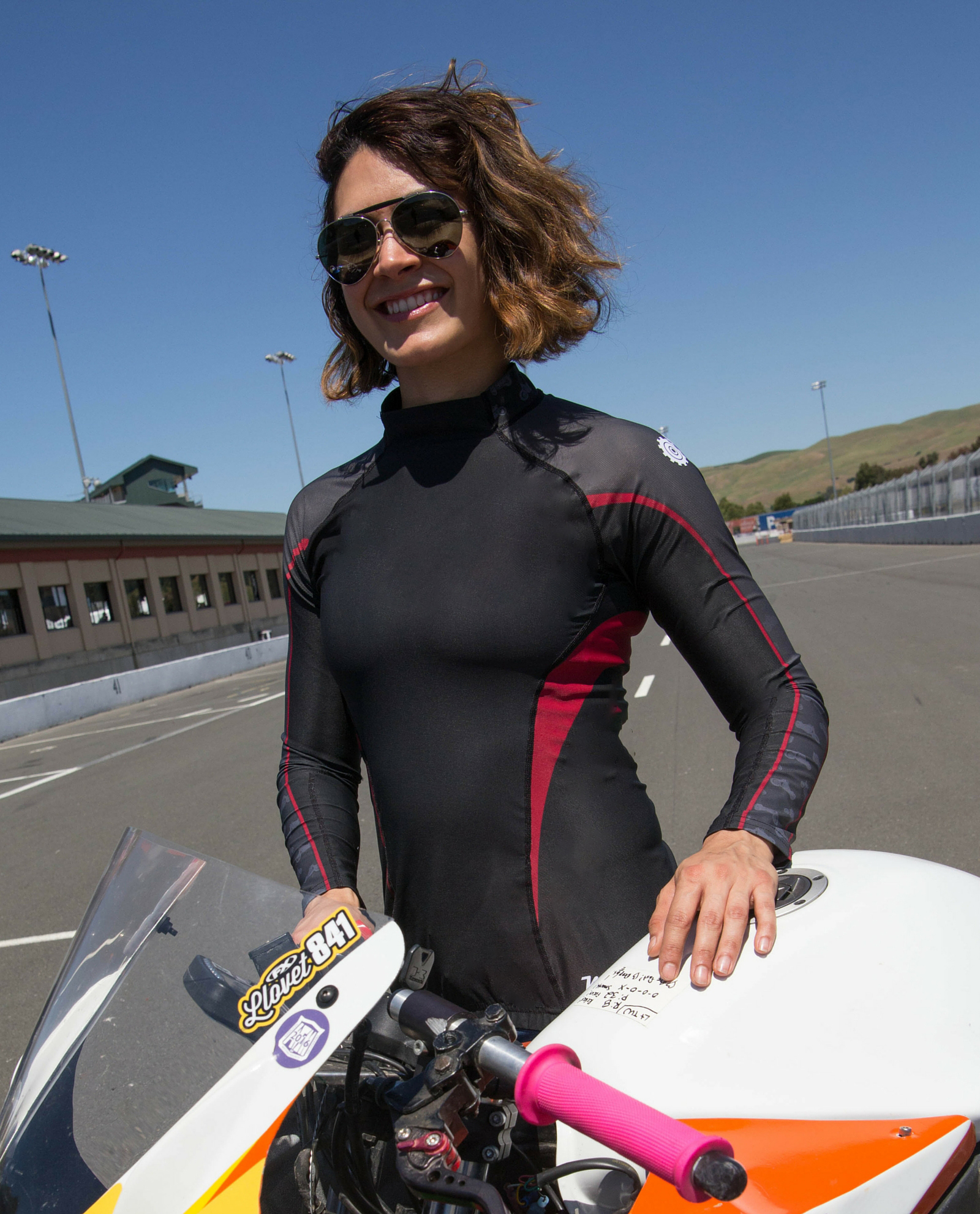
To cut through the marketing noise, we spent a full riding season — from blistering July afternoon blasts to sub-freezing January commutes — testing 10 technical base layers across a range of conditions, riding styles, and body types. Here's what we found.
How We Tested
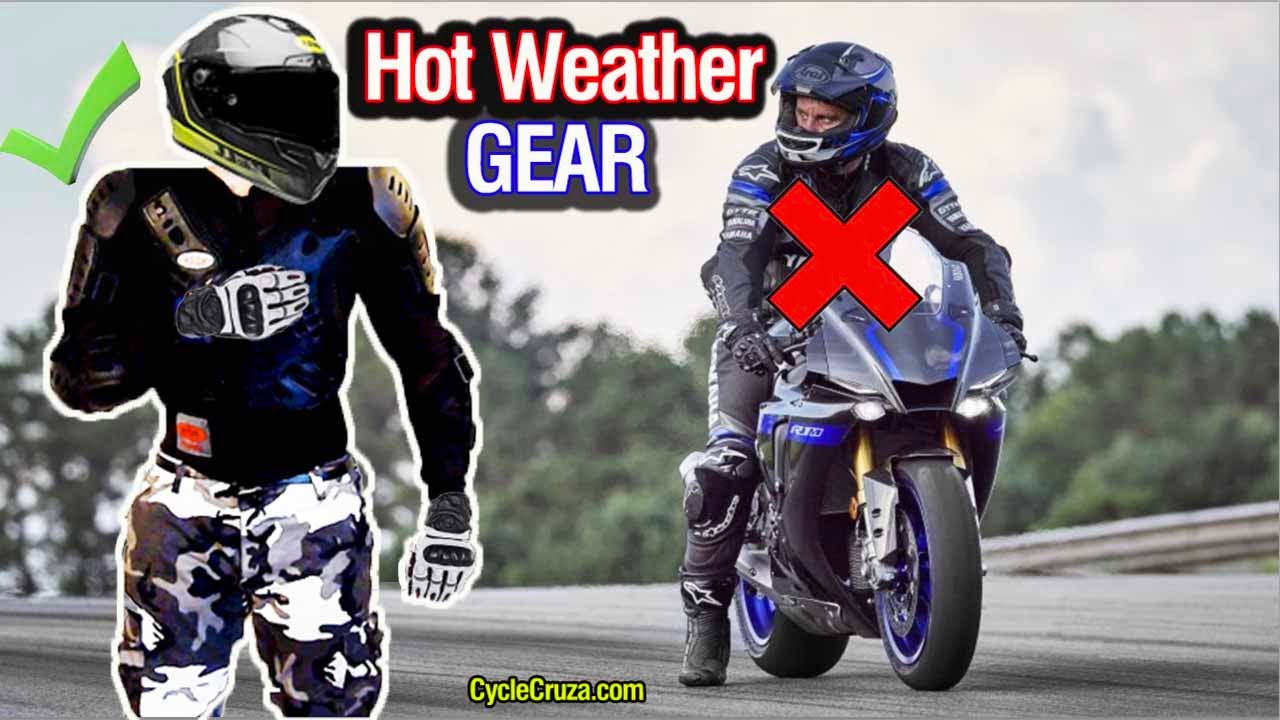
Our testing panel included four riders of different builds, riding styles ranging from sport to adventure to daily commuting, and a variety of outerwear from mesh jackets to insulated touring suits. We evaluated each base layer on moisture-wicking performance, thermal regulation, comfort over long distances, durability after repeated washing, and value for money. Every product was worn for a minimum of three full rides before scoring.
The Best Summer Base Layers
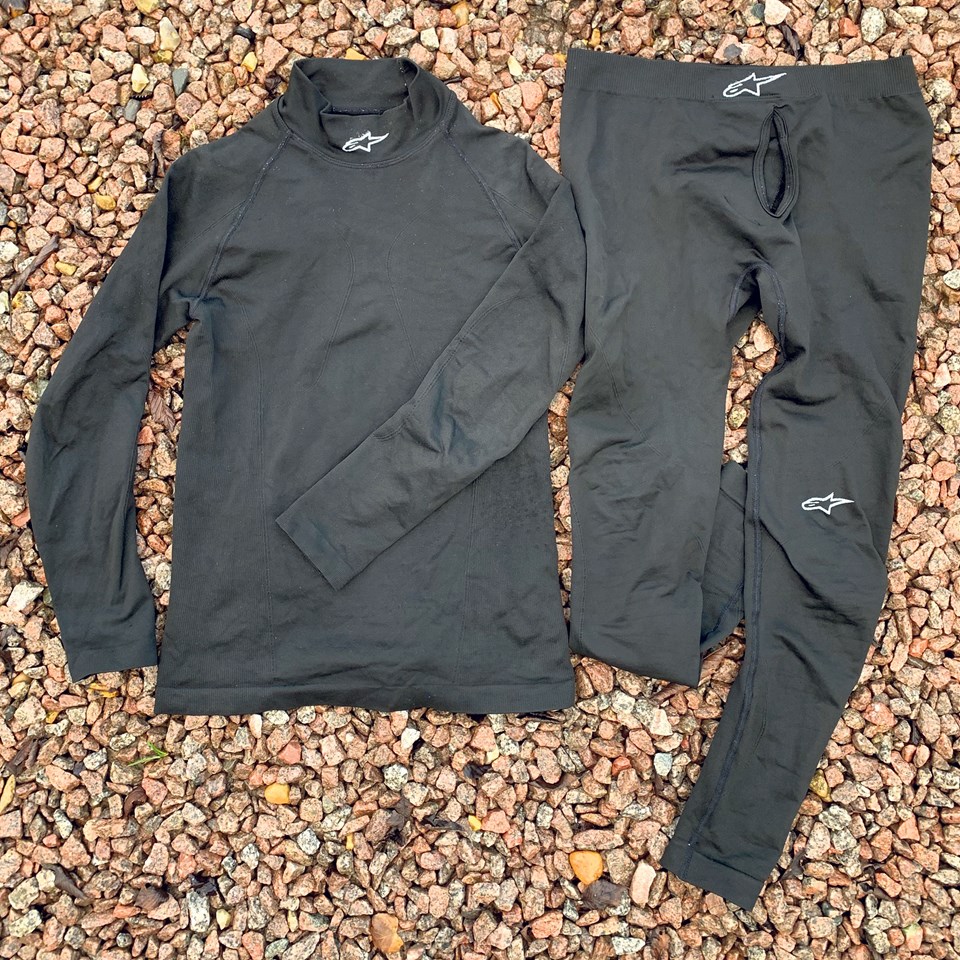
1. Alpinestars Tech Dry Base Layer — Best Overall for Hot Weather
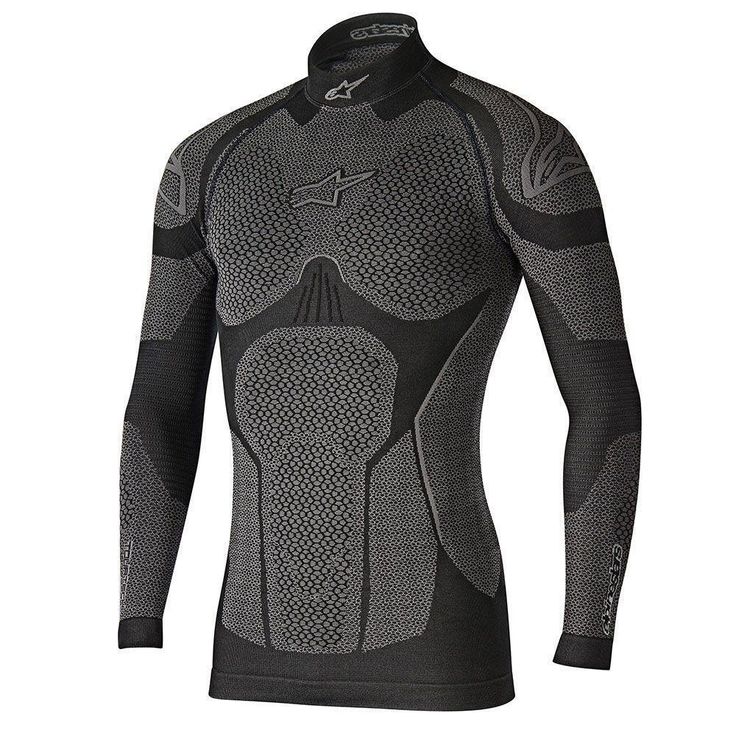
The Alpinestars Tech Dry topped our summer rankings with an impressively lightweight polyester-nylon blend that wicked sweat almost aggressively. During a 95°F canyon run in full gear, testers reported feeling noticeably drier than in competing products at the same price point. The flatlock seams prevent pressure points under tight sport gear, and the longer cut stays tucked even during aggressive riding positions. It's not cheap, but the performance-to-price ratio is hard to beat for warm-weather riding.
2. REV'IT! Freeze Cooling Shirt — Best Evaporative Cooling Option
REV'IT!'s Freeze Cooling Shirt uses a proprietary cooling fabric technology that actively pulls heat away from the skin through evaporation. Soak it briefly before a ride and it delivers measurable surface cooling for 30 to 60 minutes — genuinely useful on very hot days. For riders who don't have the luxury of air conditioning at fuel stops, this is a legitimate tool. The downside is that the evaporative effect diminishes once you're fully dry, at which point it performs more like a standard moisture-wicking layer. Best suited for slow urban riding or static periods in extreme heat.
3. Under Armour HeatGear Long Sleeve — Best Budget Summer Option
You don't always need a moto-specific label to get the job done. Under Armour's HeatGear compression long sleeve performed surprisingly well in summer testing, offering solid moisture management and a close fit that layers easily under any jacket. It lacks the longer tail and moto-specific cut of dedicated riding underlayers, but for riders on a tight budget it's hard to argue with the price-to-performance ratio. Widely available at retail and holds up exceptionally well to repeated washing.
The Best Winter Base Layers
4. Klim Aggressor -1.0 Crew — Best Cold-Weather Technical Layer
Klim's Aggressor lineup is built for serious cold, and the -1.0 Crew proved itself as the top thermal performer in our winter testing. The midweight polyester construction traps a significant amount of body heat while still managing moisture effectively — a balance that cheaper fleece-based options consistently fail to achieve. Testers wearing this through below-freezing morning commutes reported staying warm well past the one-hour mark without overheating once temperatures climbed in the afternoon. The flatlock seaming is excellent and the build quality feels genuinely premium.
5. Icebreaker 200 Oasis Long Sleeve — Best Merino Wool Option
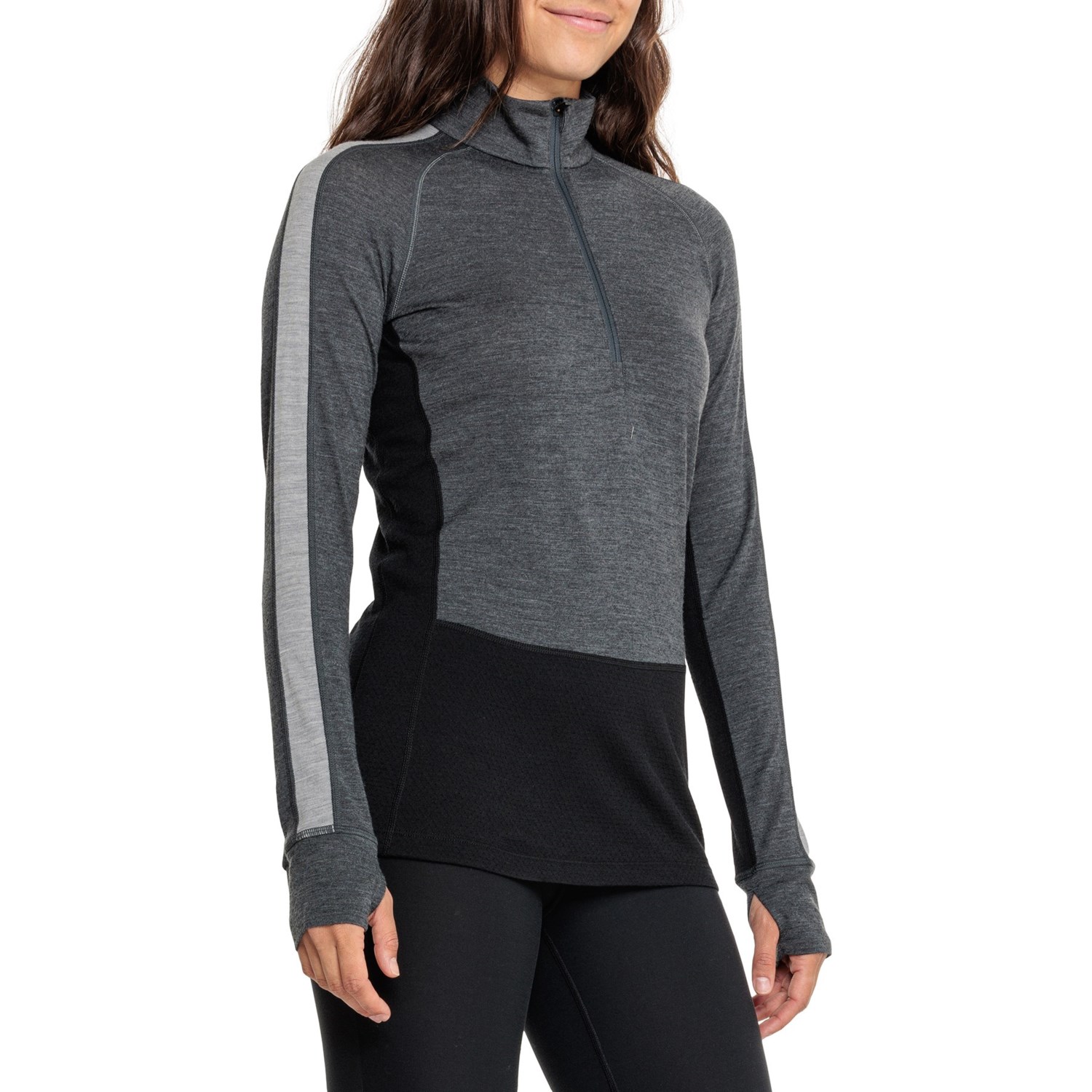
Merino wool divides opinion among riders, but the Icebreaker 200 Oasis made converts of several skeptics on our panel. The 200gsm weight sits in a sweet spot that handles cool to cold conditions without becoming unbearably warm in transitional weather. Merino's natural odor resistance is a real-world advantage for multi-day touring, and the fabric softness is unmatched by any synthetic in this test. It's slower to dry than polyester if it gets truly soaked, but for most cold-weather riding scenarios it's an outstanding choice. Worth every penny for the touring crowd.
6. Dainese D-Core Dry Thermo Tee — Best All-Rounder for Cold Seasons
The Dainese D-Core Dry Thermo struck a balance that impressed our panel across a wide temperature range. A dual-layer construction pairs a moisture-wicking inner surface with a heat-trapping outer structure, giving it genuine versatility. Testers used it comfortably from around 35°F up to just below 60°F — a wide operating range for a single garment. The moto-specific cut with longer front and back tails performed well in all riding positions, and Dainese's sizing was consistently accurate across our test group.
Other Notable Contenders
- Firstgear Heated Base Layer: A powered option for extreme cold that delivers consistent warmth, though battery management adds complexity and cost.
- Craft Active Extreme X: An excellent cross-country skiing base layer that translates surprisingly well to cold-weather motorcycle use at a competitive price.
- Forcefield Pro Shirt: Unique in combining base layer function with integrated back protector support — a clever dual-purpose design that works better than expected.
- Oxford Cool Dry Base Layer: A solid entry-level moto-specific option that punches above its weight for budget-conscious commuters.
Key Things to Look for When Buying a Motorcycle Base Layer
Before you spend your money, keep these factors in mind. Fit matters enormously — a loose base layer bunches under gear and creates pressure points over long rides. Look for a close but non-restrictive fit with a longer cut front and back. Seam placement is critical; flatlock seams drastically reduce irritation under tight outerwear. Fabric weight should match your primary use case — lightweight synthetics for summer, mid-weight merino or technical polyester for winter. Washing durability is often overlooked; cheaper options pill and lose their moisture-wicking properties after a dozen washes. Finally, odor control matters more than you'd think on long trips — merino wool leads here, while silver-ion treated synthetics offer a close second.
Our Final Recommendations by Rider Type
Year-round commuters should consider owning at least two layers: a summer option like the Alpinestars Tech Dry and a thermal layer like the Klim Aggressor. Adventure and touring riders will love the versatility and odor resistance of the Icebreaker merino. Sport riders prioritizing fit and performance will appreciate the Alpinestars or REV'IT! options. Budget-conscious riders can get surprisingly good results from the Under Armour HeatGear or Oxford Cool Dry without sacrificing core comfort.
The right base layer won't make bad gear good, but the wrong one will make great gear miserable. Invest in quality underlayers and your riding comfort — across every season — will thank you for it.