Why Your Chest Protector Might Be the Most Overlooked Piece of Safety Gear
Ask most riders what safety gear they own and you'll hear about helmets, gloves, maybe a back protector. Chest protection? Often an afterthought. Yet your sternum, ribcage, and the vital organs behind them are devastatingly vulnerable in a crash. A direct impact to the chest at even moderate speed can cause broken ribs, pneumothorax, or cardiac contusion. The good news: the CE Level 1 and Level 2 standards for chest protectors (EN 13158:2018) have matured significantly, and the market has responded with options that are genuinely protective without being cumbersome.
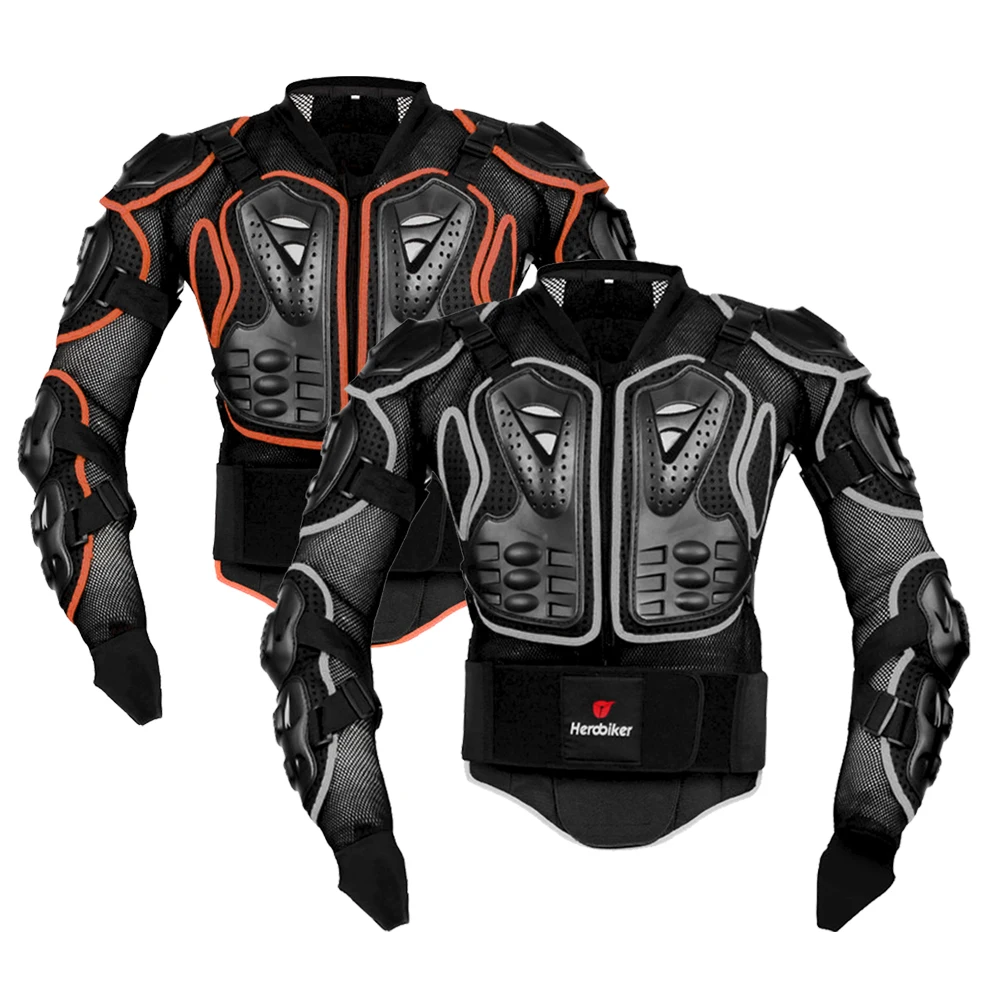
We spent several months testing 10 CE-certified chest protectors across two primary riding disciplines — sport riding on canyon roads and mountain passes, and adventure riding on mixed gravel, forest tracks, and highway touring. Each protector was worn for multiple full-day sessions, evaluated on impact protection rating, fit and stability, ventilation, jacket compatibility, and long-term wearability. Here's what we found.
How We Tested
Our test riders ranged from 5'8" to 6'2" and wore jacket sizes from medium to XL. Each chest protector was tested both as a standalone harness piece and, where applicable, as an insert inside a jacket pocket. We focused on CE Level 2 protectors where possible — these absorb more than twice the transmitted force of Level 1 pieces — but included strong Level 1 options where the comfort-to-protection trade-off was compelling.
The Top Picks
1. Alpinestars Nucleon KR-Ci — Best Overall
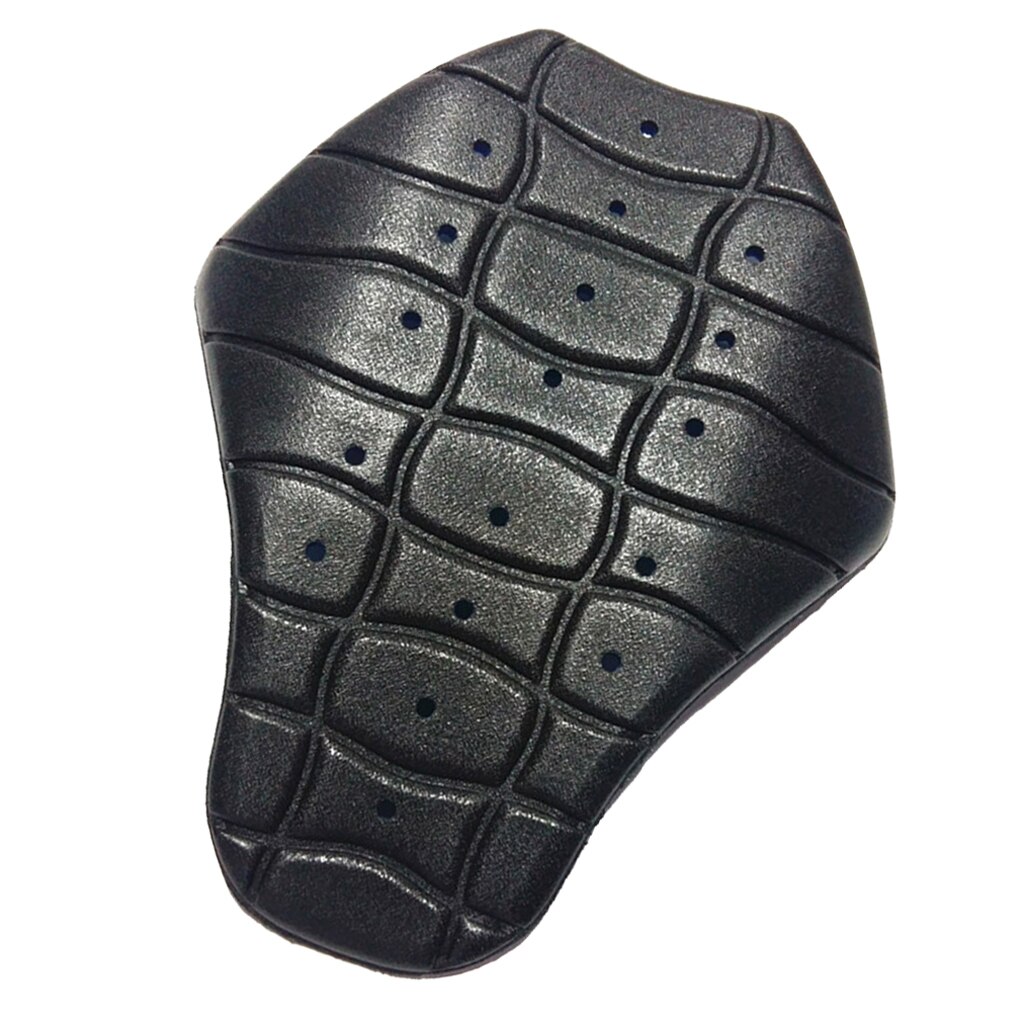
The Nucleon KR-Ci earns its place at the top with a CE Level 2 certification and a construction that actually conforms to the body rather than fighting it. The multi-density foam composite flexes with your torso during movement but stiffens on impact. The harness system is genuinely adjustable — not just up and down but also laterally — which means it stays centered even during aggressive sport riding body positions. Ventilation channels run vertically through the core material, and we found it noticeably cooler than slab-style competitors on warm days. Jacket compatibility is excellent; it fits cleanly into most chest pockets without bunching. At around $90, it's not the cheapest option but it earns every cent.
2. Forcefield Pro Sub 4 — Best for Adventure Riding
Forcefield has been engineering body armor longer than most brands, and the Pro Sub 4 shows that experience. This CE Level 2 piece uses their signature Nitrex foam, which is exceptionally thin for its protection rating. For adventure riders layering over a base layer under a textile jacket, the low profile is a genuine practical advantage. The harness system is slim and won't clash with backpack straps or hydration pack harnesses. We wore this on two full days of technical gravel riding and it never shifted position or created hot spots. The only minor criticism: the sternum coverage area is slightly narrower than some competitors.
3. Dainese Thorax Pro — Best CE Level 2 Insert
If your jacket already has a chest armor pocket, the Thorax Pro is among the finest inserts on the market. Cut from Dainese's composite viscoelastic material, it achieves Level 2 certification in a remarkably slim profile. It resized easily with scissors to fit pockets designed for Level 1 inserts, and the protection difference is substantial. For sport riders who prefer a clean integrated look without an external harness, this is the upgrade your jacket needs. Priced around $60, it's outstanding value for the protection level delivered.
4. Knox Aegis Chest Guard — Best Standalone Harness for Sport Riding
Knox designed the Aegis specifically for riders who want chest protection independent of their jacket. The wide coverage area extends further laterally than most competitors, protecting the floating ribs and lower chest more effectively. It's CE Level 2 certified and uses a crisscross rear strap system that keeps it stable even in aggressive tuck positions on the track or twisties. The downside is that the harness system adds a layer of strapping across your back that not everyone finds comfortable under a close-fitting sport jacket. Works brilliantly as a standalone layer under a mesh or perforated jacket.
5. Leatt 3DF AirFit Chest Protector — Best Ventilation
If you ride in heat and have historically abandoned chest protection because of it, the Leatt 3DF AirFit needs to be on your radar. The open-cell foam construction allows airflow that genuinely makes a thermal difference on warm days. It achieves CE Level 1 certification — not Level 2 — but the protection-to-breathability ratio is best in class for riders in warm climates. The molded shape is anatomically intelligent, following the natural contour of the chest rather than sitting flat. The harness is easy to don solo, which sounds minor but matters for daily use.
6. Klim Chest Protector 2.0 — Best for Dual-Sport and ADV Jackets
Klim engineered this piece specifically to integrate with their jacket ecosystem, but it works well as a universal insert in any jacket with a generous chest pocket. CE Level 1 certified, it's shaped to accommodate the wider, more upright torso position of adventure riding without riding up or shifting under a tall collar. Build quality is exceptional, as expected from Klim, and the materials feel durable enough to outlast several jacket generations.
What to Look for When Buying
- CE Level 2 where possible: The difference in protection between Level 1 and Level 2 is significant. Prioritize Level 2 unless comfort or fit compromises make Level 1 the only viable option for your use case.
- Coverage area: Measure the chest pocket in your jacket before ordering an insert. Coverage that doesn't reach the sides of your ribcage isn't doing its full job.
- Harness vs. insert: Standalone harness pieces offer consistent protection regardless of jacket, but add bulk. Inserts are sleeker but dependent on jacket fit.
- Ventilation design: Look for channeled foam or open-cell construction if you ride in heat. A protector you take off because it's too hot protects nothing.
- Compatibility with back protectors: If you use a standalone back protector with a harness, ensure the chest piece strapping won't conflict with it.
Protectors We'd Skip
Of the 10 tested, two slim-foam inserts from budget house brands certified at Level 1 offered negligible protection and deformed noticeably even under moderate compression testing. CE certification has a floor, and some products sit right on it. If a chest protector retails for under $25, treat the certification with appropriate skepticism and check independent test data if available.
The Bottom Line
Chest protection has improved dramatically, and there's no longer a compelling reason to skip it. The Alpinestars Nucleon KR-Ci is our top all-around recommendation for riders who want verified Level 2 protection with real-world wearability. Adventure riders should seriously consider the Forcefield Pro Sub 4 for its profile and stability. And if your jacket already has a pocket, spend $60 on the Dainese Thorax Pro insert and immediately upgrade your protection without changing anything else about your kit. Your sternum will thank you.