Six Days, Two Worlds: Testing the 2027 Yamaha XSR700
The modern classic segment is more competitive than ever. Royal Enfield has matured into a serious player, Triumph's Street Twin continues to win hearts, and even Honda has made noise with updated retro offerings. Into this crowded arena, Yamaha rolls the 2027 XSR700 with quiet confidence — not shouting about radical reinvention, but whispering about careful evolution. After six days covering urban commutes, canyon runs, and everything in between, we came away with a clear picture of exactly where this bike stands.
What's New for 2027
Yamaha hasn't torn up the rulebook, and that's largely the right call. The CP2 parallel-twin engine — the same 689cc heart shared with the MT-07 — returns with revised fueling maps that smooth out the low-rpm behavior that occasionally felt abrupt in city traffic on previous generations. Throttle response at parking-lot speeds and in first gear is noticeably more civilized, making the 2027 XSR700 a genuinely easier bike to live with day to day.
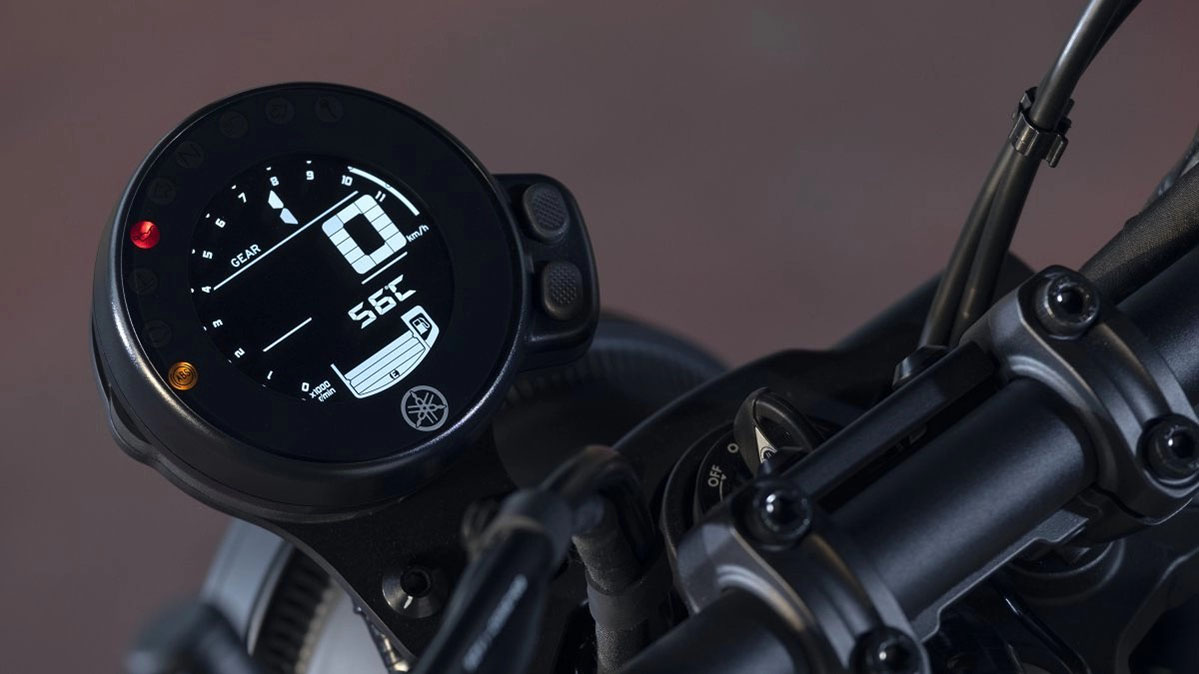
The electronics package sees the most meaningful update. Riders now get three riding modes — Sport, Street, and Rain — plus a two-level traction control system that can be switched off entirely for those who prefer to manage things themselves. A new TFT display replaces the previous LCD unit, offering Bluetooth connectivity for turn-by-turn navigation prompts and phone call notifications. It's a clean, readable unit that doesn't feel overstyled or cluttered.
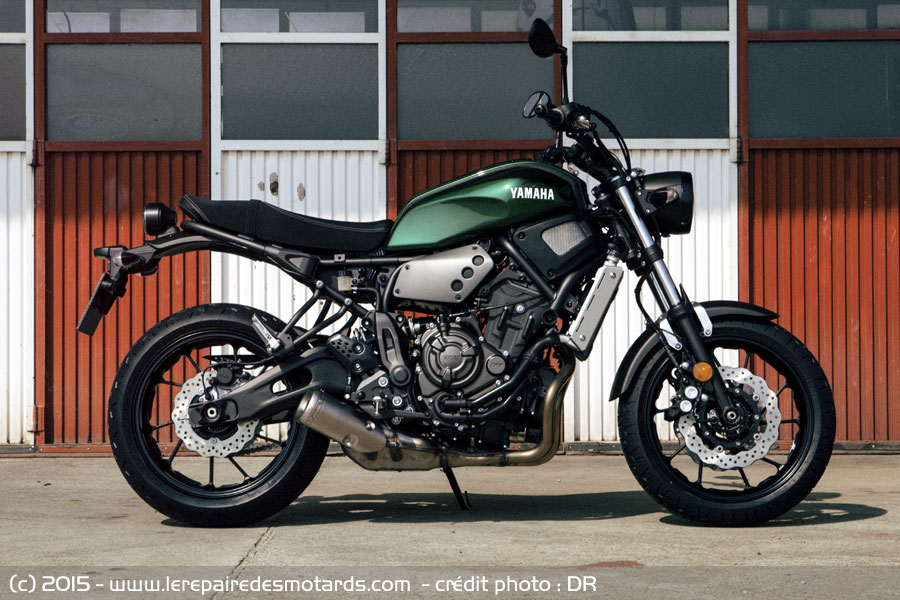
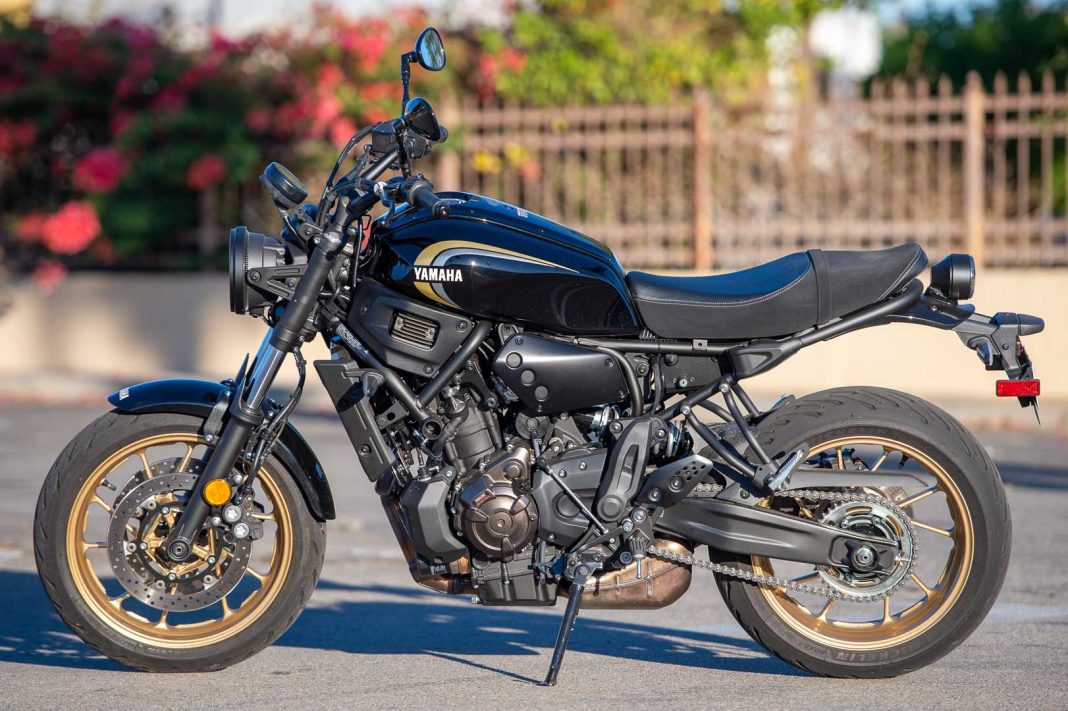
Aesthetically, Yamaha has tweaked the round headlight surround, updated the tank graphics, and introduced two new colorways: Deep Cyan Metallic and a handsome Matte Olive that suits the bike's heritage vibe perfectly. The spoke-style cast wheels carry over, as does the tucked, minimalist tail section that keeps the profile clean from every angle.
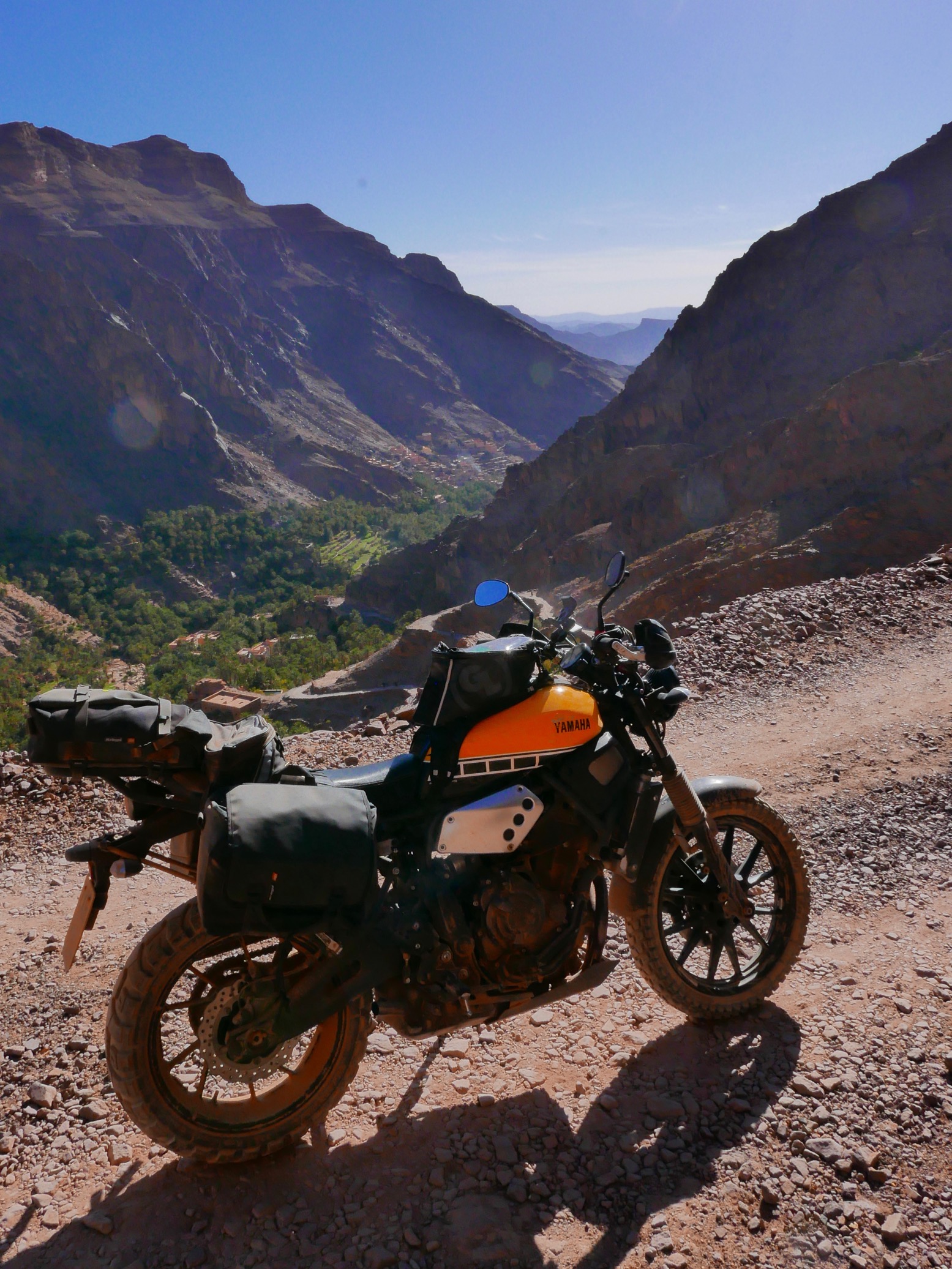
City Streets: Where the XSR700 Earns Its Daily Driver Badge
Day one through day three of our test took place in urban and suburban environments — dense traffic, tight parking, stop-and-go commutes, and the occasional freeway blast. This is exactly the kind of riding that separates genuinely usable bikes from weekend-only showpieces.
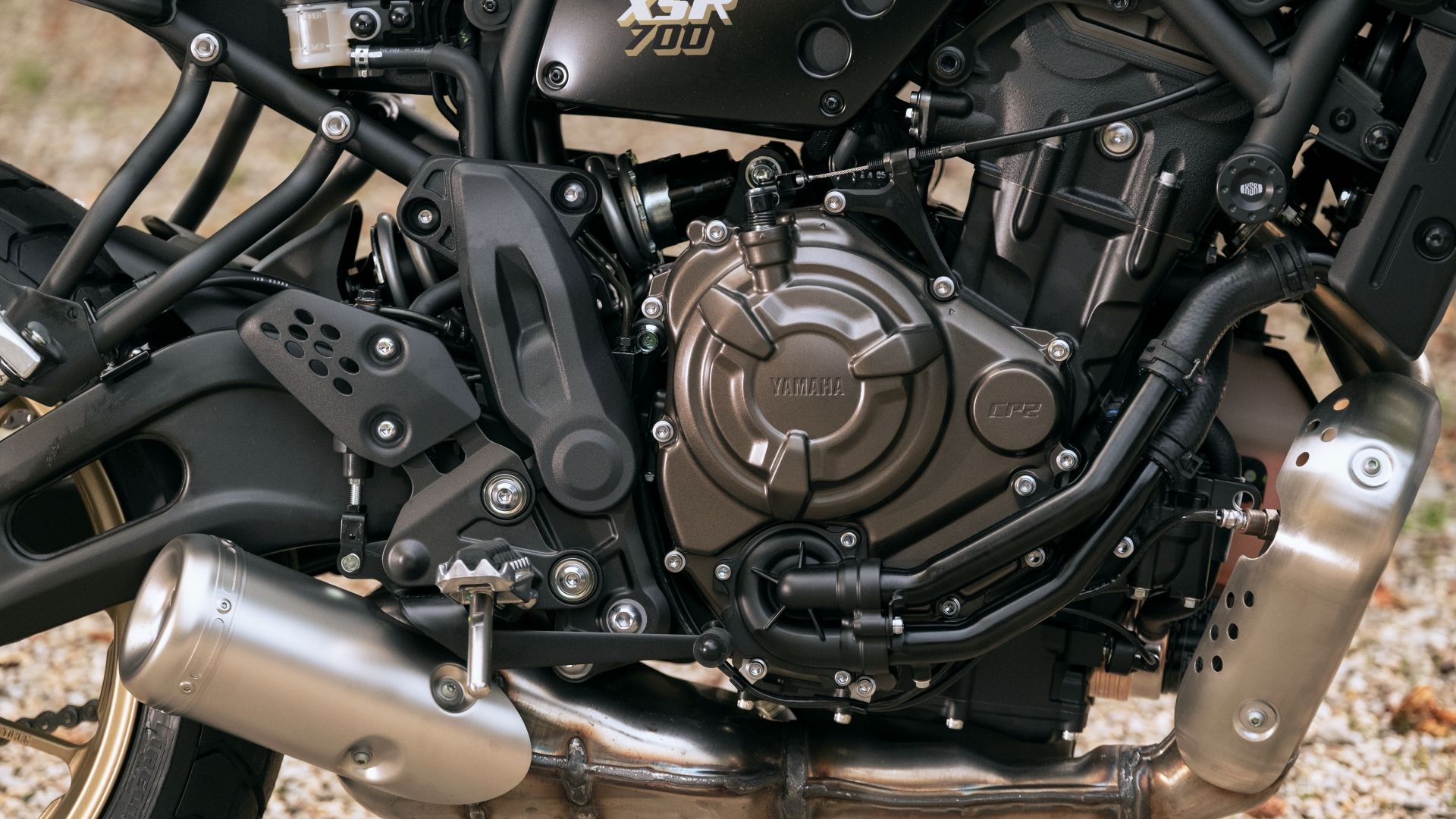
The XSR700 excels here. At 193 kilograms (approximately 425 pounds) wet, it's light enough to filter through traffic without anxiety and maneuverable enough to thread gaps that larger bikes would never consider. The upright seating position provides excellent sightlines over car rooflines, and the wide, slightly pulled-back handlebar makes low-speed weaving intuitive rather than effortful.
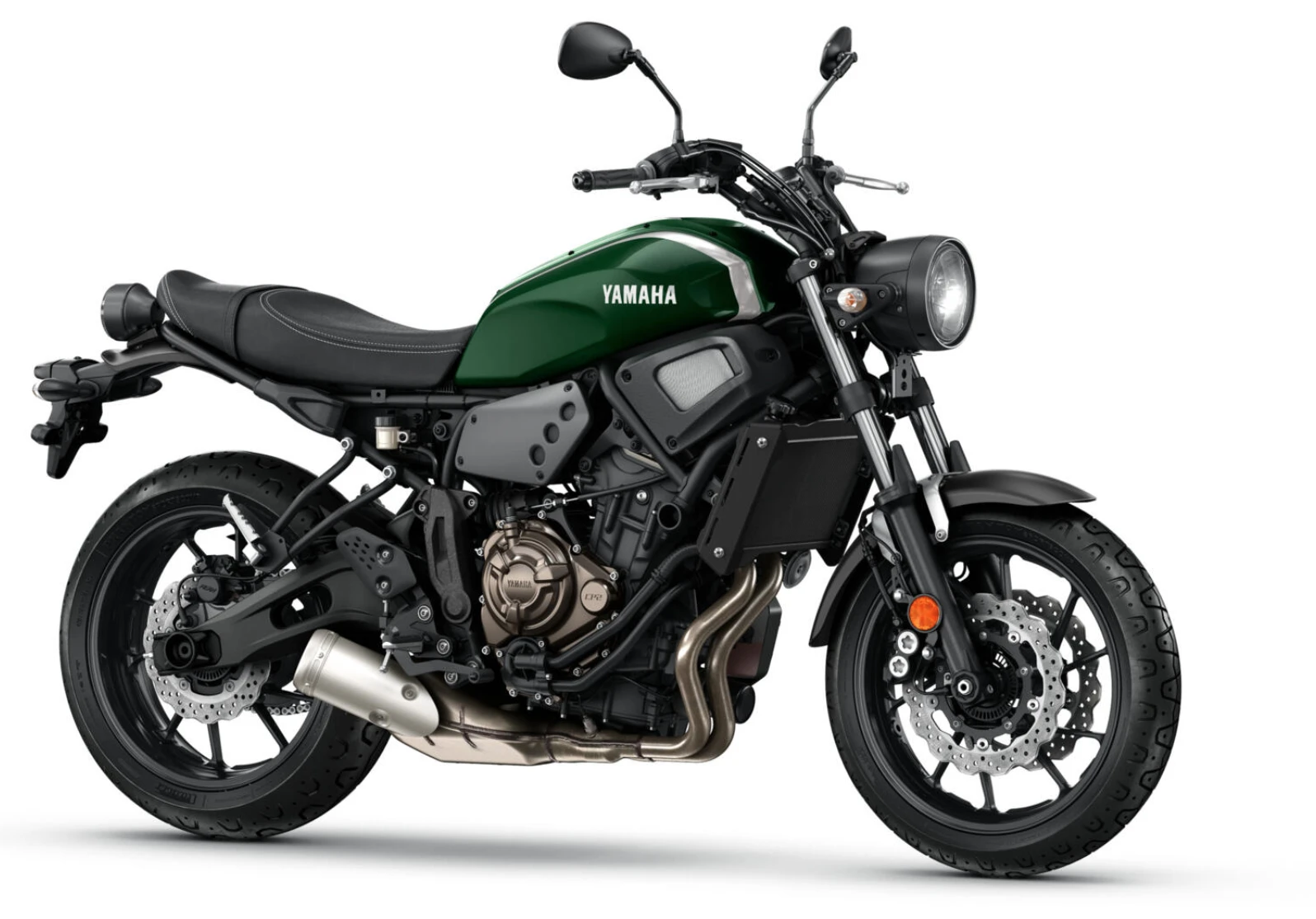
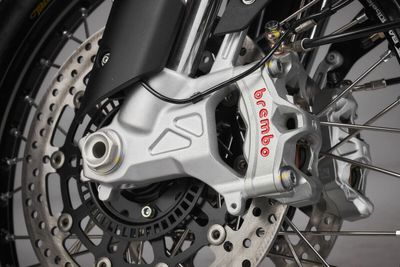
With the revised fueling, the bike pulls cleanly from near-idle and never surges or stumbles when you crack the throttle leaving a green light. In Street mode, the power delivery is measured and predictable — exactly what you want when a taxi might cut you off at any moment. The brakes, a 282mm front disc with ABS as standard, offer progressive feel and solid stopping power without being grabby in slippery conditions.
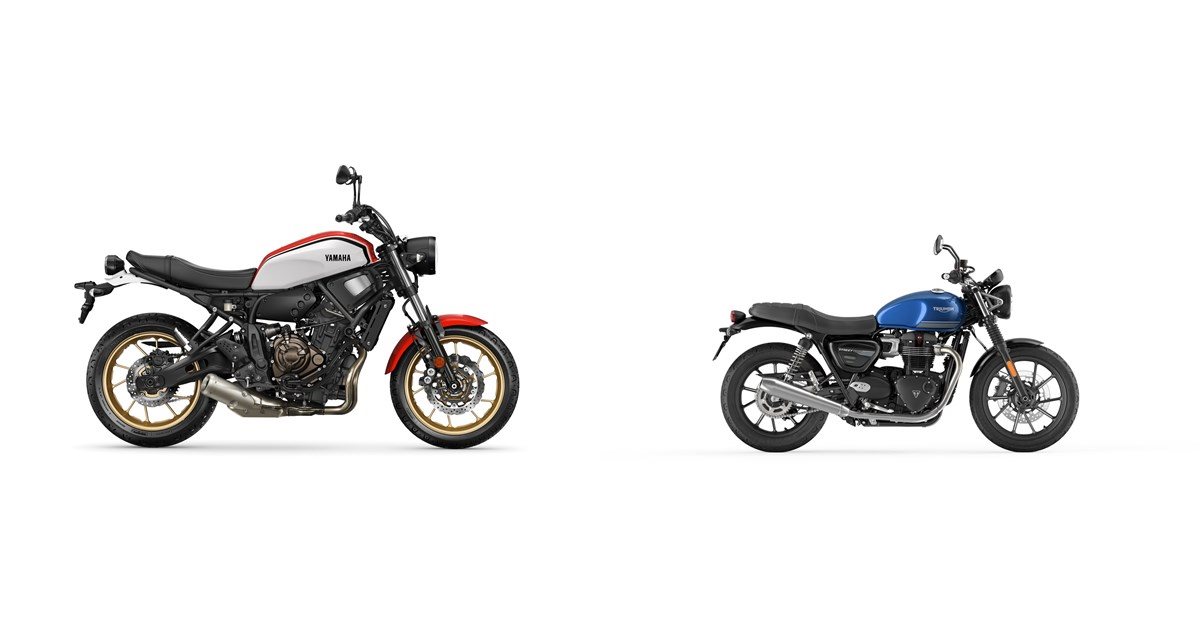
Comfort over the city days was genuinely impressive. The seat height of 835mm suits a wide range of inseams, and the foam density strikes a thoughtful balance between cushioning and support. After two and a half hours in the saddle on day two, neither lower back nor sit bones were registering any serious complaints.
Mountain Roads: Discovering Where the Fun Really Lives
Days four through six moved the test to twisting mountain roads, and this is where the XSR700 stops being a pleasant commuter and starts being an outright grin machine. The CP2 engine, revving freely through its mid-range, delivers a punchy 74 horsepower that feels entirely appropriate for this class of bike — enough to excite, never enough to terrify.
Flick the riding mode to Sport, and the throttle sharpens noticeably. The engine pulls with real urgency between 5,000 and 9,000 rpm, and the exhaust note — a crisp, mechanical bark — rewards hard riding in a way that synthetic-sounding inline-fours rarely do. The chassis, built around a steel diamond frame with adjustable rear preload and non-adjustable 41mm telescopic forks, holds its composure through fast sweepers and tight hairpins alike.
The traction control system proved its worth on a damp morning stretch of road on day five. A touch of rear-wheel slip on a painted line was caught and managed cleanly, without the intrusive, momentum-killing intervention you sometimes feel from less sophisticated systems. It's a calibration that encourages confidence rather than dependence.
Handling Character
The XSR700's geometry sits between sporty and neutral — not as aggressive as the MT-07 it shares mechanings with, but far from lazy. Turn-in is quick without being nervous, and the bike holds a chosen line faithfully through mid-corner, only requiring correction if you've genuinely misjudged entry speed. For intermediate and experienced riders, this makes the mountain section of our test an extended exercise in pure enjoyment.
What Could Be Better
No bike is perfect, and intellectual honesty demands we note a few limitations. The suspension, while competent, would benefit from more adjustment range — particularly at the front — for riders who push hard on technical roads or carry a passenger regularly. The stock seat, while comfortable for shorter stints, could use thicker padding for all-day touring ambitions. And while the TFT display is a genuine improvement, glare in direct afternoon sunlight occasionally made it harder to read than we'd prefer.
Wind protection, predictably for a naked retro bike, is minimal. Freeway speeds above 70 mph become tiring quickly, so the XSR700 remains firmly a B-road and city machine rather than a long-haul tourer. That's not a criticism so much as an acknowledgment of what the bike is designed to be.
The Verdict: Does the XSR700 Still Own the Segment?
After six varied, demanding days in the saddle, the answer is a confident yes — with a few caveats. The 2027 Yamaha XSR700 refines what was already one of the most well-rounded modern classics on the market. The improved electronics, smoother fueling, and new display bring it meaningfully up to date without disturbing the honest, mechanical character that made the original so appealing.
- Engine: 689cc CP2 parallel-twin, 74 hp, revised fuel mapping for 2027
- Electronics: Three riding modes, two-level traction control, new TFT display with Bluetooth
- Weight: 193 kg wet
- Seat height: 835 mm
- New colors: Deep Cyan Metallic, Matte Olive, and returning options
For riders seeking a bike that performs as beautifully as it looks — one that can handle a Tuesday morning commute and a Saturday mountain run with equal competence — the XSR700 remains the benchmark in its class. The competition is real and closing, but Yamaha's formula of accessible performance wrapped in genuine retro style is still the standard others are measured against.