Why a Dedicated Motorcycle GPS Still Beats Your Smartphone
In an era where every rider has a powerful computer in their jacket pocket, you might wonder whether a dedicated GPS unit still makes sense. After three months of back-to-back testing across more than 8,000 miles of varied terrain, the answer is a clear yes — at least for serious riders. Smartphones overheat in direct sun, lose signal in remote canyons, drain batteries rapidly when running navigation, and simply weren't designed to withstand rain, vibration, and temperature swings. A purpose-built motorcycle GPS addresses all of those problems while adding features tailored specifically to how we ride.
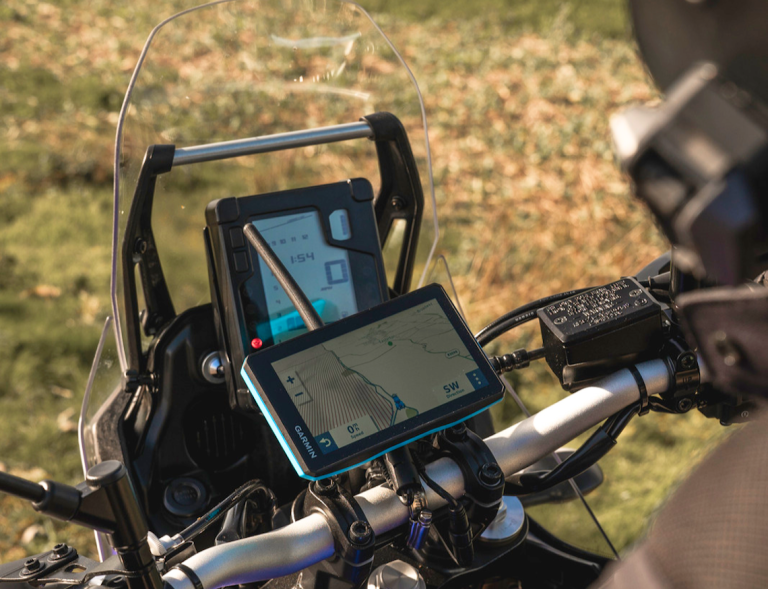
GPS device mounted on handlebars while riding
We tested eight units across a range of price points, mounting them simultaneously on two bikes — a BMW R 1250 GS Adventure and a Ducati Multistrada V4 S — to compare displays, routing logic, durability, and ease of use under real-world conditions. Here's what we found.
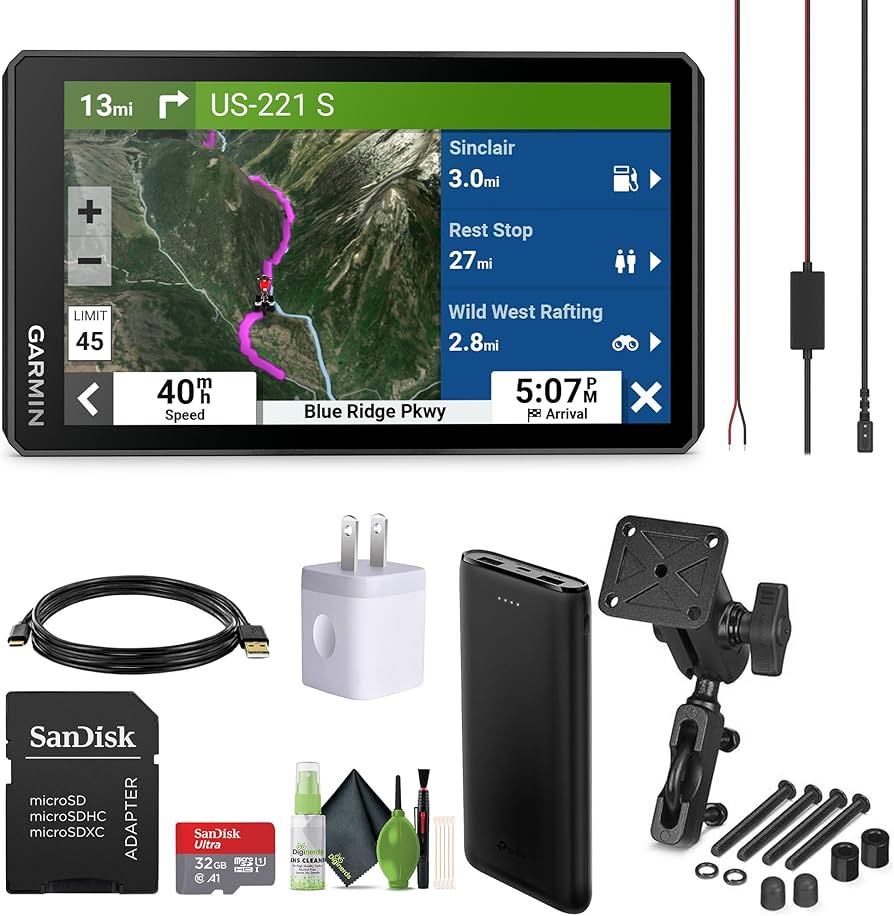
Close-up of Garmin Zumo XT2 screen in use on a motorcycle
The Contenders
Garmin Zūmo XT2
Garmin Zūmo 396 LMT-S
TomTom Rider 550
Sygic GPS Navigation (Motorcycle Mode, tablet mount)
Tripy 3 Pro
Navitel MS600
Beeline Moto 2
Garmin DriveTrack 76 (adventure crossover)
Testing Criteria
We evaluated every device across six key categories: display visibility in direct sunlight, weather resistance, routing intelligence (including twisty-road preference modes), ease of gloved-hand operation, battery life and charging compatibility, and connectivity features like Bluetooth, smartphone integration, and live traffic updates. Price-to-value ratio rounded out our scoring.
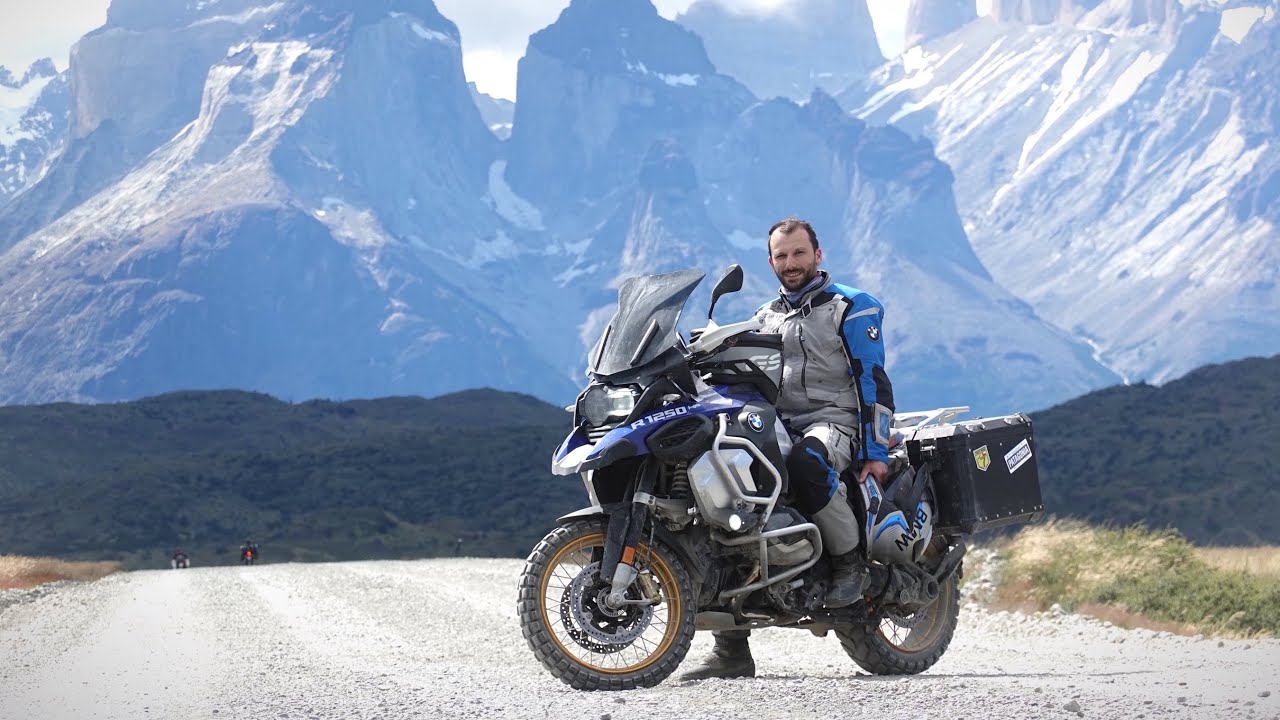
Test bike on scenic mountain road to illustrate real-world testing
Top Pick: Garmin Zūmo XT2
The Garmin Zūmo XT2 was our unanimous top performer, and it wasn't particularly close. The 6-inch high-contrast display remained perfectly legible in harsh midday sun — something several rivals simply couldn't match. Garmin's Adventure Routing algorithm does exactly what it promises: feed it a destination and it will plot a path that actively seeks out curves and elevation changes rather than defaulting to the fastest slab route. On a ride through the Ozarks, it consistently chose roads we'd have picked ourselves.
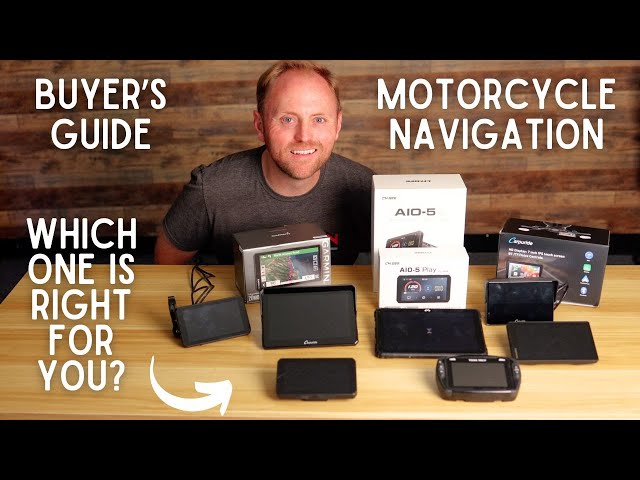
Flat-lay or bench comparison of multiple GPS units tested
Gloved operation has been dramatically improved over earlier Zūmo models. The touchscreen is responsive even with thick winter gauntlets, and the pinch-to-zoom gesture works reliably. Pairing with the Garmin Ride app gives you live weather overlays, Foursquare points of interest, and the ability to plan routes on your laptop and push them to the device in seconds. IP67 waterproofing meant zero anxiety on a particularly brutal rainy day in Tennessee. At around $599, it's an investment — but it's the one we'd spend our own money on.
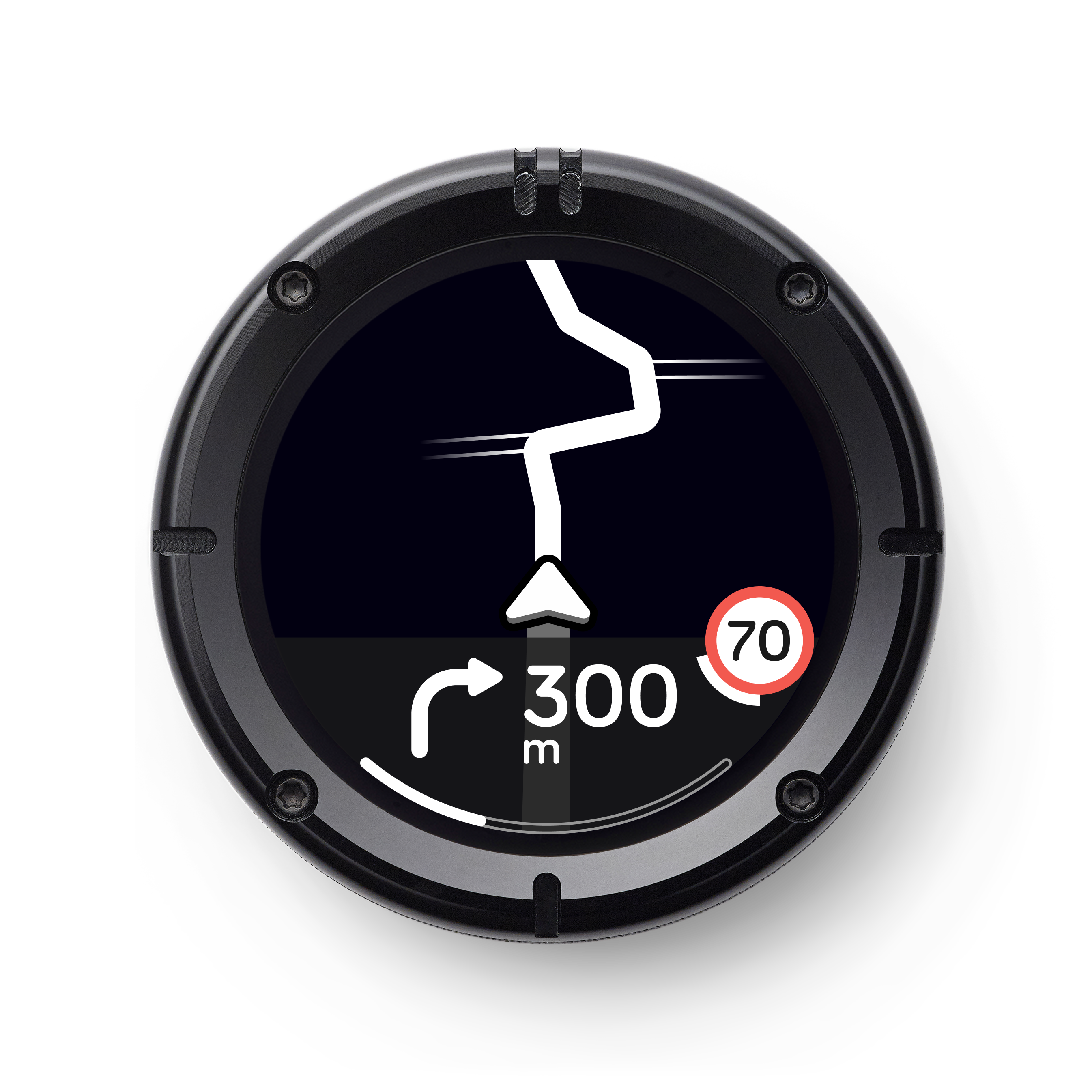
The Beeline Moto 2 mounted on handlebars showing compass interface
Best Budget Pick: Garmin Zūmo 396 LMT-S
For riders who want proven Garmin routing without the premium price, the Zūmo 396 LMT-S delivers most of what matters at roughly $350. The 4.3-inch display is smaller and noticeably harder to read in bright sun compared to the XT2, but it's acceptable for riders who primarily ride in the early morning or evening. Lifetime map updates and traffic data are included, which is a genuine value-add at this price point. It lacks the Adventure Routing sophistication of the XT2, but Adventurous Routing is available as a lighter version. If your budget tops out before you reach flagship territory, this is where to land.
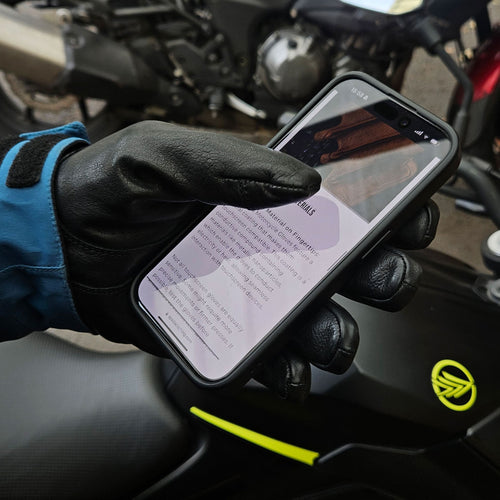
Rider using gloved hand to operate a GPS touchscreen while stopped
Best for Europe-Based Touring: TomTom Rider 550
The TomTom Rider 550 remains a strong choice, particularly for riders doing long European tours. Its lifetime map coverage for 48 countries is exceptional, and the route planning software — especially via the MyDrive web platform — is genuinely excellent for pre-trip planning. Road trip itineraries with multiple waypoints are handled elegantly. Where it falls short is display brightness; in direct afternoon sun, we frequently found ourselves squinting. TomTom's smartphone notification integration also feels a generation behind Garmin's. That said, its community-sourced road warnings and speed camera alerts are class-leading.
Most Innovative: Beeline Moto 2
The Beeline Moto 2 takes a radically different approach. Rather than displaying a traditional map, it shows a minimal compass-style interface that tells you direction and distance to your next waypoint. It sounds counterintuitive, but it actively encourages you to keep your eyes on the road. Pairing via the Beeline app is seamless, and the unit's tiny footprint means it fits on virtually any handlebar setup without cluttering your cockpit. For riders who use GPS more as a safety net than a turn-by-turn crutch, it's brilliant. For complex urban navigation or first-time visits to an unfamiliar region, it shows its limitations.
Adventure-Specific Standout: Garmin DriveTrack 76
Designed primarily as a dog-tracking and off-road hunting device, the DriveTrack 76 earned a spot on our list because it excels in one specific scenario: deep off-road navigation where dedicated moto GPS units struggle. Its topographic maps are exceptional, it operates in extreme temperature ranges, and the battery life is remarkable. It's not optimized for street riding and lacks motorcycle-specific routing modes, but for dual-sport and adventure riders heading into genuinely remote territory, it's a compelling option when paired with a secondary unit for highway navigation.
The Rest of the Field
The Tripy 3 Pro is a French-engineered unit with a loyal following in Europe. Build quality is excellent and the handlebar mount system is among the best we tested, but the software interface feels dated and routing logic lagged behind Garmin and TomTom. The Navitel MS600 impressed with its price point (under $150) and offered surprisingly capable maps for Eastern Europe and Russia, but display contrast and software stability were consistent weak points. Sygic in motorcycle mode on a RAM-mounted tablet showed promise — the interface is polished and speed limit warnings are accurate — but it still suffers from the fundamental limitations of smartphone-based navigation including heat management and battery drain.
Key Features to Look For in 2026
Sunlight-readable display: Minimum 1,000 nits brightness; the XT2 hits 1,400 nits
Glove-friendly touchscreen: Test before you buy if possible
Adventure Routing or Twisty Road mode: A genuine game-changer for weekend riders
IP67 or better waterproofing: Don't compromise here
Bluetooth connectivity: For helmet comms, headsets, and smartphone sync
Lifetime map and traffic updates: Calculate the long-term cost of subscription models
Mount compatibility: Check RAM and handlebar mount options before purchasing
Final Verdict
The motorcycle GPS market in 2026 is more capable than it's ever been, with devices at every price point offering genuine value. Garmin continues to dominate for good reason: the Zūmo XT2 is the best all-around motorcycle navigation device money can buy, and the Zūmo 396 LMT-S is the smart budget choice. TomTom remains relevant for European touring specialists, and the Beeline Moto 2 is a genuinely fresh approach worth exploring for minimalist riders. Whatever you choose, your rides will be better for it — spend the time to plan your routes properly, keep your maps updated, and let technology handle the navigation so you can focus on what matters: the road ahead.