
1950
Hercules 211 - Specifications & Review
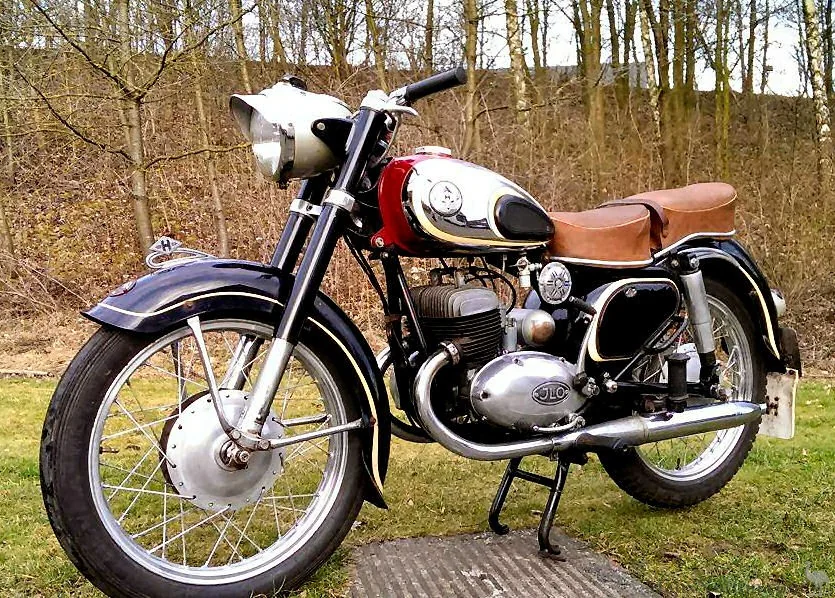
Article Complete Info
| Articleid | 274764 |
|---|---|
| Category | Sport |
| Make | Hercules |
| Model | 211 |
| Year | 1950 |
Chassis, Suspension, Brakes & Wheels
| Frontbrakes | Expanding brake (drum brake) |
|---|---|
| Frontsuspension | Telescopic |
| Fronttyre | 2.50-26 |
| Rearbrakes | Expanding brake (drum brake) |
| Rearsuspension | Rigid |
| Reartyre | 2.50-26 |
| Seat | Single |
| Wheels | Spoked |
Engine & Transmission
| Borexstroke | 48.0 x 52.0 mm (1.9 x 2.0 inches) |
|---|---|
| Coolingsystem | Air |
| Displacement | 98.00 ccm (5.98 cubic inches) |
| Enginedetails | Single cylinder, two-stroke |
| Fuelsystem | Carburettor |
| Power | 2.25 HP (1.6 kW)) @ 3500 RPM |
| Topspeed | 60.0 km/h (37.3 mph) |
| Transmissiontypefinaldrive | Chain |
Other Specifications
| Starter | Kick |
|---|
Physical Measures & Capacities
| Dryweight | 68.0 kg (149.9 pounds) |
|---|---|
| Powerweightratio | 0.0331 HP/kg |
About Hercules
Country of Origin:
Germany
Founder:
Carl Marschütz (Sachs/Hercules works in Nuremberg)
Best Known For:
Robust mopeds and the Wankel rotary motorcycle (W2000)
Company History
Hercules was a pillar of German light-motorcycle production, best known for dependable mopeds and small commuters that mobilized postwar Europe. Partnered closely with Sachs for engines, Hercules bikes were sturdy, repairable, and everywhere—from factory gates to schoolyards. In the 1970s, the company took a daring turn with the W2000, the first production Wankel rotary motorcycle, showcasing German appetite for engineering novelty. While the rotary’s heat and fuel-consumption challenges limited success, the bike demonstrated ambition and left a cult legacy. As car ownership rose and licensing shifted, Hercules’ core moped market shrank; the brand later consolidated within larger industrial groups. Historically, Hercules represents the backbone of everyday mobility and a flash of bravery in the W2000. For collectors, tidy Sachs-powered mopeds embody honest engineering, while a W2000 on song remains one of motorcycling’s most fascinating mechanical experiences—silky, odd, and undeniably inventive.