Why Wind Is One of Riding's Biggest Challenges
Rain gets all the attention when riders talk about dangerous weather conditions, but wind — especially persistent crosswinds on long stretches of highway — can be just as physically and mentally draining. It demands constant micro-corrections, taxes your muscles, and can catch you completely off guard when it shifts direction without warning. Whether you're carving through the desert Southwest or hammering down a Midwestern interstate, understanding how to work with and against the wind is a skill every rider needs in their toolkit.

Here are five practical tips that can help you stay safe, comfortable, and in control when the wind picks up.
1. Start With the Right Helmet
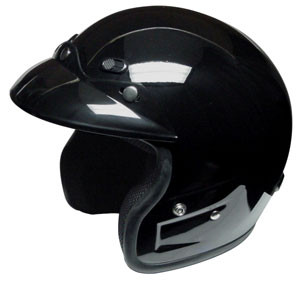
Your helmet is your first line of defense against wind, and not all lids are created equal when it comes to aerodynamic performance. A helmet that isn't designed with aerodynamics in mind will catch air, buffet around on your head, create excessive noise, and cause serious fatigue on a long ride — especially in gusty conditions.
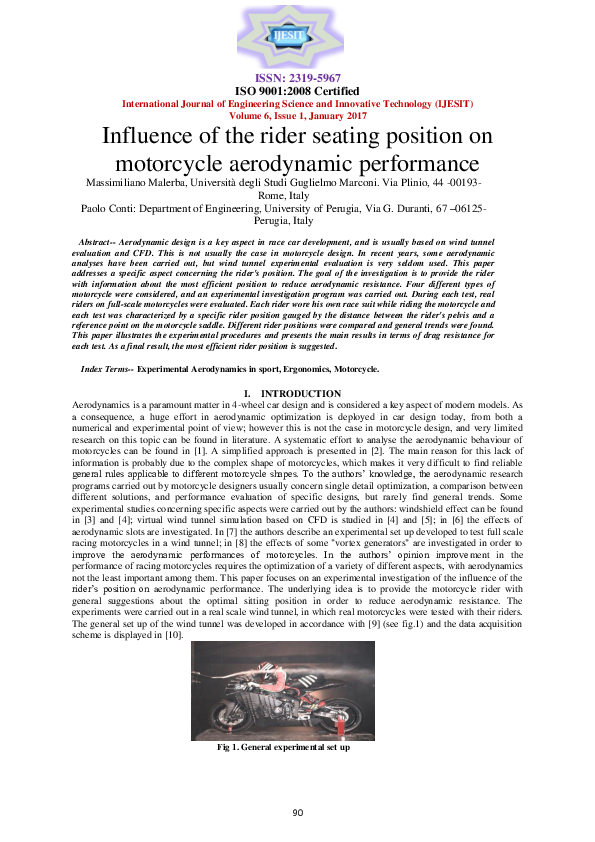
Look for a helmet with a streamlined profile and a quality shield that seals well around the edges. If your helmet has a peak or sun visor, consider removing it in windy conditions, as these protrusions dramatically increase drag and can cause the helmet to move around on your head. Venting can also be a factor — on cold, windy days, closing your vents can reduce the amount of air rushing through the helmet and help cut down on noise and pressure.
If you've ever ridden with a bubble visor in high winds and experienced that unnerving wobble when turning your head side to side, you already know how much helmet design matters. Invest in a well-reviewed, aerodynamic helmet if you regularly ride in open, exposed environments.
2. Protect Your Eyes — No Exceptions
Wind stirs up dust, grit, insects, and debris. Even in conditions that seem clean, a sustained crosswind can drive particulates straight into your eyes if they're not properly protected. Tearing eyes, blurred vision, or a piece of debris under a contact lens while traveling at highway speed is a recipe for disaster.
Sunglasses offer minimal protection in truly windy conditions because gaps around the frame allow air and debris to get in from multiple angles. A full-face helmet with a quality, well-sealed visor is the gold standard. If you ride in an open-face helmet or half shell, consider foam-sealed motorcycle goggles, which are specifically designed to block out wind and debris. Your vision is non-negotiable — protect it accordingly.
3. Adjust Your Body Position for the Type of Wind
This is where riding in wind becomes a genuine skill, and it's the most physically demanding aspect of managing adverse wind conditions. Understanding the three types of wind you'll encounter — headwinds, tailwinds, and crosswinds — and adjusting your body position accordingly can make a dramatic difference in both control and fatigue.
Headwinds
When wind is coming directly at you, the best strategy is to reduce your frontal profile as much as possible. Tuck down, lower your chest toward the tank, and pull your elbows in. Many riders use a tank bag stuffed with soft gear as a surface to lean against, which helps you maintain a lower, more aerodynamic position for extended periods. Your legs will start to fatigue in this tucked position, so don't be afraid to briefly stretch them out and allow the headwind to push against them for a moment of relief before tucking back in.
Tailwinds
Tailwinds are the friendliest of the three — they push you forward, improve fuel economy, and don't require much adjustment. Relax, ride normally, and enjoy the assist. Just remember that as roads curve, a tailwind can shift into a crosswind quickly, so stay alert.
Crosswinds
Crosswinds are the most technically demanding. When wind pushes from one side, it tries to push the entire bike in that direction, requiring you to constantly lean or counter-steer into the wind to maintain your line. One effective technique is to use your body as a drag device on the windward side. Stick the leg on the side the wind is coming from out away from the bike, while keeping the opposite leg tucked in. This creates asymmetric drag that helps counteract the lateral push of the wind, reducing how much you need to physically lean into it. It's not a perfect fix, and your legs will still get tired, but it meaningfully reduces the effort required to hold your line.
4. Watch for Large Objects That Disrupt Wind Flow
Mountains, highway overpasses, large buildings, sound walls, and semi-trucks all interrupt wind flow in ways that can catch you off guard. If you've been battling a stiff crosswind for miles and then suddenly ride into the wind shadow of a large rock formation or a cluster of buildings, the wind disappears — and if you've been leaning hard into it, you can find yourself suddenly veering sharply in the opposite direction.
The same principle applies in reverse: riding out from behind a windbreak into an exposed section of road can slam you with a sudden gust that feels like hitting a wall.
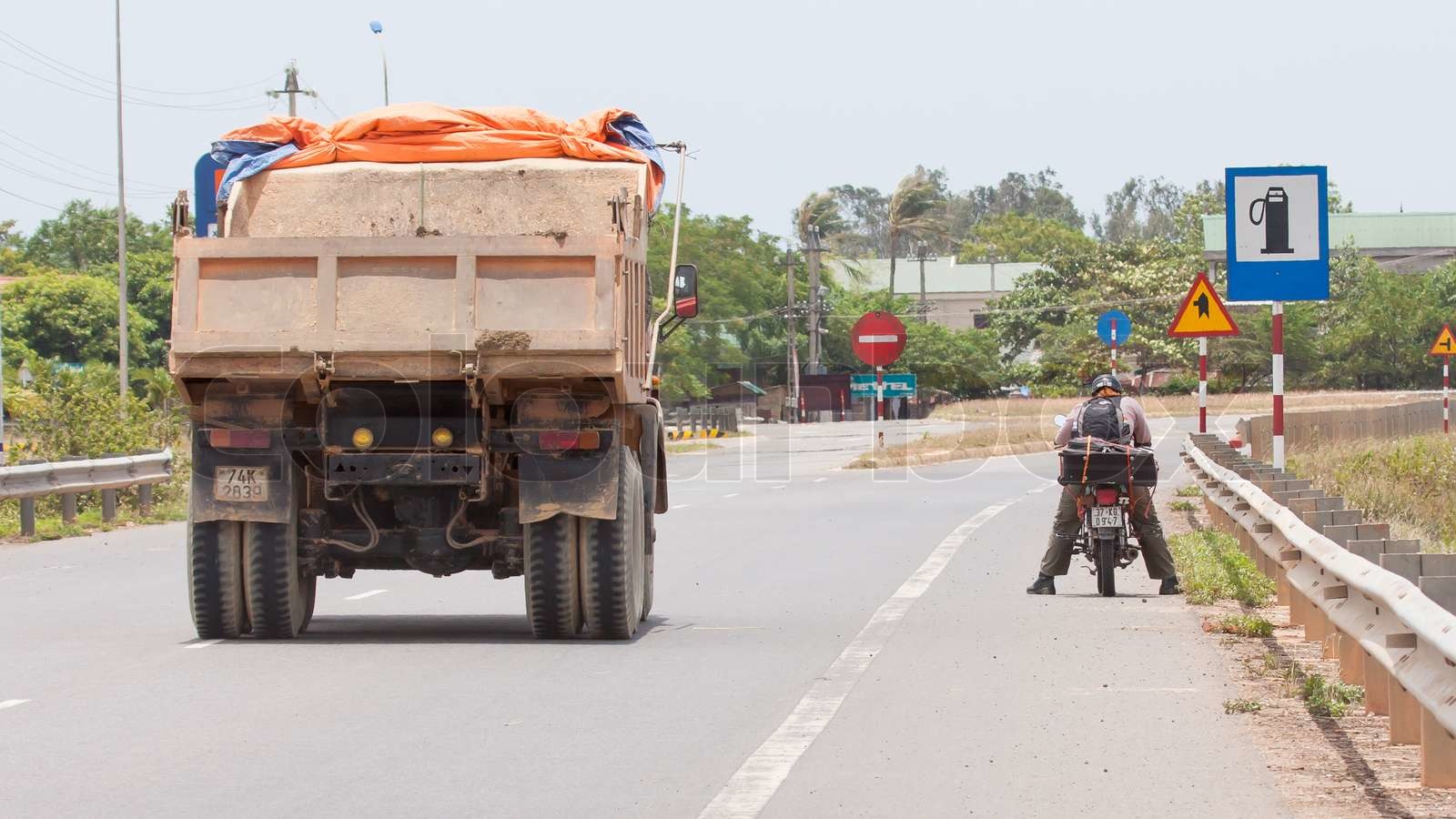
Semis deserve special mention. Large trucks create their own turbulent wind tunnels in their wake, and when you're passing one, you may experience a momentary crosswind effect as you move from the truck's sheltered side to full exposure. The technique here is simple: when you're alongside a semi, don't loiter. Accelerate confidently and get clear of the truck's influence zone as quickly and safely as possible.
Anticipating these wind shadow transitions — looking ahead at the terrain and traffic around you — gives you time to adjust your body position and grip before the wind changes rather than reacting after the fact.
5. Stop and Rest When You Need To
Riding in wind is exhausting in a way that's easy to underestimate until you've done it for a few hours. Your core, arms, hips, and legs are constantly working to stabilize the bike and maintain your position. Layer in heat, cold, or rain on top of that and the fatigue compounds quickly.
There's no shame in pulling off the highway for 15 to 20 minutes at a rest stop, gas station, or fast food restaurant. Get off the bike, stretch your hip flexors and lower back, hydrate, and let your muscles recover. A brief stop can reset your alertness and physical capacity more than you'd expect.
Riding while fatigued in adverse conditions is genuinely dangerous. When you're exhausted, your reaction times slow, your grip weakens, and a sudden gust that you would have easily handled with fresh muscles can overwhelm you. Know your limits, plan for breaks on long windy stretches, and treat rest as part of your safety strategy — not an admission of weakness.
Final Thoughts
Wind is an unavoidable part of motorcycling, especially for riders who cover long distances or ride in open, exposed regions. The good news is that with the right gear, sound technique, situational awareness, and a willingness to rest when needed, you can manage even challenging wind conditions safely and confidently. Master these five fundamentals and windy days will go from something you dread to just another condition you know how to handle.
Stay smooth, stay aware, and ride safe out there.