When it comes to buying a used motorcycle, one of the first considerations that often comes to mind is mileage. But how important is mileage really when making this decision? In this article, we’ll delve into the significance of mileage, how it impacts a bike's value, and what other factors you should consider to ensure you make a wise purchase.
The Significance of Mileage
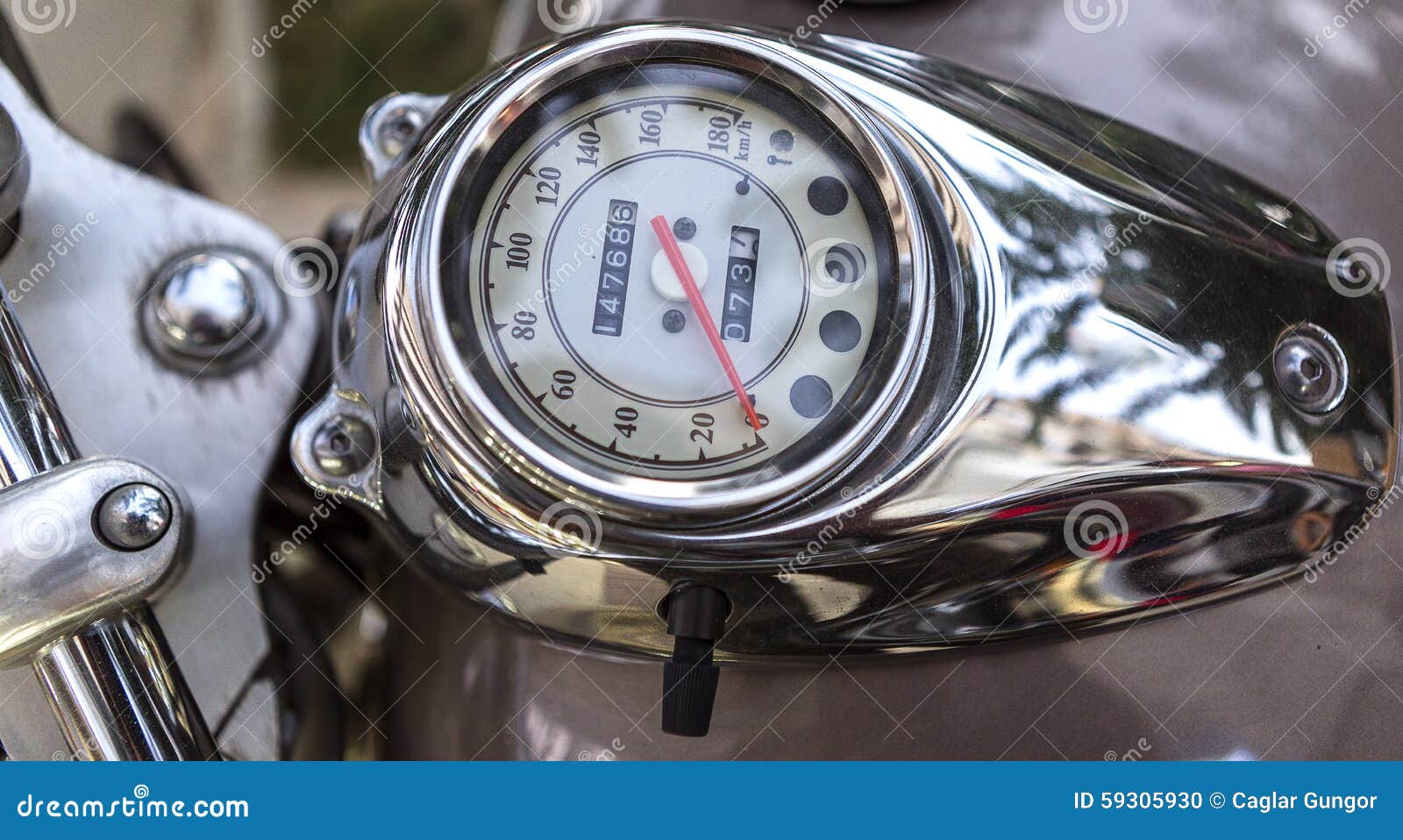
Mileage on a motorcycle is analogous to the mileage on a car; it is a measure of how much the bike has been used. Generally, lower mileage is preferred because it suggests less wear and tear. However, it is not the sole indicator of a motorcycle's condition. Mileage can provide a snapshot of the bike’s usage history, but it is essential to look beyond the numbers.
Understanding Mileage in Context
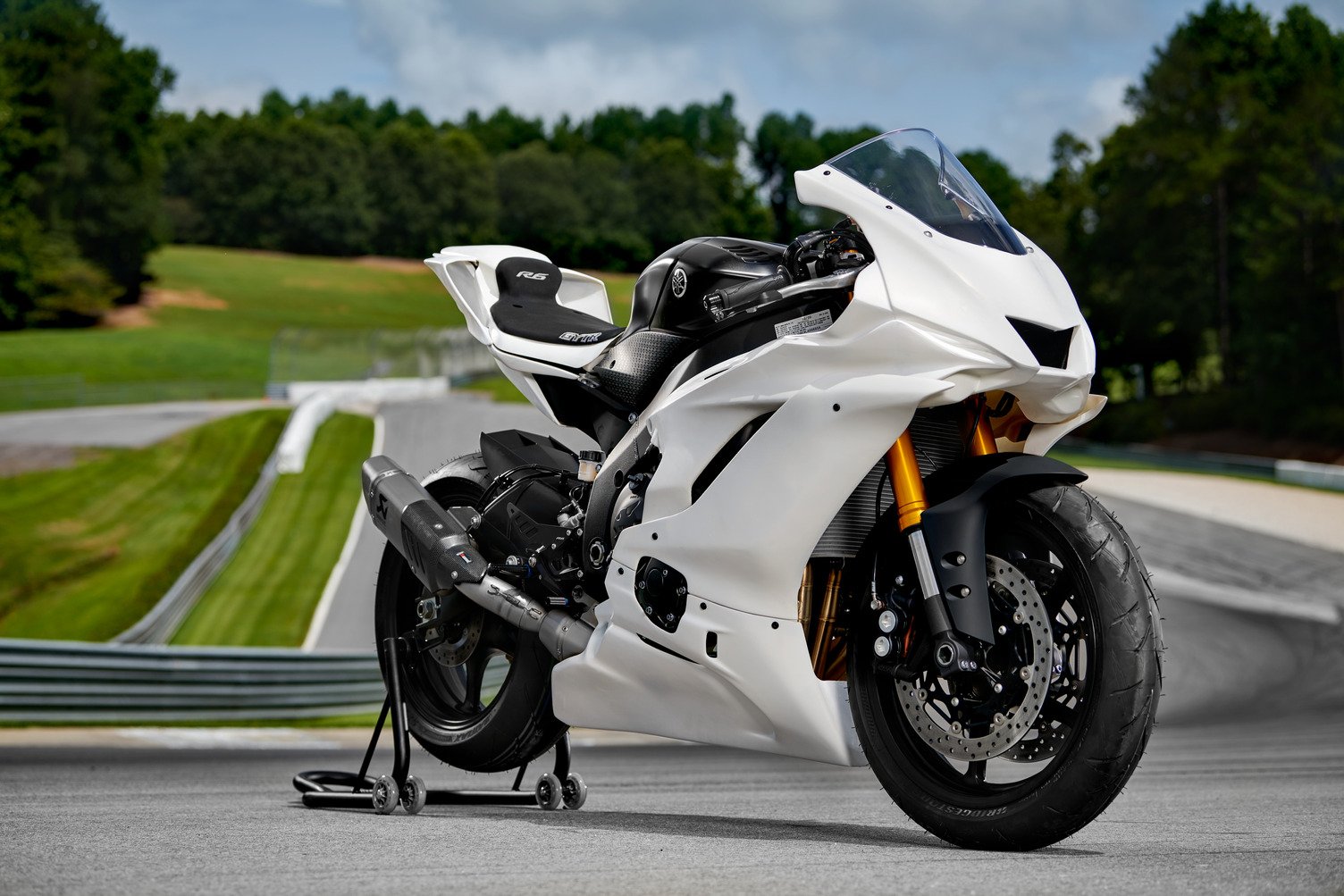
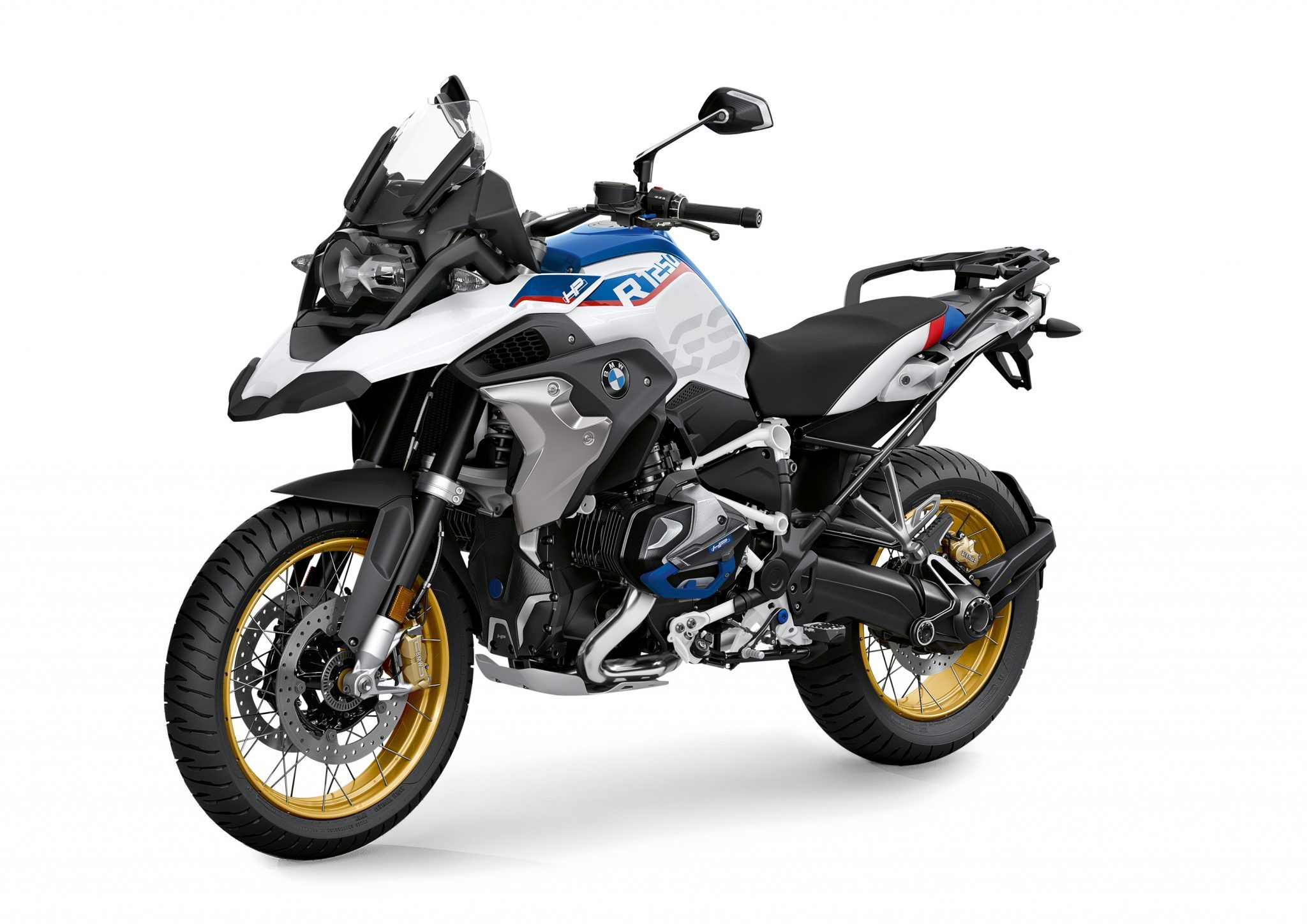
Motorcycles, unlike cars, can vary significantly in how they are used. For instance, a sportbike like the Yamaha YZF-R6 might accumulate miles differently compared to a touring bike like the BMW R1250GS. Sportbikes might have lower mileage but could have been ridden more aggressively, while touring bikes might have higher mileage from long, steady rides. Therefore, understanding the type of bike and its intended use is crucial when evaluating mileage.
Other Factors to Consider
While mileage is important, it should not be the only factor you consider. Here are some other crucial aspects:
- Maintenance History: A well-maintained bike with higher mileage might be a better purchase than a low-mileage bike with poor maintenance records. Look for regular service intervals and any major repairs.
- Overall Condition: Inspect the bike for signs of wear and tear. Check the tires, brakes, chain, and sprockets. A visual inspection can tell you a lot about how the bike was cared for.
- Ownership History: Fewer previous owners can sometimes mean a bike has been better cared for. However, this is not a hard and fast rule.
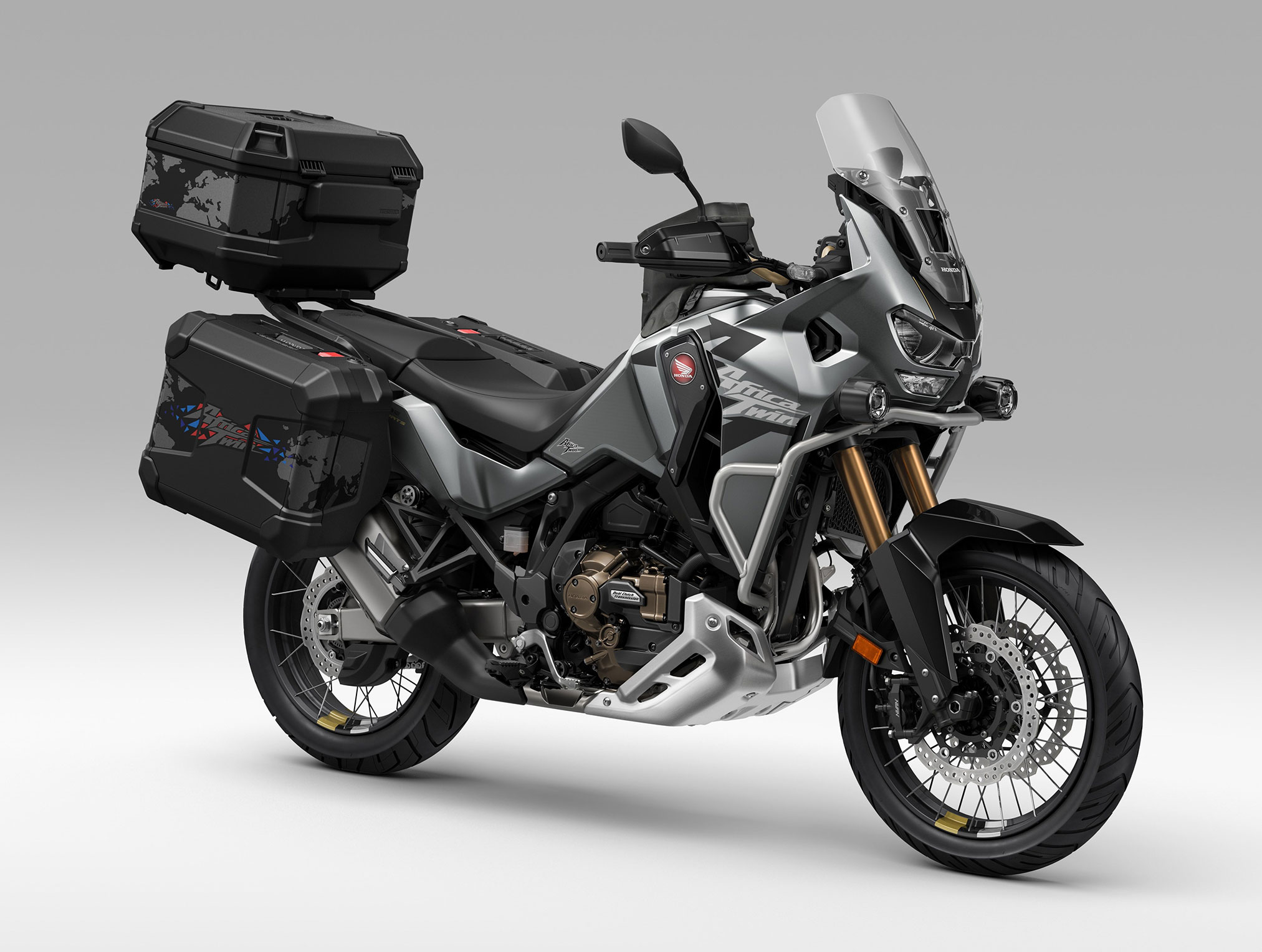
- Model Reliability: Some models are known for their longevity. For instance, the Honda Africa Twin is renowned for its durability, making higher mileage less of a concern.
Mileage vs. Age
Another consideration is the age of the motorcycle. A newer bike with high mileage might still be a better buy than an older bike with low mileage due to advancements in technology and materials. Newer bikes often have better safety features and improved performance metrics.
When High Mileage Might Be Acceptable
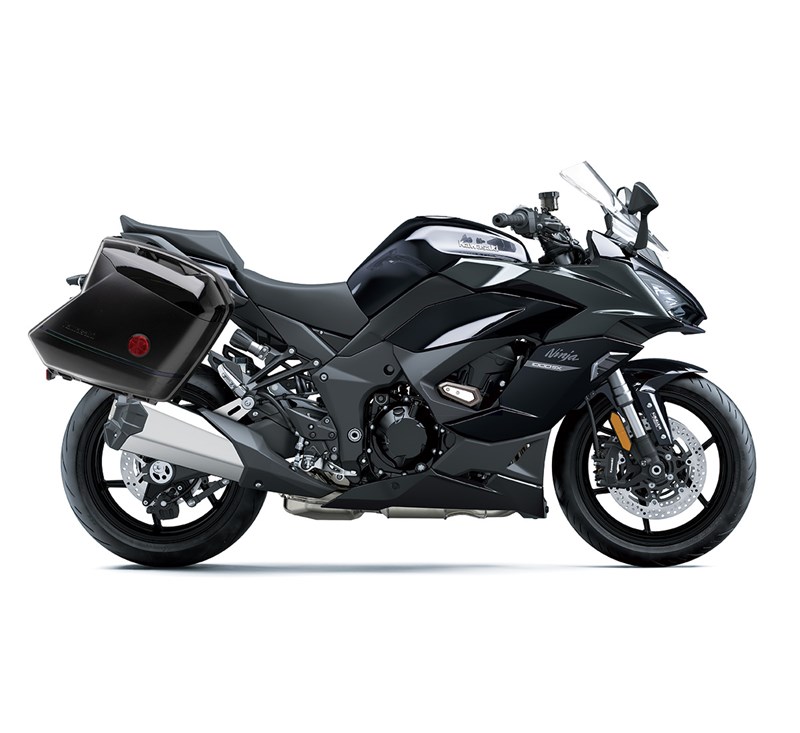
High mileage should not be an automatic deal-breaker. If a bike has been well-maintained, with records to prove it, and is known for its reliability, it might still be a great purchase. This is often the case with touring bikes designed for long journeys, such as the Kawasaki Ninja 1000.
Conclusion
In conclusion, while mileage is an important factor when buying a used bike, it should be considered alongside other factors like maintenance history, overall condition, and model reliability. By taking a holistic approach, you can ensure that you purchase a motorcycle that meets your needs and provides great value.