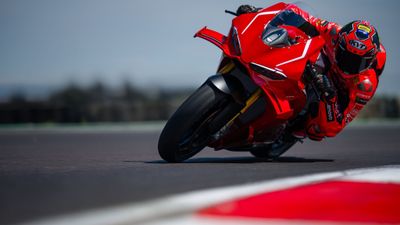
Maxi-Scooter vs Small Displacement Motorcycle: The Ultimate Urban Commuter Showdown
The urban two-wheeler market has never been more compelling — or more confusing. Walk into any dealership in 2026 and you'll find a remarkable spread of options designed specifically for city riding: sleek maxi-scooters with automatic transmissions and underseat storage, and nimble small displacement motorcycles with proper gearboxes and a more traditional riding feel. Both categories promise freedom from traffic gridlock, but they deliver that freedom in very different ways. If you're trying to choose between the two, this guide will walk you through every key dimension — cost, comfort, practicality, insurance, and long-term ownership — so you can invest your money wisely.
Defining the Categories
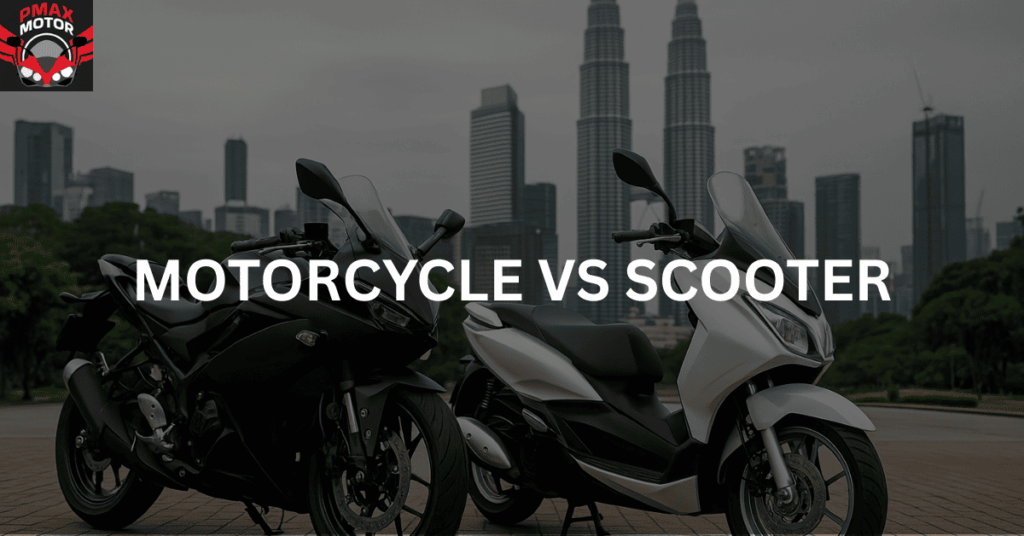
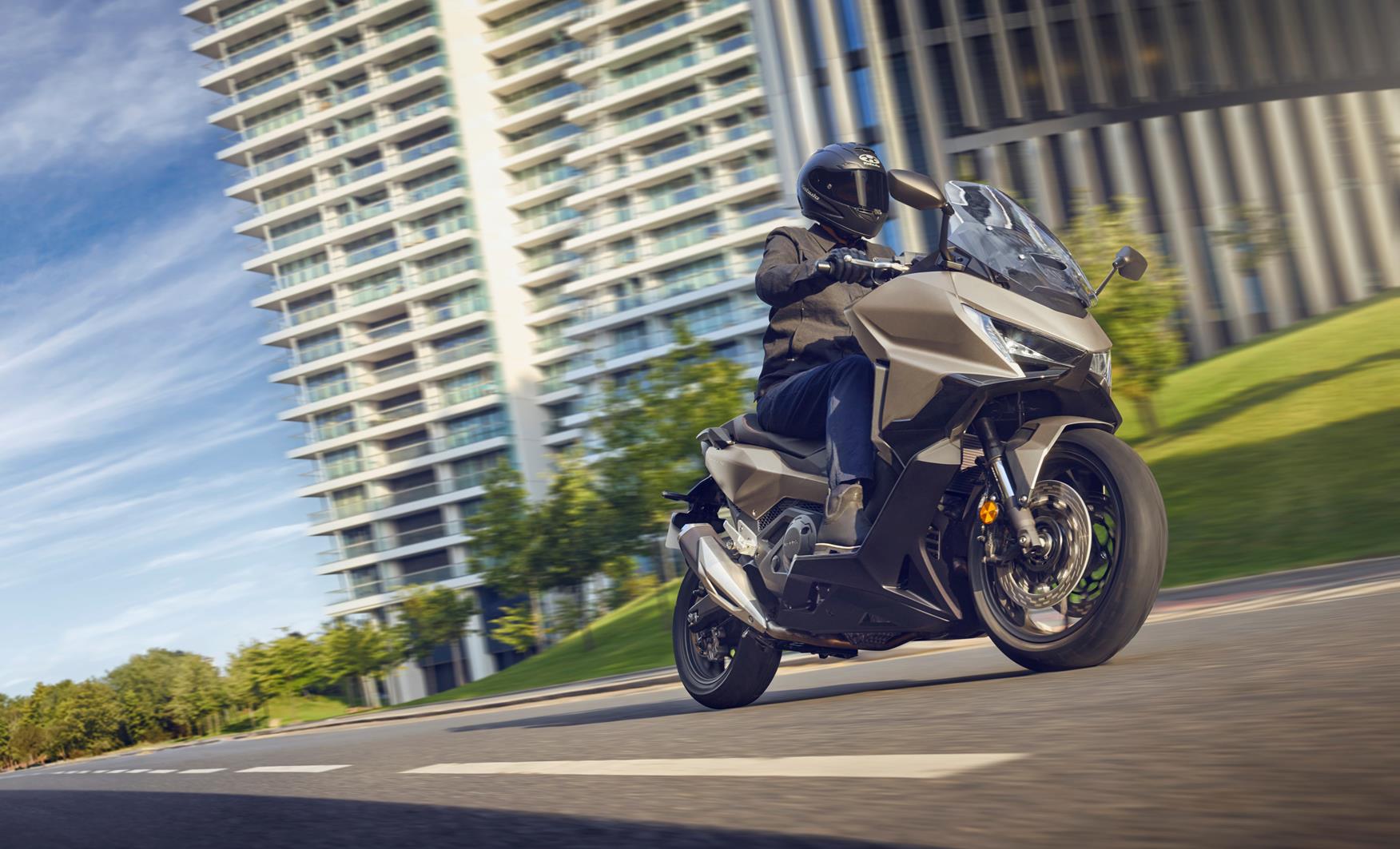
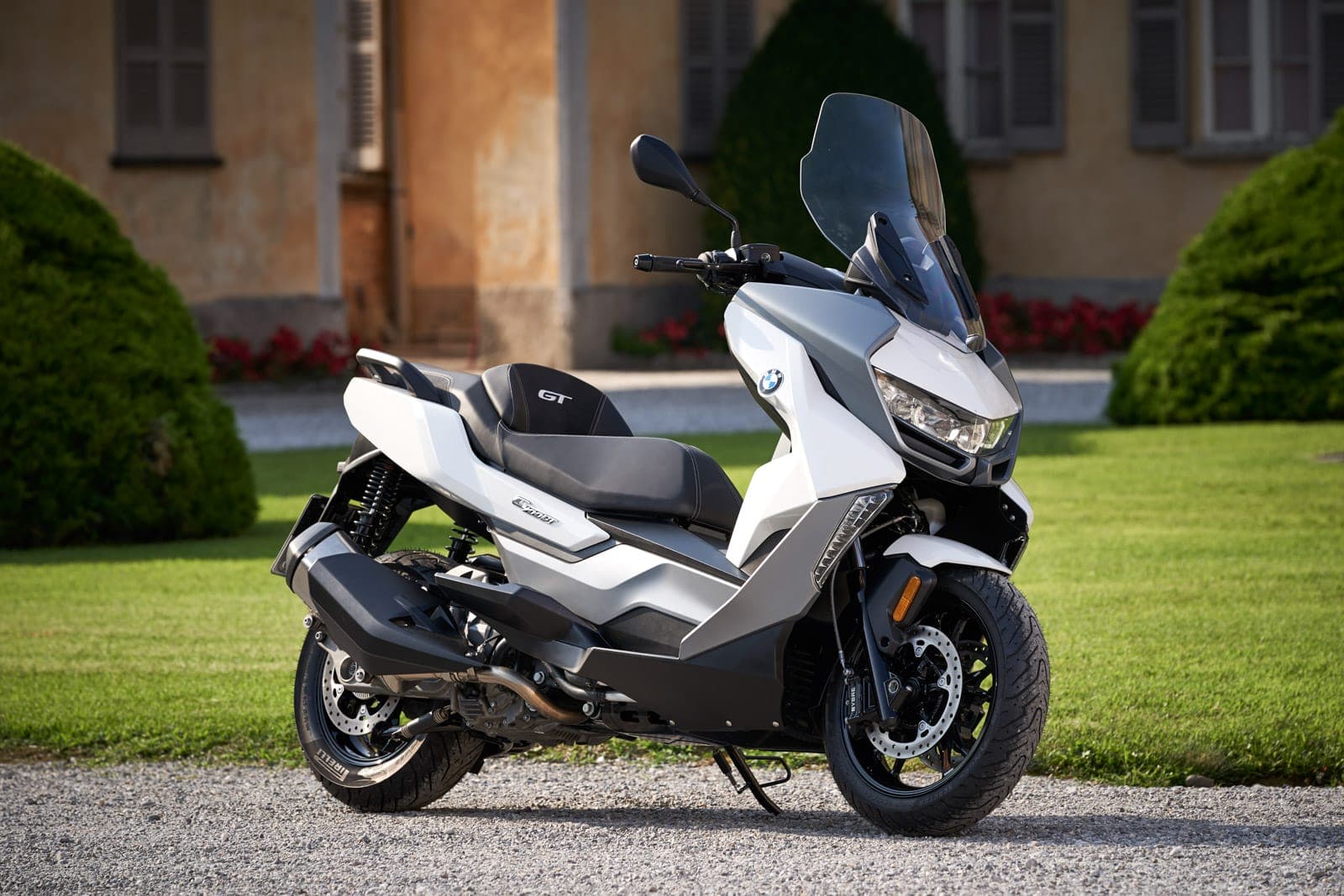
Before we dive into comparisons, let's establish what we're actually talking about. A maxi-scooter typically refers to a scooter with an engine displacing 250cc or larger — often 400cc to 750cc — featuring a step-through or step-under frame design, automatic CVT transmission, integrated bodywork, and substantial built-in storage. Popular examples include the Honda Forza 750, Yamaha XMAX 300, Kymco AK 550, and BMW C 400 GT.
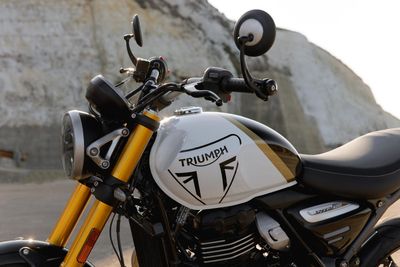
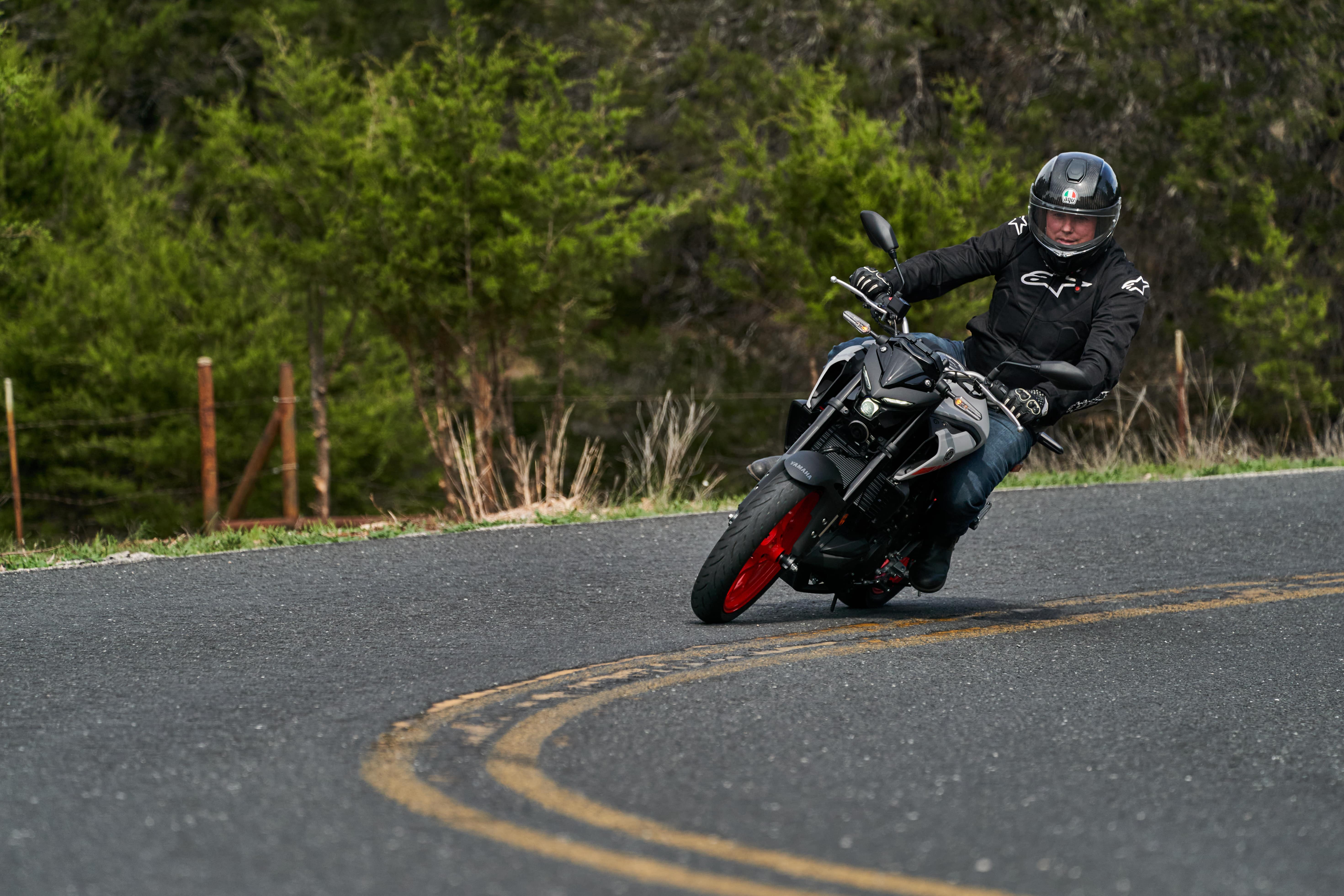
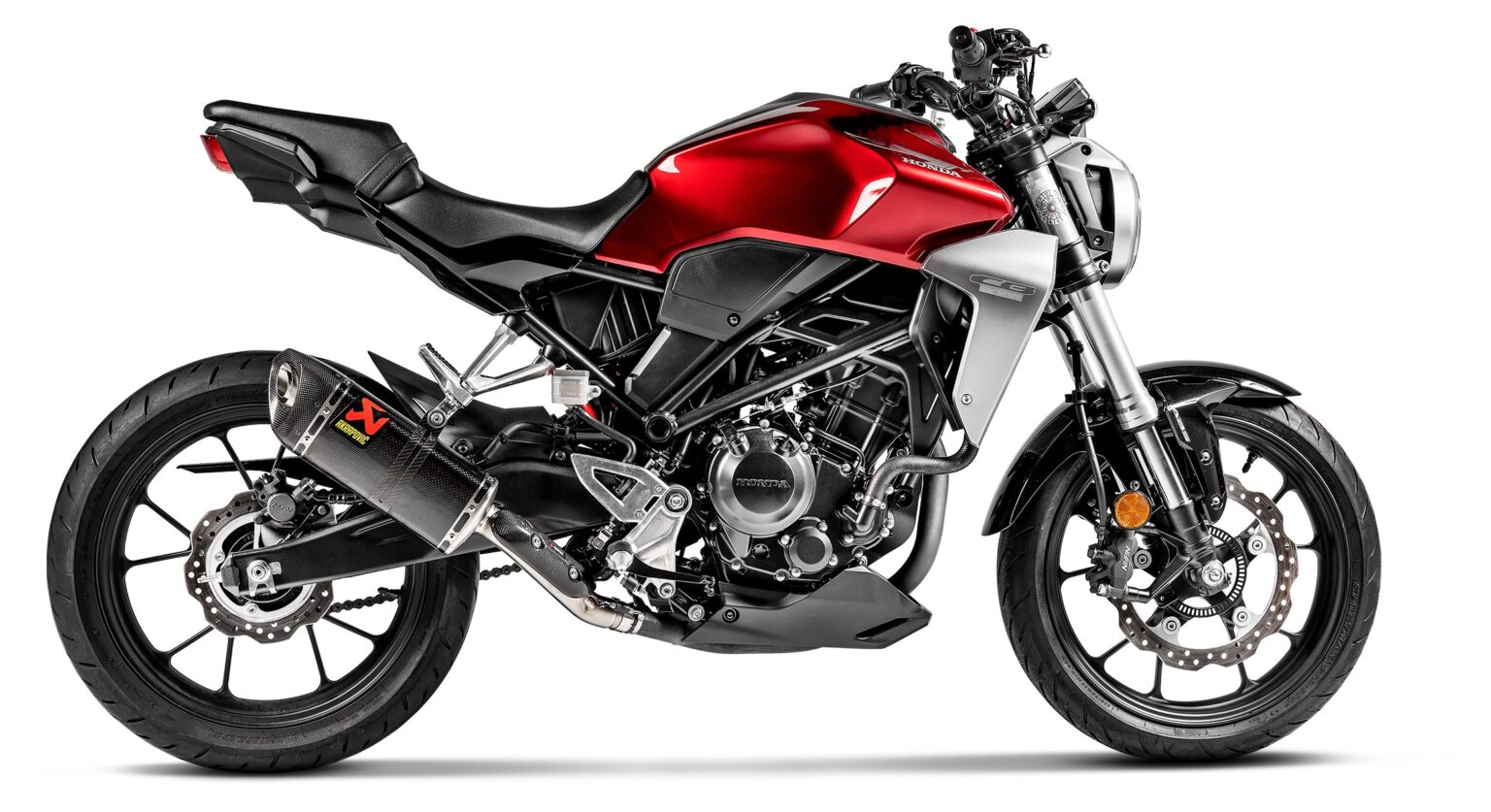
A small displacement motorcycle, for our purposes, means a traditional bike with a manual gearbox displacing roughly 300cc to 500cc. Think models like the Honda CB300R, Kawasaki Z400, Royal Enfield Meteor 350, and Yamaha MT-03. These bikes look and ride like conventional motorcycles — two wheels, a fuel tank you straddle, and a clutch lever in your left hand.
Purchase Price and Upfront Costs
Price is often the first conversation stopper. In 2026, well-equipped maxi-scooters in the 300–500cc range typically start between $5,500 and $9,000 USD, while larger 600–750cc maxi-scooters from premium brands can climb toward $12,000–$15,000. Small displacement motorcycles in the same 300–500cc sweet spot generally range from $4,500 to $7,500, giving them a slight edge on entry-level pricing — though premium 400cc nakeds from European or Japanese brands can close that gap quickly.
Don't forget to factor in gear, registration fees, and any dealer prep charges. Both categories benefit from relatively low insurance costs compared to liter-class bikes, but maxi-scooters can attract slightly higher premiums due to their higher replacement parts costs and more complex bodywork.
Running Costs: Fuel, Maintenance, and Tires
This is where the maxi-scooter often pulls ahead for pure commuters. The CVT transmission and typically efficient engine mapping on scooters like the Yamaha XMAX 300 or Honda Forza 350 can deliver fuel economy figures of 70–90 mpg in mixed urban riding. Comparable small motorcycles tend to return 55–75 mpg depending on how aggressively you ride the gearbox.
Maintenance intervals are another consideration. Maxi-scooter CVT belts need periodic replacement — typically every 12,000–18,000 miles — adding a cost that manual motorcycle owners don't face. However, the absence of a clutch cable, and generally simpler valve adjustment schedules on single-cylinder scooter engines, can offset that. Tires on maxi-scooters are often smaller in diameter but wider, and quality replacements can be more expensive than the more standardized tire sizes found on small motorcycles.
Comfort and Ergonomics
Ride a maxi-scooter for a week and you'll understand why they dominate commuting markets in Europe and Asia. The step-through ergonomic design means no swinging a leg over a tank — you simply sit down. The upright seating position, often with a generous seat width and foam density, is genuinely comfortable for 45-minute commutes. Wind protection from integrated bodywork and available tall windscreens on models like the Kymco AK 550 or BMW C 400 GT is excellent.
Small displacement motorcycles offer a more engaging, connected riding experience. The riding triangle — feet on pegs, hands on bars, body balanced — gives you sharper physical feedback and more precise cornering feel. For riders who enjoy the act of riding as much as the destination, this is a significant advantage. That said, after 30+ miles in stop-and-go traffic, the wrist support and lower-body relaxation of a maxi-scooter starts to feel very appealing.
Practicality: Storage, Utility, and Everyday Use
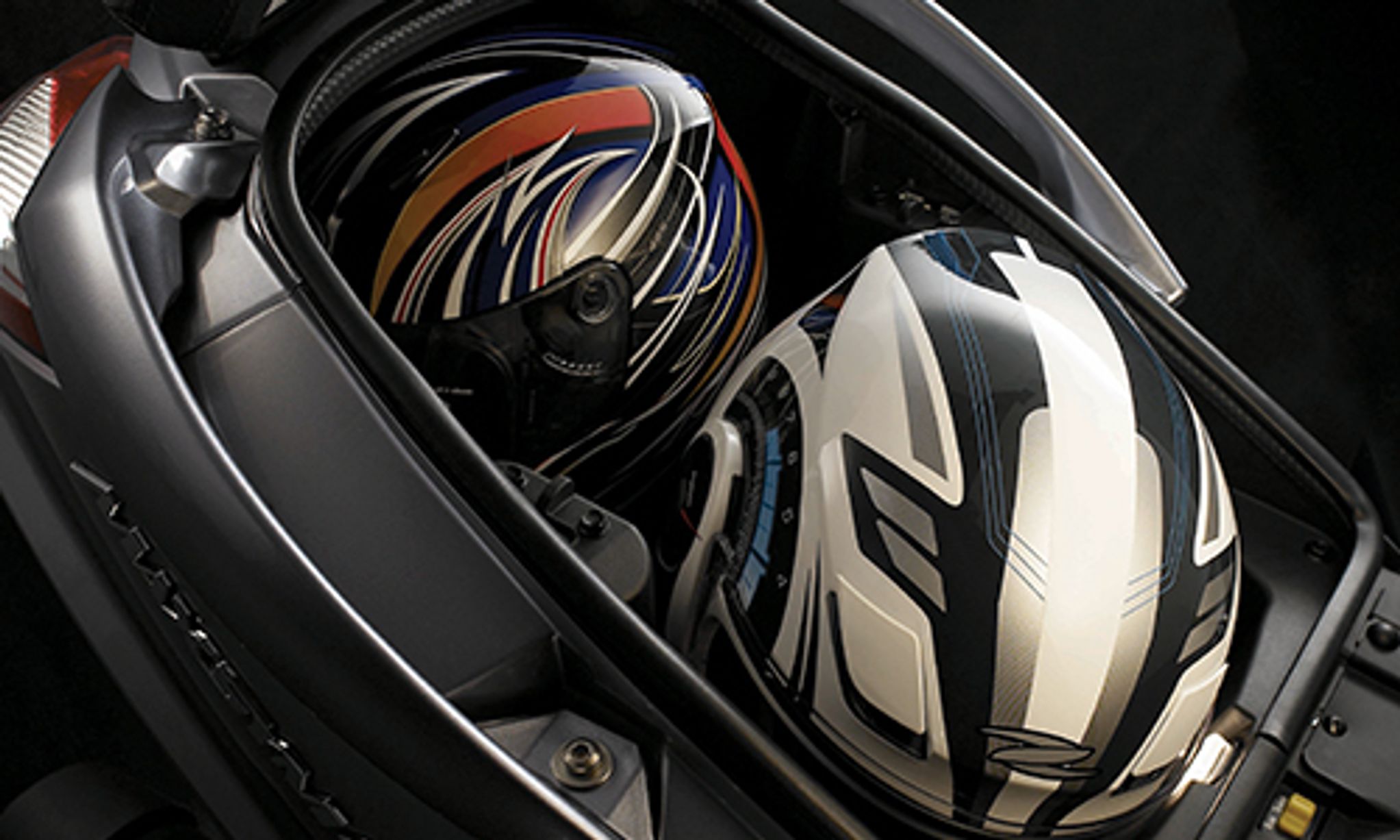
- Storage: Maxi-scooters win this category convincingly. Most offer 30–50 liters of underseat storage — enough to fit a full-face helmet or a week's worth of groceries. Small motorcycles offer no integrated storage; you'll need a tail bag, tank bag, or saddlebags.
- Commuting gear: The flat floorboard on a scooter lets you carry a laptop bag between your feet. This alone is transformative for urban professionals.
- Parking: Both are equally agile in tight parking, though the wider bodywork of a maxi-scooter can require slightly more maneuvering space.
- Passenger accommodation: Maxi-scooters typically offer wider, more comfortable pillion seats. Small motorcycles vary widely — some are genuinely two-up capable, others are miserable for passengers.
Learning Curve and Riding Skill
If you're a new rider, the automatic transmission of a maxi-scooter removes one significant variable — no stalling at intersections, no worrying about which gear you're in during complex urban situations. This can genuinely accelerate a new rider's confidence. However, experienced motorcyclists often find the CVT and scooter dynamics to feel disconnected, particularly in spirited riding or on twisty roads.
Small displacement motorcycles require mastering a clutch and gear changes, but that skill pays dividends. Many riders find the manual gearbox keeps them more mentally engaged with traffic, and the skills transfer directly to larger bikes as your riding ambitions grow.
Long-Term Ownership and Resale
Small motorcycles from major Japanese and European brands tend to hold their value reasonably well, particularly naked models with timeless styling. Maxi-scooters can depreciate faster outside of brand-name models — budget-brand scooters especially. If you plan to sell in two to three years, a well-maintained Honda CB300R or Kawasaki Z400 may recoup more of its purchase price than a lesser-known scooter brand.
So Which One Should You Choose?
Here's the honest answer: choose a maxi-scooter if your priority is effortless daily commuting, maximum storage, minimal gear-change fatigue, and built-in weather protection. It is a supremely practical tool that gets out of your way and lets you focus on the city around you.
Choose a small displacement motorcycle if you want to grow as a rider, enjoy the mechanical engagement of a manual drivetrain, plan to ride beyond the city occasionally, or simply find the traditional motorcycle form factor more satisfying. The riding skills you develop will serve you for decades.
Both categories deliver outstanding value in 2026. The best urban two-wheeler is always the one that fits your actual life — not someone else's highlight reel.