Single-Cylinder vs Twin-Cylinder vs Inline-Four: Choosing the Right Motorcycle Engine for 2026
As the motorcycle industry evolves, understanding engine configurations becomes essential for riders looking to purchase a new bike. In 2026, the choice between single-cylinder, twin-cylinder, and inline-four engines will remain crucial, each offering distinct characteristics that cater to different riding styles and preferences. This guide breaks down these engine types to help you make an informed decision.
Single-Cylinder Engines
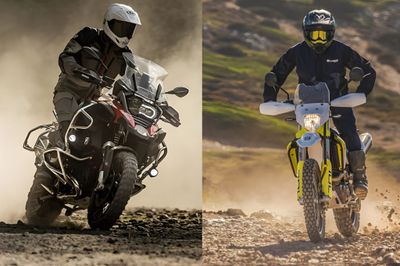
Single-cylinder engines, often referred to as 'thumpers,' are known for their simplicity and lightweight design. These engines are typically found in smaller bikes, including dirt bikes and entry-level motorcycles. The main advantage of a single-cylinder engine is its torque delivery at low RPMs, making it ideal for off-road conditions and city commuting.
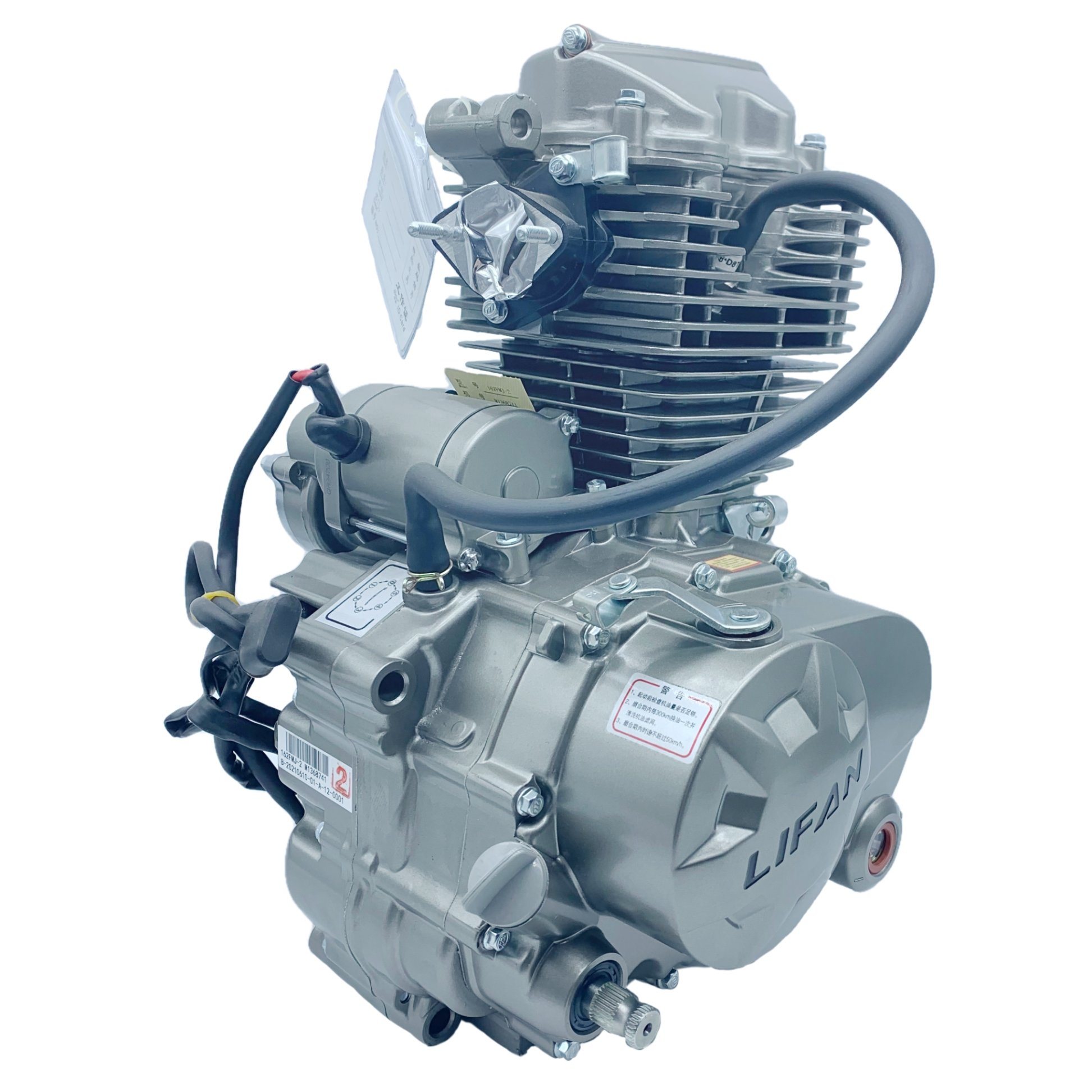
However, single-cylinder engines can produce more vibrations and may not offer the high-speed performance of multi-cylinder engines. They are perfect for riders who prioritize simplicity and maneuverability over top-end speed.
Twin-Cylinder Engines
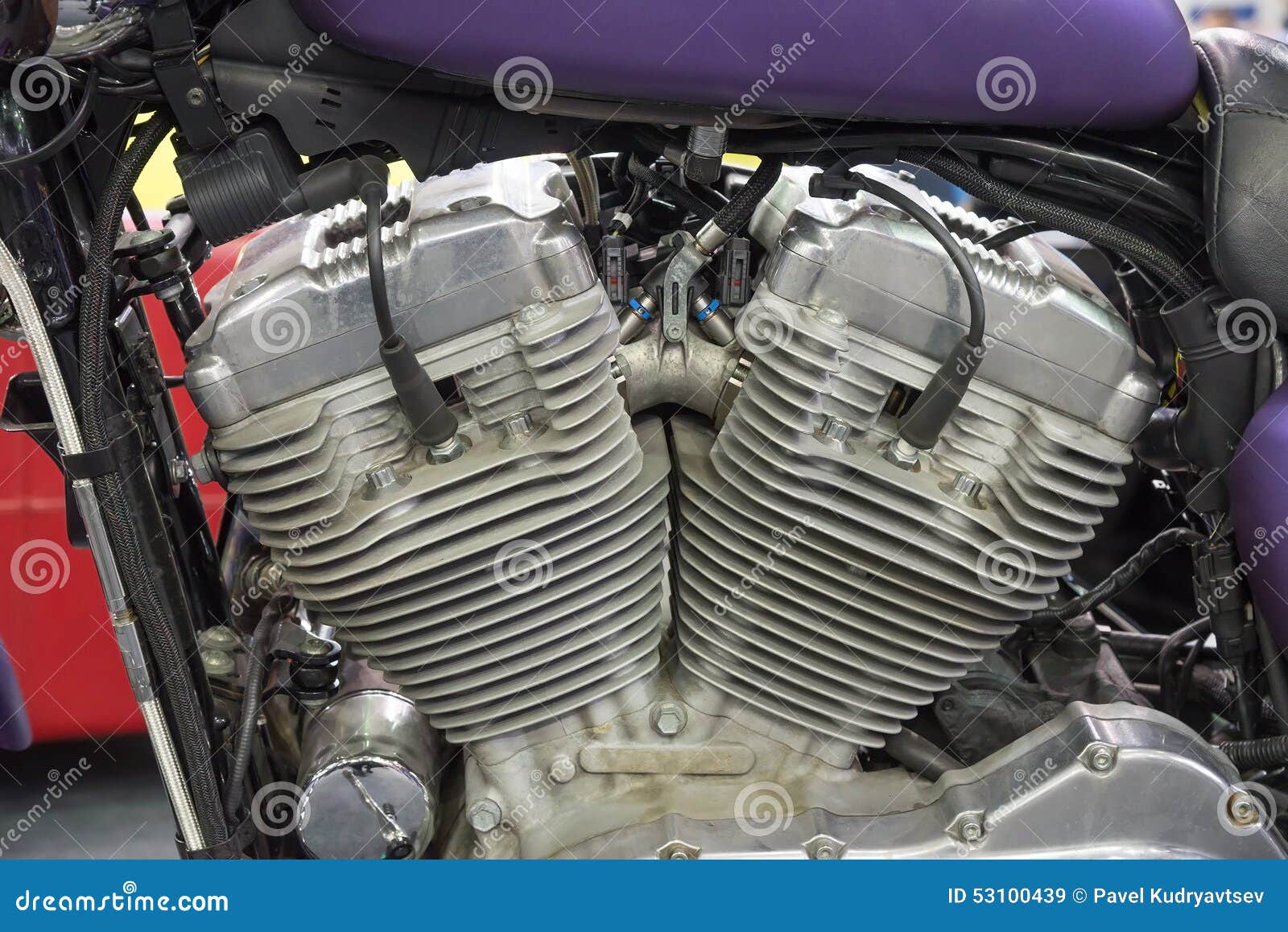
Twin-cylinder engines come in various configurations, including parallel-twin, V-twin, and L-twin. These engines offer a balance between power and efficiency, making them suitable for a wide range of motorcycles, from cruisers to sportbikes.
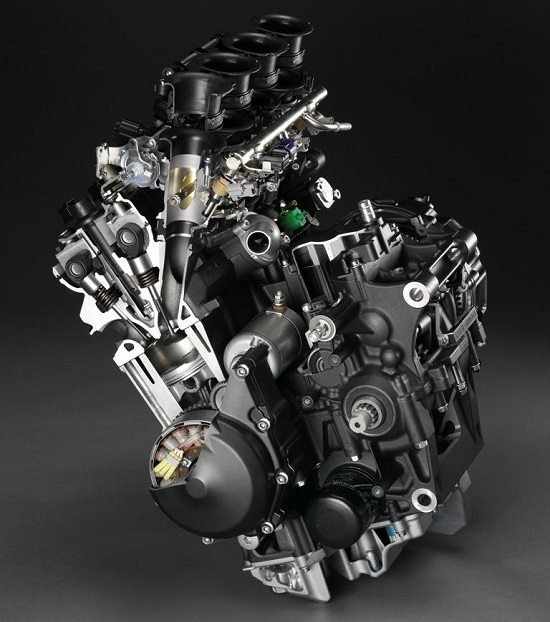
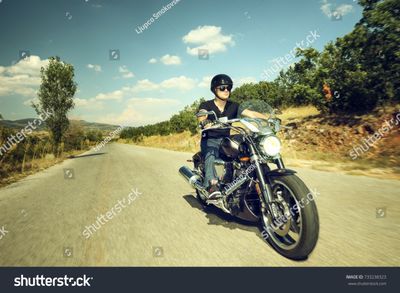
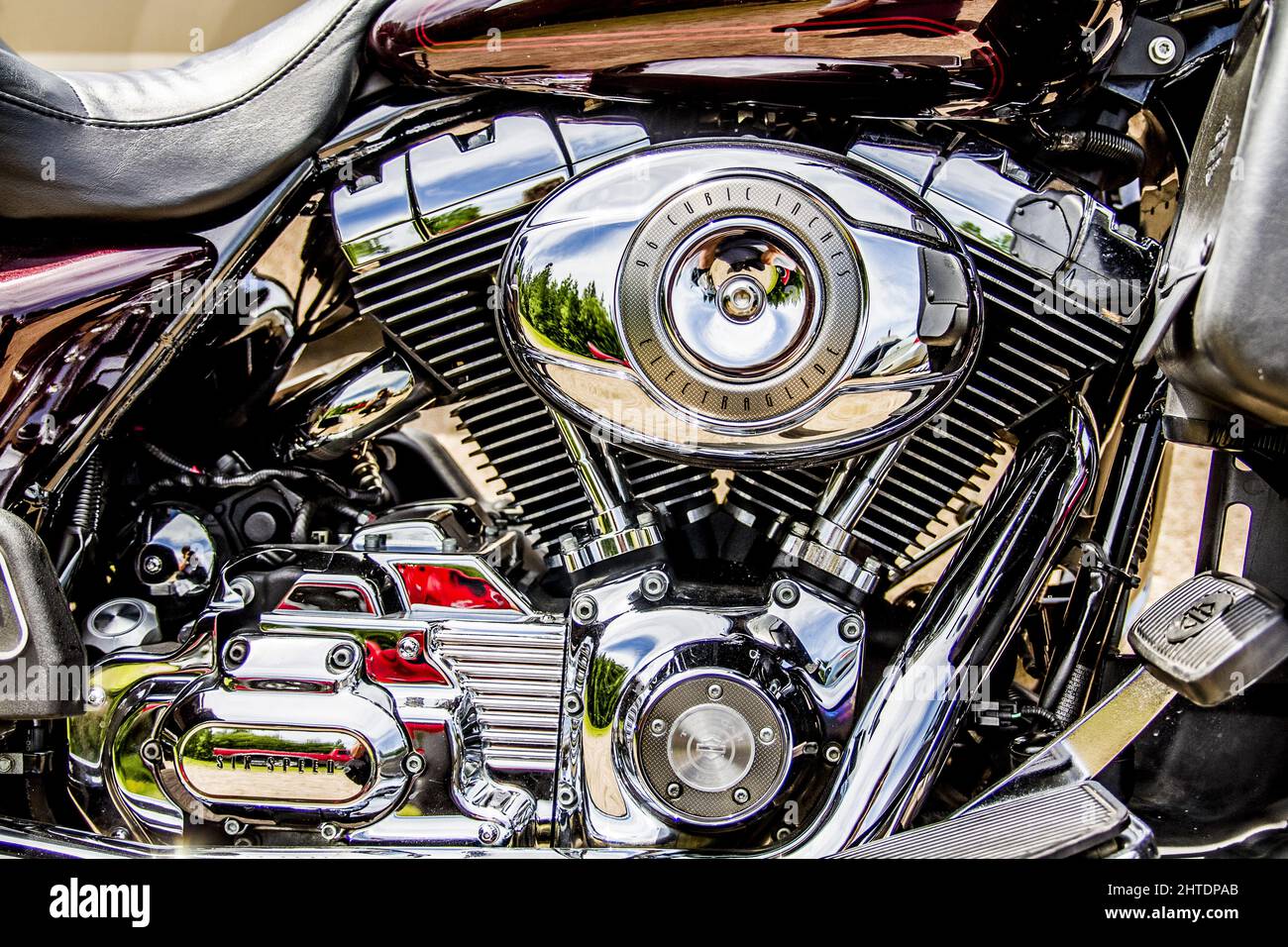
The parallel-twin engines are appreciated for their compact size and smooth power delivery, while V-twins provide a unique sound and more torque, often favored by cruiser enthusiasts. Twin-cylinder engines generally offer more power than single-cylinder engines while maintaining a manageable size and weight, making them versatile for different riding conditions.

Inline-Four Engines
Inline-four engines are synonymous with high performance, commonly found in sportbikes and high-end touring motorcycles. These engines are known for their smooth power delivery, high RPM capabilities, and impressive top speeds.
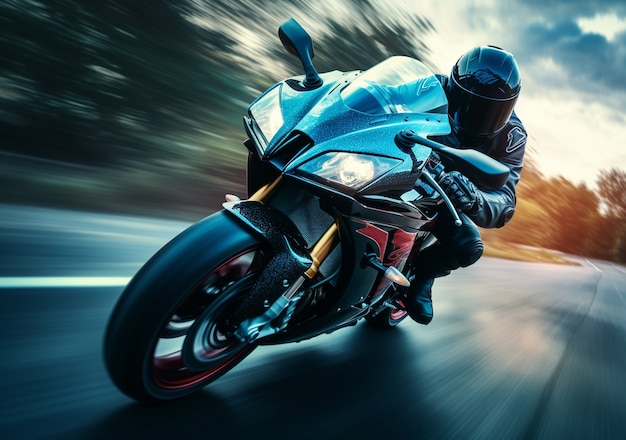
While inline-four engines provide exhilarating speed and performance, they can be heavier and more complex than other configurations. They are ideal for riders who seek adrenaline-pumping rides and are willing to trade off some maneuverability for speed and power.
Choosing the Right Engine for Your Needs
When selecting a motorcycle, consider your riding style and the types of rides you plan to undertake. If you are a city commuter or enjoy off-road adventures, a single-cylinder engine might be your best bet. For those who appreciate a balance of power and efficiency, a twin-cylinder engine could be the perfect match. Meanwhile, if high-speed performance is your priority, an inline-four engine will deliver the thrill you seek.
Ultimately, the right engine configuration depends on personal preferences and the specific riding experiences you desire. As technology advances, each engine type continues to improve, offering better performance, efficiency, and reliability.
Conclusion
Understanding the differences between single-cylinder, twin-cylinder, and inline-four engines is crucial for making an informed motorcycle purchase in 2026. Each engine type offers unique benefits and trade-offs, catering to various riding styles and preferences. By considering your needs and riding goals, you can choose the engine configuration that will provide the most enjoyment and satisfaction on the road.