MotoGP 2026 Season Opener: The Wait Is Finally Over
The roar of 1000cc prototypes echoing through the circuit at the season-opening round confirmed what every motorcycle racing fan had been waiting for since November: MotoGP is back, and the 2026 chapter may well be its most compelling yet. With sweeping technical regulation changes now fully bedded in, a reshuffled rider grid, and at least two factories fielding significantly revised machinery, the season opener delivered on almost every promise and threw in a few curveballs nobody saw coming.
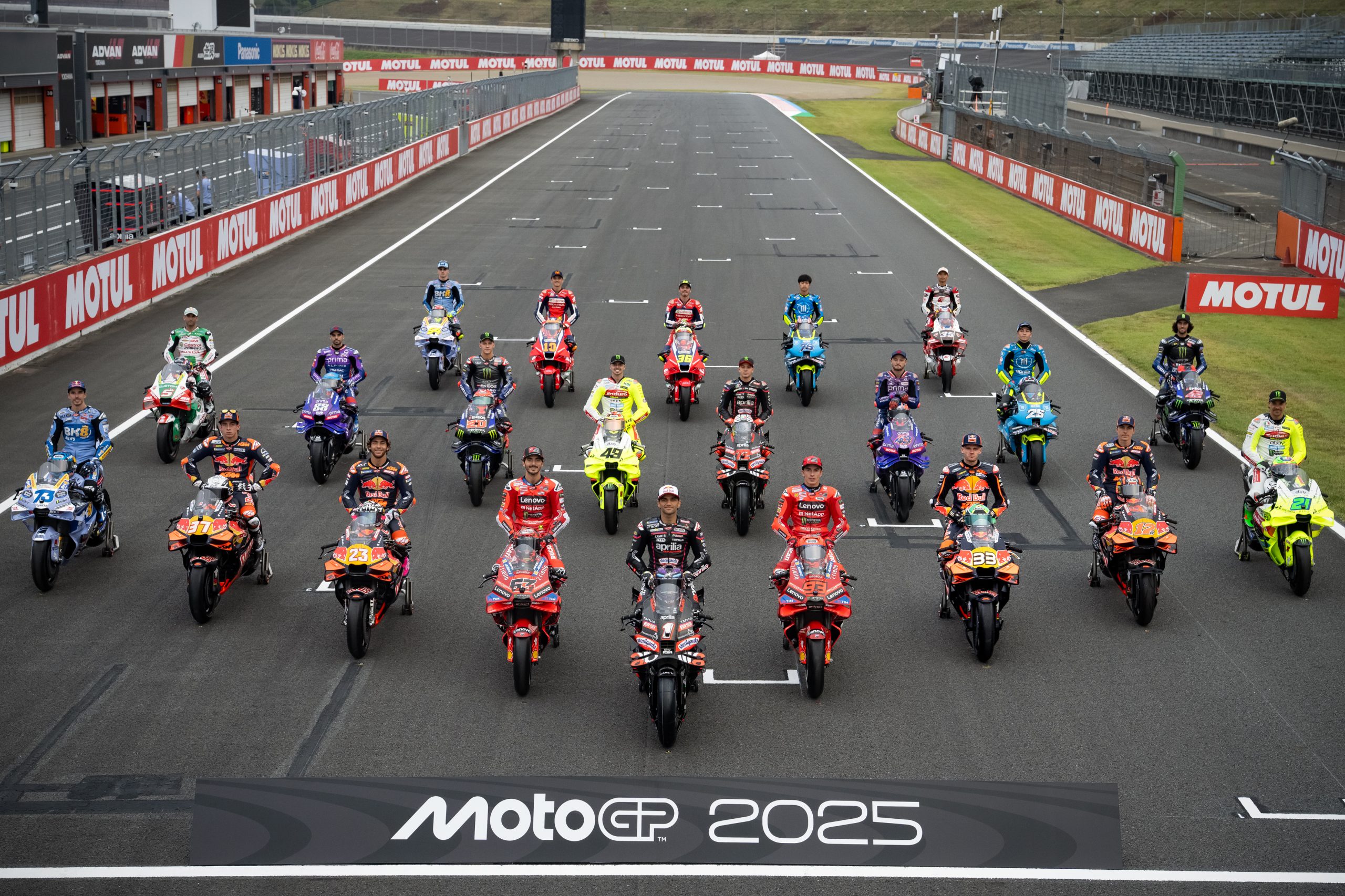
Whether you were trackside or streaming from your living room, the opening weekend was a masterclass in the unpredictable theatre that makes premier-class racing the pinnacle of motorsport. Here is everything you need to know about the key highlights and surprises from MotoGP's 2026 debut.
The New Technical Landscape: Aero, Electronics, and the 2026 Rules
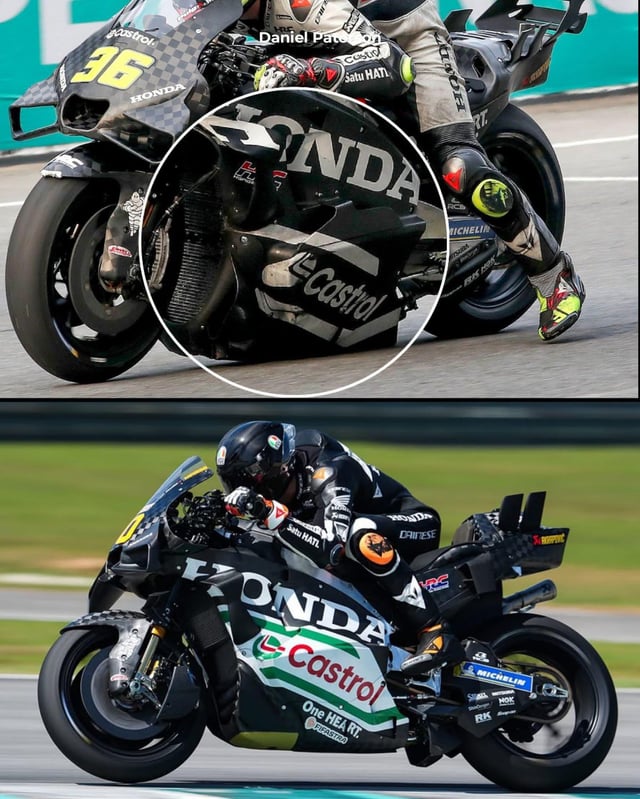
Before diving into the racing itself, it is worth understanding the regulatory backdrop that shaped this weekend's battles. The 2026 technical framework introduced revised aerodynamic restrictions aimed at reducing the aggressive downforce-generating winglets that had turned some circuits into parades. Teams were given more freedom in chassis design but faced tighter limits on the size and positioning of front fairing aerodynamics.
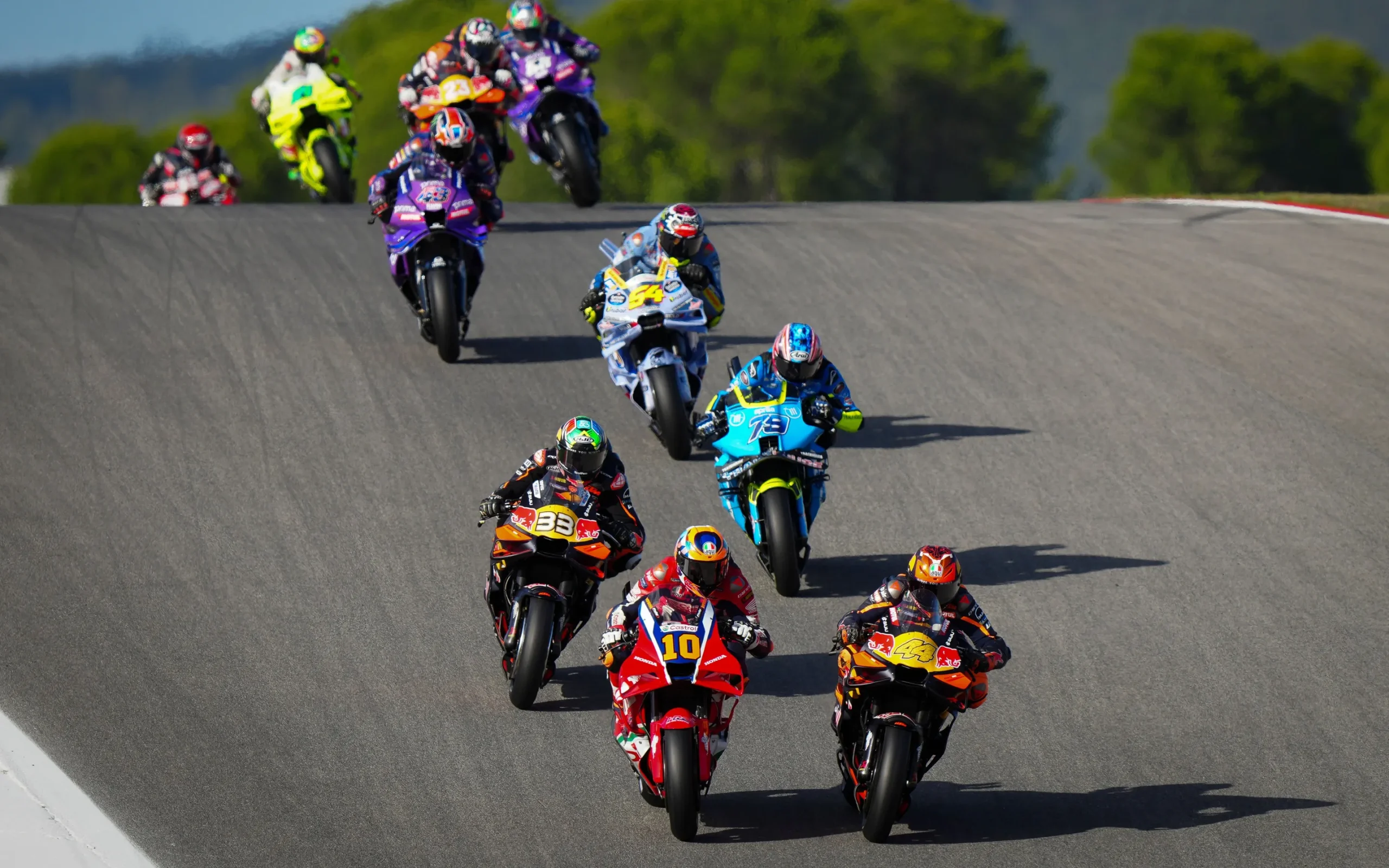
The result? Significantly more wheel-to-wheel racing in the opening stages of both the Sprint and the Grand Prix. Riders reported bikes that felt more alive under braking, with rear-end slides becoming a spectacle once again rather than something the electronics simply ironed out. The crowd loved it, and so did the television audience, with viewership figures reportedly up significantly on the equivalent round last year.
Race Highlights: Drama from Lights Out
Sprint Race: An Early Statement of Intent
Saturday's Sprint race set pulses racing from the first corner. The front row delivered a three-way battle that lasted deep into the race, with tire management playing a crucial role in the closing laps. The eventual Sprint winner crossed the line having produced arguably one of the finest short-format performances in recent memory, managing tire wear with clinical precision while defending aggressively from a charging rival who had clearly saved something for the final push.
The Sprint result also confirmed one of the pre-season predictions: the gap between the leading factory bikes and the satellite teams has narrowed considerably. Two independently-entered machines finished inside the top six, a result that would have been remarkable just two seasons ago.
Grand Prix: Strategy, Surprise, and a Stunning Podium
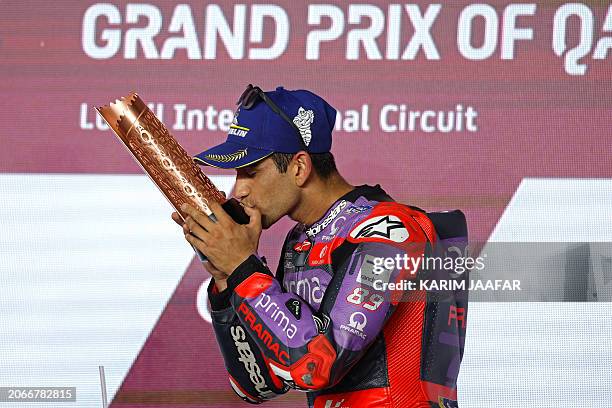
Sunday's main event delivered everything the Sprint had promised and more. An early Safety Car period caused by a Turn 3 incident reshuffled strategies and forced several teams to make calls they had not planned for. It was in this chaos that one of the weekend's biggest surprises emerged: a rider widely tipped to struggle in the early rounds found themselves in clear air at the restart and converted a fortunate position into a stunning podium finish through sheer pace and composure.
The race winner, however, left absolutely nothing to chance. Crossing the line with a comfortable margin, the victory announcement confirmed what many insiders had whispered during winter testing: this rider and this package are the benchmark heading into the first flyaway rounds.
The Biggest Surprises of the Weekend
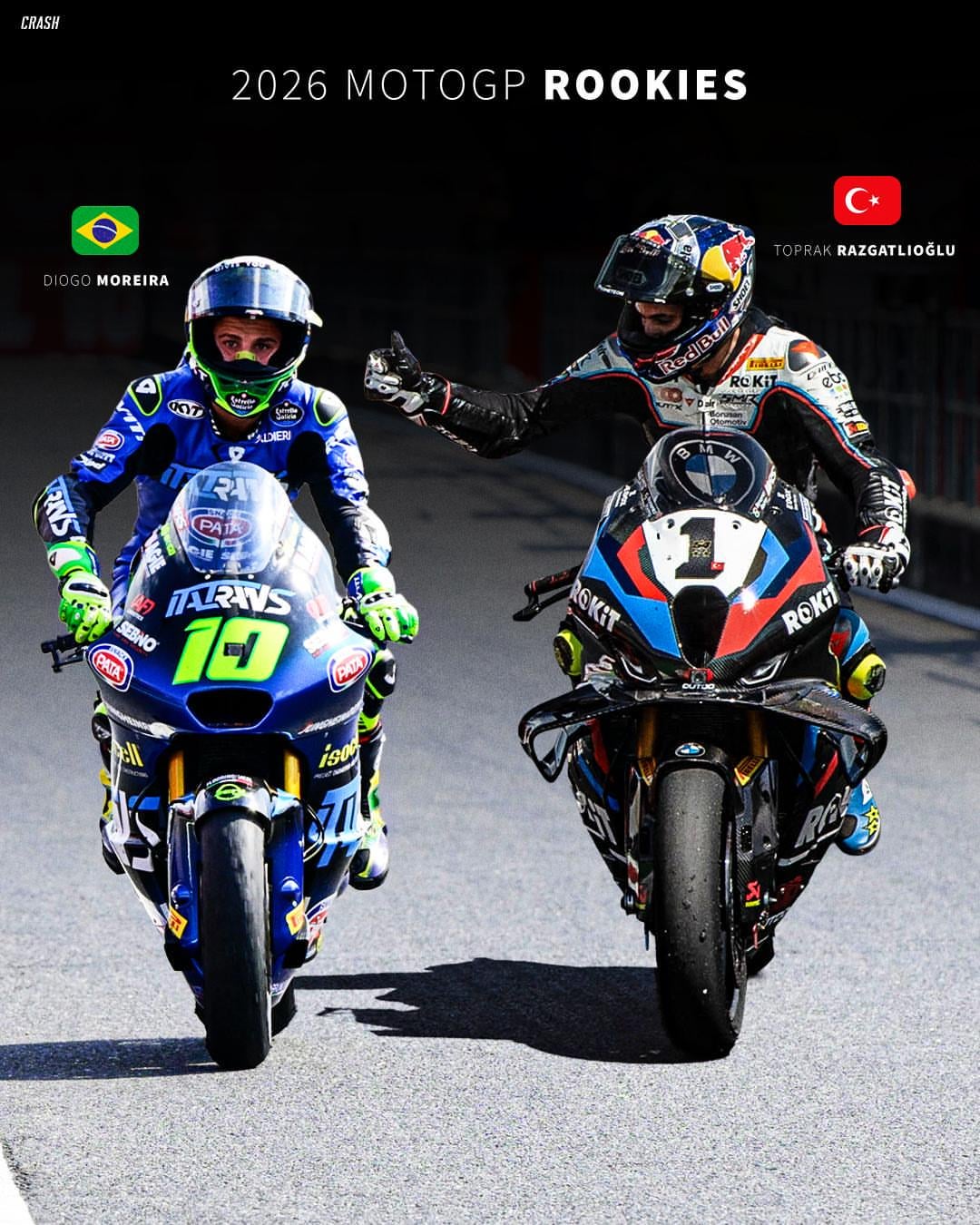
- Rookie Pace: At least one rookie MotoGP entrant ran consistently inside the top ten throughout the Grand Prix, suggesting a level of physical and technical adaptation that even optimistic observers had not anticipated this early in a debut campaign.
- Factory Struggles: One of the traditionally dominant manufacturers endured a miserable weekend, failing to put a bike inside the top five in either the Sprint or the Grand Prix. Post-race interviews were heavy with diplomatic language, but the underlying tone was clear: there is serious work to be done before the flyaway rounds.
- Tire Behaviour: Pirelli's revised front compound, introduced specifically for 2026, produced wear rates that caught at least three teams off-guard. The teams that had prioritised front tire management in their pre-season test programmes were rewarded handsomely.
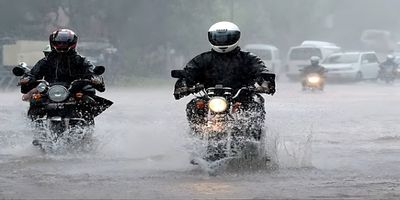
- Wet-to-Dry Transition: A brief but intense morning shower on race day made warm-up conditions treacherous, and the decisions teams made about setup changes in that forty-minute window had a clear and traceable impact on Sunday afternoon performance.
Championship Implications: Early Points Table
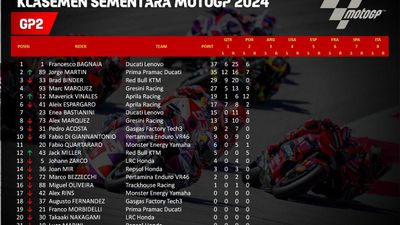
In a championship where momentum and confidence are almost as important as raw lap times, the points table after Round 1 already tells an interesting story. The winner carries maximum points and a psychological advantage that should not be underestimated. More importantly, two of the pre-season favourites failed to finish on the podium, meaning the championship standings heading to Round 2 are tighter than almost any analyst predicted.
The battle for the Constructors' Championship is equally fascinating. Three manufacturers are separated by fewer than ten points, and with the new aerodynamic regulations producing such varied results depending on circuit characteristics, it is genuinely difficult to predict which package will have the edge at the next round's very different track layout.
Rider Performances to Watch Going Forward
The Frontrunners
The established championship contenders showed enough on race day to confirm their credentials, even if not all of them converted potential into points. The consistency shown through practice, qualifying, and both races by the leading performers underlined why they were the favourites heading into the season.
The Challengers
Perhaps more intriguing are the riders who performed above expectations. When a racer delivers a result that surprises the paddock this early in a season, it forces everyone to recalibrate. Those performances have a habit of becoming self-fulfilling: confidence grows, teams invest more attention, and what started as a one-off result becomes a pattern.
Looking Ahead: What the Season Opener Tells Us
If one weekend of racing can genuinely set the tone for a season, this opener has established 2026 as a year where no race is a foregone conclusion. The technical changes have done their job of compressing the performance window. The new faces and reshuffled partnerships have injected uncertainty into a grid that, just twelve months ago, felt far more predictable. And crucially, the racing has been spectacular — the kind of racing that earns new fans and reminds existing ones why they fell in love with MotoGP in the first place.
Round 2 cannot come soon enough. With a completely different circuit character and teams already furiously analysing the data from this opening weekend, the next chapter promises to deliver answers to the many questions that this stunning opener has raised. Strap in — the 2026 MotoGP season has only just begun.