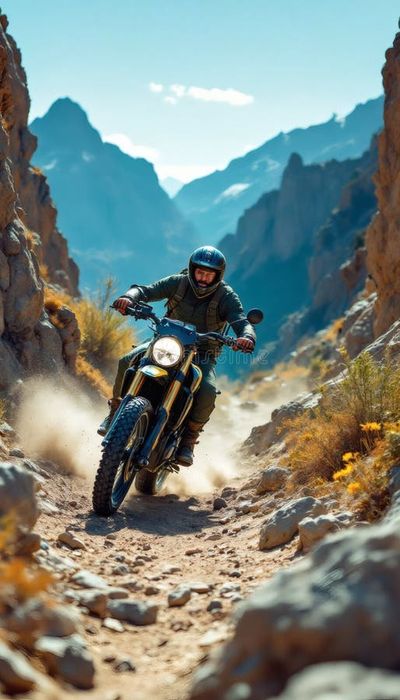
Best Motorcycle Sunglasses and Riding Eyewear of 2026: Our Top Picks After Real-World Testing
Motorcycle eyewear is one of those gear categories riders tend to underestimate — until a bug hits them at 75 mph, a gust of crosswind fills their eyes with tears, or they drop into a dark canyon and can't see the pavement. Your eyes are the primary input device for everything that keeps you safe on a motorcycle, and the eyewear you choose directly affects your reaction time, situational awareness, and comfort over long riding days. We spent two months testing 10 pairs of sunglasses and riding glasses across a wide range of conditions — desert sun, overcast mountain passes, open-face commuting, and high-speed track work — to bring you a definitive guide for 2026.
What Makes Motorcycle Eyewear Different From Regular Sunglasses
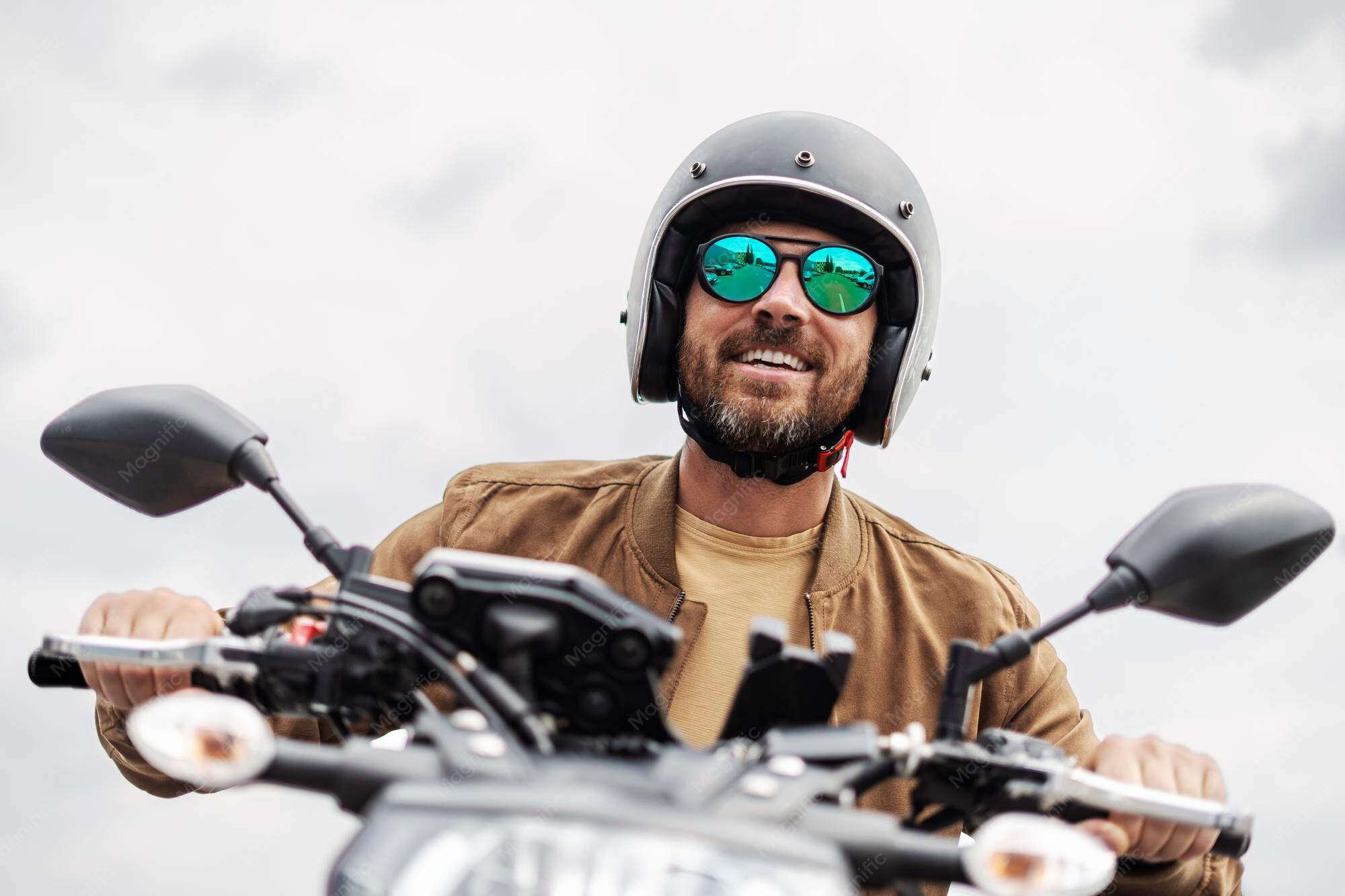
Before we get into the picks, it's worth understanding why motorcycle-specific eyewear matters. Standard fashion sunglasses are designed for casual UV blocking, not for 60-to-100-mph airflow. Motorcycle riding eyewear is engineered with wraparound frames that seal or deflect wind, impact-resistant polycarbonate or Trivex lenses rated to ANSI Z87.1 or CE EN 166 standards, and foam or rubber gaskets that block debris without fogging. Many also feature photochromic or interchangeable lens systems so one pair can handle both bright midday sun and late-afternoon low-light transitions.
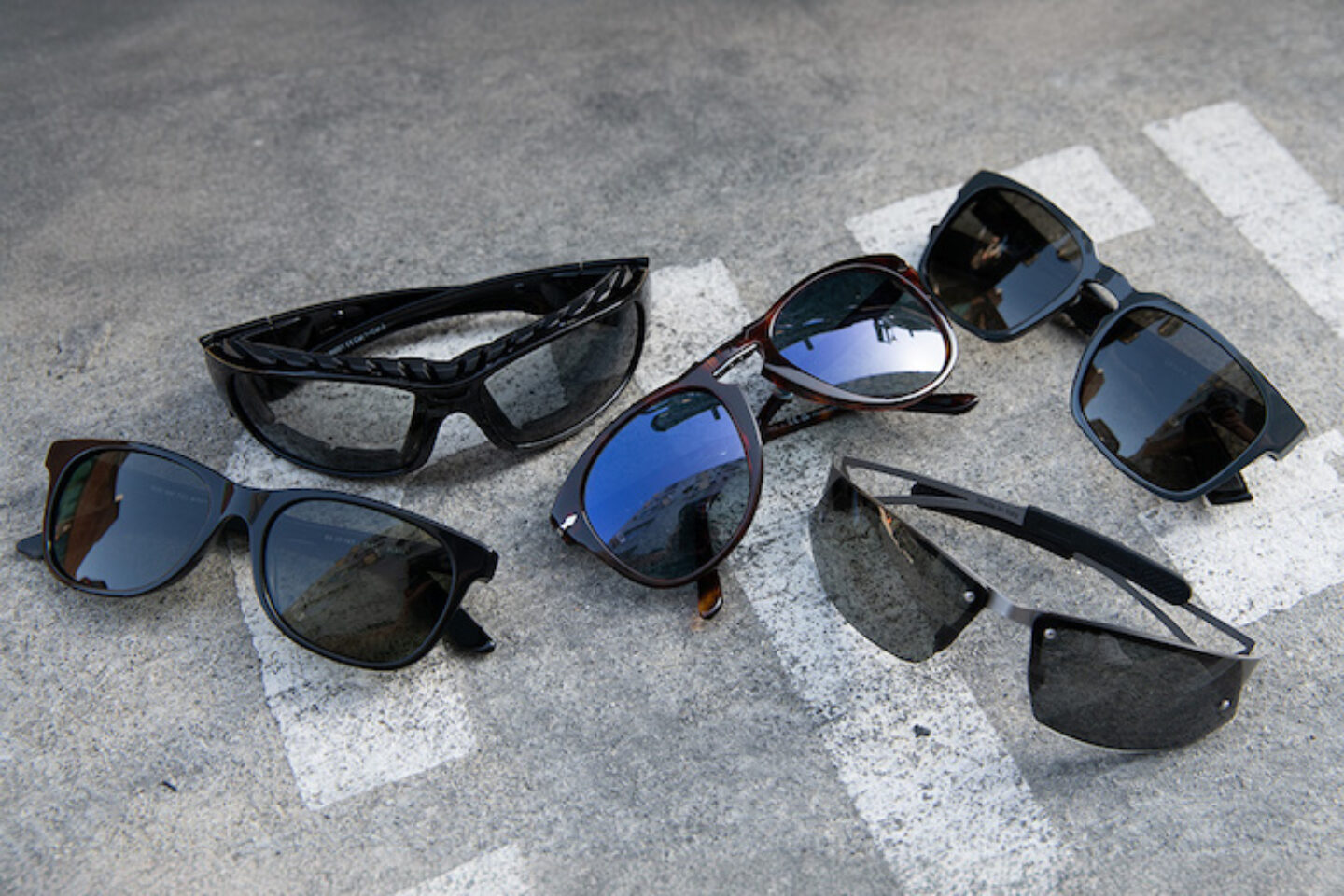
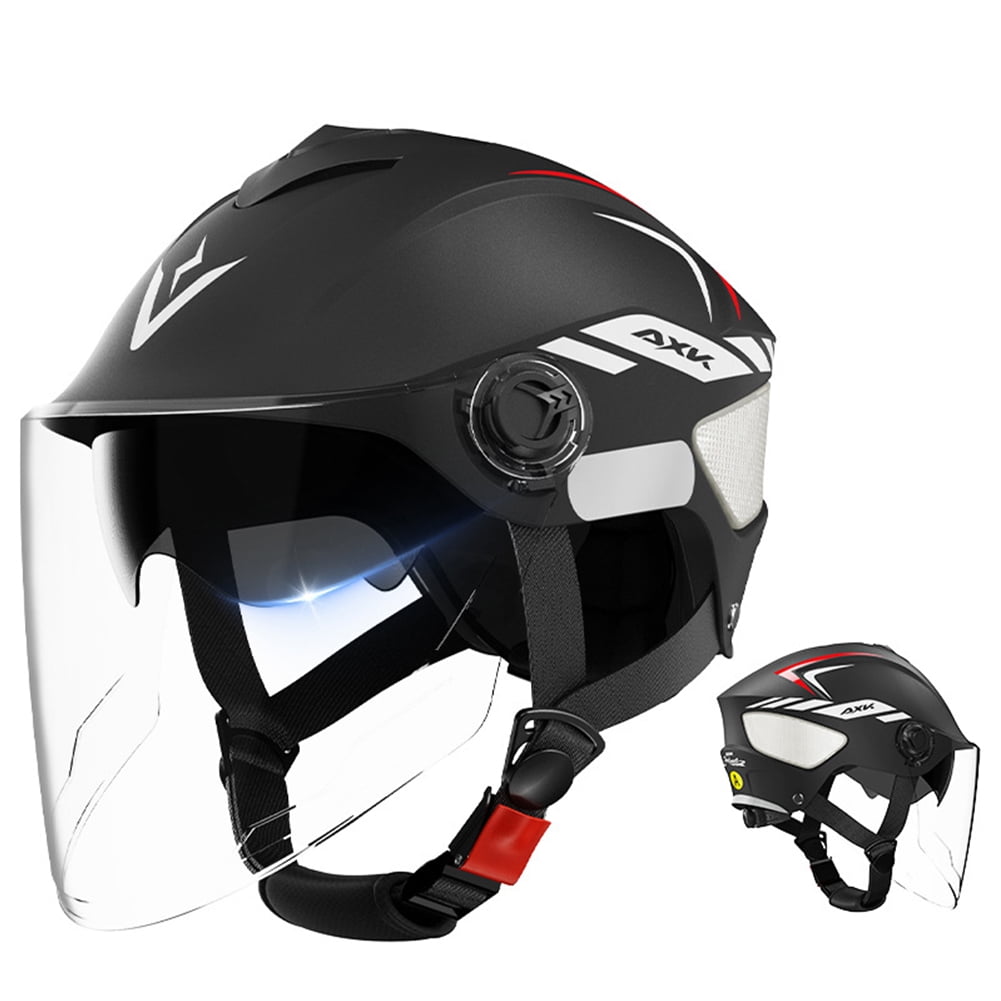
The best riding eyewear also accounts for helmet compatibility. If you wear a full-face helmet and frequently lift your visor in traffic or at slow speeds, you need a low-profile frame that doesn't create pressure points. If you ride an open-face or half-helmet, you'll want more aggressive wind protection — something closer to a goggle-frame hybrid than a traditional sunglass profile.
How We Tested
Our test team logged over 1,400 miles across desert highways, twisty mountain roads, an urban commute corridor, and two track days over the course of the testing period. Each pair was worn for a minimum of four hours across multiple conditions. We evaluated lens clarity, UV protection rating, wind and debris sealing, fogging resistance, fit and pressure points under helmets, durability, and value for money. We also tested each pair in both bright direct sunlight and transitional light — dusk, tunnel exits, and tree-canopied roads — because the ability to handle changing light is critical for rider safety.
Our Top Picks by Category
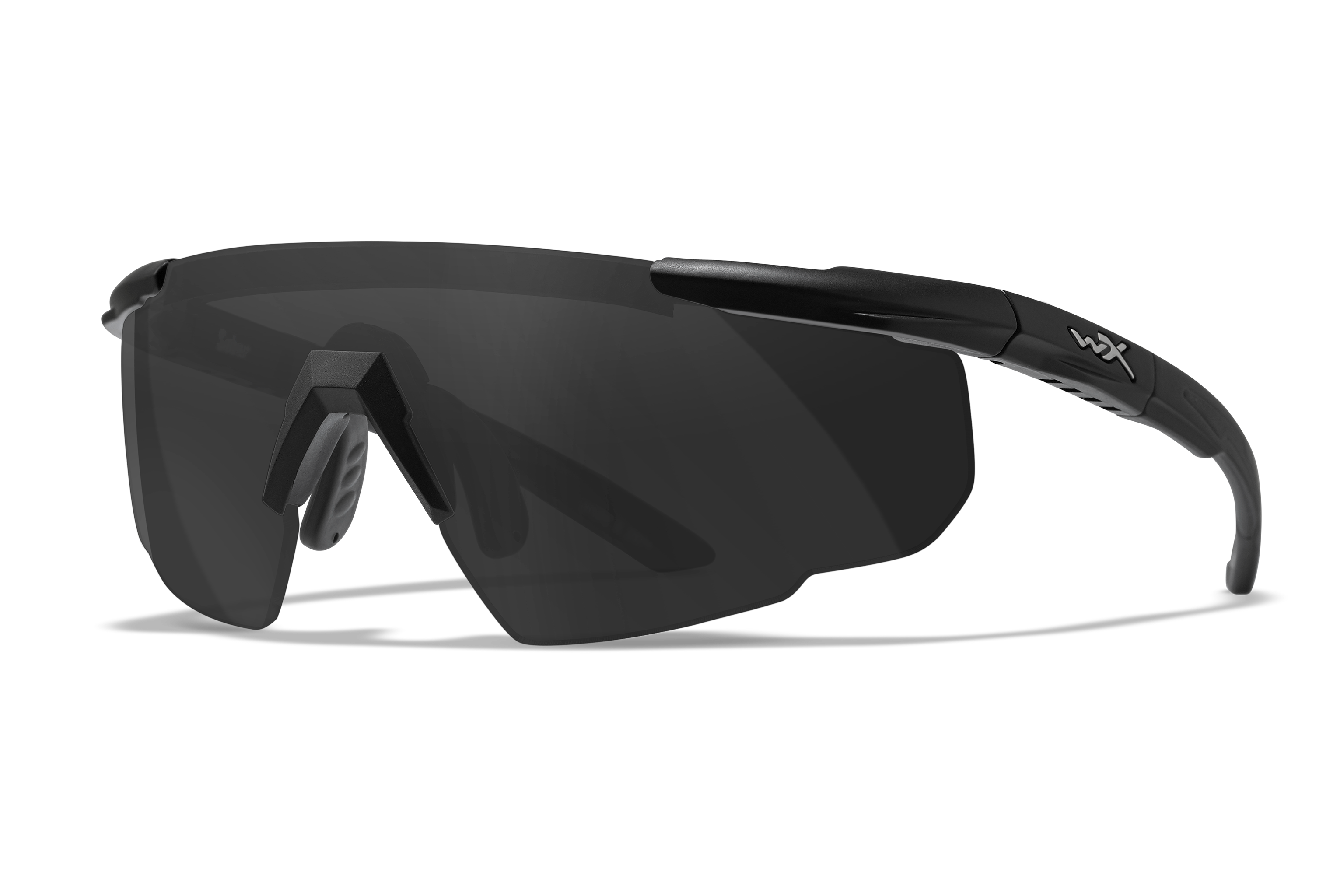
Best Overall: Wiley X Saber Advanced Matte Black
The Wiley X Saber Advanced remains our top overall pick for 2026. It carries a ANSI Z87.1 high-velocity and high-mass impact rating, features a removable facial cavity seal that converts it from a sealed goggle-style into a more open sport sunglass, and the polarized Selenite polycarbonate lenses delivered exceptional contrast across every test surface. Wind sealing at highway speeds was nearly perfect, and the split inner-frame design accommodated a wide range of helmet types without pressure points. The Saber Advanced also sat flush against most full-face helmet interiors when the visor was lowered. A premium price point, but justifiable for serious riders.
Best Budget Pick: Bobster Phoenix OTG
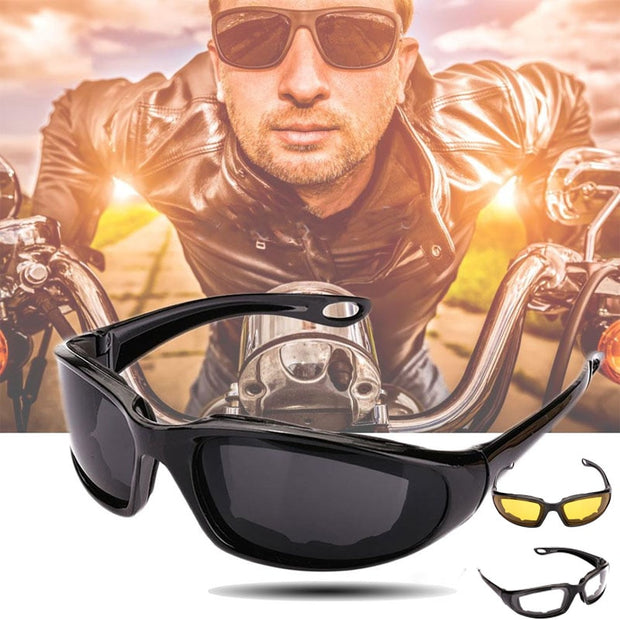
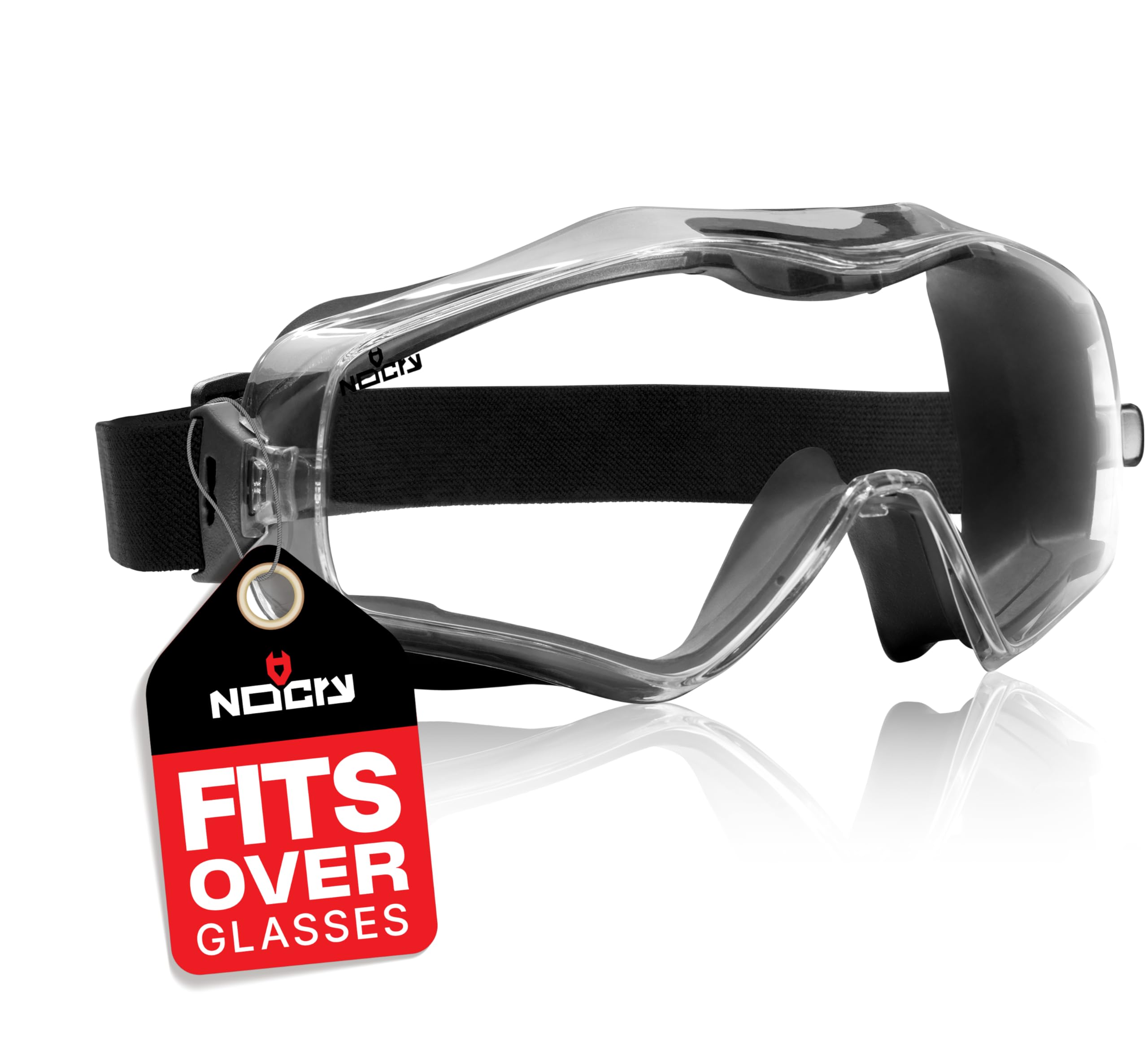
If you're looking for maximum protection at a minimum spend, the Bobster Phoenix Over-The-Glasses design is a genuine standout. Built specifically for riders who wear prescription eyewear, it accommodates most standard eyeglass frames inside its foam-sealed outer shell. The anti-fog coating held up well in morning humidity and the interchangeable amber and smoke lenses add real versatility. At under $40, the Phoenix OTG is a best-in-class value for commuters and casual weekend riders.
Best Photochromic Lenses: Oakley Radar EV Path Prizm Road
Oakley's Prizm Road photochromic lens technology remains the gold standard for light-adaptive riding eyewear. The Radar EV Path frame offers exceptional coverage, a secure non-slip nosepiece and temple grip, and the Prizm Road tint enhances contrast on asphalt in a way that genuinely improves road reading at speed. The lens transition from light to dark is among the fastest we tested — critical when you're exiting a tunnel at highway speed. The wraparound coverage isn't quite as wind-sealing as goggle-style options, so this pair is best suited to full-face helmet wearers rather than open-face or helmet-free riders.
Best for Open-Face and Half-Helmet Riders: Bertoni AF151 Motorcycle Glasses
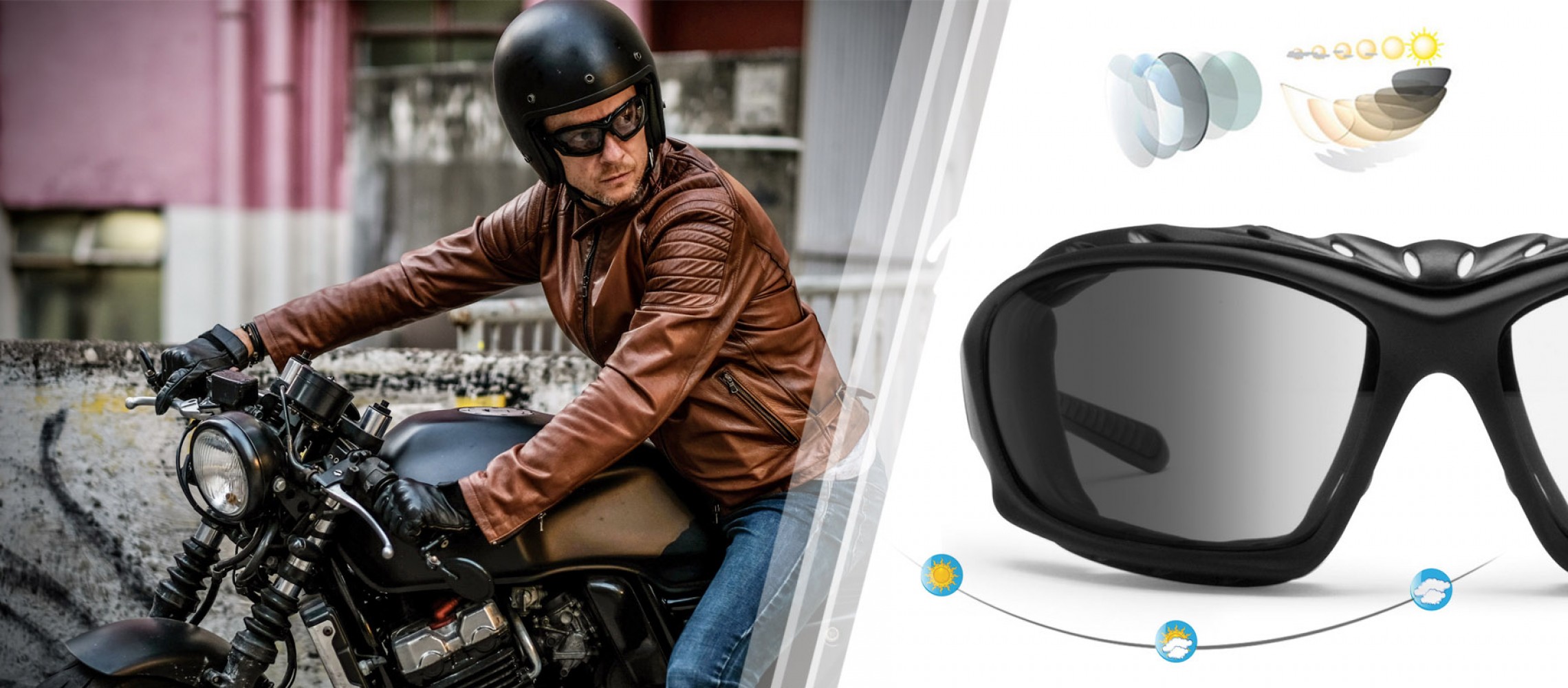
The Bertoni AF151 is purpose-built for riders who need serious wind and dust protection without a full-face visor. Its flexible polyurethane frame wraps tightly around the face with a contoured foam gasket that blocks airflow at the edges — something most traditional sunglasses fail completely at above 50 mph. The anti-scratch, anti-fog coated lenses come in smoke, orange, and clear options, and the entire package is slim enough to fit inside most open-face helmet designs without interference. An excellent choice for cruiser riders, vintage bike enthusiasts, and adventure riders who prefer open-face helmets in warmer months.
Best for Track Days: 100% Speedcraft SL
The 100% Speedcraft SL has become a favorite across the cycling-to-moto crossover world, and for good reason. The single-lens shield design offers panoramic coverage, the HiPER lens coating dramatically improves depth perception and contrast on varied track surfaces, and the polycarbonate lens met impact resistance benchmarks during our testing. The lightweight frame minimizes pressure under a racing helmet worn over extended sessions, and the lens locks securely with no risk of ejection during high-vibration or wind-blast situations. A track day essential for sport and supersport riders.
Best Polarized Option: Smith Optics Pivlock Arena Max
Smith's Pivlock system continues to impress, and the Arena Max with ChromaPop polarized lenses is our top polarized pick. Polarization matters enormously on rain-wet roads, where reflected glare from asphalt can completely wash out surface detail — a serious safety issue when reading road camber and grip levels. The ChromaPop tint delivered the best contrast and color fidelity of any polarized lens in the test. The quick-swap lens system means you can go from polarized to clear in under 30 seconds, making this a strong choice for touring riders covering varied terrain through the day.
Key Features to Prioritize When Buying
- Impact Rating: Look for ANSI Z87.1 (US) or CE EN 166 (EU/UK) certification. These are real safety standards, not marketing language.
- UV Protection: UV400 blocks 99–100% of UVA and UVB radiation. Don't accept anything less.
- Lens Material: Polycarbonate offers the best impact resistance at the lowest weight. Trivex adds optical clarity but at higher cost.
- Wind Sealing: Foam or rubber gaskets are essential for open-face, half-helmet, and high-speed riding. Wraparound frames alone are not sufficient at sustained highway speeds.
- Anti-Fog Coating: Especially critical for morning rides, humid climates, and stop-and-go traffic where airflow drops.
- Helmet Compatibility: Always check frame profile depth if you wear a full-face helmet. Test the fit before buying if possible.
- Interchangeable or Photochromic Lenses: A single-tint fixed lens will compromise your vision in at least half the lighting conditions you'll encounter over a full riding day.
Our Verdict
After 1,400 miles and two full months of testing, one thing is clear: the difference between good and great riding eyewear is not subtle — it's the difference between arriving focused and arriving fatigued with irritated eyes and reduced situational awareness. Spend appropriately on this piece of gear. The Wiley X Saber Advanced earns our overall recommendation for riders who want one pair that does everything at a high level. But every pick on this list delivers genuine value in its category, and any of them will serve you better than a pair of fashion sunglasses grabbed off a drugstore rack on your way to the highway.
Eyes are not replaceable. Your eyewear should reflect that.