Introduction
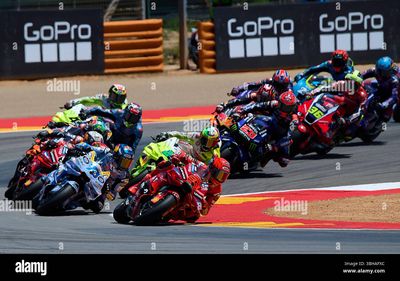
MotoGP, the competitive biking arena, is close to a big transformation in 2027. In a recent announcement, it was revealed that the very sporty culture of motorcycle racing is going through an alteration, which will make the current 1000cc powerhouses switch to more nimble 850cc machines. This adjustment is meant to reinvigorate the sport by making the competition more even and lessening the grip of the technologically developed bikes that now rule the tracks.
This blog post highlights the changes that are going to happen, etc., exploring the implications for teams, riders, and fans alike. The modification of every single design, the addition of power and the cut-off weight of parts is set for a radical transformation meant to recapture the thrill of the close-quarters racing.
Engine Changes
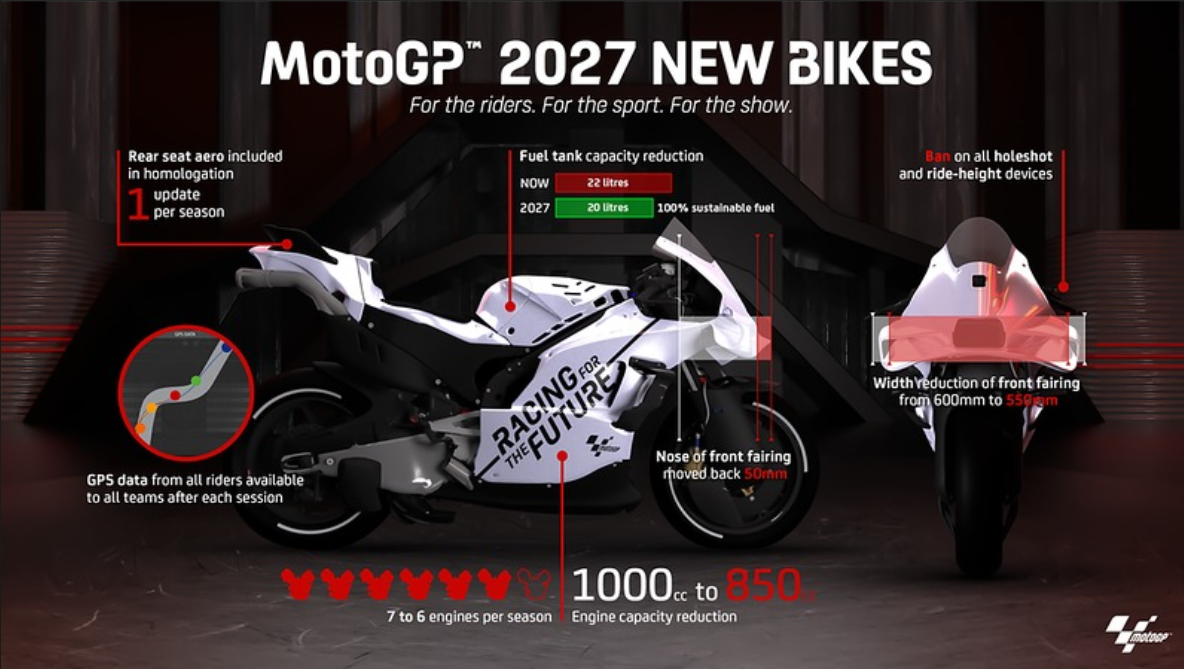
The most significant part of the 2027 MotoGP evolution is the shift from 1000cc engines to 850cc. This is a cut in engine size that is expected to even the competition and result in more exciting races. According to the new rules, the number of maximum cylinders is four, which is intended to render the leading technology inequities irrelevant, thus, driving the racing world to be more dynamic.
This is not only about the change of the engine size; it is also about a mental revolution in the way the sport is going to do things. Limiting the technical superiority of certain manufacturers is what MotoGP wants to achieve via the promotion of innovation and creativity when teams adapt to the new engine specifications. This could, in fact, resurface the stories of no-name teams competing with the traditional big issues.
Aerodynamics and Design
Simultaneously with the engine changes, the MotoGP is undertaking the reorganization of the aerodynamic design of the motorcycles. The new rules prescribe a narrower, shorter, and less futuristic look, which is a departure from the spaceship-like designs that have become the norm. The nose of the front fairing is going to be shifted back by 50mm, thus, contributing to a more dynamic profile.
These aerodynamic changes are primarily aimed at improving the passing spaces besides reducing the need for complicated aero packages that have been a source of contention for the dying months. By simplifying the aerodynamics, the organization intends to shift the stress from the technological issues to the art and strategy of riding.
Fuel and Weight Regulations
Another important subject of the 2027 transformations is the fuel and weight regulations. The fuel tank will have a decreased capacity of 20 liters from 22 liters, that being in line with the set direction for the use of more eco-friendly fuels. This reduction will not only be a challenge for the teams to save as much as possible fuel but will also go hand in hand with other sport goals concerning being more sustainable.
Moreover, the least weight which the bikes are going to be set at will be 153 kg. This weight setting is carried out as part of an effort to ensure that all the bikes are being operated under a common set of rules, and this would also promote parity among competitors.
Ban on Devices
In 2027, the major rule amendment is going to be the exclusion of all holeshot and ride-height devices. These devices were once essential for gaining an edge in the competition by starting faster and adjusting the bike throughout the race; they will not be present anymore on the MotoGP set. This deletion of the devices illustrates a shift towards preferring rider performance and mechanical simplicity over technical devices.
The decision is going to significantly impact the race's natural course as teams and riders should change their strategies without these tools that weren't available beforehand. Follow MotoGP's assurances to come up with the concerted and fair remake of the past.
Manufacturer and Team Implications
The forthcoming adjustments are a double-edged sword for the manufacturers and the teams. The factories will not be able to do new bike tests until 2025 November, which provides a tiny window for the development and adjustment before the inauguration of the 2027 season. On the brighter side, some manufacturers like KTM are ongoing with the new engine prototypes and are likely to inspire others to do the same.
The transition will push manufacturers and their Racing departments to create as much as they can and push engineers to build the best machines. The new rules will be a constant test of how well they can perform and breakthroughs will only come through great teamwork.
What are the main changes in MotoGP for 2027?
How will these changes affect the competition?
When will teams start testing the new bikes?
Conclusion
The alterations coming to the 2027 MotoGP are a cornerstone of motorcycle racing's history. The sport's objectives have been formulated to rekindle the excitement and unpredictability that have represented the sport's long-standing legacy by concentrating on a cut of engine size, an uncluttered aerodynamic form, and clearer rules.
Be with us as MotoGP rides through this energetic transition, bringing in new life to the nursing tracks, and setting the stage for the thrilling future in the world of motorcycle racing.
Related Resources
- MotoGP Official Site - For more information on MotoGP regulations
- Motorsport News - Explore more about motorcycle racing