Triumph Motorcycles has long been celebrated for building some of the most characterful, performance-driven machines in the industry — from the thunderous Speed Triple to the globe-trotting Tiger adventure lineup. But a freshly filed patent has just set the motorcycling internet ablaze, and for good reason: Triumph appears to be developing an inline-six electric powertrain that could fundamentally reshape its flagship models by the end of the decade.
What the Patent Actually Shows
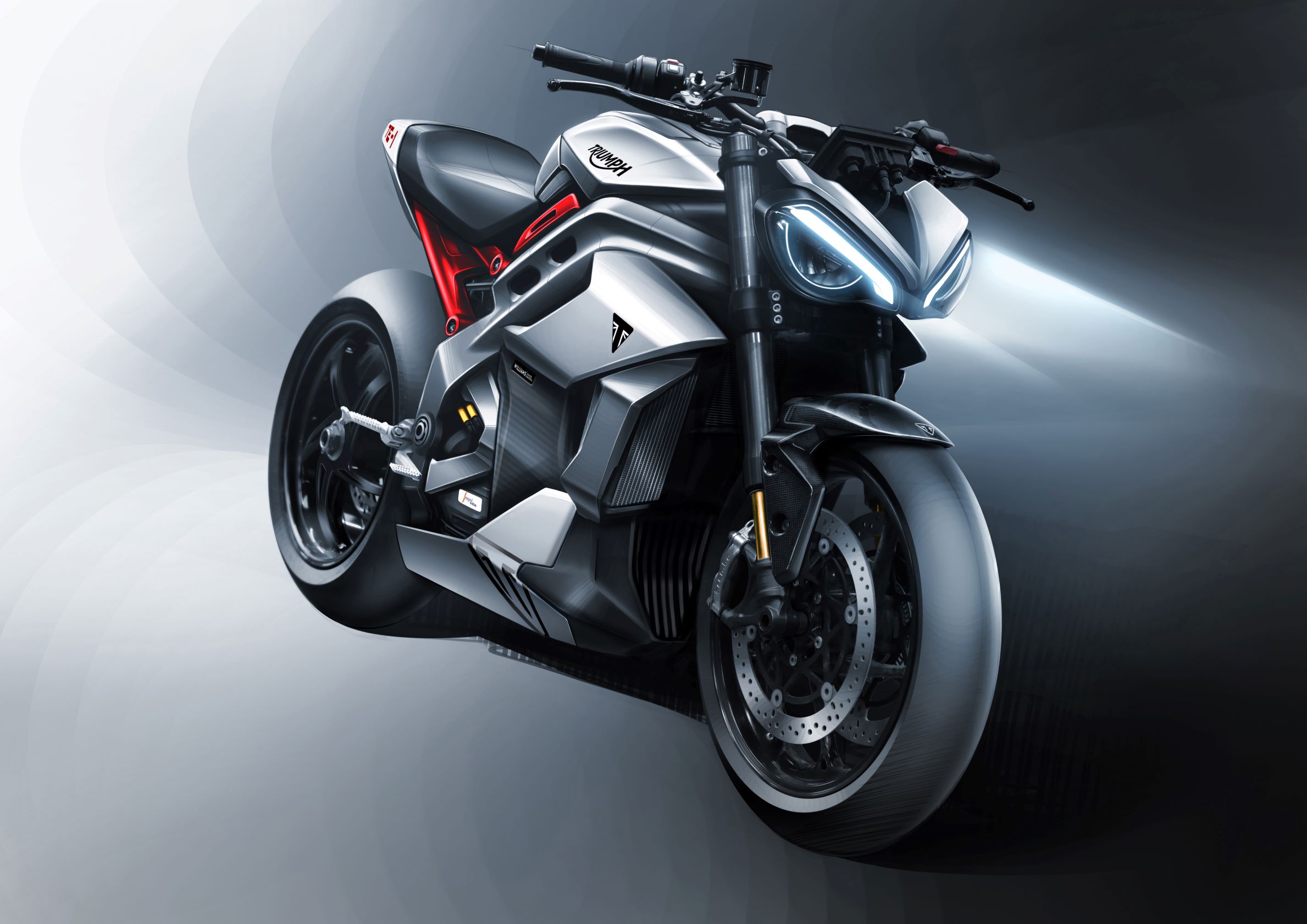
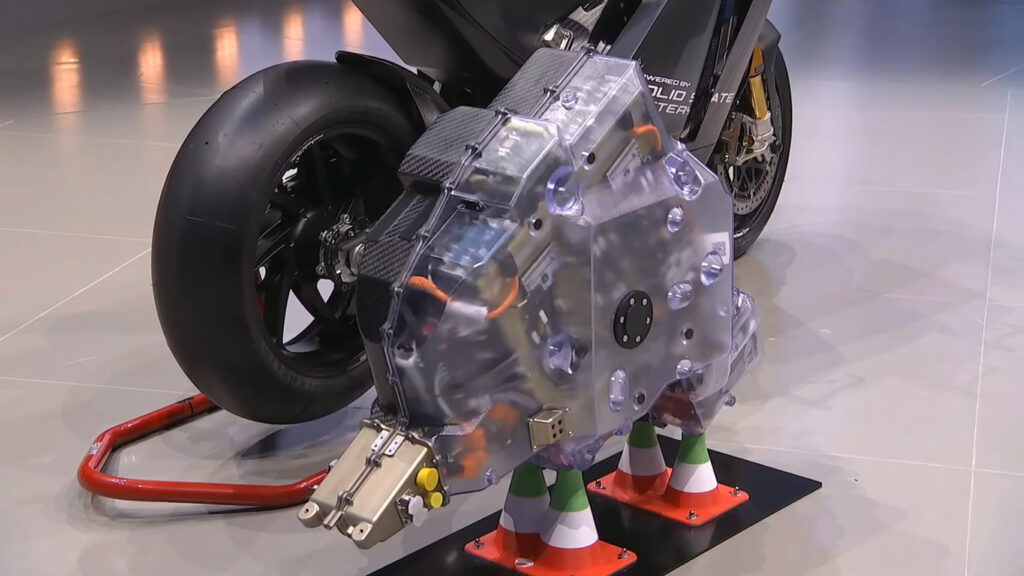
Filed with the UK Intellectual Property Office and mirrored in international filings reviewed by industry analysts, the patent describes a modular electric drivetrain layout centered around six individual motor units arranged in an inline configuration. Unlike many electric motorcycle concepts that rely on a single large hub motor or a centrally mounted unit, Triumph's approach borrows philosophically from its celebrated inline-four and inline-three combustion engines — spreading the load across multiple smaller, highly efficient electric motors.
The patent drawings depict a compact, longitudinally oriented motor cluster integrated with a proprietary battery housing. Crucially, the design includes dedicated cooling channels running between motor units, suggesting Triumph is thinking seriously about sustained high-performance output rather than just short bursts of electric power. There is also a reference to a multi-speed transmission interface, which would be a notable departure from the single-speed norm in electric motorcycles and a nod to the brand's commitment to an engaging rider experience.
Why an Inline-Six Layout?
This is the question most riders will immediately ask. Internal combustion inline-six engines are famously silky-smooth because their firing intervals cancel out vibration in ways that four-cylinder and three-cylinder engines cannot perfectly achieve. Triumph appears to be applying similar engineering logic to electric motors — by running six smaller motors rather than one large one, the system could theoretically offer finer torque vectoring, more granular power delivery control, and improved redundancy if one motor unit develops a fault.
There is also a thermal management advantage. Smaller motors generate heat across a wider surface area, making cooling more manageable — a persistent challenge for high-output electric powertrains. For a brand that already markets its Street Triple and Speed Triple on the basis of character and feel, an inline-six electric arrangement could allow engineers to tune the power delivery in ways that mimic — or even surpass — the tactile feedback riders love from combustion engines.
The Tiger and Speed Triple Connection
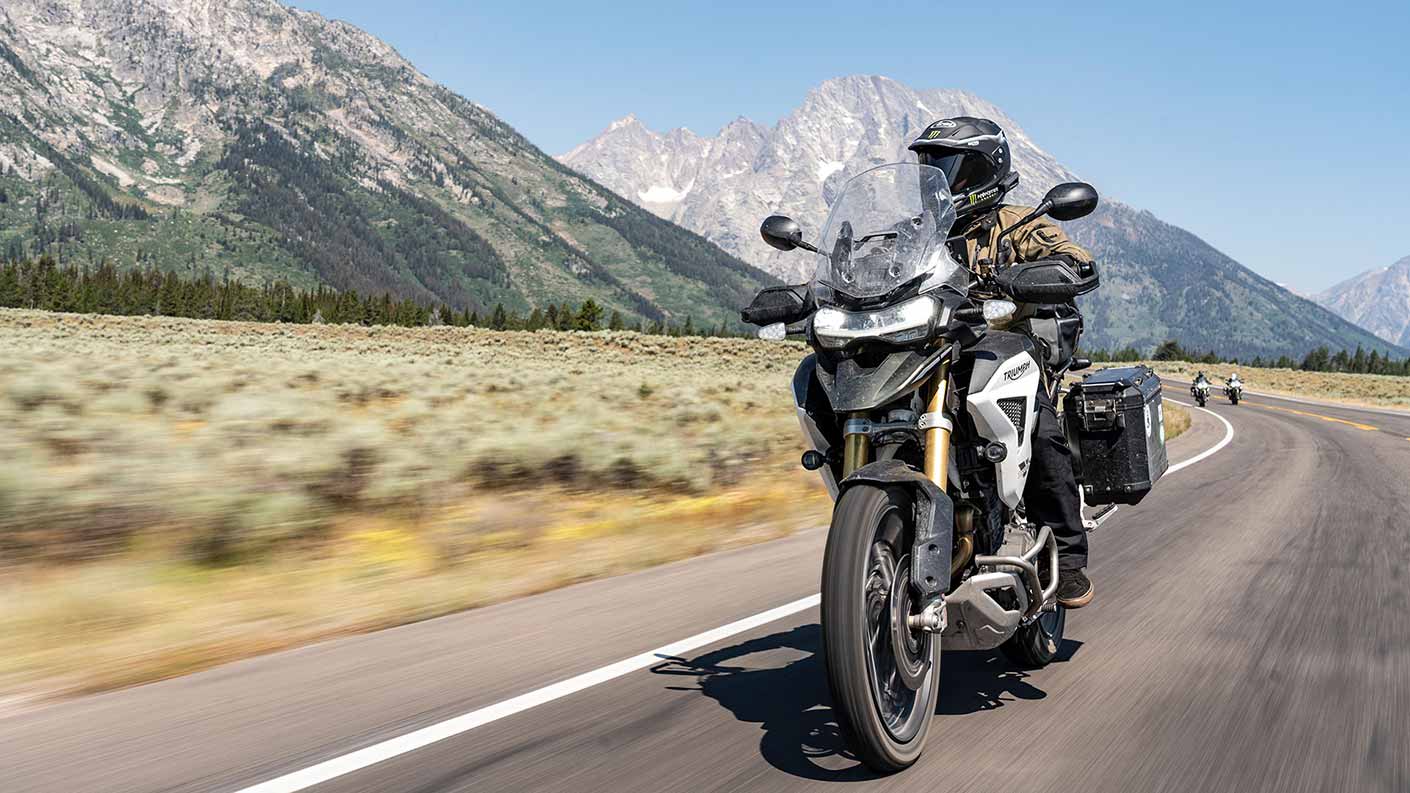
Triumph has not officially confirmed which models this powertrain is destined for, but industry observers have pointed to two obvious candidates: the Tiger adventure lineup and the Speed Triple supernaked range. Both model families command premium price points, attract buyers who prioritize technology and performance alongside practicality, and align with markets — particularly Europe — where stricter emissions regulations are pushing manufacturers toward electrification faster than many anticipated.
An electrified Tiger, potentially badged as something like a Tiger e or Tiger Electric, would enter a segment that currently has no serious contenders at the premium level. Zero Motorcycles and Energica have staked out positions in the electric adventure space, but neither carries the heritage weight or the dealer network of Triumph. A factory-backed electric Tiger with genuine long-range capability and Triumph's quality finish could be transformative.
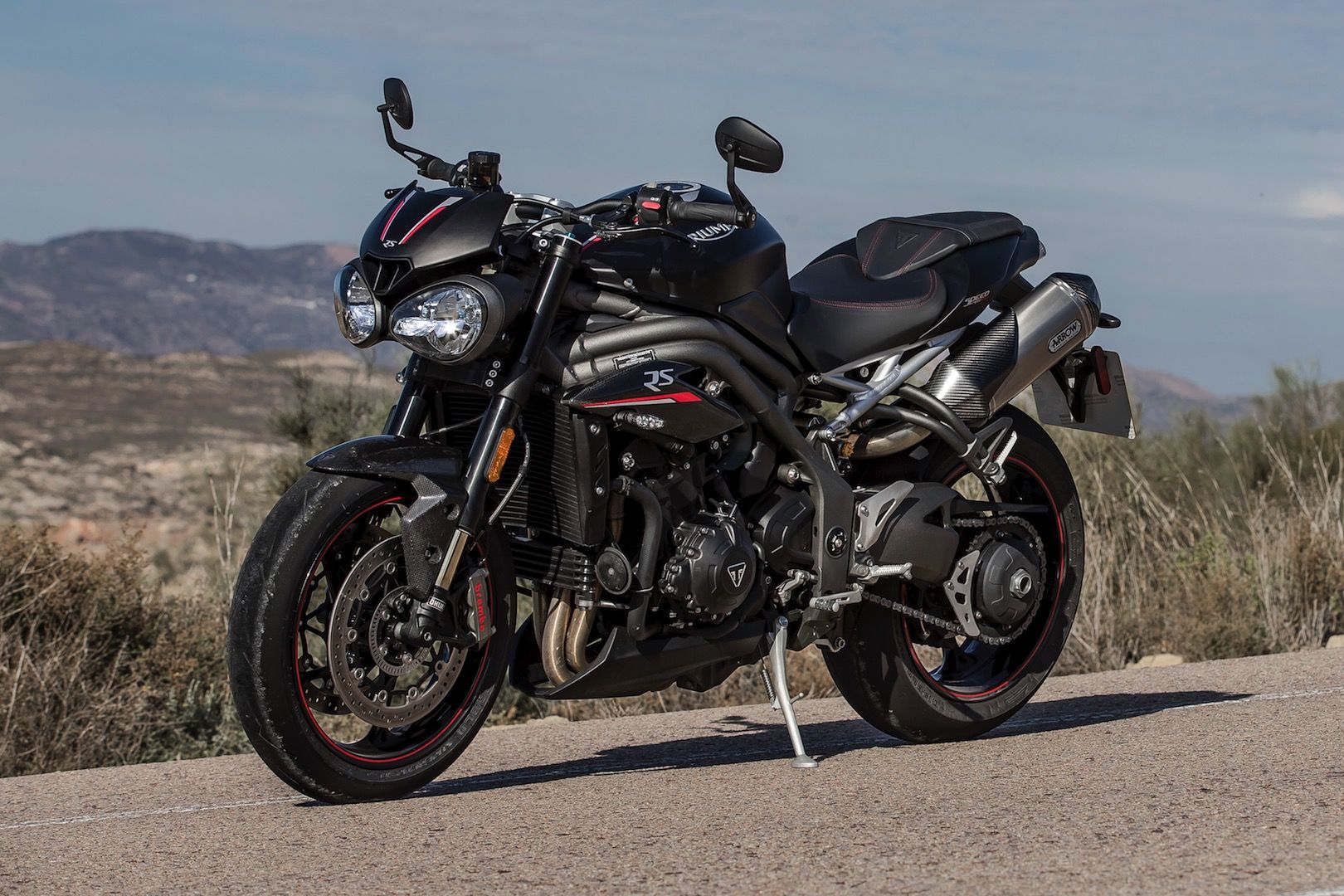
Similarly, an electric Speed Triple would face competition from the Damon Hypersport and the still-in-development offerings from legacy manufacturers, but the Speed Triple's core identity — savage torque, impeccable chassis dynamics, and street presence — translates extraordinarily well to an electric format. Instant torque delivery is, after all, something electric motors do better than any combustion engine.
The 2029 Timeline: Realistic or Ambitious?
Sources close to Triumph's development program, speaking to European moto-industry publications, have suggested a production window of 2028 to 2029 for the first models using this architecture. That timeline tracks logically for several reasons:
- Battery technology maturation: Solid-state batteries are expected to reach commercial viability for automotive applications between 2026 and 2028, giving Triumph time to integrate them into a production design.
- Regulatory pressure: The EU's evolving emissions framework will require significant electrification efforts from all major manufacturers by the late 2020s.
- R&D lead time: A patent filing today typically precedes production by four to six years for complex powertrain systems.
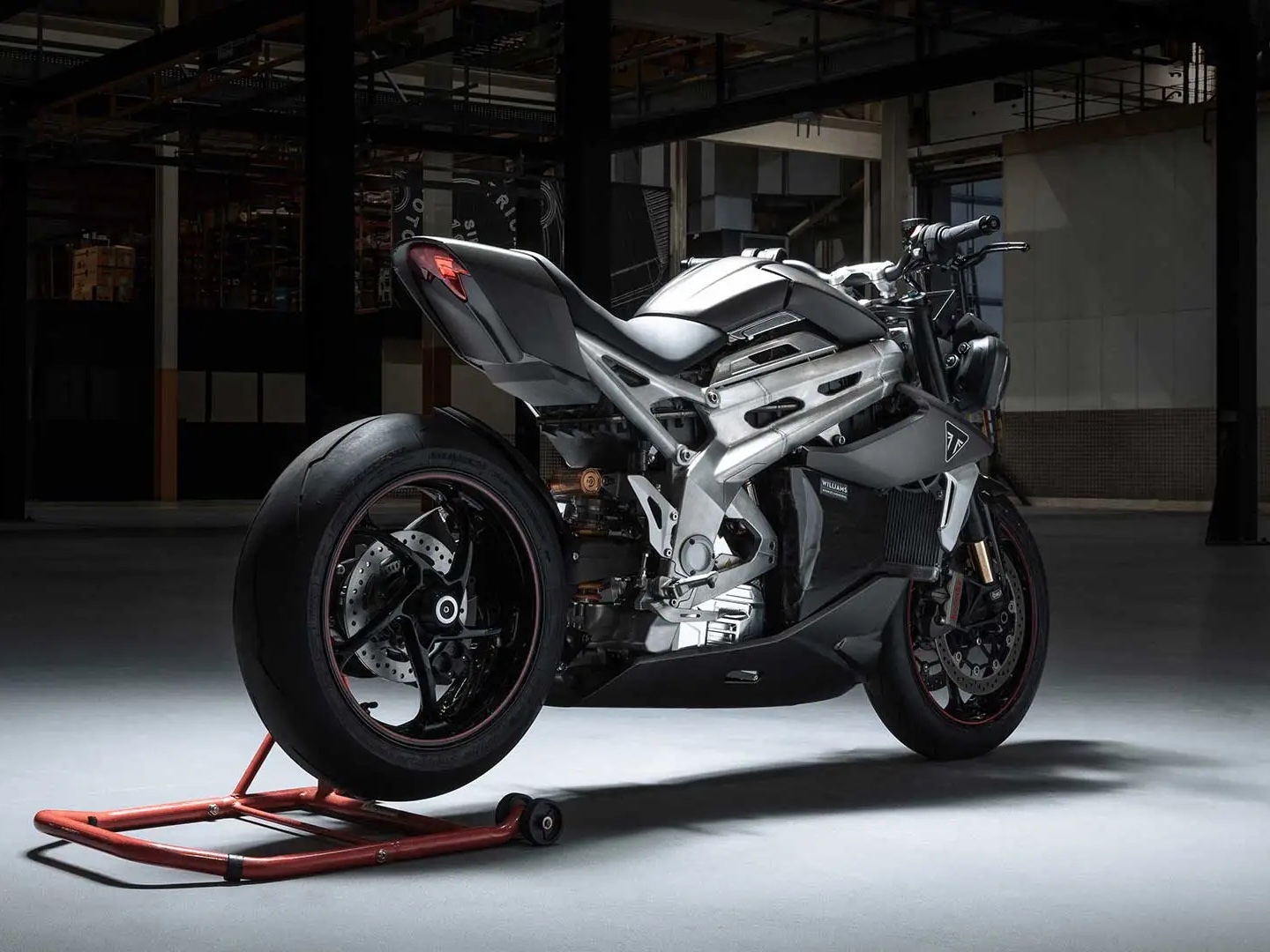
- Triumph's existing EV groundwork: The brand already collaborated with Williams Advanced Engineering on the TE-1 electric concept, demonstrating serious internal commitment to electric development.
Lessons from the TE-1 Project
The TE-1 prototype, developed in partnership with Williams Advanced Engineering and unveiled in 2022, was more than a publicity exercise. It achieved 0-60 mph in under four seconds and demonstrated 100 miles of real-world range — figures that were genuinely competitive with combustion rivals at the time. The TE-1 used a single high-output motor, however, and Triumph has been candid that the project was a learning exercise rather than a production commitment. The inline-six patent suggests the company absorbed those lessons and is now pursuing a fundamentally different, more sophisticated architecture for production vehicles.
What Riders Should Watch For
Patent filings are not guarantees. Manufacturers file patents for technologies that never reach production all the time, either as competitive insurance or as exploratory research. That said, this particular filing is detailed, technically specific, and follows a clear trajectory from Triumph's known research investments. Riders excited by this development should watch for:
- Official announcements at EICMA Milan or Intermot — historically where Triumph drops significant product news
- Any teaser campaigns tied to Triumph's 125th anniversary milestones
- Further patent filings that might reveal charging systems, battery chemistry specifications, or transmission details
- Dealer communication and test rider recruitment programs, which often precede production confirmations by 12 to 18 months
The Bigger Picture for Triumph
Triumph has spent the better part of a decade carefully modernizing its lineup without alienating its traditionalist fanbase. The 660cc triple platform, the updated Bonneville family, and the ongoing Tiger 900 and 1200 refinements all demonstrate a brand that moves deliberately and confidently. An electrified inline-six powertrain would be the boldest statement yet — a declaration that Triumph intends to lead, not follow, in the electric transition.
For riders who have worried that electrification means the end of engaging, characterful motorcycles, this patent offers a genuinely encouraging signal. Triumph is not simply bolting a battery to an existing frame and calling it progress. If the inline-six architecture delivers on its engineering promise, the next generation of Tiger and Speed Triple machines could be faster, smoother, and more involving than anything the brand has built before — while producing zero tailpipe emissions.
The road to 2029 is long, and plenty can change. But right now, that road looks more exciting than it has in years.