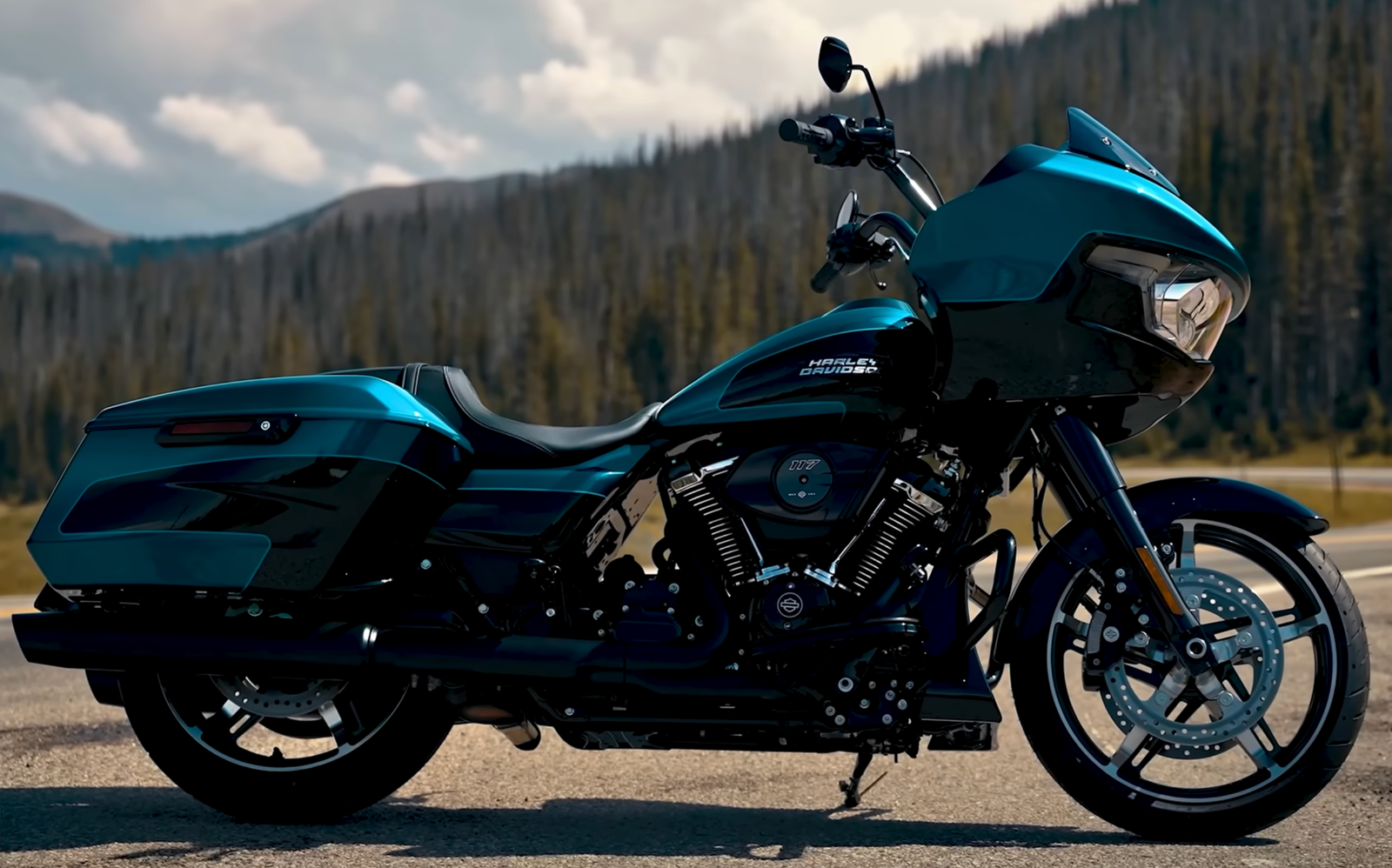
The Harley Davidson 2026 Lineup collection from Harley truly reflects the keys spots of the brand: big-twin touring, Softail style bikes and the newer Revolution Max Sportster family. However, on the opposite side if you look at the market as a whole, most of the gaps are very clear and unfulfilled. Below there are conspicuous duals with the absence of, reasons for that and simple steps that Harley could carry out to fill these voids.
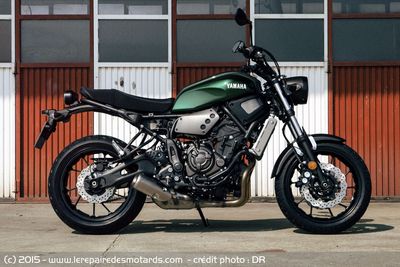
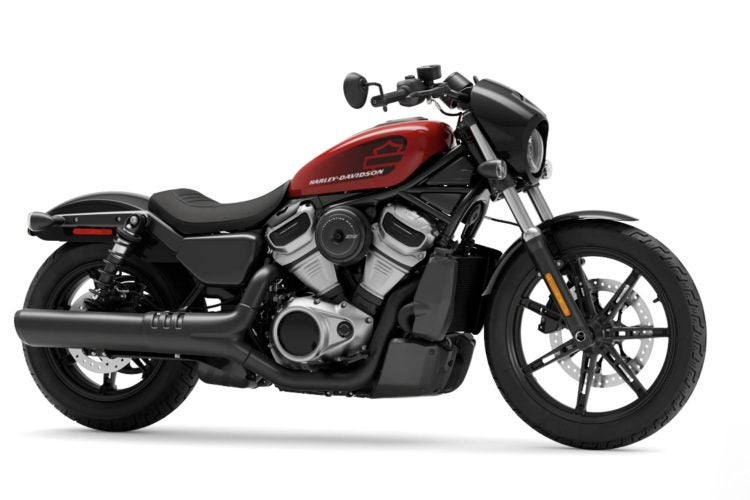
A Real Middleweight Standard/Naked (650–800cc)
The gap: In Harley Davidson 2026 Lineup not even a single model that comes closely to bikes like Yamaha MT-07, Honda CB750 Hornet, or Triumph Trident 660—that's right, simple, lightweight, upright, and priced for everyday riders.
Why it matters: This is the segment that the new rider begins at and where the old rider ends. And it is also the place a brand earns a life time customer.
A Harley move that’d work:
An upright RevMax 750–850 standard with mid-pegs, 31–32" seat, under 430 lb wet, and a target price of $8.9–$10.9K. Bar-end mirrors and analog-meets-TFT vibe are the must keeps.
An Affordable Entry Platform (<$7,500)
The gap: Since the Street 500/750 has been discontinued, Harley Davidson 2026 Lineup doesn't offer any sub-$7.5K on-ramp in the U.S.
Why it matters: The lack of a bar-and-shield option for MSF graduates, licensing funnels, urban riders, and price-sensitive buyers means that they are missing out on a good marketing strategy.
A Harley move that’d work:
A lightweight single or small twin (300–450cc) with classic H-D proportions and dealer-installed “grow with me” kits (suspension/seat/brakes) instead of displacement upsell.
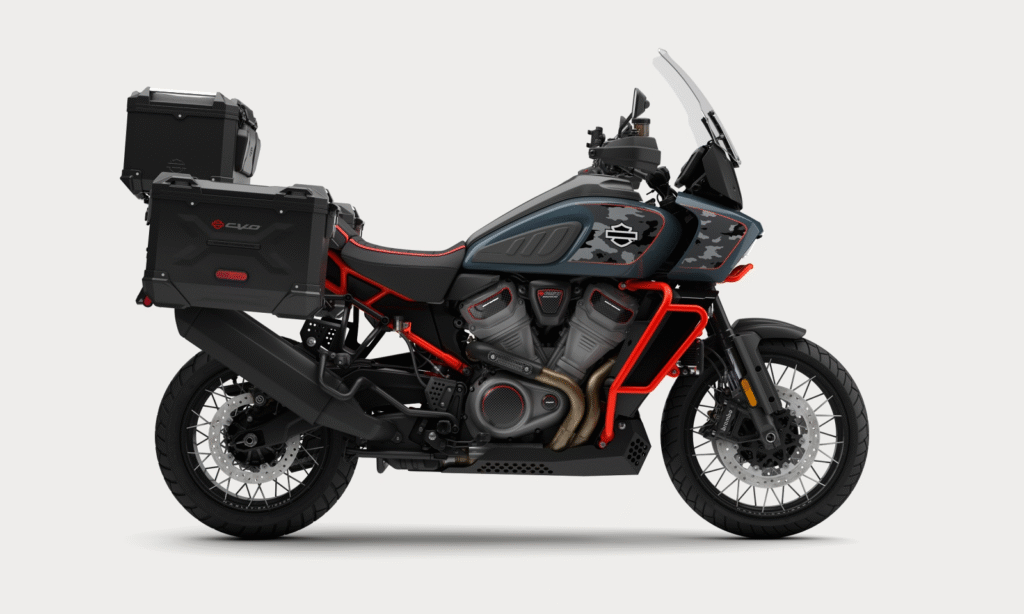
A Middleweight ADV/Explorer (650–900cc)
The gap: Although Pan America fits the liter-ADV slot, there is no smaller "Explorer" for Ténéré 700, Tiger 900, or Transalp.
Why it matters: The sub-liter ADV market is a hype train, it's why they are compact, cheaper, and less intimidating to shorter individuals who wish to ride.
A Harley move that’d work:
Pan America 850: 19/17 wheels, basic electronics, 470–500 lb wet, $10–$12K. Offer a factory Low suspension and a soft-bag kit out of the box.
A Modern XR (Flat-Track-inspired Performance Standard)
The gap: There is no machine in Harley Davidson 2026 Lineup tha can share its flat-track heritage with in the same way that the old XR1200 did it.
Why it matters: It is brand-wise and also the "rowdy standard" portion of the market which is mostly ruled by Z900/Street Triple/GSX-8S.
А Harley move that’d work:
XR 975 RevMax: 17/17 wheels, radial brakes, mid-controls, sub-460 lb wet, tuned for midrange. Keep the silhouette pure: number plates, high pipe option, bright factory colors.
A Sport-Tourer (Fairing + Bags, Not a Bagger)
The gap: There's no light, wind-protected sport-touring rig in the vein of Ninja 1000SX, Tracer 9 GT+, or RS-styled tourers.
Why it matters: There are no 900-pound behemoths heading for 300-mile days. Not everyone is interested in baggers.
A Harley move that’d work:
RevMax 1250 ST: hard cases, fixed mid-fairing, centerstand, cruise, heated grips, 520–560 lb wet, optional radar cruise.
Advanced Rider Aids on More Trims
The gap: Adaptive cruise, blind-spot, rear cross-traffic, and radar-based features aren’t available across the range in Harley Davidson 2026 Lineup.
Why it matters: Companies are introducing these features as their normal state. Tourers and commuters expect them—and indeed they significantly decrease fatigue and risk.
A Harley move that’d work:
"Touring Tech Pack" available over touring/Softail ST lines: radar cruise, blind-spot, lane-change alerts, plus a richer connected nav stack.
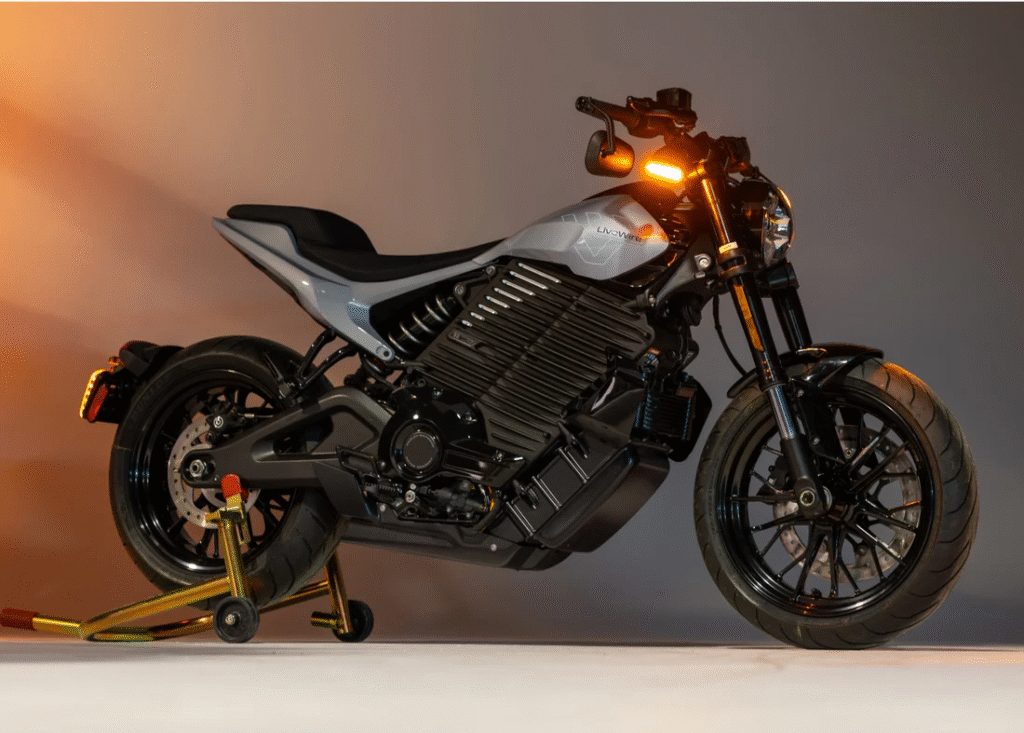
A Clear Electric Path under the H-D Badge
The gap: LiveWire exists but as a separate brand. Also, there is no electric out of Harley-branded e-commuter or light e-moto.
Why it matters: Cities tightening emissions and young buyers being e-curious are the reasons. Brand presence here shapes the next decade.
A Harley move that’d work:
Harley e-Commuter (12–14 kWh, 100–120 mi city, sub-500 lb) with bolt-on racks and urban ergonomics, sold alongside ICE bikes with unified financing and service.
More Short-Rider Ergonomics (Factory, Not Aftermarket)
The gap: Reach seats do exist, but seat/peg/bar options tailored for riders from 5'2"–5'7" are not easily found and are mostly dealer-only adds.
Why it matters: Accessibility = sales. Women and shorter riders are a growth engine for motorcycling.
A Harley move that’d work:
"Fit First" SKUs per model: low seat + narrower foam, adjustable levers, shorter kickstand, recalibrated side-stand angle—bundled and financed like any trim.
A Real Scrambler (Classic Look, Real Travel)
The gap: There isn't a simple, mid-weight scrambler with 18/17 or 19/17 wheels, modest travel, and high pipes to chase Triumph Scrambler or Ducati Scrambler Full Throttle.
Why it matters: It is a style thing, it is often a cheap one, it often looks cool in pictures-and the right vehicle is better off-road than slammed cruisers.
A Harley move that’d work:
Scrambler 975: 6–7" travel, 19/17s, skid plate, tall bar, bench seat, 460–480 lb, $11–12K.
Transparent Value Trims (<$15K OTD)
The gap: Clear, nationally advertised "out-the-door" entry trims are rare. Fees and freight blur price comparisons.
Why it matters: Buyers cross-shop across brands and segments. Simple pricing converts.
A Harley Move That'd Work:
"Core" trims: matte paint, basic electronics, simplified accessories—marketed nationwide with OTD targets and loyalty financing.
What Customers Demand vs. Harley Davidson 2026 Lineup's Gaps
| Shopper Priority | What They Want | Current Gap | Easy Win for H-D |
|---|---|---|---|
| First bike / city commuter | <$7.5K, light, upright, cheap to insure | No U.S. sub-$7.5K on-ramp | 300–450cc single/twin standard |
| Middleweight all-rounder | 650–800cc, 420–470 lb, $9–11K | No true naked/standard | RevMax 750–850 standard |
| Mid-ADV | 650–900cc, <500 lb, $10–12K | No small Explorer | Pan America 850 Low |
| Sport-tourer without bags | Protection, cruise, sub-600 lb | No ST that isn't a bagger | RevMax 1250 ST |
| Tech & safety on tourers | Radar cruise, blind-spot, connected nav | Limited availability | Touring Tech Pack |
| Short-rider fit | 29–31" reach, narrow seat, short levers | Patchy factory options | Fit-First SKUs per model |
| Scrambler style, real roads | 19/17, mid-travel, bench seat | None | Scrambler 975 |
| Electric curiosity | Urban range, easy charging, H-D badge | LiveWire is separate | Harley e-Commuter |
Bottom Line
The backbone of Harley is still intact. But to capture the interest of the future generation there are new ones such as an easy to start program, a middleweight standard, a mid-ADV, a real sport-tourer, even an across range modern safety tech, and a Harley-badged electric that’s really obtainable. None of these are against the brand—on the contrary, certain ones fully imbibe Harley's own history (hello, XR).
If the Milwaukee management marks at least half of the goals, the 2027 line-showroom probably would be the most diverse in Harley's history.