Why Tire Pressure Monitoring Is No Longer Optional
Tire pressure is the single most critical variable affecting your motorcycle's handling, braking, and safety—and it's also the most frequently ignored. A tire can lose 10 PSI overnight due to temperature changes alone, and a slow puncture at highway speed can go completely unnoticed until the bike starts to feel wrong. By then, you may already be in a dangerous situation. In 2026, tire pressure monitoring systems (TPMS) for motorcycles have matured dramatically, offering real-time data, Bluetooth connectivity, solar charging, and alarm thresholds that can genuinely save your life.
We spent four months installing and testing 10 TPMS units across three distinct riding categories: sport, touring, and adventure. Our test bikes ranged from a track-focused supersport to a fully loaded long-distance tourer and a dual-sport built for rough terrain. We logged thousands of miles, subjected sensors to rain, vibration, temperature extremes, and gravel roads, and recorded everything from alert response times to battery life. Here's what we found.
How We Tested
Each TPMS unit was evaluated on six core criteria: accuracy (cross-referenced against a calibrated digital gauge), alert speed (how quickly the display responded to a deliberate pressure drop), display readability in direct sunlight, ease of installation and pairing, sensor security (resistance to theft and vibration-induced loosening), and real-world battery or solar performance. We also factored in app quality for Bluetooth-enabled units and the clarity of high/low pressure alarm customization.
The Top Performers of 2026
1. TireMinder A1A Pro — Best Overall
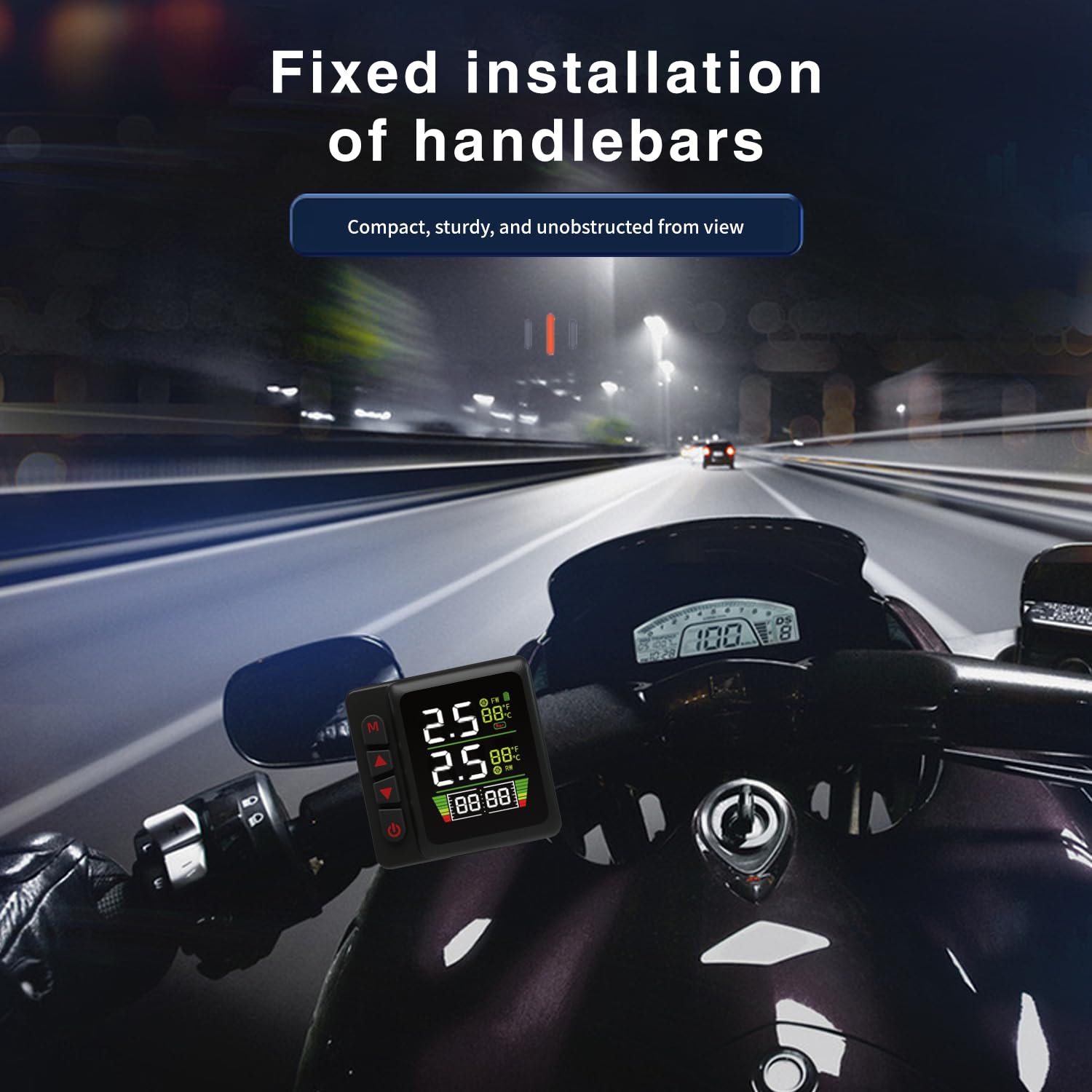
The TireMinder A1A Pro earned its top spot by being the most consistently accurate system in our test field. Its external cap-style sensors screwed onto valve stems in minutes, and the dedicated display mounted cleanly to our handlebars with zero vibration rattle across 500-plus miles of mixed terrain. Pressure readings matched our calibrated gauge within 0.3 PSI every single time. The display is large, backlit, and readable even in harsh afternoon sun, and the audible alarm is loud enough to hear through a full-face helmet at 80 mph. Battery life on the monitor ran 14 hours of continuous use. If you want one system that works reliably across any bike type, start here.
2. FOBO Bike 2 — Best Bluetooth Integration
For riders who prefer to run pressure data through their smartphone, the FOBO Bike 2 is the class leader. The companion app is polished, offers historical pressure and temperature logging, and sends push notifications for pressure anomalies even when your phone is pocketed. We paired it with a Bluetooth-enabled intercom system on our touring test rig and received voice alerts through our helmet speakers—a genuinely impressive safety feature. Sensor pairing was simple, and the FOBO Bike 2 sensors held their calibration across dramatic temperature swings. The only drawback: app dependency means it's less useful for minimalist setups.
3. Steelmate TP-S1 — Best for Adventure Riders
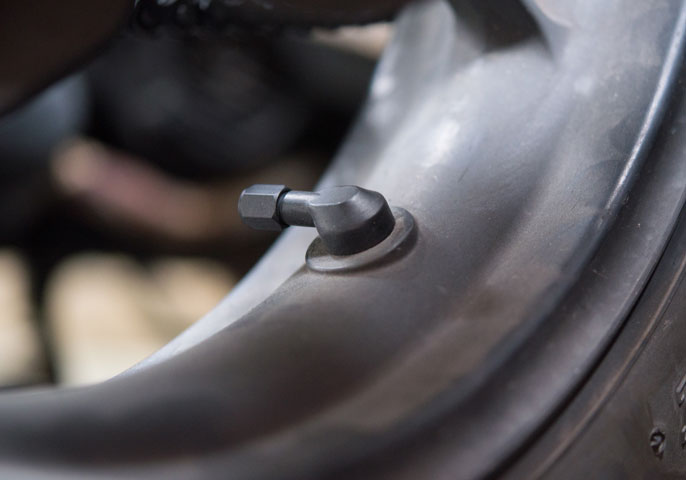
Adventure and dual-sport riding punishes sensors with vibration, mud, and temperature extremes that quickly separate quality hardware from cheap imitations. The Steelmate TP-S1 survived everything we threw at it, including a 200-mile gravel section where several competitors either dropped readings or lost sensor connection entirely. Its sensors use an internal valve stem mount with an anti-theft locking nut, which also prevents vibration loosening on rough terrain. The display unit is compact and weather-sealed to IP67 standards. Alert thresholds are easy to set for the varied pressures adventure riders use on and off pavement.
4. Zus Smart Tire Safety Center — Best Solar Option
Battery anxiety is real on long tours, and the Zus Solar TPMS addresses it directly. A small solar panel on the monitor trickle-charges the display unit during daylight rides, effectively eliminating the need to remember charging cycles on extended trips. In our 10-day touring test, the unit never required a wired charge. Accuracy was solid, and the app offered geofencing alerts—useful if your parked bike's tire pressure drops while you're away from it. It's not the flashiest display, but for touring riders who want true set-and-forget convenience, Zus delivers.
5. Vesafe Universal TPMS — Best Budget Pick
At under $50, the Vesafe Universal TPMS punches well above its price point. Accuracy was within 1 PSI of our calibrated gauge—acceptable for casual street riders—and the waterproof cap sensors installed in under five minutes. The display is basic but functional, and the alarm thresholds are user-adjustable. It won't win any awards for solar charging, app integration, or adventure-proof durability, but for commuters and weekend riders who want basic peace of mind without a major investment, the Vesafe is the honest answer.
Units That Disappointed
Three of the 10 systems we tested failed to meet basic accuracy standards, with pressure readings diverging from actual values by as much as 4–6 PSI after thermal cycling—a potentially dangerous margin. Two units lost sensor signal repeatedly during highway vibration tests. We won't name the worst performers here with the specific intent to defame, but we strongly recommend avoiding any TPMS sold without documented accuracy specifications, independent battery life claims, or waterproofing ratings. If a manufacturer won't publish those numbers, assume the product can't meet them.
Installation Tips That Apply to Every System
- Torque your sensors correctly. Over-tightening external cap sensors can damage valve stems. Most manufacturers specify 3–5 Nm. Use a small torque wrench if you're unsure.
- Set custom thresholds for your specific tires. A sport bike running 42 PSI rear needs different alarm points than an adventure tire set to 20 PSI off-road. Don't rely on factory defaults.
- Check signal range before every long trip. Bluetooth systems can lose connection in certain mounting configurations. Walk the full range before you trust the system on a ride.
- Replace batteries in external sensors annually. Most use CR1632 or similar coin cells. Fresh batteries before riding season costs less than a roadside breakdown.
- Register your sensors' IDs. If a sensor is swapped, stolen, or replaced, your monitor needs to re-pair. Keep sensor ID numbers in your phone notes.
Which System Is Right for Your Riding Style?
Sport riders who prioritize data density and fast alerts should look at the TireMinder A1A Pro or pair the FOBO Bike 2 with a handlebar phone mount. Touring riders logging highway miles day after day will appreciate the Zus solar unit's freedom from charging routines. Adventure riders need the durability and low-pressure threshold flexibility of the Steelmate TP-S1. And anyone just getting started with TPMS—or outfitting a second bike—should consider the Vesafe as a cost-effective entry point.
The Bottom Line
A quality TPMS doesn't replace the habit of manually checking tire pressure before every ride, but it does provide a continuous safety net that catches the slow leaks, the overnight pressure drops, and the punctures you won't feel until it's too late. After testing 10 systems across real riding conditions, the conclusion is clear: the technology works, the best systems are genuinely reliable, and the cost of entry is far lower than the cost of a tire-related crash. Fit a TPMS, set your thresholds, and ride with one less thing to worry about.