Introduction: Small Bike, Big Question
In a world of chrome-laden, thundering V-twins and increasingly expensive entry-level motorcycles, the Yamaha V-Star 250 stands out as a quietly compelling proposition. Priced accessibly and styled to look the part, it promises the cruiser experience without the cruiser price tag. But is it genuinely the best value for money in the cruiser segment, or are you simply getting what you pay for? Let's break it down.
What Is the Yamaha V-Star 250?
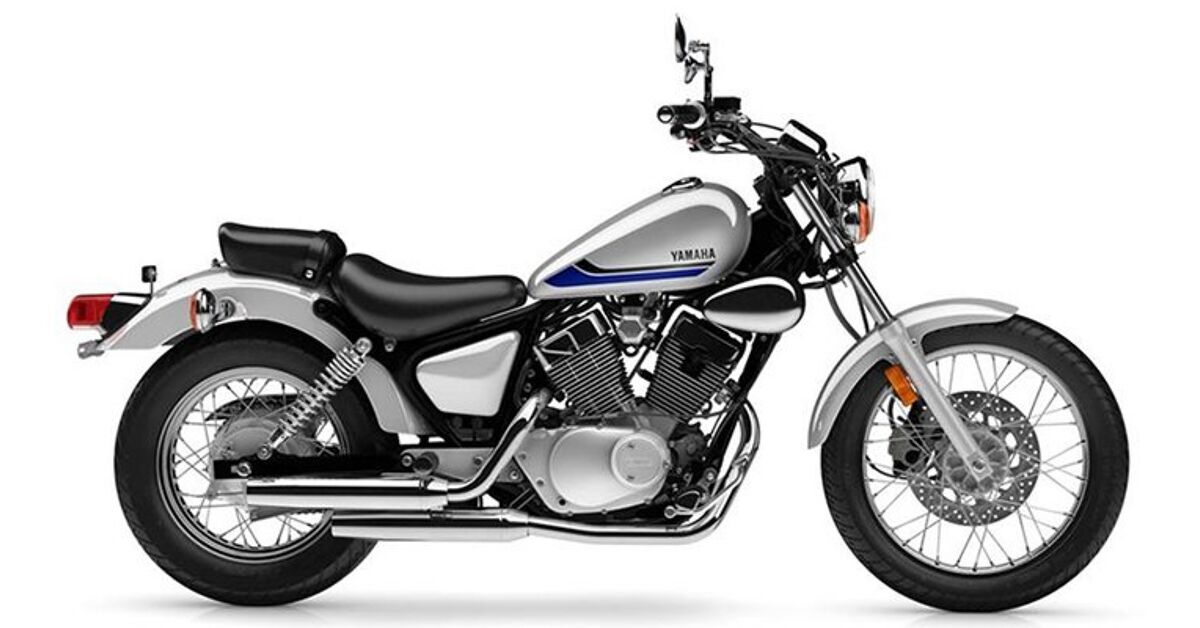
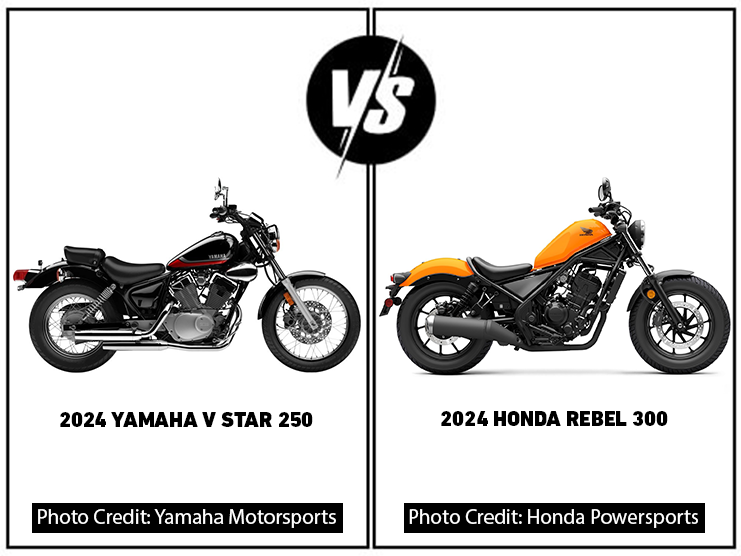
The Yamaha V-Star 250 — also sold in some markets as the Yamaha Virago 250 — is a lightweight, air-cooled, single-cylinder cruiser that has been part of Yamaha's lineup in various forms since the 1980s. Its modern iteration retains the classic cruiser styling: low seat height, wide handlebars, teardrop fuel tank, and chrome accents throughout. It weighs in at a featherweight 326 lbs (148 kg) wet, making it one of the most manageable cruisers available anywhere.
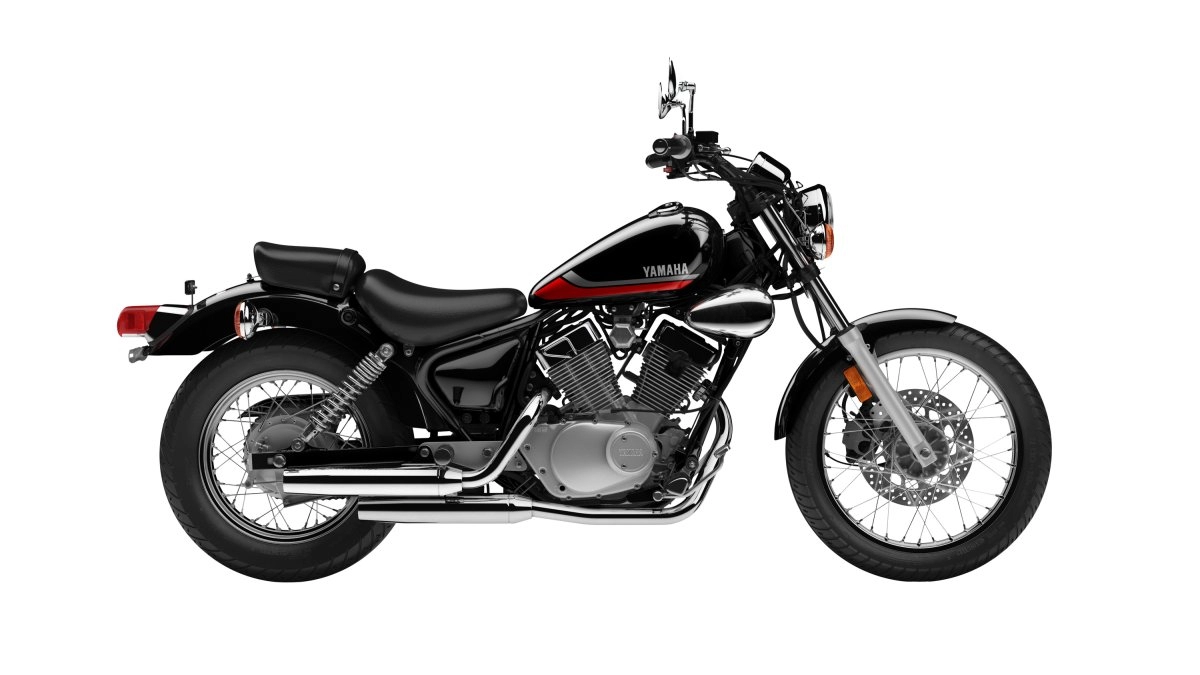
The engine is a 249cc, single-cylinder, SOHC unit producing around 21 horsepower and 15 lb-ft of torque. Those numbers won't win any drag races, but they're entirely appropriate for city riding, suburban commuting, and leisurely weekend cruises on back roads.
Who Is This Bike Really For?
Understanding the V-Star 250's value requires understanding its audience. This is not a highway mile-eater or a bike for experienced riders craving performance. The V-Star 250 is purpose-built for:
- New riders earning their stripes and building confidence on two wheels
- Returning riders who want a low-stress, low-risk re-entry into motorcycling
- Commuters in urban environments who want a stylish, fuel-efficient daily rider
- Riders on a tight budget who want the cruiser aesthetic without financing a larger bike
- Shorter riders who appreciate the 27-inch seat height and easy ground reach
Once you accept that the V-Star 250 is not competing with the Harley-Davidson Sportster or the Indian Scout, and is instead competing with other small-displacement beginner bikes, the value equation starts to look very different — and very favorable.
The Value Breakdown: What You Actually Get
Purchase Price and Running Costs
New, the Yamaha V-Star 250 typically retails between $4,000 and $4,500 USD depending on dealer and location, making it one of the cheapest new cruisers on sale today. Used examples can be found for considerably less, often between $2,000 and $3,000 for a well-maintained machine. Insurance costs are predictably low, parts are inexpensive and widely available, and fuel consumption is outstanding — expect 70–80 mpg in normal riding conditions. For a rider watching their budget, these ongoing costs matter enormously.
Reliability and Build Quality
Yamaha's reputation for reliability is well-earned, and the V-Star 250 benefits from decades of refinement on an inherently simple platform. Single-cylinder engines with minimal electronic complexity are easy to maintain and hard to break. Many owners report riding tens of thousands of miles with nothing more than routine oil changes, chain adjustments, and the occasional brake pad swap. For a beginner who isn't yet mechanically savvy, this low-maintenance character is genuinely reassuring.
Ride Quality and Handling
At low speeds — where most new riders spend the majority of their time — the V-Star 250 is genuinely pleasant to ride. The low center of gravity and light weight inspire confidence at parking lot speeds and in slow traffic. The suspension is basic but adequate, handling typical road imperfections without drama. Highway riding is possible, but the 250cc engine runs close to its limit at sustained speeds above 65 mph, which does limit long-distance versatility.
Styling and Street Presence
Here's where the V-Star 250 punches well above its weight class. The bike looks like a proper cruiser. Passersby won't know — or necessarily care — that it's a 250. The chrome details, the classic teardrop tank, and the low-slung profile give it genuine visual appeal that other beginner bikes, like a standard or sport-naked, simply can't replicate for the cruiser-inclined rider. If looking the part matters to you, the V-Star 250 delivers.
Where the V-Star 250 Falls Short
Honesty demands we acknowledge the limitations. The single-cylinder engine, while reliable, lacks the character and rumble of a V-twin. Highway capability is genuinely constrained, and a pillion passenger will push the engine to its absolute limits. The braking system — a single disc front and drum rear — is functional but won't impress anyone used to modern standards. There's also no ABS option, which is an increasingly standard safety feature on competing bikes.
Taller or larger-framed riders may also find the ergonomics challenging for longer rides, and the relatively narrow power band means it demands more gear changes than a larger displacement machine. These aren't deal-breakers, but they're worth knowing before you commit.
How Does It Compare to the Competition?
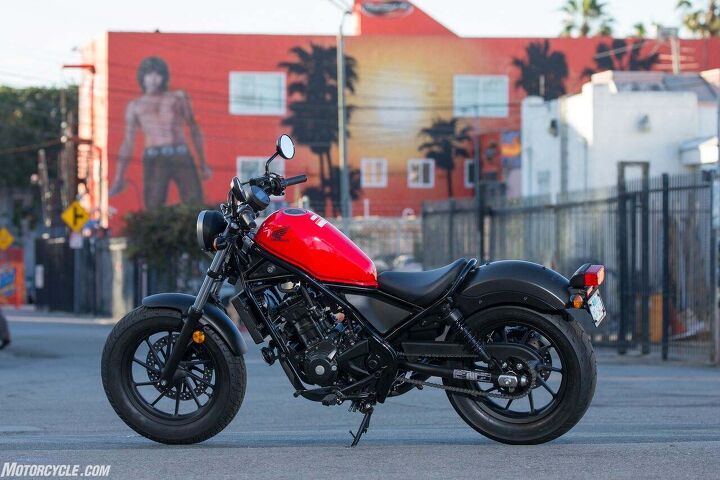
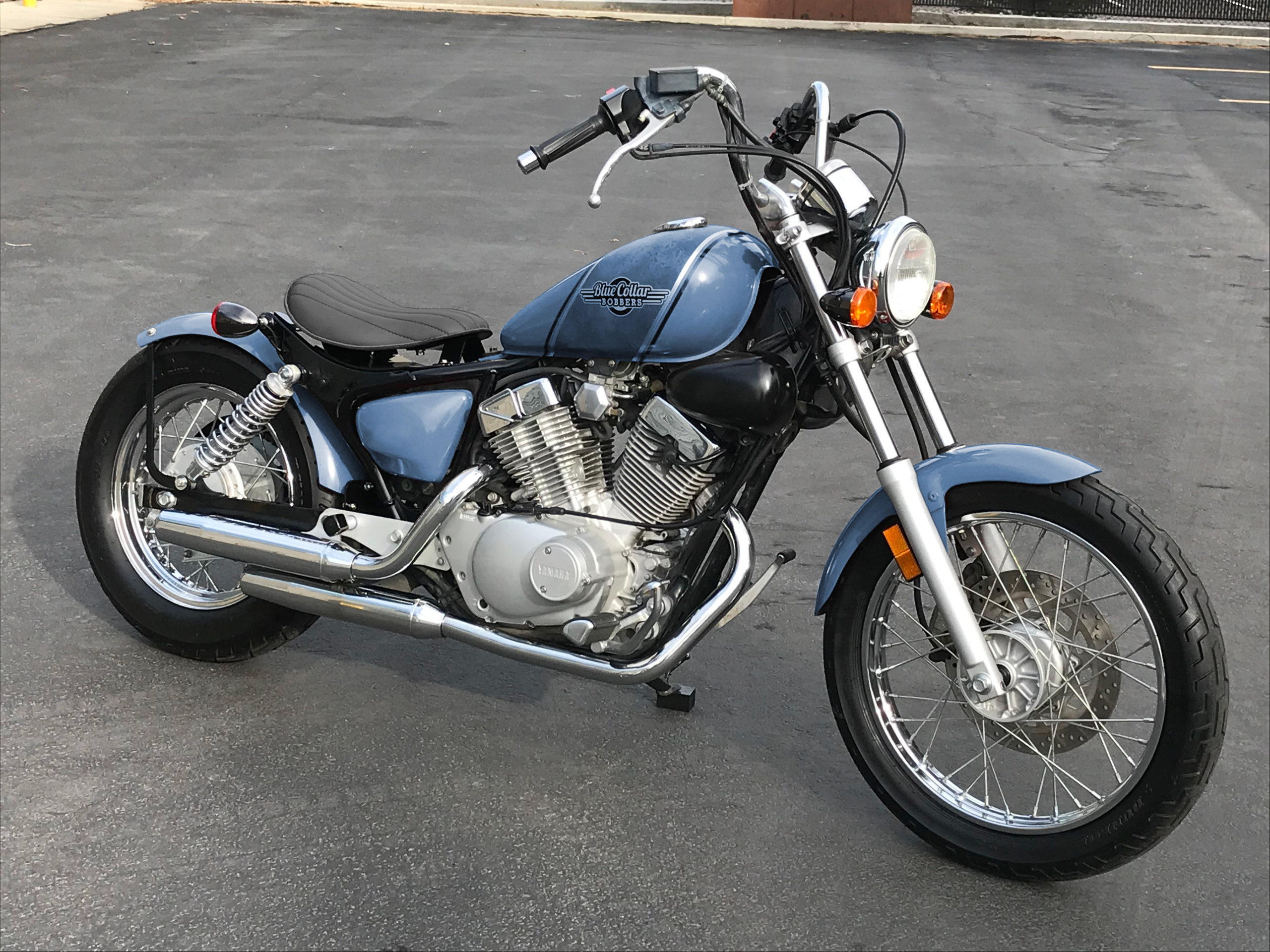
In the small cruiser category, the V-Star 250 competes with bikes like the Honda Rebel 300 and the Kawasaki Vulcan S (in its smaller displacement forms). The Honda Rebel 300 offers a more modern twin-spar frame, slightly more power, and a cleaner design aesthetic, though at a higher price point. The Kawasaki Vulcan S offers adjustable ergonomics and genuine highway capability, but again costs considerably more.
For pure, no-frills, low-cost cruiser ownership, the V-Star 250 remains difficult to beat on price. If your budget stretches further, the Honda Rebel 500 represents a significant step up in performance and versatility while retaining beginner-friendly dynamics.
The Verdict: Is It the Best Value Cruiser?
For its intended audience, yes — the Yamaha V-Star 250 may well be the best value-for-money cruiser available. It delivers authentic cruiser styling, bulletproof reliability, rock-bottom running costs, and a genuinely approachable riding experience in a package that new riders can afford to buy and afford to run. It will not satisfy experienced riders seeking performance or long-distance touring capability, and that's completely fine — it was never designed to.
If you're a new rider who wants to learn on something that looks great, won't intimidate you, won't punish mechanical neglect, and won't drain your bank account, the V-Star 250 makes a compelling case for itself. Ride one before dismissing it on spec-sheet grounds — you might be pleasantly surprised by just how much fun small and simple can be.