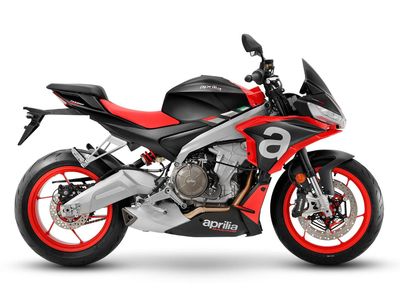
Three Middleweights, One Big Question: Which Is the Best Everyday Sport Bike of 2026?
The middleweight all-rounder segment is arguably the most competitive battleground in motorcycling right now. Sit somewhere between a beginner-friendly A2-licence machine and a full-on supersport weapon, and you'll find a cluster of parallel-twin bikes that promise to do everything: commute on Monday, tackle mountain roads on Saturday, and not leave your wallet weeping on Sunday. The 2026 Kawasaki Ninja 650, Honda CB650R, and Yamaha MT-07 are the three loudest voices in that conversation, and we rode all three back-to-back for a full week to find out which one genuinely earns the title of best everyday sport bike.
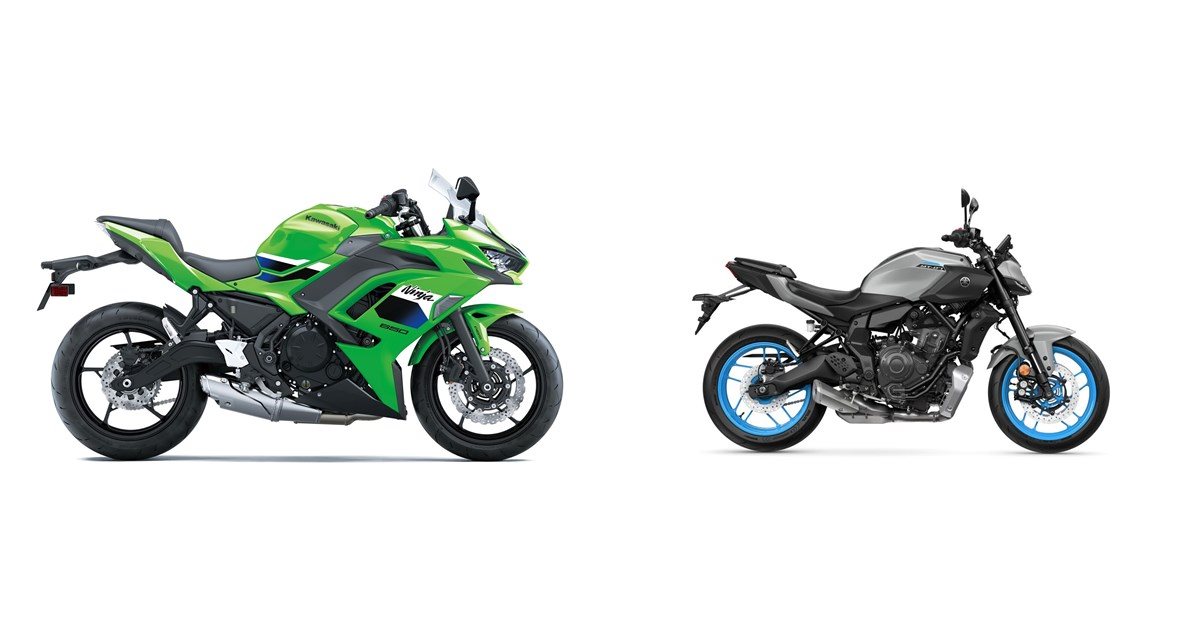
Our test route covered a mix of urban stop-start traffic, fast dual-carriageway stretches, and a demanding sequence of country roads with tight hairpins and fast sweepers. Each bike was evaluated on ergonomics, engine character, handling, technology, real-world fuel economy, and overall value. Here's what we found.
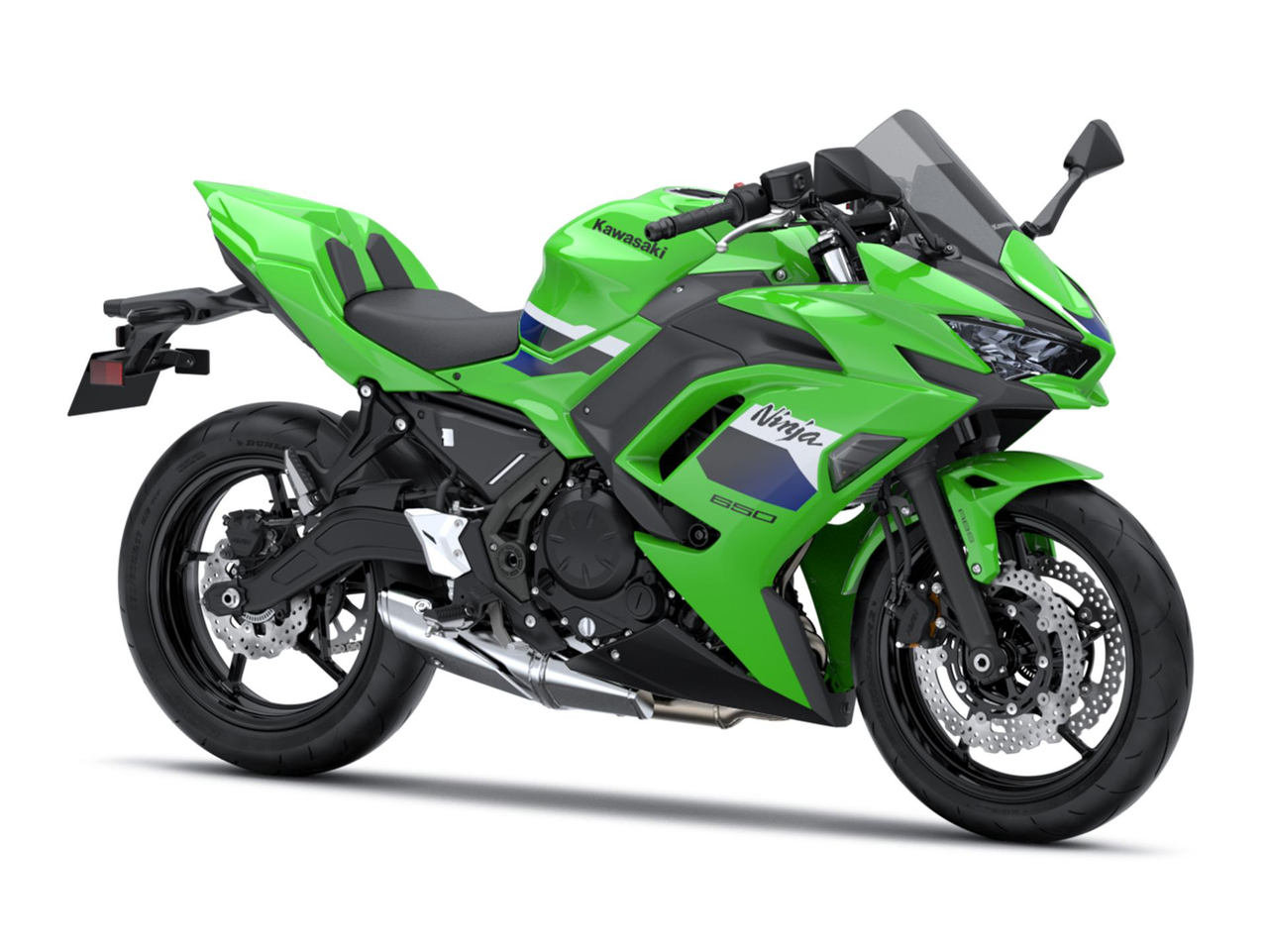
Kawasaki Ninja 650: The Polished All-Rounder
The Kawasaki Ninja 650 has been refined over many generations, and for 2026, Kawasaki has sharpened the electronics package while retaining the approachable, comfortable character that has always defined this bike. The 649cc parallel-twin produces around 67 horsepower, delivered in a smooth, linear curve that feels genuinely confidence-inspiring whether you're filtering through city traffic or opening the throttle on an empty road.
Ergonomically, the Ninja 650 strikes a slightly sporty-but-relaxed compromise. The handlebar is higher than a true supersport but lower than a naked streetfighter, putting you in an alert position without punishing your wrists on longer rides. Over our week, the Ninja consistently proved the easiest bike to live with day-to-day. Wind protection from the fairing is meaningfully better than the naked alternatives, a genuine bonus on motorway miles. The suspension setup is plush enough to absorb urban potholes without transmitting every crack to your spine.
On the downside, the Ninja 650's engine can feel a touch pedestrian compared to its rivals when you're pushing hard. It's smooth but lacks a distinct mechanical personality, and the gearbox, while reliable, doesn't have the slick-action precision of the Honda. Fuel economy averaged around 55–58 mpg across our mixed test route — excellent numbers for the class.
Honda CB650R: The Premium Choice
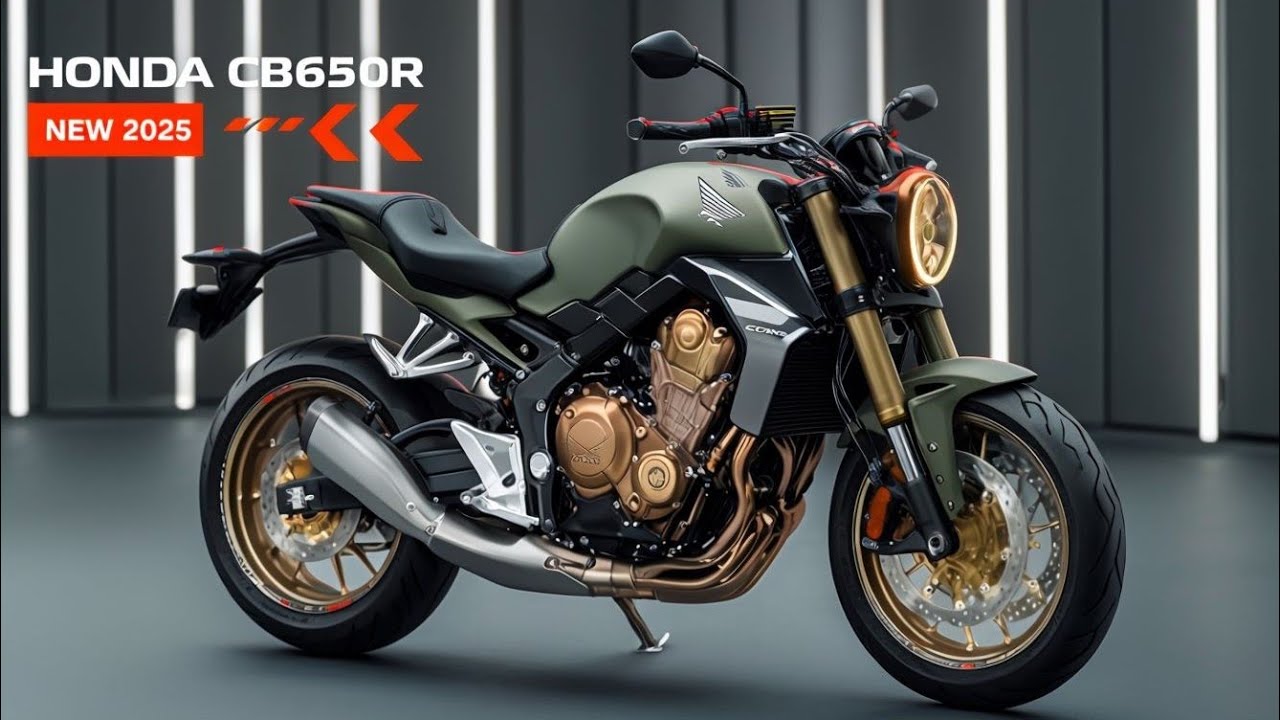
The Honda CB650R is a different proposition entirely. Honda's Neo Sports Café styling gives it a premium, almost jewellery-like appearance that consistently attracts attention at petrol stations and café stops. For 2026, Honda has updated the suspension components and revised the throttle-by-wire mapping, and the difference in feel is tangible.
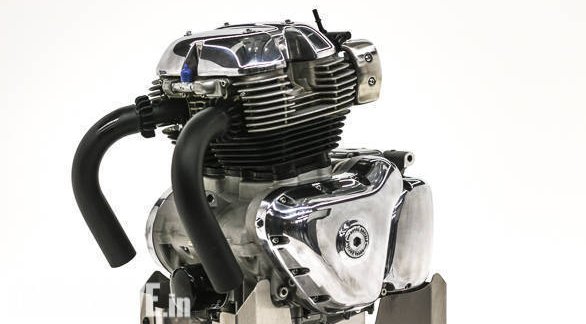
The CB650R's four-cylinder 649cc engine is the headline act. Yes — four cylinders in a 650cc machine, which means a rev range and a mechanical soundtrack that the parallel-twin rivals simply cannot match. You need to work the engine harder to access the best of its approximately 95 horsepower (the highest in this test), but the reward is a climbing, spine-tingling intake howl as the rev counter climbs past 8,000 rpm. For riders who love engaging with an engine, the Honda is streets ahead.
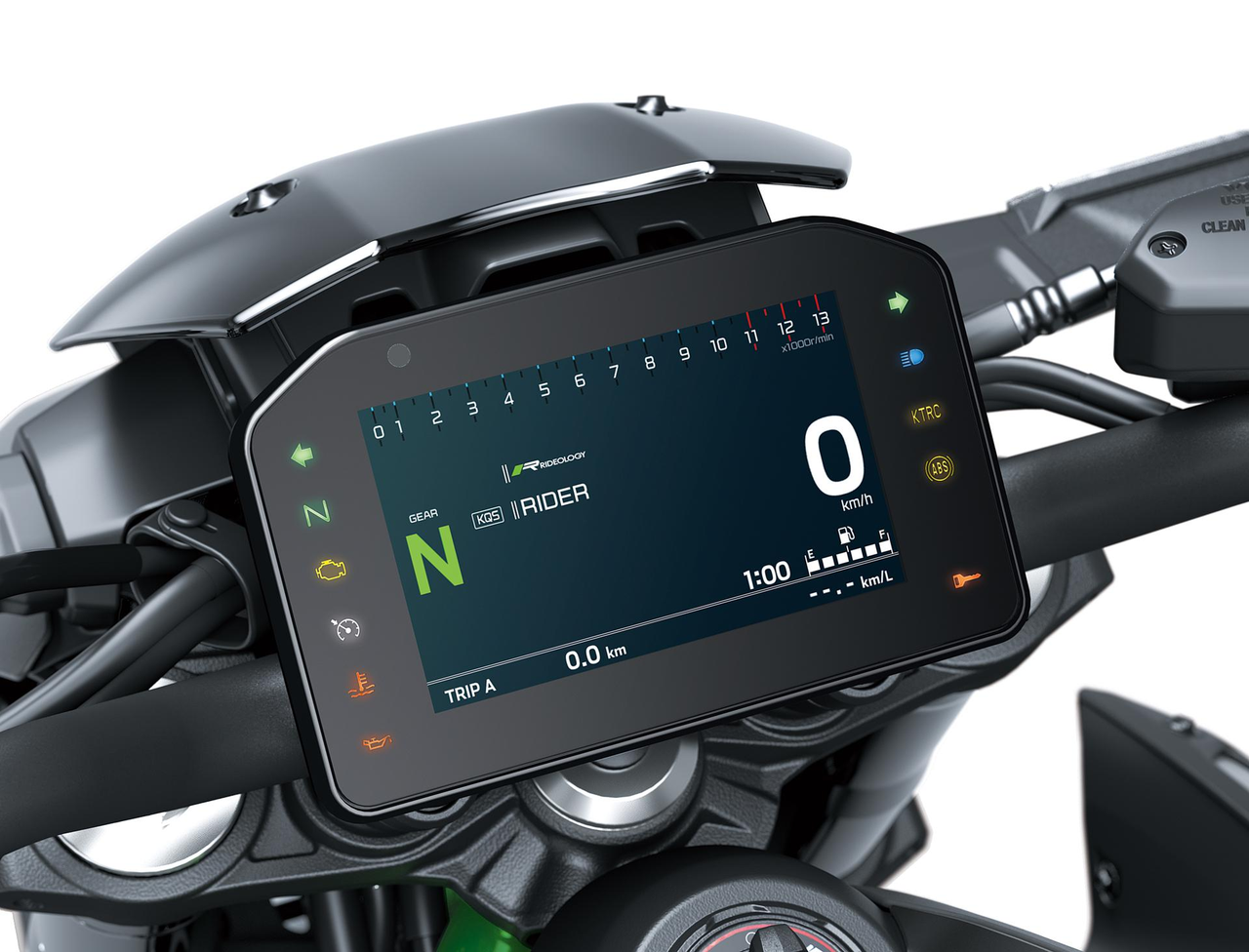
The handling is precise and communicative, with fork action that inspires confidence in corners. The seating position is more upright than the Ninja, making it comfortable over distance. The technology package — including riding modes, traction control, and a clear TFT display — is well-executed. The catch? Price. The CB650R sits noticeably above its rivals at point of sale, and the four-cylinder engine means slightly thirstier real-world fuel returns, averaging around 48–51 mpg during our test. Insurance premiums will also reflect the power advantage.
Yamaha MT-07: The Driver's Machine
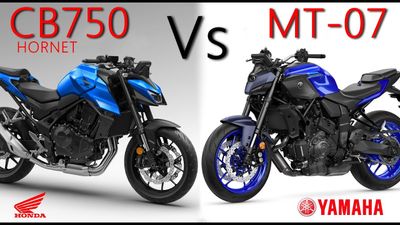
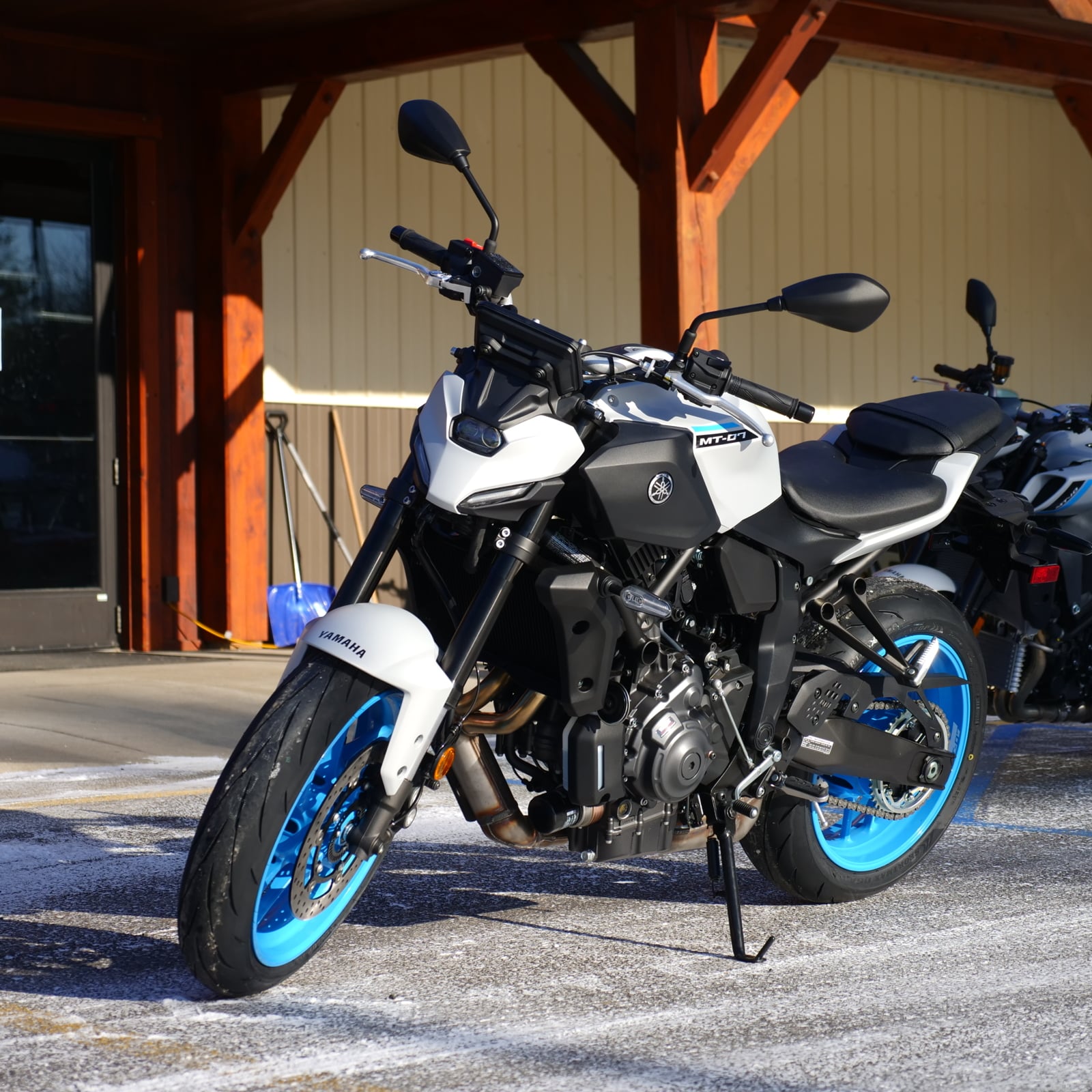
The Yamaha MT-07 is arguably the most celebrated bike in this segment, and the 2026 version continues that tradition with a revised chassis geometry, updated ride-by-wire system, and improved quickshifter operation on equipped models. The 689cc CP2 parallel-twin is a true character engine — punchy, torque-rich from low revs, and with a distinctive growl that sounds far bigger than its displacement suggests.
Where the Ninja 650 prioritises comfort and the Honda rewards high-rpm enthusiasm, the MT-07 is built around dynamic engagement. The handling is the sharpest of the three: the chassis feels alive and communicative, encouraging you to commit to corners and rewarding decisive inputs. Body steering works intuitively, and the front end feedback is the best in this group. If riding roads enthusiastically is your primary motivation, the MT-07 wins this test decisively.
The ergonomics are aggressive by middleweight standards — the riding position places you slightly more forward and the bars are narrower and lower. It's still manageable for longer days, but it's less accommodating than the Ninja for pure commuting comfort. Real-world fuel economy came in around 52–55 mpg, which is competitive. The MT-07 also benefits from Yamaha's strong dealer network and proven long-term reliability record.
Head-to-Head: How They Compare
- Engine Character: Honda CB650R wins outright with its four-cylinder howl. MT-07 takes second with genuine personality. Ninja 650 is smooth but less exciting.
- Everyday Comfort: Ninja 650 leads, with the best wind protection and most relaxed ergonomics. CB650R is close behind. MT-07 demands the most physically.
- Handling Dynamics: MT-07 is the clear winner — sharper, more engaging, more rewarding. CB650R is precise. Ninja 650 is capable but the softest of the three.
- Technology: CB650R edges ahead with the most refined electronics suite. All three offer ride modes and traction control for 2026.
- Value: Ninja 650 wins on sticker price and running costs. MT-07 offers excellent performance-per-pound. CB650R commands a premium.
- Fuel Economy: Ninja 650 returns the best real-world figures, followed closely by the MT-07.
Our Verdict: Which Should You Buy?
There is genuinely no wrong answer in this trio, which is a testament to how competitive the class has become. The right choice depends almost entirely on how you prioritise what a motorcycle should do for you.
Buy the Kawasaki Ninja 650 if comfort, wind protection, and real-world running costs are your top priorities. It's the most accessible, the most practical, and the most budget-friendly long-term ownership proposition. It's also a brilliant first step into A-category riding for those upgrading from A2 restrictions.
Buy the Honda CB650R if you want a premium, emotionally engaging machine and you're willing to pay for it. The four-cylinder engine is an experience unlike anything else in the class, and the CB's kerb appeal is unmatched. Just budget accordingly.
Buy the Yamaha MT-07 if riding roads with genuine enthusiasm is your priority. As a driver's machine — the bike that rewards skill and involvement — it sits a level above its rivals. The balance of power, handling, and price makes it our overall pick for the rider who buys a motorcycle to ride it, not just travel on it.
All three will serve you well for commuting, weekend escapes, and occasional touring. But in 2026, the MT-07 remains the benchmark that the others are chasing.