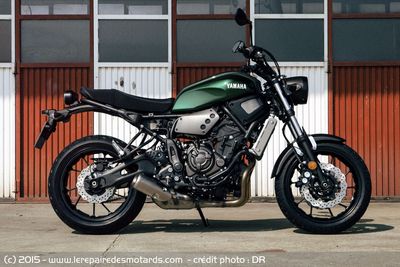
The motorcycle industry is on the cusp of a technological revolution, and by 2026, artificial intelligence (AI) is set to play a pivotal role in transforming the way motorcycles are manufactured. From enhancing precision in production to enabling unprecedented levels of customization, AI is reshaping the landscape of motorcycle manufacturing.
AI and Precision Engineering
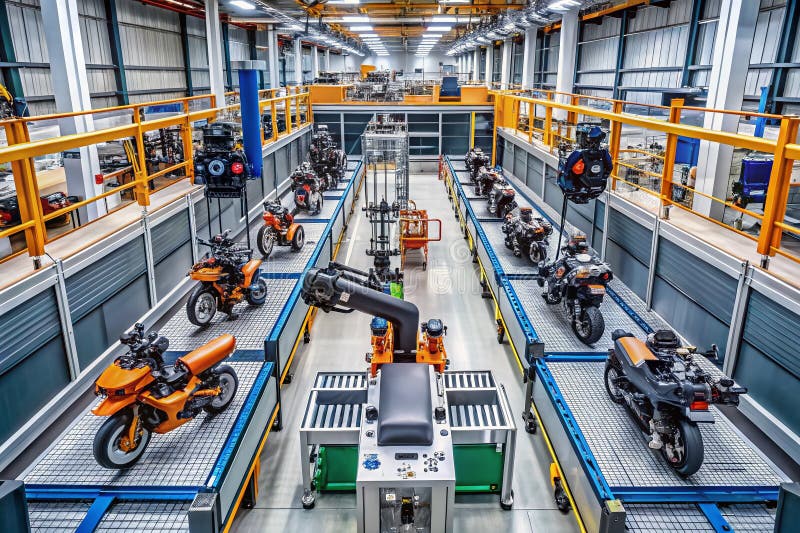
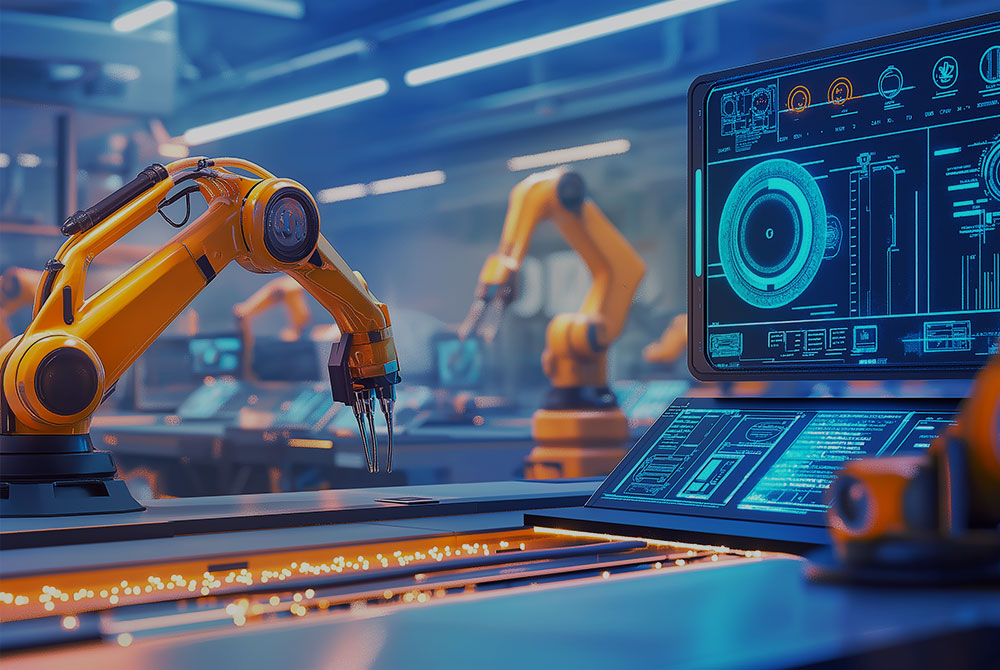
One of the most significant impacts of AI in motorcycle manufacturing is the enhancement of precision engineering. AI-driven systems are capable of analyzing vast amounts of data to optimize production processes, reducing errors and minimizing waste. This results in motorcycles that are not only more reliable but also more aligned with the exacting standards of modern riders.
For instance, AI algorithms can predict potential mechanical failures before they occur, allowing manufacturers to address issues proactively. This predictive maintenance reduces downtime and ensures that motorcycles are built to last, enhancing the overall quality and safety of the bikes.
Customization and Personalization
AI is also revolutionizing the way motorcycles are customized. In 2026, riders can expect a level of personalization that was previously unimaginable. AI systems can analyze rider preferences and habits to suggest modifications and enhancements tailored to individual needs.
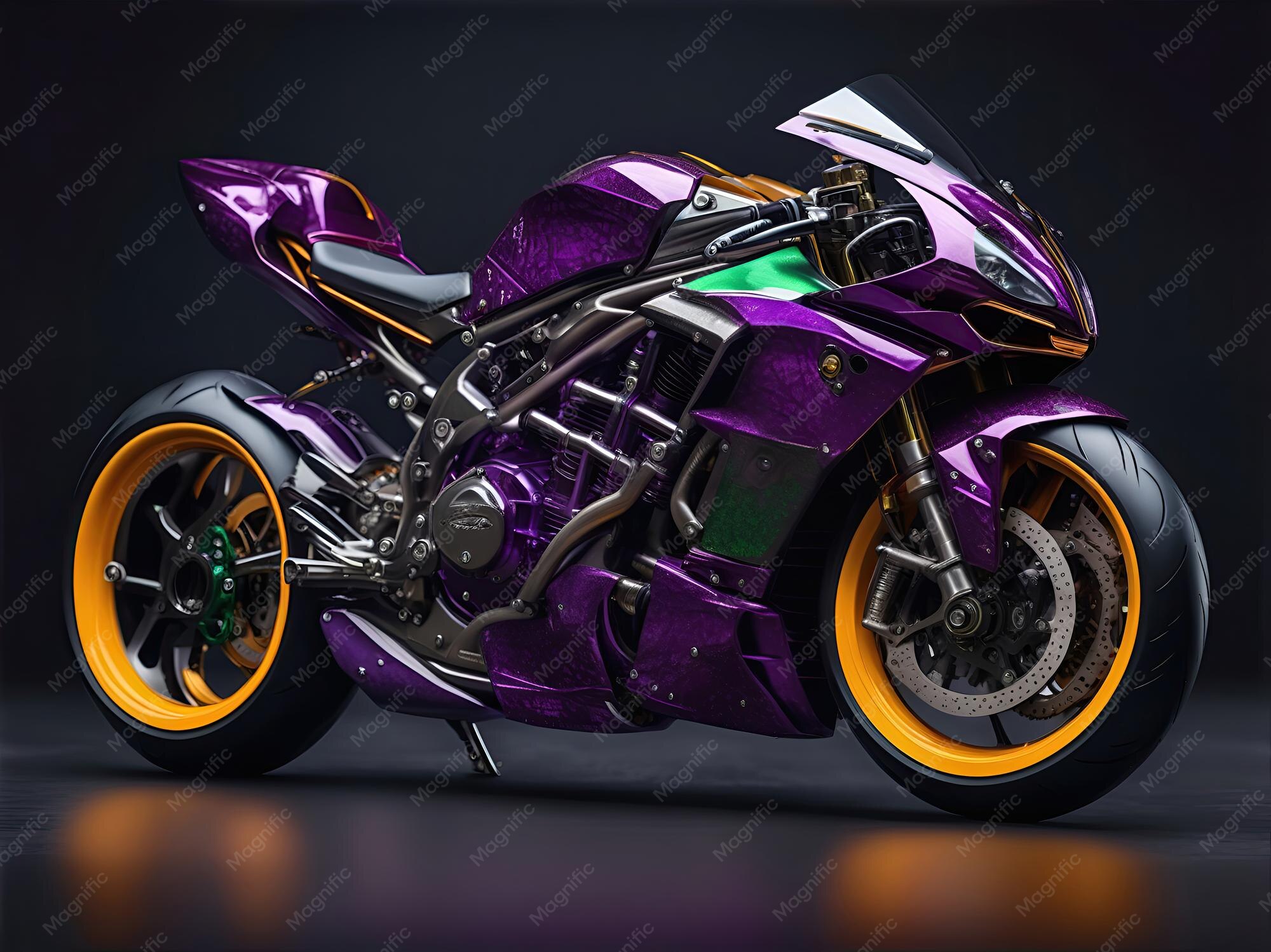
Manufacturers are leveraging AI to offer bespoke design options, allowing riders to choose everything from the color scheme to the ergonomic setup of their motorcycles. This level of customization not only enhances the riding experience but also strengthens the emotional connection between the rider and their machine.
Efficiency in Production
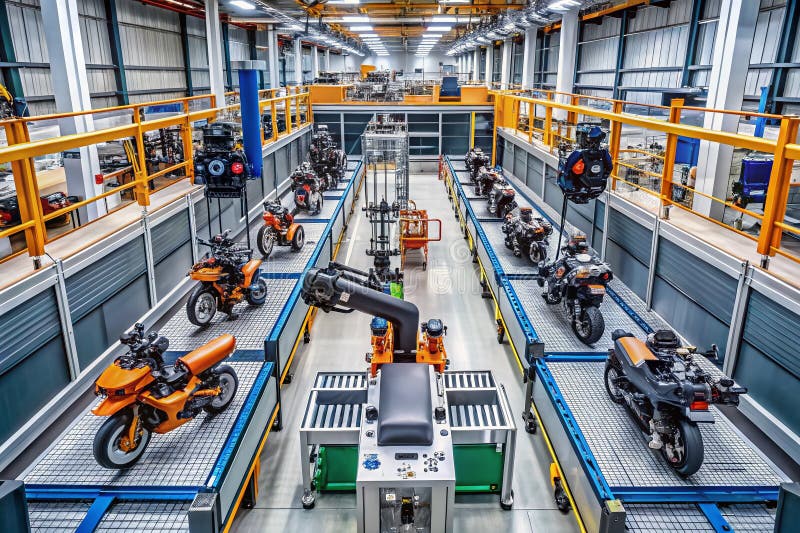
AI is streamlining manufacturing processes, making them more efficient and cost-effective. Automated systems powered by AI can perform complex tasks with high precision, reducing the need for manual intervention. This not only speeds up production but also reduces costs, allowing manufacturers to offer competitive pricing without compromising on quality.
Furthermore, AI-driven supply chain management ensures that materials are sourced and delivered just in time, minimizing delays and optimizing resource allocation. This efficiency is crucial in a competitive market where time-to-market can significantly impact a brand's success.
AI in Quality Control
Quality control is another area where AI is making significant strides. Advanced AI systems can inspect every component of a motorcycle with unparalleled accuracy, identifying defects that might be missed by human inspectors. This ensures that only the highest quality motorcycles reach the market, enhancing brand reputation and customer satisfaction.
The Future of AI in Motorcycle Manufacturing
Looking ahead, the integration of AI in motorcycle manufacturing is expected to continue evolving. Innovations such as AI-driven design simulations and virtual testing environments will further enhance the development process, allowing manufacturers to experiment with new designs and technologies without the need for costly prototypes.
As AI technology advances, we can anticipate even more sophisticated applications, such as adaptive manufacturing systems that can adjust production lines on the fly based on real-time data and market demands. This agility will be crucial in a rapidly changing industry where consumer preferences and technological advancements are constantly evolving.
In conclusion, the impact of AI on motorcycle manufacturing in 2026 is profound, driving improvements in precision, customization, efficiency, and quality control. As AI continues to advance, it promises to unlock new possibilities for both manufacturers and riders, ushering in a new era of innovation and excellence in the motorcycle industry.