Have you been considering a Zero electric motorcycle? You have a very nice sense of time! While the competition remains low, the interest in the inquiry has been on the rise, and the Zero brand is associated with electric motorcycles that range from lightweight urban commuting models to high-performance nakeds and adventure tourers. This guide provides you with the information regarding the costs, the realistic distance you can travel, the charging options, and the model that is best for you—complete with model tables and a quick buyer quiz.
Why Zero (in 30 seconds)
- Purpose-built EV brand with one of the strongest dealer networks in North America.
- Instant torque + low daily running cost (no fuel, no oil changes, minimal routine service).
- Modern electronics (ride modes, TC/ABS, app tuning) and quiet drivetrains that shine in the city.
How to pick a Zero in 3 questions
- What’s your weekly riding reality?
- Mostly city ≤ 40 miles/day → S or FXE
- Mixed commute 40–80 miles/day → S (larger pack) or SR/S
- Fast highway/canyon days, occasional track → SR/F or SR/S
- Upright, luggage, light touring/ADV → DSR/X
- Can you install Level 2 (240V) at home or charge at work?
- Yes → any model works; you’ll love waking up to a full charge.
- No → favor higher-capacity packs and plan public charging stops.
- Budget & value feel?
- Lowest entry price → S or FXE
- Balanced performance + comfort → SR/S
- Flagship performance → SR/F
- Long days, accessories, luggage → DSR/X
Model lineup at a glance
Specs vary by year/market and options. Use these as typical reference points and confirm locally before you publish exact numbers.
Street / Sport
| Model | Role | Typical Battery | Realistic Mixed Range* | Charging (AC) | Curb Weight | Seat Height |
|---|---|---|---|---|---|---|
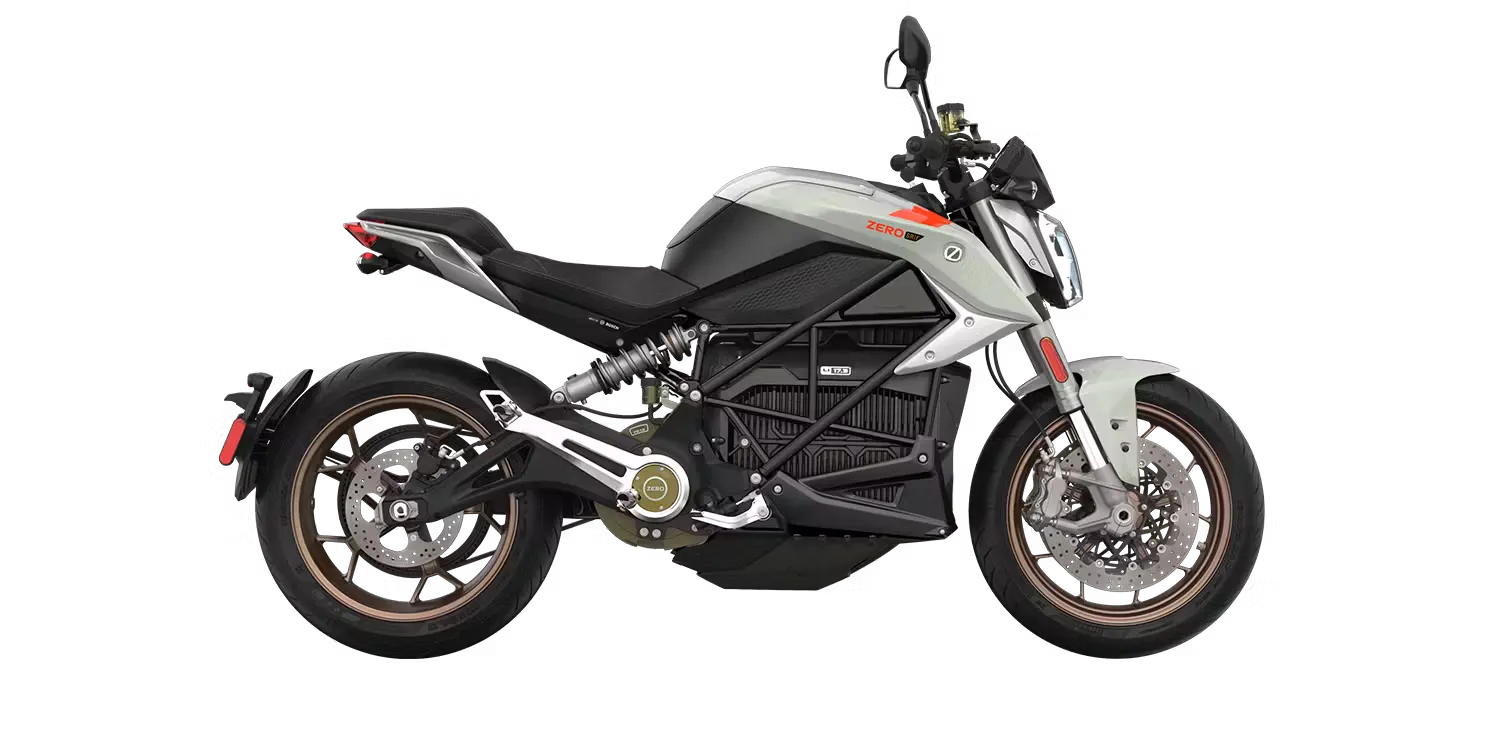
| Zero S | Lightweight street/commuter | Medium pack | ~60–90 mi | Level 1/2 AC; faster with accessories | ~300–330 lb | ~31–32 in |
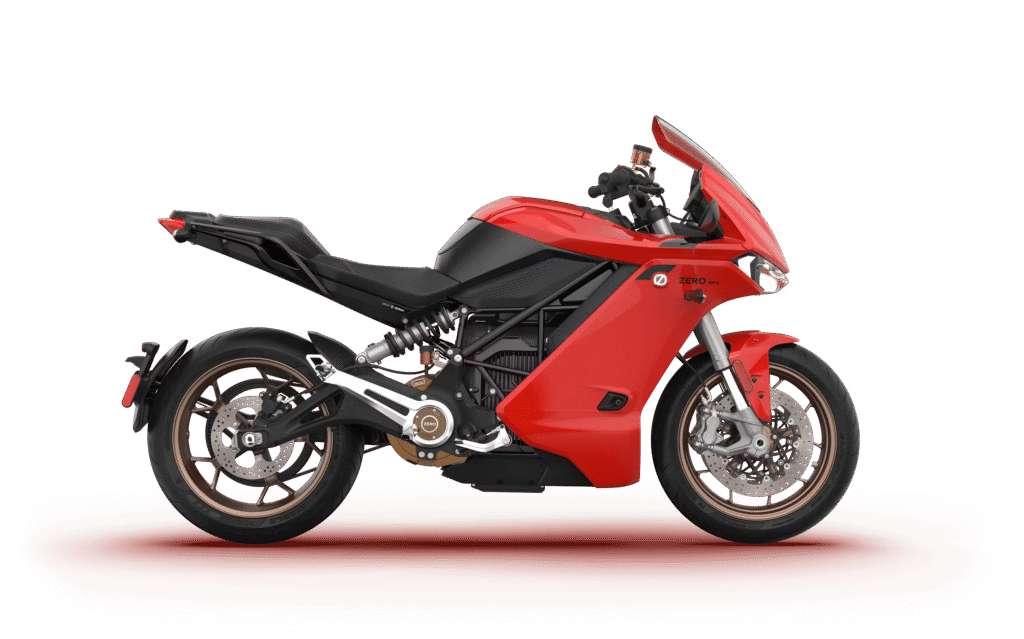
| Zero SR/F | Performance naked | Larger pack | ~80–120 mi | Level 2 AC; optional faster modules | ~485–500 lb | ~31–32 in |
| Zero SR/S | Faired sport-tour | Same platform as SR/F | ~80–130 mi (better aero) | Level 2 AC; optional faster modules | ~500 lb | ~31–32 in |
| Zero FXE | Urban lightweight | Small/medium pack | ~40–70 mi city-first | Level 1/2 AC | ~300 lb | ~32–33 in |
*Mixed = city + suburban + some highway. Sustained 70–80 mph reduces range most.
Dual-Sport / ADV
| Model | Role | Typical Battery | Realistic Mixed Range | Charging (AC) | Curb Weight | Seat Height |
|---|---|---|---|---|---|---|
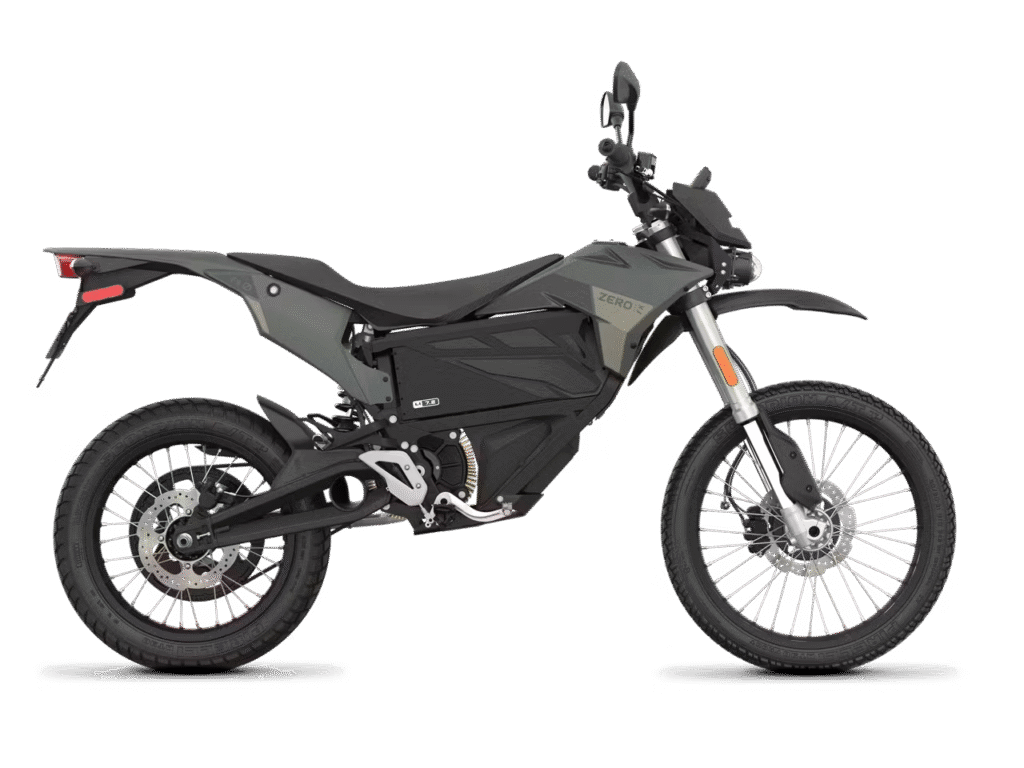
| Zero DSR/X | ADV / light touring | Large pack | ~90–140 mi | Level 2 AC; accessory modules available | ~540–560 lb | ~32–33 in |
Price overview (ballpark; confirm local OTD)
| Model | Typical MSRP Range (US) | Good add-ons |
|---|---|---|
| S | $$ (entry) | Windscreen, storage rack, commuter bags |
| FXE | $$ (entry/urban) | Hand guards, phone mount, small screen |
| SR/F | $$$$ | Faster charging module, heated grips, luggage |
| SR/S | $$$$ | Touring screen, luggage, comfort seat |
| DSR/X | ––– | Side cases/top box, crash protection, taller screen |
Out-the-door varies by destination, setup, incentives, and taxes. Check state EV rebates and utility credits.
SR/F vs SR/S vs S (your most-searched comparison)
| Feature | SR/F | SR/S | S |
|---|---|---|---|
| Positioning | Performance naked | Faired sport-tour | Lightweight street |
| Wind protection | Minimal | Strong (fairing) | Minimal |
| Comfort at 70–80 mph | Good | Best of the three | Fair (add screen) |
| Range at highway | Good | Slightly better (aero) | Lowest |
| Best for | Canyons + fast commutes | Mixed commuting + weekend trips | Budget city riders |
Takeaway: If you like the SR/F’s power but ride highways often, the SR/S’s fairing pays back daily. If your rides are shorter/urban, the S offers the simplest, most affordable gateway to Zero ownership.
Real-world range & charging (no fluff)
- City dominance: stop-and-go riding favors EVs; expect the highest ranges here.
- Highway penalty: aero drag eats watt-hours; plan around your cruising speed.
- Weather matters: cold can reduce range; hot climates may reduce charging speed temporarily.
- Home Level 2 (240V): the single biggest happiness booster—overnight fulls, minimal planning.
- Public AC: reliable fallback; verify connectors and hours.
- DC fast? Some Zeros use modular accessories—confirm your exact model/year.
What it costs to live with a Zero
- Fuel: $0 at home solar; otherwise pennies per mile vs gas.
- Service: No oil changes; brake pads/tires still wear; check coolant/drive belts.
- Tires: Same as ICE—spirited riding = frequent rears.
- Insurance: Often similar to comparable ICE class; varies by market.
- Resale: Improving as EV adoption grows; document battery warranty and charging gear.
Pros & cons (brand-level)
Pros
- Instant torque, quiet ride, low daily cost
- Mature electronics + app; simple weekly maintenance
- Strong US dealer footprint compared with many EV startups
Cons
- Up-front price vs ICE; highway range requires planning
- Public charging consistency varies by region
- Best ownership experience assumes home Level 2
Buyer’s checklist (5 minutes at the dealer)
- Range fit: Bring your commute map; compare brochure vs mixed-route reality.
- Charging path: Price a Level 2 install; ask about on-board charger capacity & accessories.
- Ergos: Sit both SR/F and SR/S (or S/FXE)—bar reach, seat/peg triangle.
- Modes & regen: Toggle ride/regen maps at low speed; you should feel clear differences.
- Accessories: Windscreen/luggage change the experience—budget for them up front.
Which Zero should I buy? (2-minute quiz)
A. Daily miles (round trip):
- A1: ≤ 40 → 2 pts S/FXE
- A2: 41–80 → 2 pts S (larger pack)/SR/S
- A3: 81–120 → 2 pts SR/S or SR/F
- A4: 120+ (or frequent highway) → 2 pts SR/S or DSR/X
B. Highway % (sustained 65–80 mph):
- B1: ≤ 20% → +1 S/FXE
- B2: 20–60% → +1 SR/S
- B3: 60%+ → +2 SR/S or DSR/X
C. Riding style:
- C1: Urban agility → +1 S/FXE
- C2: Sporty canyons → +1 SR/F
- C3: Weekend touring/ADV → +1 DSR/X
D. Home Level 2 available?
- D1: Yes → no change
- D2: Not now → favor larger battery models
Most points in S/FXE → choose S (larger pack if possible) or FXE.
Most in SR/F → pick SR/F; add faster charging if you’ll roam.
Most in SR/S → pick SR/S for comfort and aero efficiency.
Most in DSR/X → pick DSR/X with luggage & protection kit.