Aprilia's Bold Aerodynamic Leap: A Patent That Could Change Everything
In the world of high-performance motorcycles, aerodynamics has long been a fixed science — carefully sculpted fairings and winglets designed around wind tunnel data, shaped once and bolted on forever. That paradigm may be about to change in a dramatic way. Aprilia, the Italian marque known for pushing technological boundaries, has reportedly filed a patent for an electronically controlled active aerodynamics system — a move that signals the brand's ambitious vision for its upcoming generation of performance bikes, potentially arriving as early as 2028.
While patent filings don't always translate directly into production hardware, Aprilia's track record of actually delivering on its engineering ambitions makes this one worth paying very close attention to. From the introduction of cornering ABS to multi-axis IMU integration and their sophisticated APRC (Aprilia Performance Ride Control) electronics suite, the Noale-based manufacturer has consistently turned laboratory ideas into real-world riding technology faster than almost anyone else in the segment.
What the Patent Describes
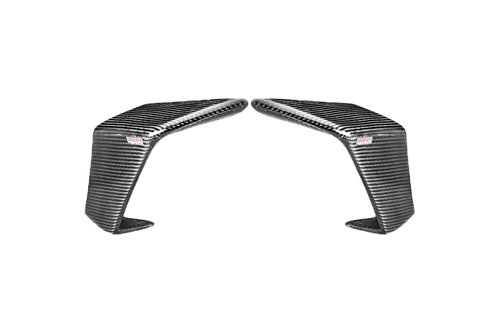
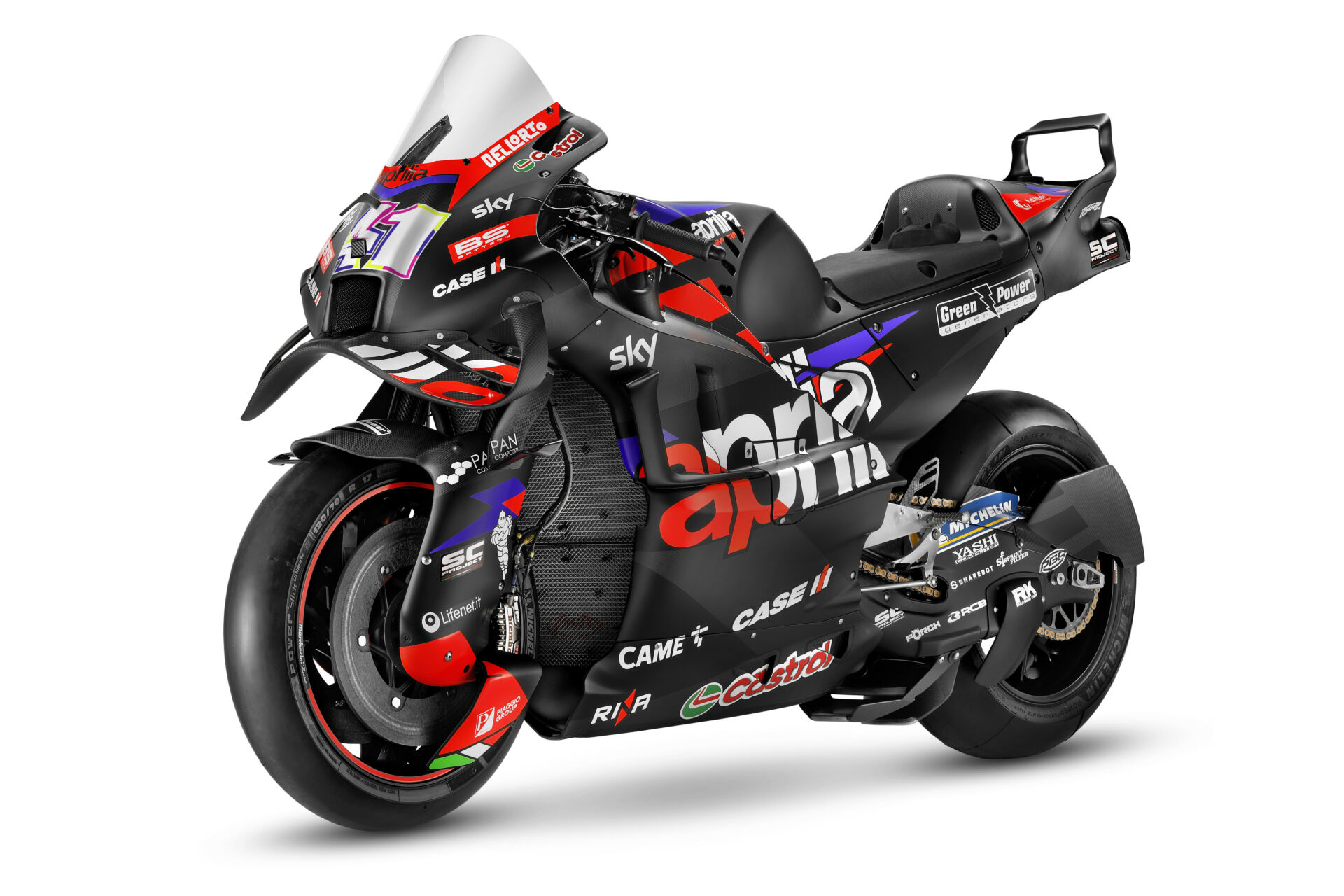
Based on available patent documentation, Aprilia's system centers on aerodynamic surfaces — likely winglets and/or fairing elements — that are physically actuated by an electronic control unit rather than remaining static. The key distinction from existing passive aerodynamic solutions is that these surfaces would move and adjust their angle of attack in real time, responding to a continuous stream of data from the motorcycle's onboard sensors.
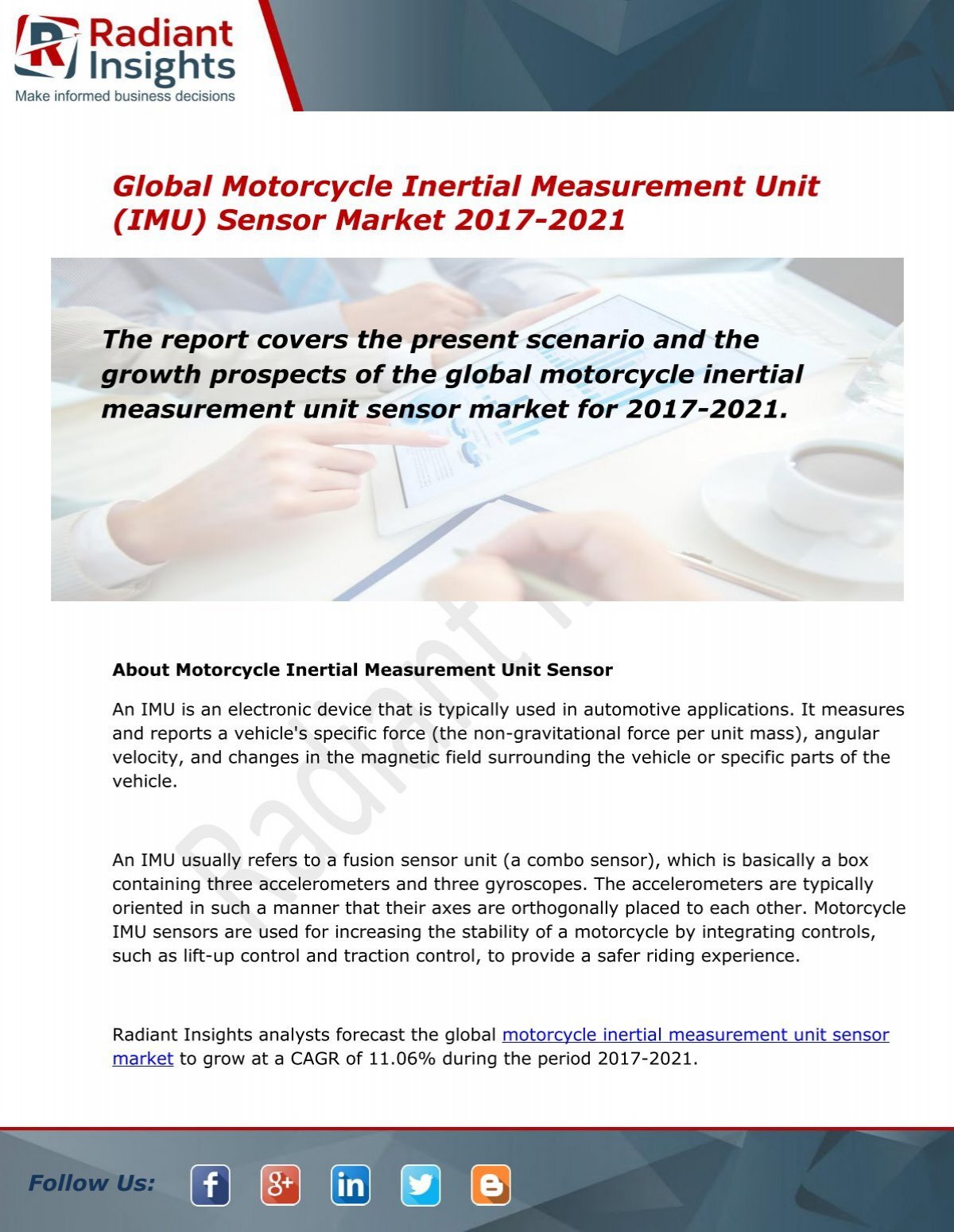
The system appears to integrate with the motorcycle's existing IMU (Inertial Measurement Unit), which already monitors lean angle, pitch, roll, and yaw rates on current models. By feeding this data into the active aero control unit alongside vehicle speed, throttle position, and braking inputs, the system could theoretically optimize downforce and drag at any given moment during a ride.
Key Functionalities Suggested by the Patent
- Variable Downforce Generation: At high speeds, aerodynamic surfaces would deploy to increase front-end downforce, improving stability under hard acceleration and reducing the risk of front wheel lift.
- Reduced Drag in Corners: When the bike is leaned into a corner, the system could retract or reposition surfaces to minimize aerodynamic interference with the bike's intended cornering arc.
- Braking Stability: Under hard braking, the system could deploy surfaces to help stabilize the chassis, complementing existing anti-dive and brake-based electronics.
- Rider Mode Integration: Much like current traction control and engine mapping modes, the active aero system would likely feature selectable profiles — Track, Sport, Road, and Rain — each with different aerodynamic behavior priorities.
- Top Speed Optimization: On a straight, where maximum velocity is the goal, the system could flatten surfaces to the most streamlined position, reducing parasitic drag.
Why This Matters for the Industry
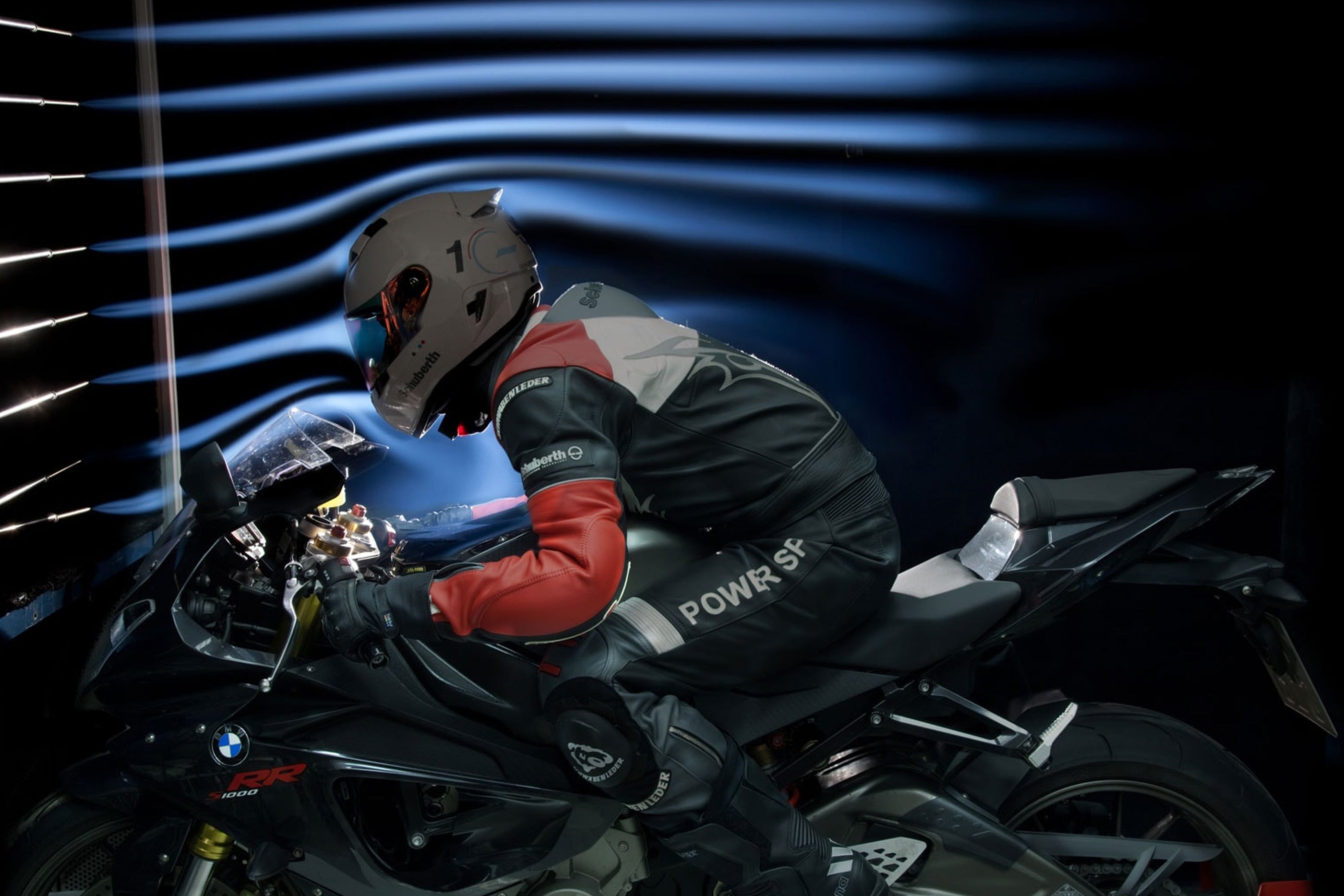
Active aerodynamics is not an entirely new concept in motorsport. Formula 1 cars have utilized Drag Reduction Systems (DRS) for over a decade, and MotoGP prototypes have been running increasingly sophisticated aerodynamic packages with ride-height devices and holeshot systems in recent years. However, bringing this technology to a street-legal production motorcycle presents a vastly different set of engineering and regulatory challenges.
The complexity lies not just in the mechanical actuation — keeping moving parts reliable, weather-sealed, and lightweight enough to justify their addition — but also in the software architecture required to make split-second decisions across an enormous range of real-world riding scenarios. A system that works flawlessly on a closed circuit needs to be equally effective when a commuter hits an unexpected crosswind on a highway bridge.
Aprilia's approach, rooted in their deep MotoGP involvement with the RS-GP factory race program, gives them a uniquely credible foundation to solve these problems. The knowledge transfer between their race department and production engineering teams has been a defining feature of Aprilia's modern era, and active aerodynamics would be the most dramatic example of that pipeline yet.
Which Models Could Benefit?
The most obvious candidates for this technology are Aprilia's flagship performance machines. The Aprilia RSV4, widely regarded as one of the finest superbikes ever produced, would be the natural home for a system this sophisticated. A next-generation RSV4 arriving around 2027 or 2028 with active aero would immediately establish it as the most technologically advanced production superbike on the market.
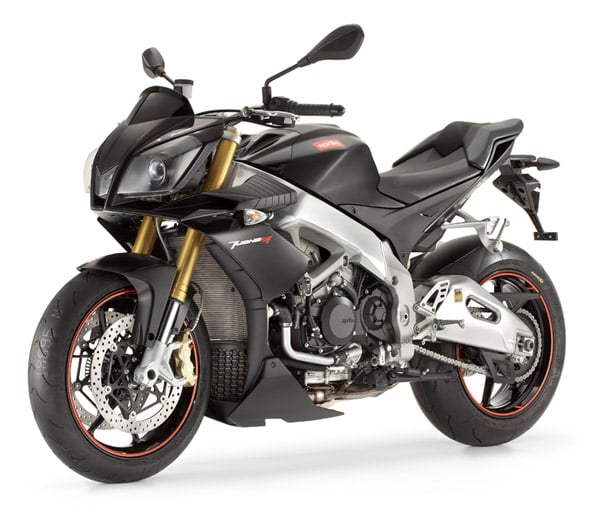
The Aprilia Tuono V4, the naked streetfighter sibling to the RSV4, could also benefit enormously. Naked bikes are inherently more vulnerable to aerodynamic instability at high speeds, and a controlled active system could make the Tuono platform feel significantly more planted and confidence-inspiring at triple-digit velocities without sacrificing its accessible, visceral character.
There's also an intriguing possibility that Aprilia could apply a version of this technology to their RS 660 platform, targeting the growing middleweight sportbike segment with a feature set previously exclusive to open-class machines.
Challenges and Considerations
No technology discussion would be complete without acknowledging the hurdles. Active aerodynamic systems add mechanical complexity, potential failure points, and weight — all enemies of the performance motorcycle engineer. Regulatory homologation for road use across global markets would require extensive validation, and the cost implications for consumers could be significant.
There's also the question of rider acceptance. Some enthusiasts are already skeptical of the ever-increasing layer of electronic intervention in modern motorcycles, and physically moving bodywork might feel like a step too far for purists. Aprilia will need to demonstrate clearly and convincingly that the system enhances rather than dilutes the riding experience.
The Timeline: Is 2028 Realistic?
Patent filings typically precede production by several years, and a 2028 target — roughly four to five years from likely early development stages — seems plausible if Aprilia is committed to a flagship launch window. It would align with a generational refresh cycle for the RSV4 platform and potentially coincide with new Euro 6 or subsequent emissions regulations that might prompt a comprehensive powertrain and chassis update anyway.
The Bottom Line
Aprilia's patent for an electronically controlled active aerodynamics system is far more than a speculative engineering exercise — it's a declaration of intent from a manufacturer that has consistently backed its boldest ideas with production hardware. If the system reaches showroom floors by 2028, it won't just be a feature on a motorcycle; it will represent a fundamental shift in what a street-legal sportbike can do. For riders who demand the absolute cutting edge, the next chapter of Aprilia's story looks extraordinarily compelling.