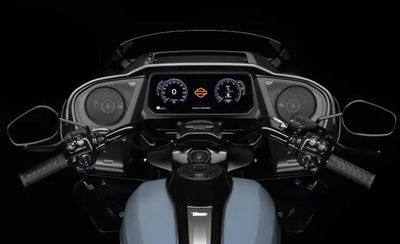
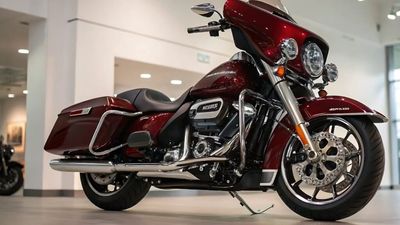
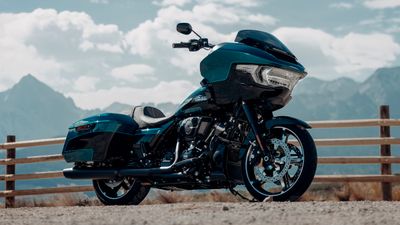
Harley-Davidson has never been shy about blending its century-old identity with modern engineering, and a newly filed patent is proof that the Milwaukee-based manufacturer is doubling down on safety technology for its premium lineup. The company has officially filed documentation for an advanced adaptive traction control system intended to span both its iconic Touring and flagship CVO platforms — a development that could fundamentally change how riders experience the road aboard some of America's most beloved motorcycles.
What the Patent Actually Describes
According to the patent filing, the new system goes well beyond the conventional traction control found on today's Harley-Davidson models. Rather than relying purely on wheel speed sensors to detect slip and cut power reactively, the adaptive system is described as incorporating a multi-sensor fusion approach. This means data from wheel speed sensors, lean angle sensors, throttle position, and potentially road surface feedback are processed simultaneously by a central control unit that can anticipate and respond to traction loss in real time.
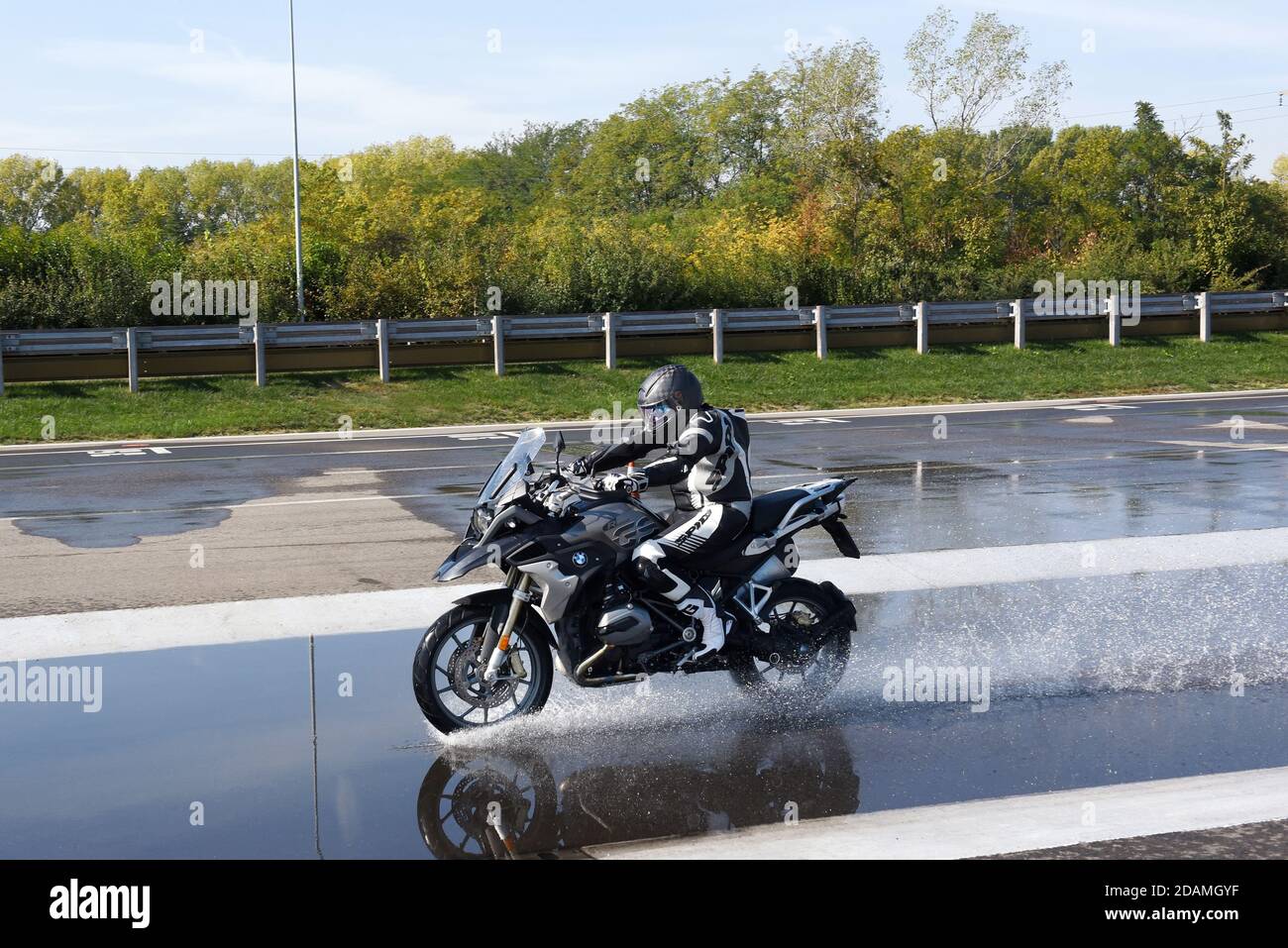
The key word in the filing is adaptive. Unlike static traction control that applies the same intervention thresholds regardless of conditions, the proposed system can dynamically adjust its sensitivity profile based on inputs it continuously gathers while the bike is in motion. Rain, gravel, painted road markings, and varying asphalt temperatures could all trigger subtle recalibrations — without requiring the rider to manually switch modes.
Why Touring and CVO Platforms?
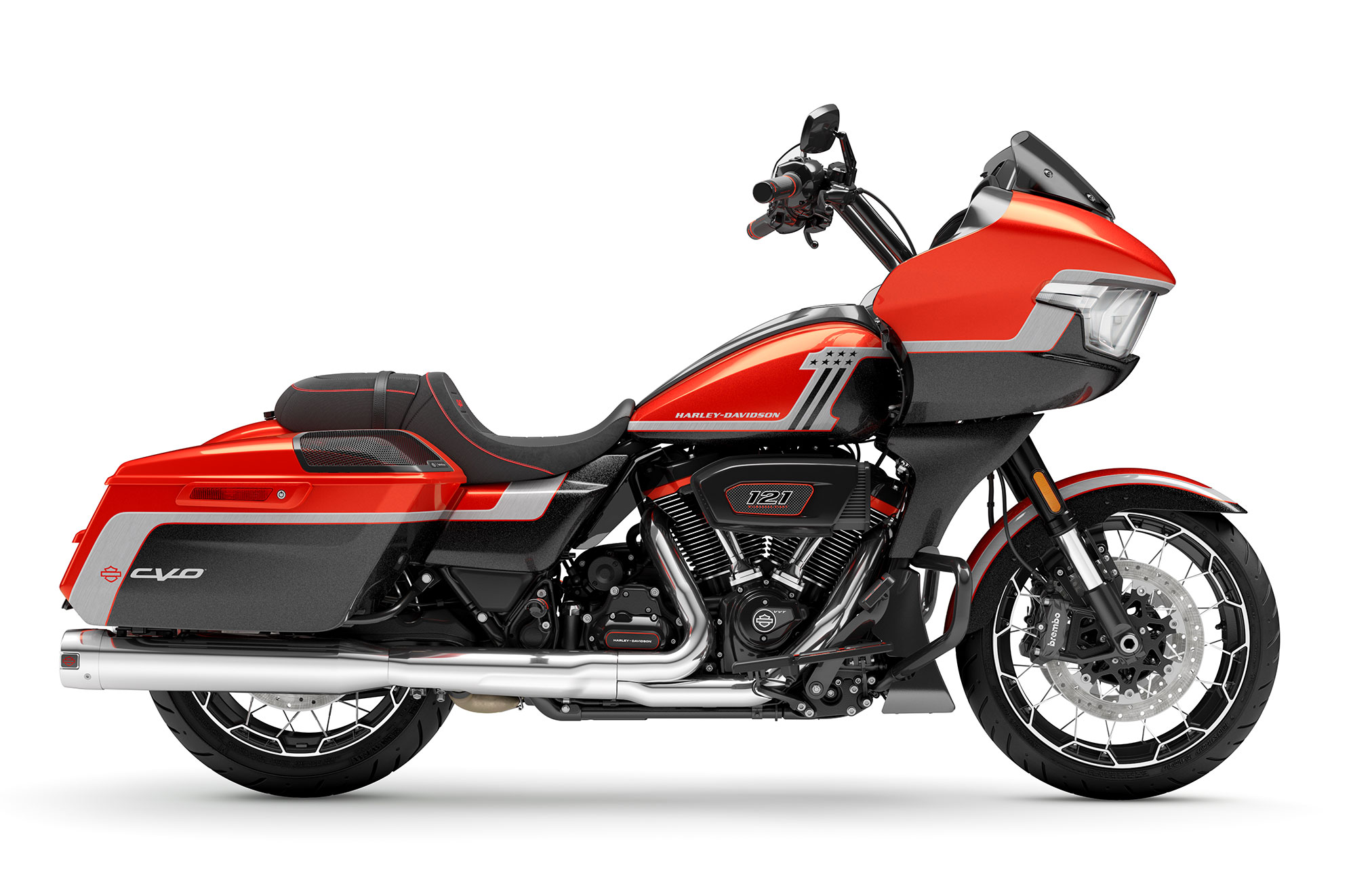
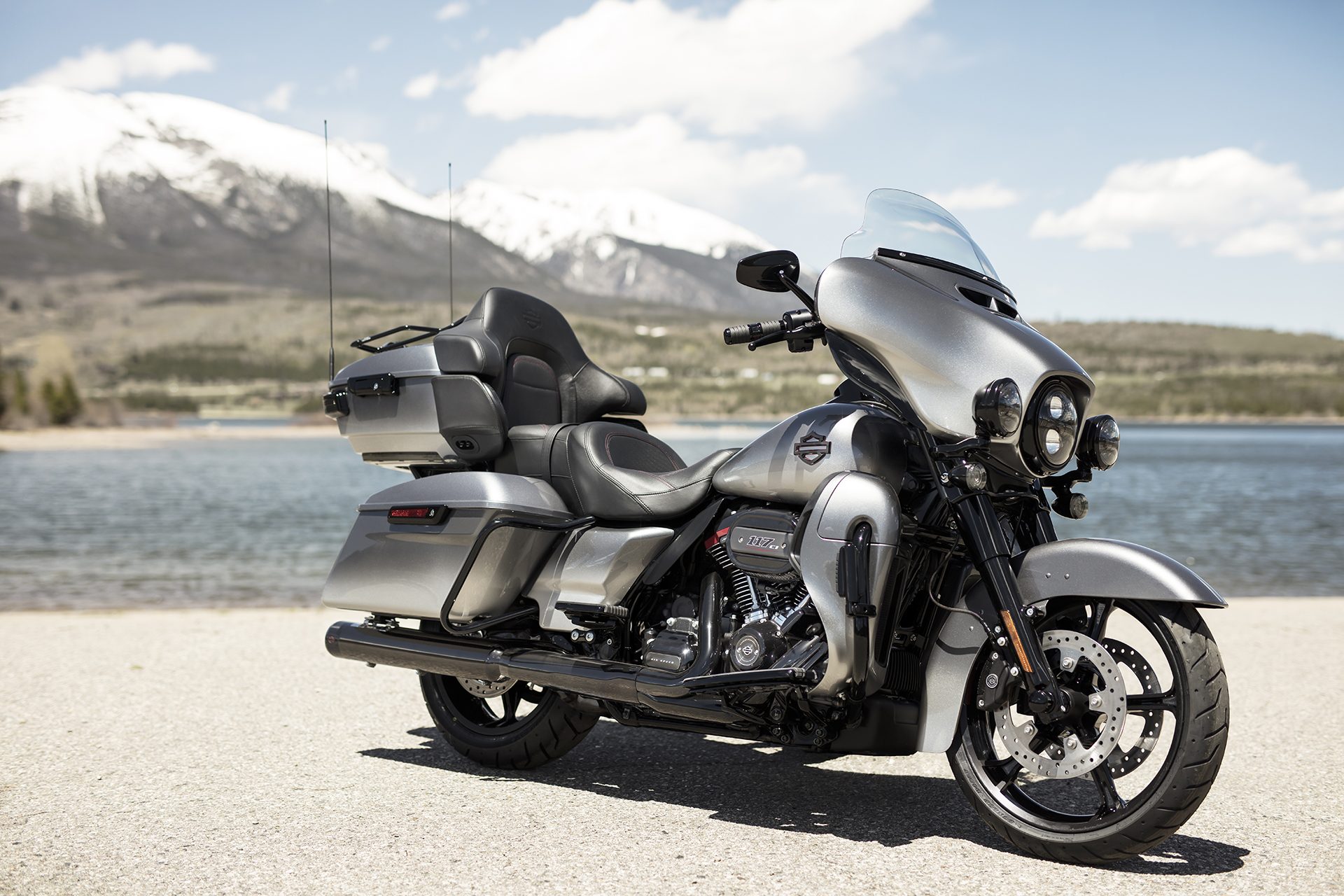
The decision to launch this technology across the Touring and CVO families makes strategic sense for several reasons. These are Harley-Davidson's heaviest and most powerful platforms, where the consequences of traction loss are most significant. Models like the Harley-Davidson Road Glide Ultra, Street Glide ST, Road King Special, CVO Road Glide, and CVO Limited carry substantial weight — often exceeding 900 pounds fully loaded with a rider and luggage — and are frequently ridden on long-distance tours where road surfaces can change dramatically over hundreds of miles.
The CVO lineup in particular positions Harley-Davidson at the premium end of the market, where buyers expect and often demand best-in-class technology. Introducing the adaptive system here first would allow the company to validate the technology in real-world touring conditions while also justifying the CVO's elevated price point. From there, a trickle-down to standard Touring models — and potentially the Softail family — seems like the natural product roadmap.
How the System May Work in Practice
While patent language is intentionally broad, the filing offers enough detail to sketch out a picture of the rider experience. Here's what Harley-Davidson's documentation suggests riders might expect:
- Real-Time Surface Classification: The system appears to use sensor data to categorize road surface conditions on the fly, adjusting intervention aggressiveness accordingly. Wet pavement would trigger more conservative thresholds; dry, clean asphalt might allow more permissive power delivery.
- Predictive Power Modulation: Rather than waiting for a wheel to spin and then cutting power — a jarring experience familiar to anyone who has engaged legacy traction control on a heavy bike — the adaptive system aims to reduce torque preemptively when conditions suggest slip is imminent.
- Lean Angle Integration: The system appears designed to account for cornering lean, which is critical on a bike as wide as a bagged touring Harley. Traction control that doesn't understand lean angle can intervene at the worst possible moment mid-corner.
- Rider Mode Compatibility: The patent suggests the adaptive system will integrate with existing rider mode frameworks, meaning it could behave differently in Rain, Road, Sport, or custom modes already present on current RDRS-equipped models.
- Seamless OTA Update Architecture: There are indications in the filing that the system is designed to receive calibration updates over-the-air, allowing Harley to refine intervention algorithms post-purchase — a major advantage for long-term performance.
Where This Fits in the Competitive Landscape
It's worth noting that European manufacturers like BMW Motorrad and Ducati have offered sophisticated cornering traction control for years, and even some Japanese brands have closed the gap significantly. The BMW R 1250 RT and K 1600 GT — direct competitors in the premium touring segment — already feature dynamic traction control systems that adapt to lean angle and road conditions. Harley-Davidson's patent signals that the company recognizes this gap and intends to close it convincingly.
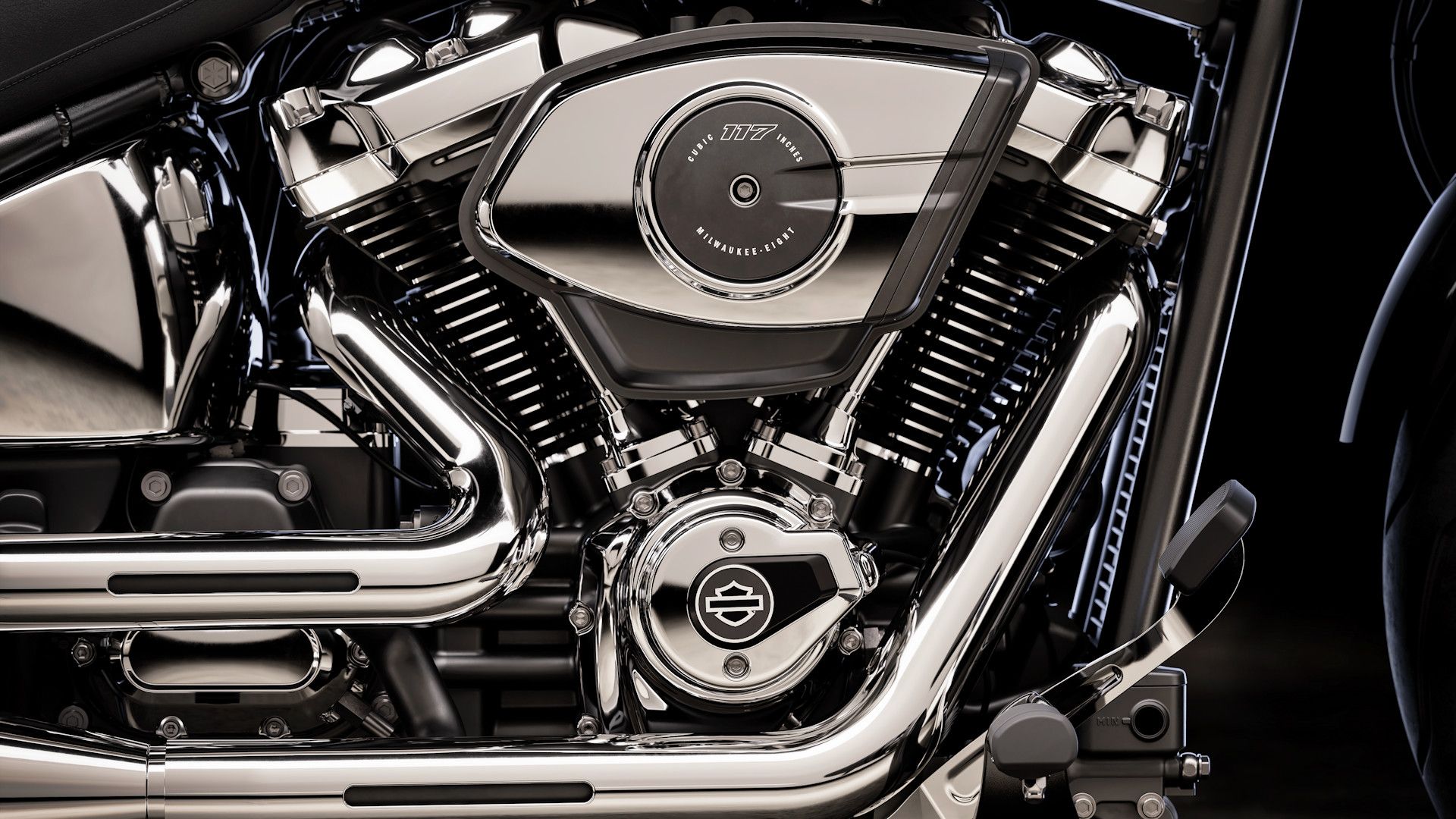
What differentiates Harley's approach, at least on paper, is the emphasis on platform-wide integration and the specific tuning for the unique weight distribution, torque characteristics, and riding style associated with American touring motorcycles. A system fine-tuned for the low-RPM, high-torque delivery of a Milwaukee-Eight engine will likely behave quite differently than one calibrated for a European sport-tourer, and that specialization could prove to be a meaningful advantage for loyal Harley riders.
The 2029 Timeline: Realistic or Ambitious?
Patent filings don't always translate directly to production hardware, and the motorcycle industry is full of examples of patented technology that never made it to showroom floors. That said, 2029 represents roughly a five-year development runway from the time of this filing — a realistic timeline for a feature of this complexity, particularly when you factor in regulatory certification, real-world testing across diverse climates, and the software validation required for a safety-critical electronic system.
Harley-Davidson has also been investing heavily in its electrical and software engineering talent over the past several years, partially driven by its LiveWire EV spinoff. The expertise developed for battery management systems and electric motor control shares significant overlap with the sensor fusion and real-time processing required for an adaptive traction control system. This internal capability could accelerate development timelines.
What Riders Should Watch For
For current and prospective Harley-Davidson Touring and CVO owners, the immediate takeaway is that the company is investing seriously in the safety and ride quality of its most premium machines. While 2029 may feel distant, technology often appears in concept or limited production form well ahead of full rollout. Watch for:
- Prototype sightings of test mules at proving grounds or on public roads near Harley's Wisconsin facilities
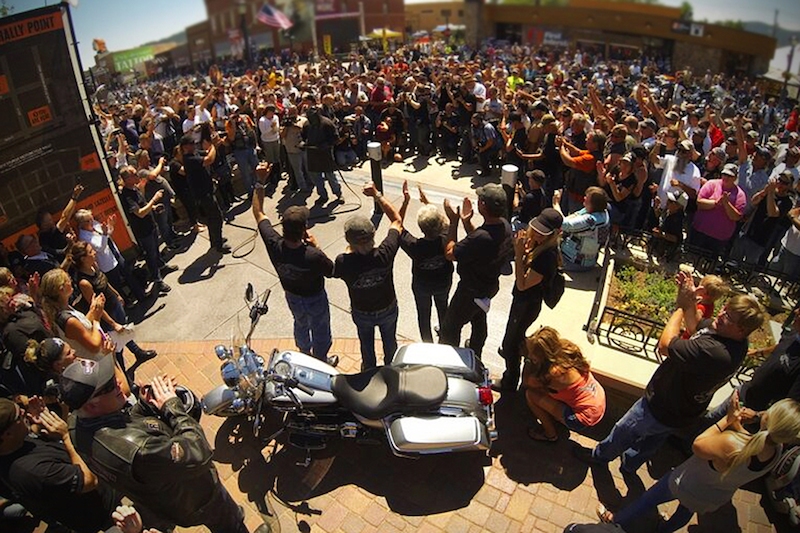
- Announcements at events like Sturgis or Harley's annual dealer summits, where the company often previews upcoming technology
- Incremental updates to the current RDRS (Reflex Defensive Rider Systems) suite on 2026 and 2027 model year bikes that may hint at the broader architecture being developed
- Additional patent filings that expand on the core technology, particularly around sensor hardware and software architecture
The Bottom Line
Harley-Davidson's adaptive traction control patent is more than a legal filing — it's a statement of intent. The company is signaling to both its existing customer base and the broader motorcycle market that the Touring and CVO families are evolving into technologically sophisticated machines without abandoning the soul that makes them distinctly American. If the 2029 target holds and the system performs as described in the patent, riders aboard the Road Glide, Street Glide, and CVO lineup could soon enjoy a level of electronic safety assistance that rivals anything available from Munich or Bologna. That's a compelling proposition, and one worth watching closely as development unfolds.