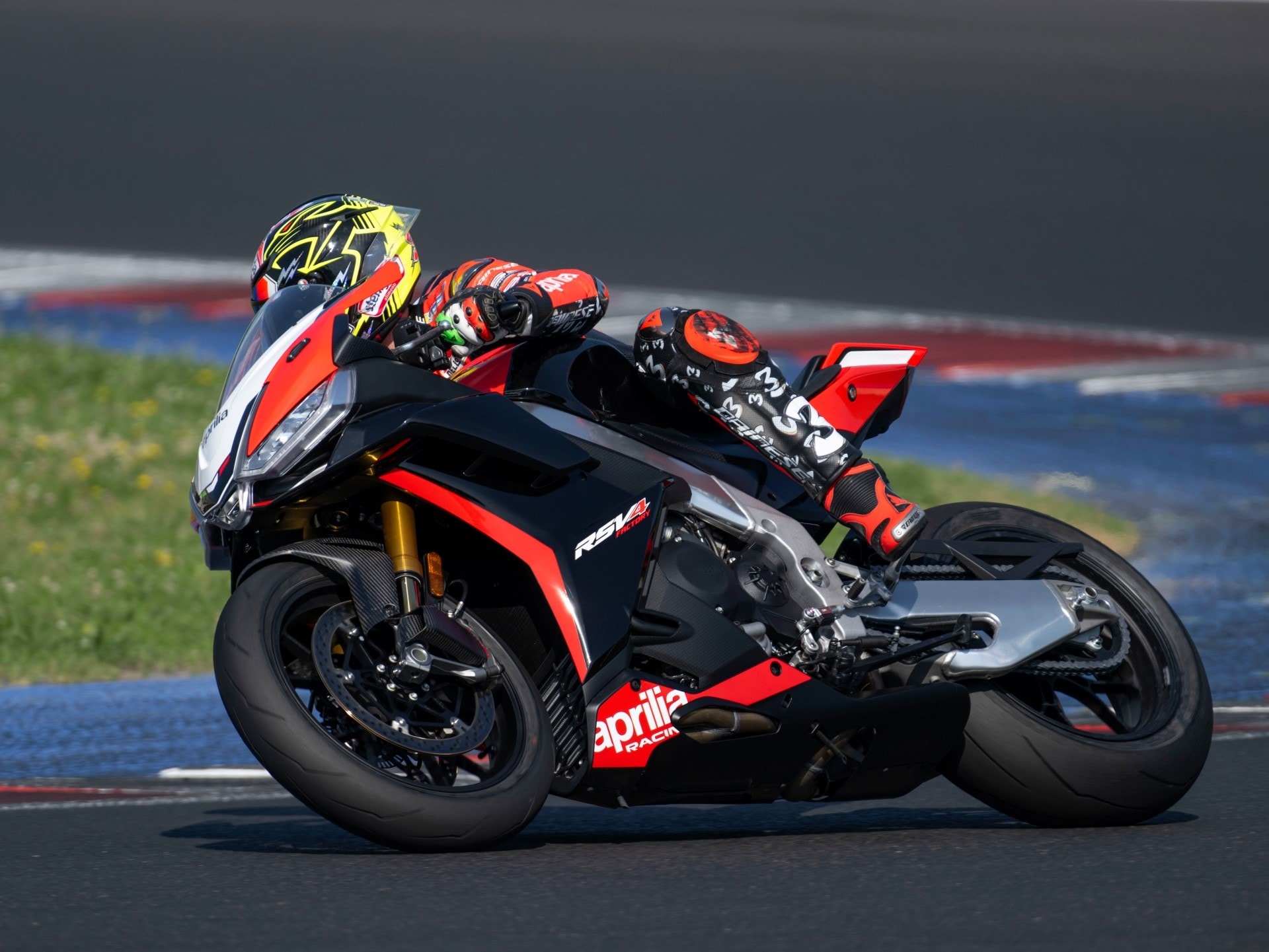
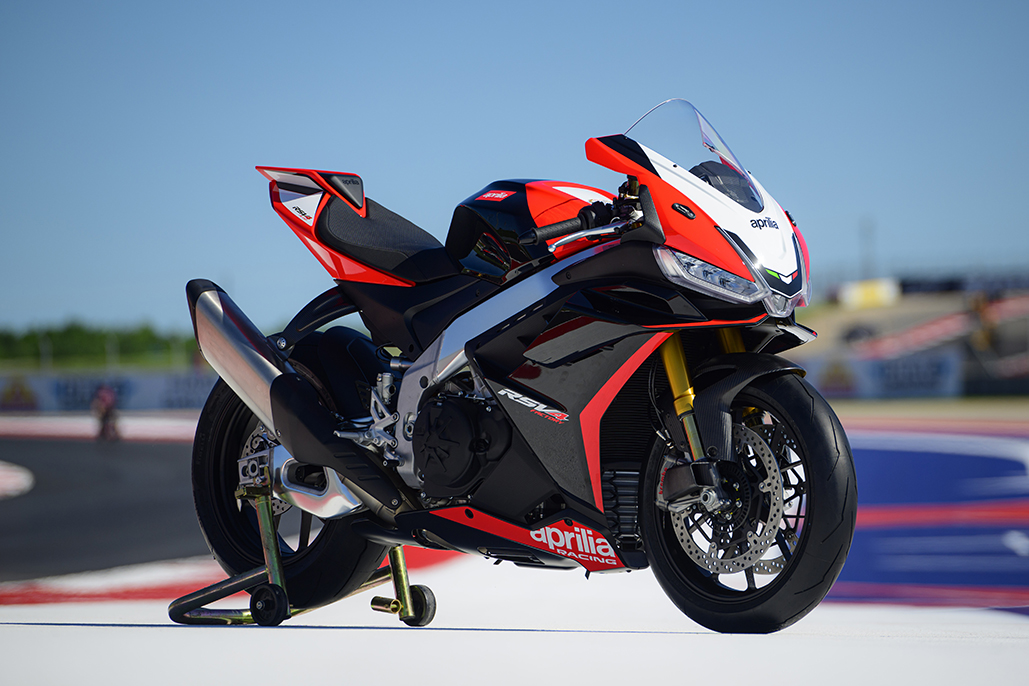
Aprilia has never been shy about pushing the boundaries of what a motorcycle can be. From the groundbreaking RSV4's introduction of a 65-degree V4 engine to the Tuono's evolution into one of the world's most celebrated naked bikes, the Noale-based manufacturer has consistently refused to play it safe. Now, with the official filing of a patent for a new V4 hybrid powertrain designed to serve both the RSV4 and Tuono platforms, Aprilia appears ready to write its most ambitious chapter yet.
What the Patent Actually Reveals
Patent filings are often dense and deliberately technical, but the core architecture Aprilia has outlined is genuinely compelling. The system describes a parallel hybrid configuration where an electric motor is integrated directly into the drivetrain, working in concert with the existing V4 combustion engine rather than replacing it. Unlike a series hybrid, where electric power alone can drive the wheel, a parallel system allows both the combustion engine and the electric motor to contribute simultaneously — or independently, depending on mode and demand.
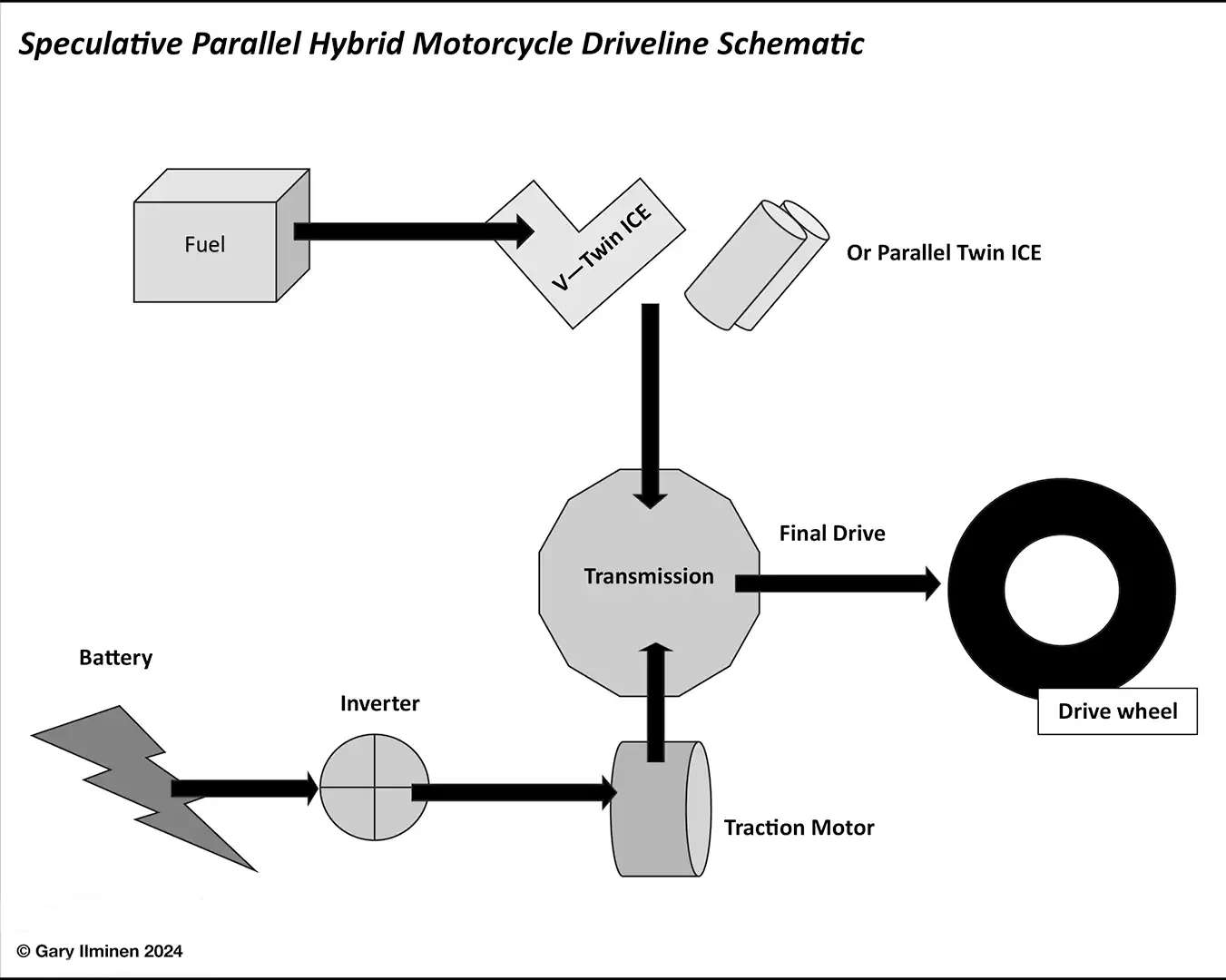
Crucially, the patent appears to place the electric motor in a position that minimizes added weight and bulk, addressing one of the primary criticisms historically leveled at hybrid motorcycle concepts. Aprilia's engineers seem acutely aware that adding 30 or 40 kilograms to a track-focused superbike defeats the purpose. The battery pack described in the filing is compact, and the overall system architecture suggests a performance-first philosophy rather than an efficiency-first one.
Why the RSV4 and Tuono Share the Same Platform
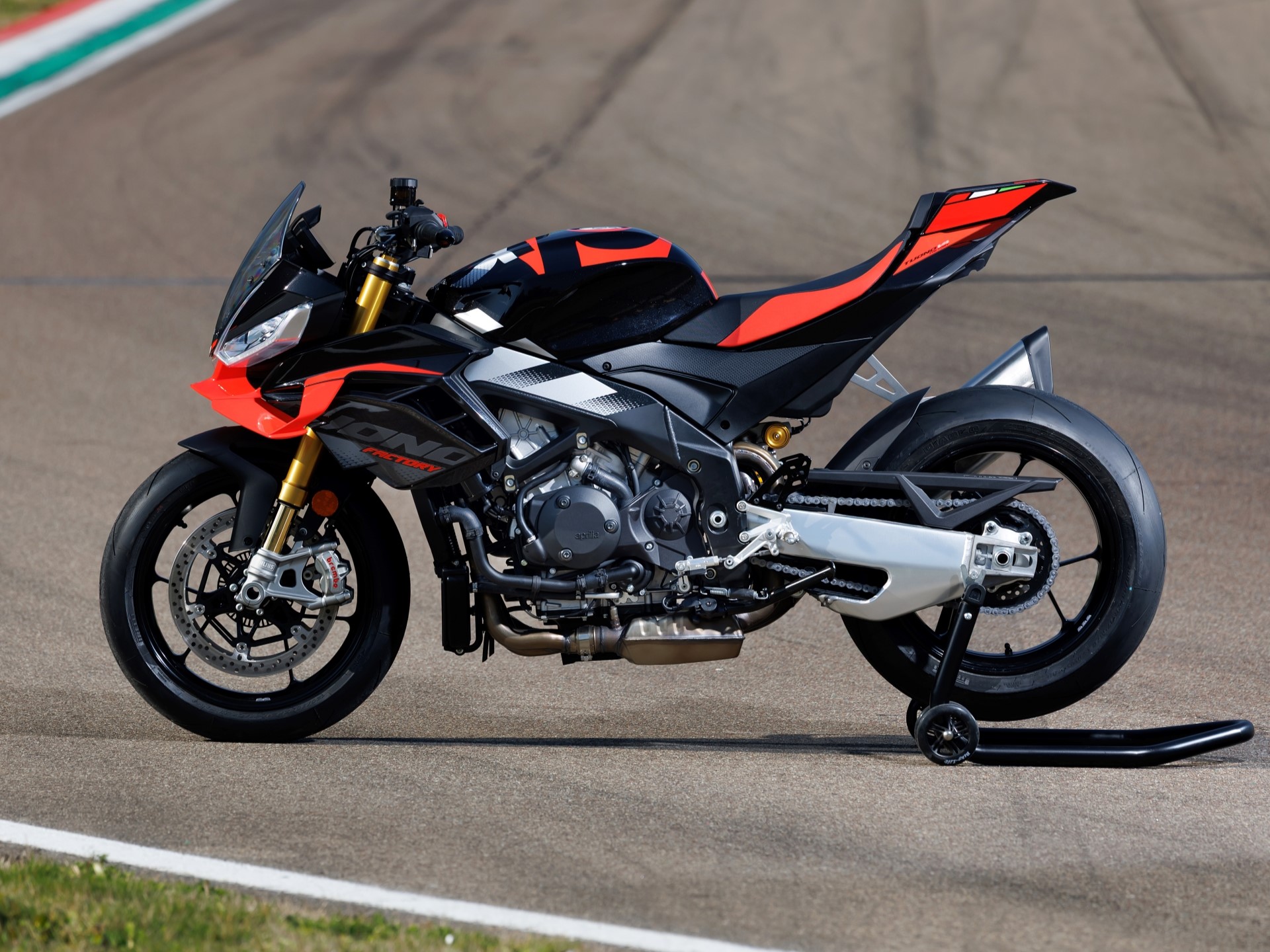
At first glance, developing a single hybrid system for both a full-fairing superbike and an aggressive naked streetfighter might seem like an engineering compromise. In reality, it's a smart business and engineering decision. The RSV4 and Tuono have shared their fundamental V4 engine architecture for years, with the Tuono essentially built around a detuned and recharacterized version of the RSV4's powerplant. Extending that shared DNA into a hybrid era makes perfect sense.

For Aprilia, developing one core hybrid system reduces R&D costs, simplifies homologation across different regulatory markets, and allows the company to scale production more efficiently. Riders benefit because the refinement cycles are compressed — lessons learned on the RSV4 track variant can be rapidly applied to the Tuono street application, and vice versa. It's the same logic that has always made the Aprilia twin-platform strategy so effective.
Performance Expectations: More Than Just Fuel Economy
If you're imagining a future RSV4 that quietly trundles around in eco mode, recalibrate your expectations immediately. Everything Aprilia has historically communicated about electrification points toward using hybrid technology as a performance multiplier, not a softener. The electric motor in the described system could realistically provide immediate torque fill at low and mid RPM ranges — the one area where even the best combustion V4 engines can feel slightly hesitant compared to pure electric power delivery.
Consider what this means in practice:
- Instantaneous torque response at corner exits, where combustion engines are still building revs
- Reduced turbo or throttle lag sensations, making the power delivery even more linear and predictable
- Potential for regenerative braking assistance, which could complement existing cornering ABS and stability control systems
- Boosted peak output figures, with combined system power potentially pushing well beyond the current RSV4's 217 horsepower rating
- Reduced fuel consumption during urban and low-demand riding scenarios on the Tuono
The racing application is equally intriguing. MotoGP is already exploring hybrid regulations for the coming years, and Aprilia's factory team would benefit enormously from a road-going hybrid platform that informs and accelerates its racing development program.
The Regulatory Landscape Driving This Decision
It would be naive to view this patent purely through the lens of performance desire. Europe's increasingly stringent Euro 7 emissions regulations — which are expected to be phased in for motorcycles during the latter half of this decade — are creating real pressure for manufacturers. Electrification, whether full or hybrid, is one of the clearest pathways to compliance without completely abandoning combustion engines, which remain deeply important to the riding experience and to a large portion of Aprilia's customer base.
By 2029, the regulatory environment in key markets including the EU, UK, and parts of Asia will demand significantly cleaner powertrains. Aprilia's hybrid approach allows the brand to meet those requirements while preserving the V4 character that defines its identity. It's a pragmatic and elegant solution to a genuinely difficult problem.
What 2029 Could Look Like for Buyers
Patent filings don't always translate directly to production motorcycles, and the gap between a patent and a showroom model can be wide. However, the specificity and apparent engineering maturity of Aprilia's filing suggests this is more than a speculative exercise. A 2029 production timeline would allow approximately four years of refinement, homologation testing, and supplier relationship development — a reasonable window for a system of this complexity.
Buyers looking at a next-generation RSV4 Hybrid or Tuono Hybrid in 2029 might realistically expect:
- Multiple riding modes that vary the electric motor's contribution and character
- A new generation of Aprilia's APRC (Aprilia Performance Ride Control) suite, fully integrated with hybrid management
- Smartphone connectivity and over-the-air update capability for powertrain mapping
- A modest weight penalty absorbed through other weight-saving measures elsewhere in the chassis
- A price premium over current models, though likely competitive with comparable European performance machines
Aprilia's Hybrid Ambition in Context
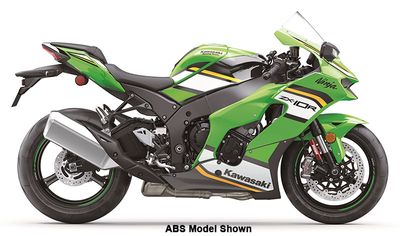
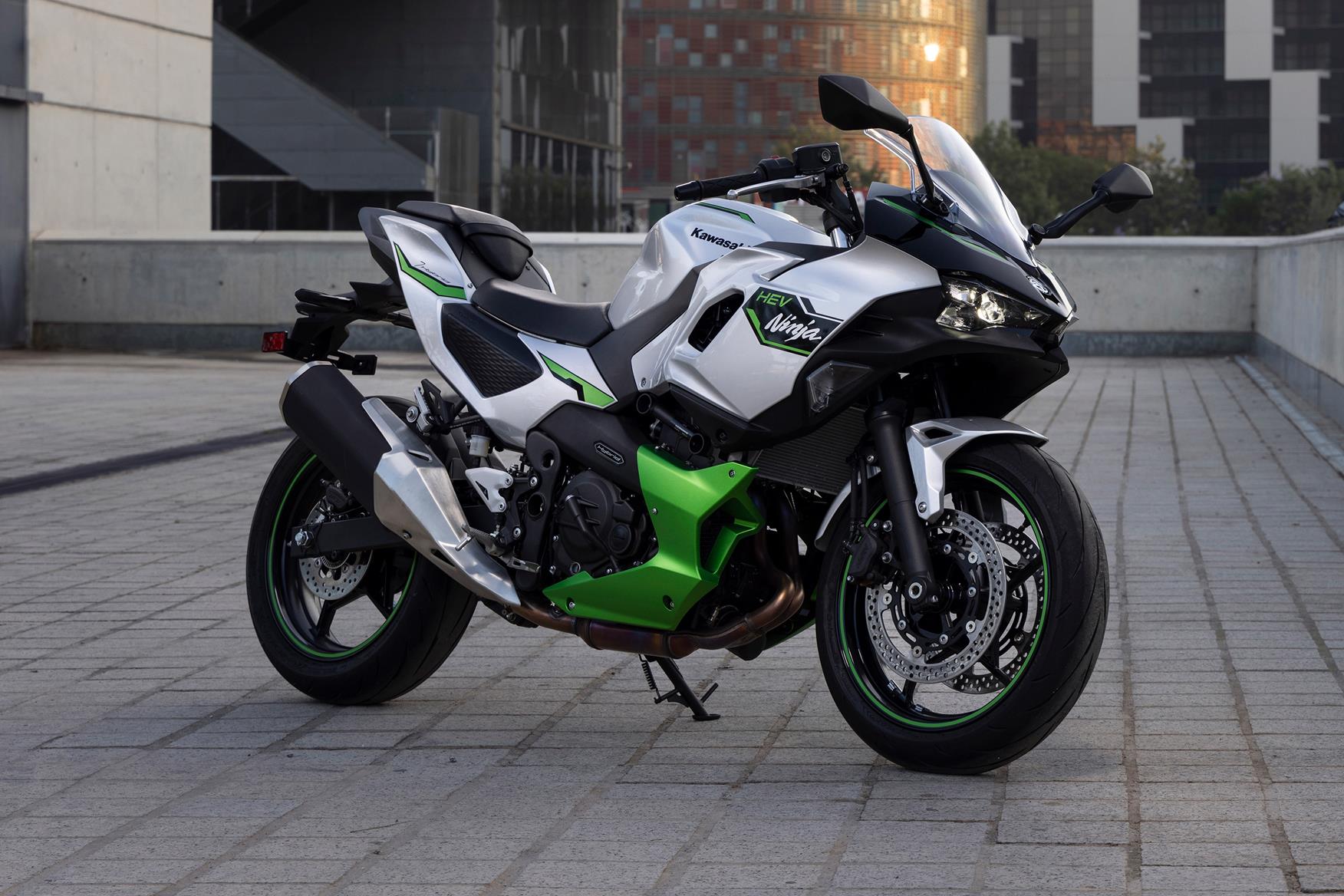
Aprilia is not alone in exploring hybrid technology for high-performance motorcycles. Kawasaki has already brought a hybrid Ninja to market, and several manufacturers including Honda and Yamaha have filed hybrid-related patents of their own. But Aprilia's approach, focused squarely on their flagship performance platforms rather than mid-range commuter bikes, represents a particularly bold statement. It says that hybrid technology isn't a consolation prize for riders who can't have pure combustion engines — it's the next evolution of what makes a great sporting motorcycle great.
For the passionate Aprilia faithful, the key question will always be whether the soul of the machine survives the transition. If the patent filing is any indication, Aprilia's engineers have asked themselves that question too — and they've built their answers into the architecture itself.
The Bottom Line for Riders
Aprilia's V4 hybrid powertrain patent is one of the most significant technical filings in recent motorcycle industry history. It signals a clear direction for two of motorcycling's most beloved performance machines, it offers a credible path through an increasingly complex regulatory environment, and it promises to deliver more — not less — of the riding experience that has made the RSV4 and Tuono icons. With 2029 on the horizon, the countdown to one of the most anticipated motorcycles of the decade has quietly begun.