Kawasaki's Hydrogen Gambit: A New Chapter in Motorcycle Engineering
Kawasaki has never been a manufacturer content to sit still. From the fire-breathing power of the Ninja H2 to the adventure-ready Versys lineup, the Japanese giant has consistently pushed boundaries. Now, a newly filed patent for a hydrogen-powered internal combustion engine suggests Kawasaki is setting its sights on something far more ambitious — a future where sport touring motorcycles run clean without sacrificing the soul of the ride.
The patent, which describes a hydrogen combustion engine adapted for motorcycle use, is more than a regulatory formality. It represents a serious engineering commitment and a philosophical statement: that the future of performance motorcycling doesn't have to be silent, sterile, or purely electric.
What the Patent Actually Describes
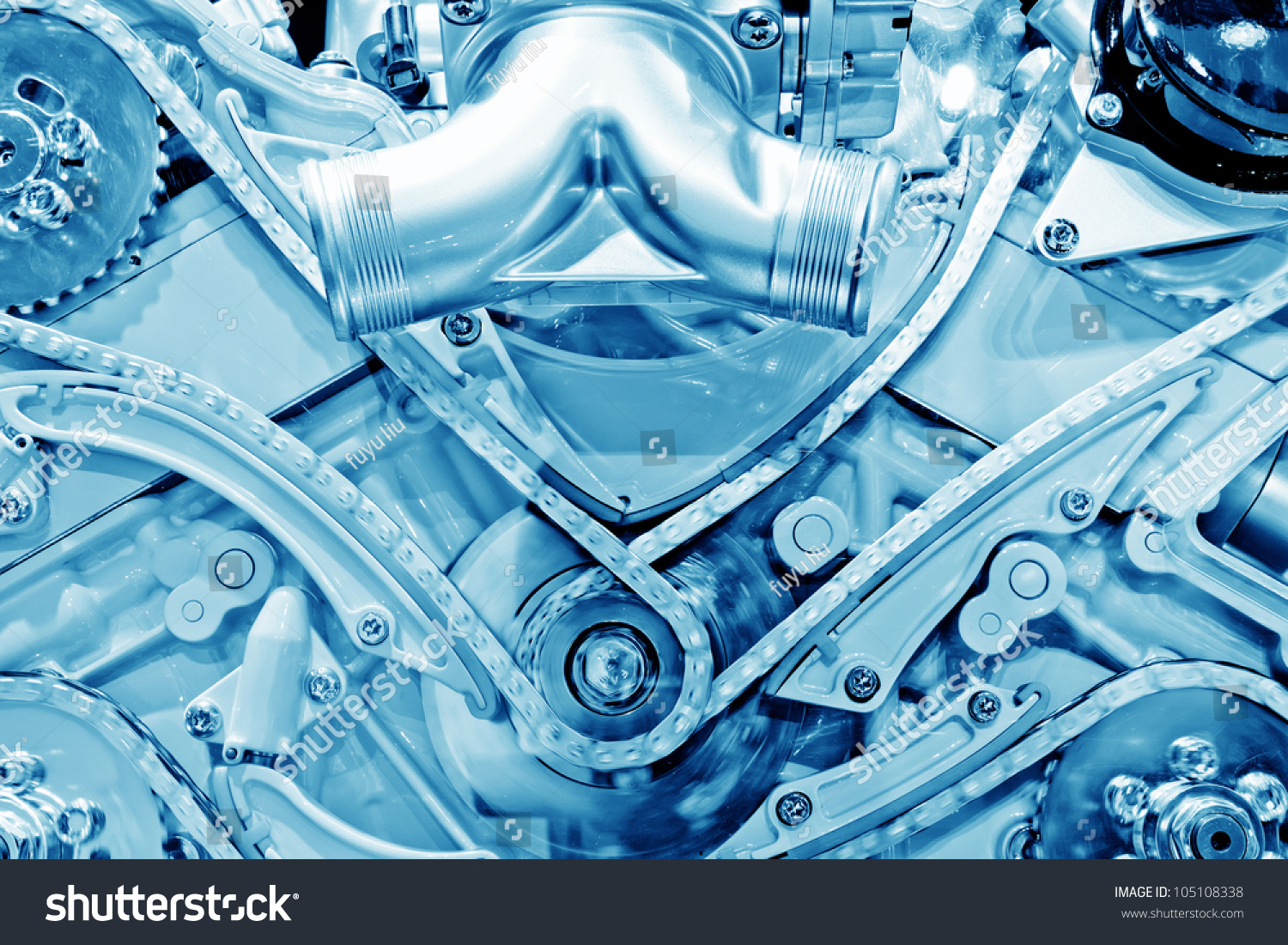
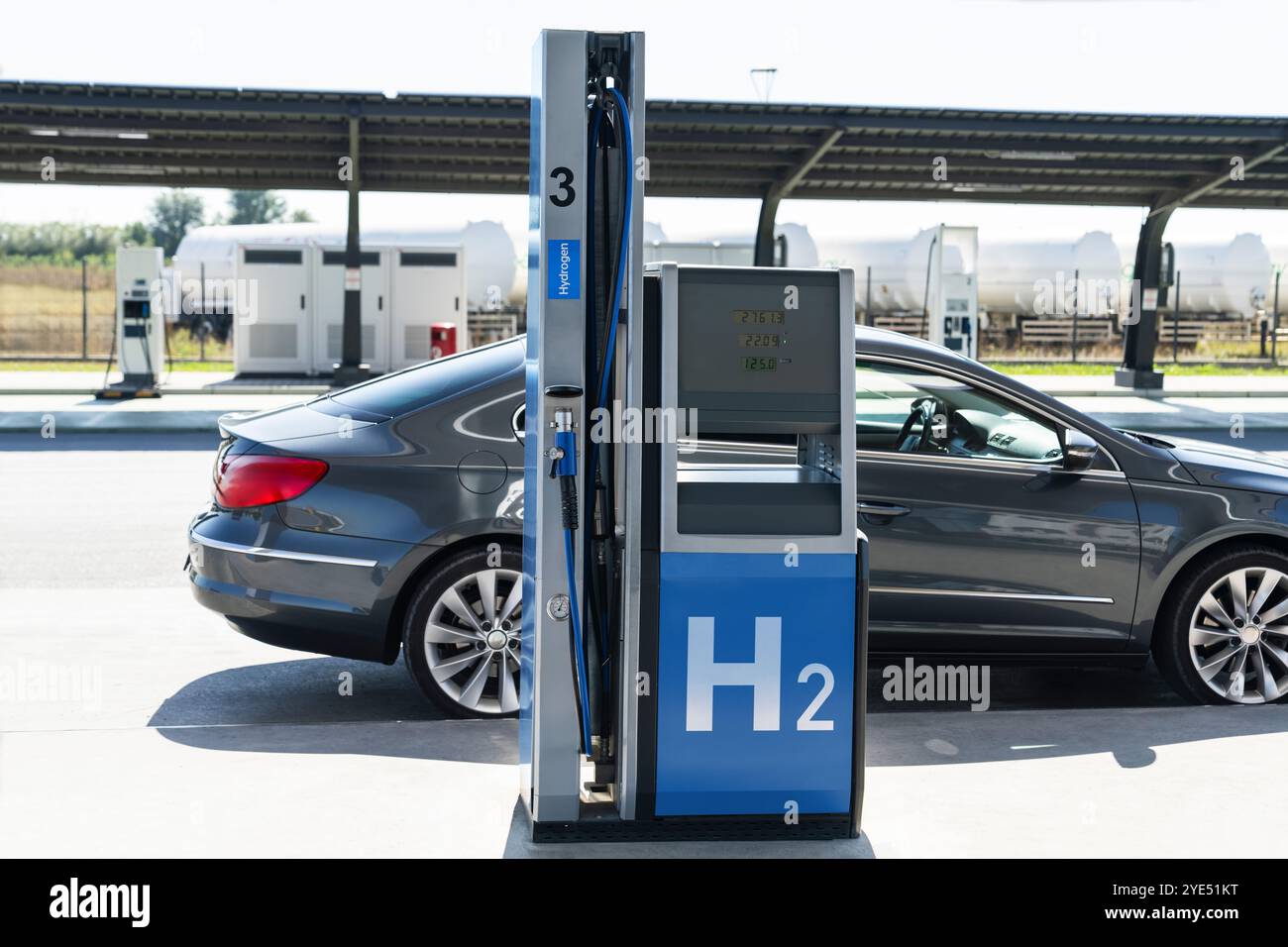
While patent filings are by nature technical and intentionally vague about final product intentions, Kawasaki's application outlines a hydrogen internal combustion engine (H2-ICE) designed to burn hydrogen fuel rather than gasoline. This is a critically different approach from hydrogen fuel cell technology, which generates electricity to power an electric motor. Instead, Kawasaki's system would retain the mechanical combustion process that riders have known and loved for over a century — just with hydrogen as the fuel source.
Key elements highlighted in the patent include:
- A modified fuel injection system capable of delivering hydrogen at precise intervals for optimal combustion
- Adaptations to cylinder head design to manage the unique combustion characteristics of hydrogen, including its wider flammability range compared to gasoline
- Thermal management solutions to address the higher combustion temperatures hydrogen can produce
- Potential integration with existing platform architectures, suggesting retrofit or evolution of current engine families
Kawasaki has been part of a broader Japanese industry hydrogen consortium alongside Honda, Yamaha, and Suzuki, so this patent arrives with considerable institutional momentum behind it.
Why Hydrogen Combustion — Not Just Electric?
The motorcycle industry is at a crossroads. European emissions regulations are tightening, with increasingly strict Euro 7 standards looming. Zero-emission mandates in several markets have pushed manufacturers toward electric powertrains. Yet riders — particularly sport touring enthusiasts — have consistently raised concerns about range anxiety, charging infrastructure, battery weight, and the loss of mechanical character that defines the riding experience.
Hydrogen combustion engines offer a compelling middle path. They produce zero carbon dioxide emissions at the point of combustion, emitting primarily water vapor. Crucially, they preserve the sound, the feel, and the visceral engagement of a traditional internal combustion engine. For sport touring riders who might cover 400 to 600 miles in a single day across remote mountain passes or open highways, the potential for fast hydrogen refueling — closer to the three-minute fill-up of gasoline than the hour-long wait of even fast electric charging — is enormously attractive.
The Range and Refueling Advantage
One of the defining challenges of electric motorcycles in a sport touring context is range. Current leading electric bikes top out at around 150 to 200 miles under real-world conditions, and that figure drops significantly at highway speeds. A hydrogen combustion engine, depending on tank capacity and efficiency, could theoretically match or exceed the range of current gasoline-powered sport tourers. Combined with a refueling experience more analogous to stopping at a petrol station, the practicality argument becomes very strong indeed.
What This Could Mean for Sport Touring Specifically
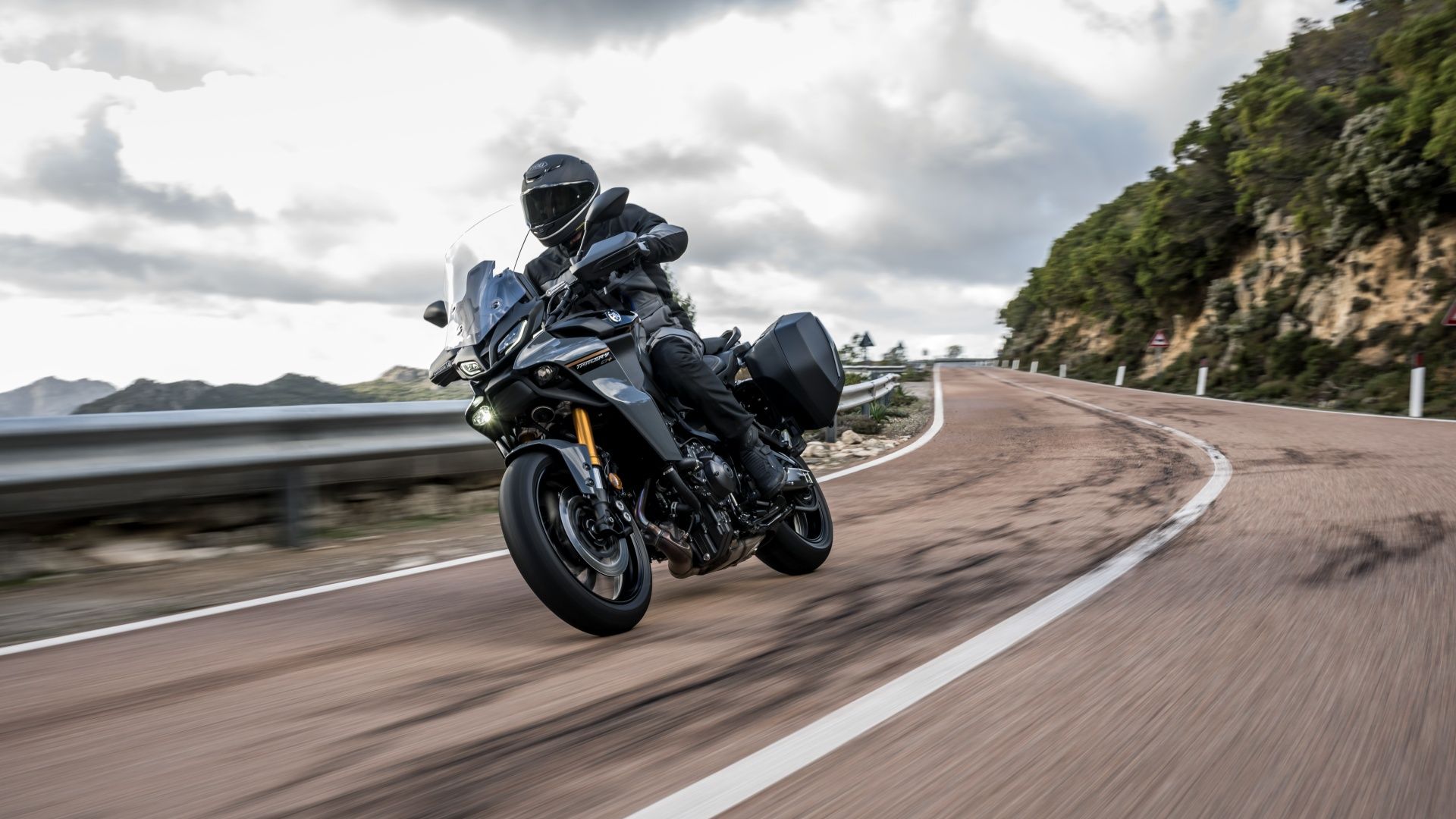
Sport touring is perhaps the category that stands to gain the most from hydrogen combustion technology. These are motorcycles built for long days in the saddle, often fully loaded with luggage, navigating everything from slab interstate miles to technical mountain switchbacks. They demand tractable power across a wide RPM range, strong midrange torque, smooth power delivery, and the reliability to cover serious distance without drama.
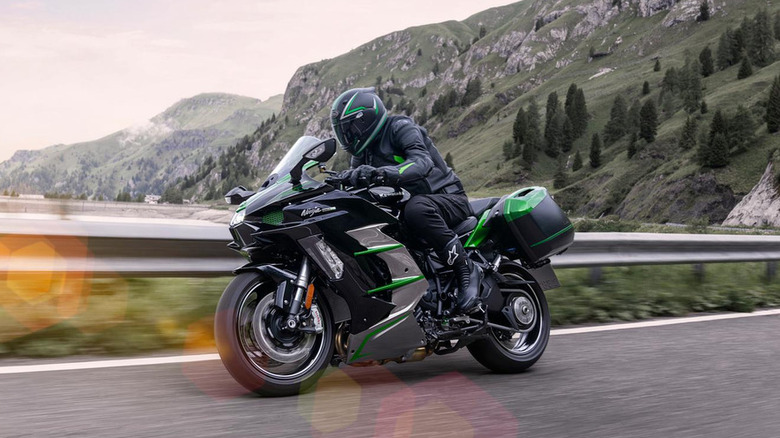
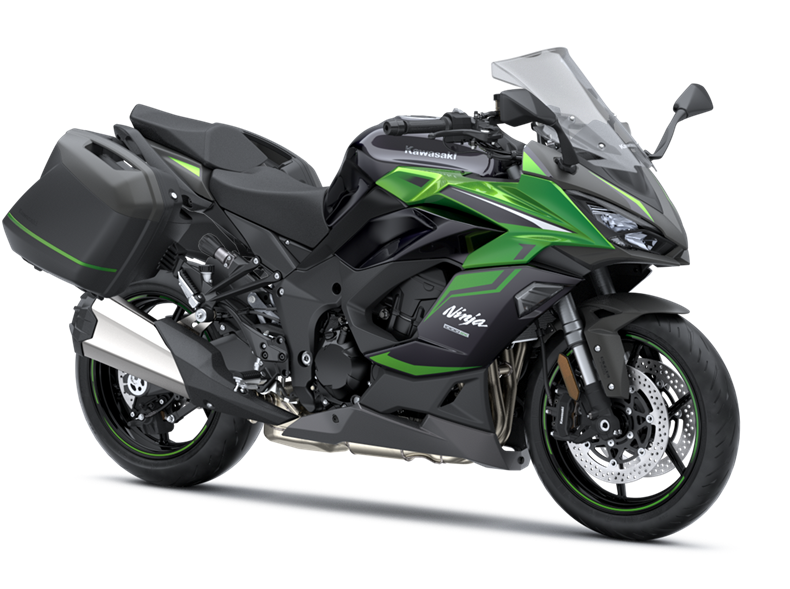
A hydrogen-adapted version of, say, a platform related to the Kawasaki Ninja 1000SX or the Kawasaki Versys 1000 could theoretically offer all of those characteristics while meeting increasingly stringent emissions requirements. Hydrogen combustion engines can produce competitive power outputs — early automotive hydrogen ICE prototypes have demonstrated outputs comparable to their gasoline counterparts — and their torque characteristics may actually suit the broad, accessible power curve that sport touring riders prefer.
The Infrastructure Hurdle
It would be dishonest to paint an entirely rosy picture. The elephant in the room is hydrogen refueling infrastructure. As of today, hydrogen filling stations are rare outside of specific urban corridors in countries like Japan, Germany, and California. A sport touring rider planning a transcontinental route through rural Europe or across the American heartland simply could not rely on hydrogen availability.
This is not an insurmountable problem, but it is a generational one. Infrastructure buildout takes time, investment, and policy support. The encouraging sign is that multiple governments, particularly in Japan and the EU, have committed significant funding to expanding hydrogen infrastructure as part of broader green energy transitions. If Kawasaki's patent leads to a production motorcycle by the late 2020s or early 2030s, the infrastructure landscape may look meaningfully different from today.
Kawasaki's Broader Electrification and Alternative Fuel Strategy
It's worth noting that Kawasaki is not abandoning electric development. The company has already released electric models including the Kawasaki Ninja e-1 and Kawasaki Z e-1, targeting urban commuters. Their strategy appears to be a multi-pronged approach: electric powertrains for city-focused machines, and alternative combustion technologies — including hydrogen — for performance and touring segments where range, refueling speed, and riding character matter most.
This dual-track strategy is arguably the most pragmatic response to a fragmented market where rider needs vary enormously. A commuter in Tokyo has fundamentally different requirements from a sport touring rider crossing the Alps.
The Bigger Picture for Motorcycling's Future
Kawasaki's hydrogen patent is one data point in a much larger story. The motorcycle industry is undergoing its most significant technological transition in decades, and the outcome is genuinely uncertain. What Kawasaki's filing signals, however, is that the internal combustion engine is not going quietly. Engineers and manufacturers are fighting to preserve what makes motorcycles emotionally compelling — the sound, the heat, the mechanical connection — while adapting to a world that demands cleaner energy.
For sport touring riders, that's an exciting prospect. The dream of a motorcycle that covers 500 miles in a day, refuels in minutes, sounds like a proper engine, and produces no carbon emissions is no longer purely science fiction. It's a patent application on file in Tokyo. And that's worth paying very close attention to.