Piaggio Group Takes a Hybrid Leap: A Shared Future for Aprilia and Moto Guzzi
The Italian motorcycle industry has never been shy about innovation, and Piaggio Group — the parent company behind Aprilia, Moto Guzzi, Vespa, and Piaggio — is doubling down on that legacy. A newly filed patent has revealed plans for a hybrid powertrain architecture specifically engineered to span two of its flagship motorcycle brands: the performance-focused Aprilia and the heritage-rich Moto Guzzi. If this system makes it into production, it could fundamentally reshape what riders expect from Italian motorcycles over the next decade.
What the Patent Actually Reveals
Patent filings are rarely the most glamorous reading material, but for powertrain enthusiasts and brand followers, this one is packed with telling details. The patent describes a modular hybrid system that integrates an electric motor unit alongside a conventional internal combustion engine, with the architecture designed from the ground up to be adaptable across different frame geometries and engine configurations. This is a deliberate platform play — Piaggio is clearly aiming to develop this technology once and deploy it efficiently across multiple model lines rather than engineer bespoke systems for each bike.
The electric motor in the described system appears to be positioned to assist the combustion engine at low to mid-range RPMs, where traditional internal combustion engines are often less efficient. This kind of torque-filling strategy is well-proven in the automotive world and, increasingly, in two-wheeled applications. The patent also references regenerative braking capability, which would allow the system to recover energy during deceleration — a meaningful efficiency gain on urban roads and mixed-use riding conditions.
Key Technical Highlights from the Patent
- Modular hybrid architecture designed for cross-platform deployment
- Integrated electric motor for low-to-mid RPM torque assistance
- Regenerative braking system for energy recovery
- Compatibility referenced for both parallel-twin and V-twin engine configurations
- Lightweight battery pack designed to minimize impact on handling dynamics
- Ride mode integration allowing riders to select hybrid, full electric, or combustion-priority modes
Why This Matters for Aprilia
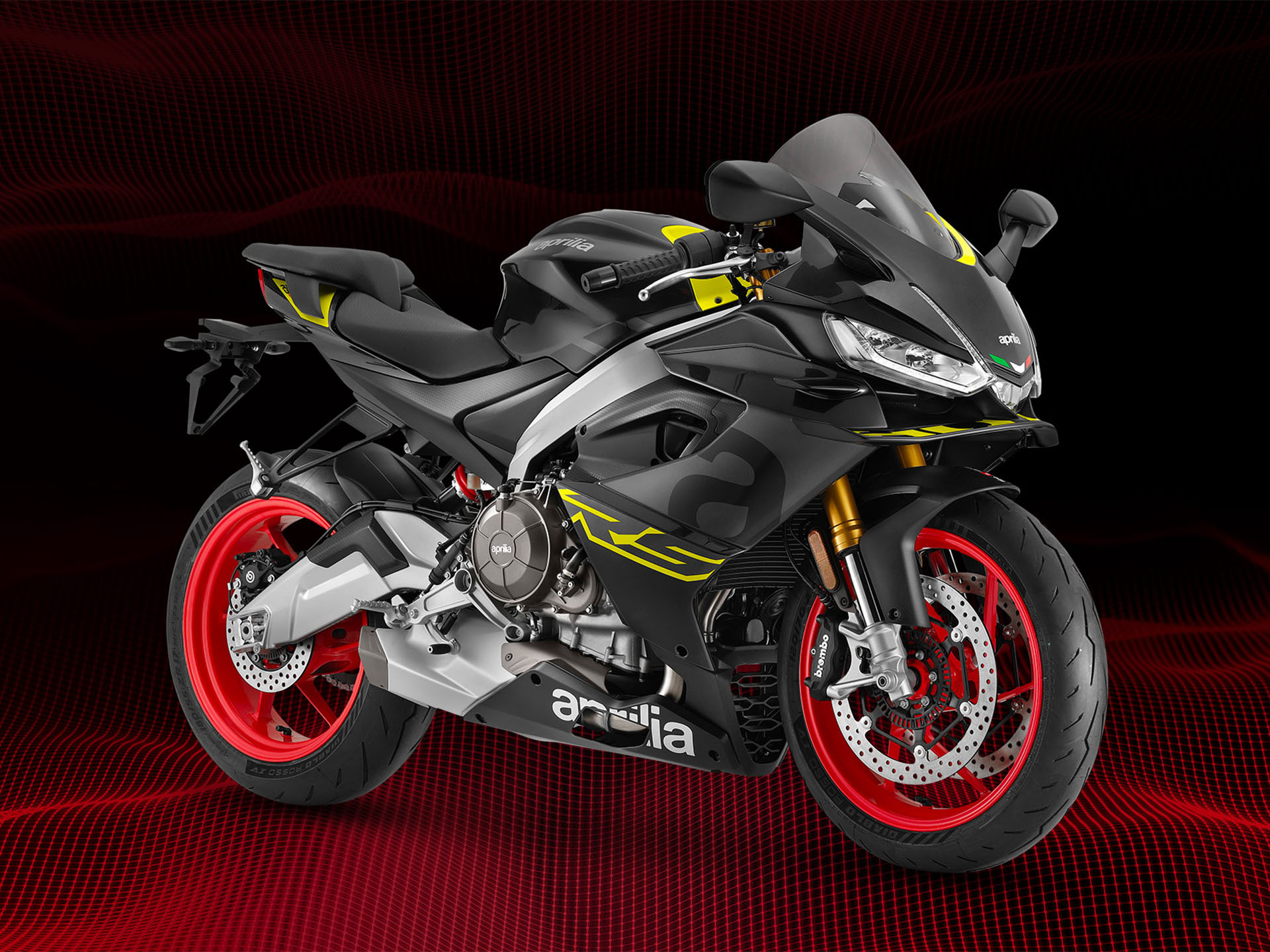
Aprilia has spent the last decade cementing its reputation as the sportiest brand in the Piaggio stable. From the scalpel-sharp Aprilia RS 660 to the flagship Aprilia RSV4, the brand's identity is built on performance credentials earned both on the road and the World Superbike circuit. Adding a hybrid system to an Aprilia platform raises immediate questions: can electrification enhance the riding experience, or will it compromise the visceral, high-revving character that defines the brand?
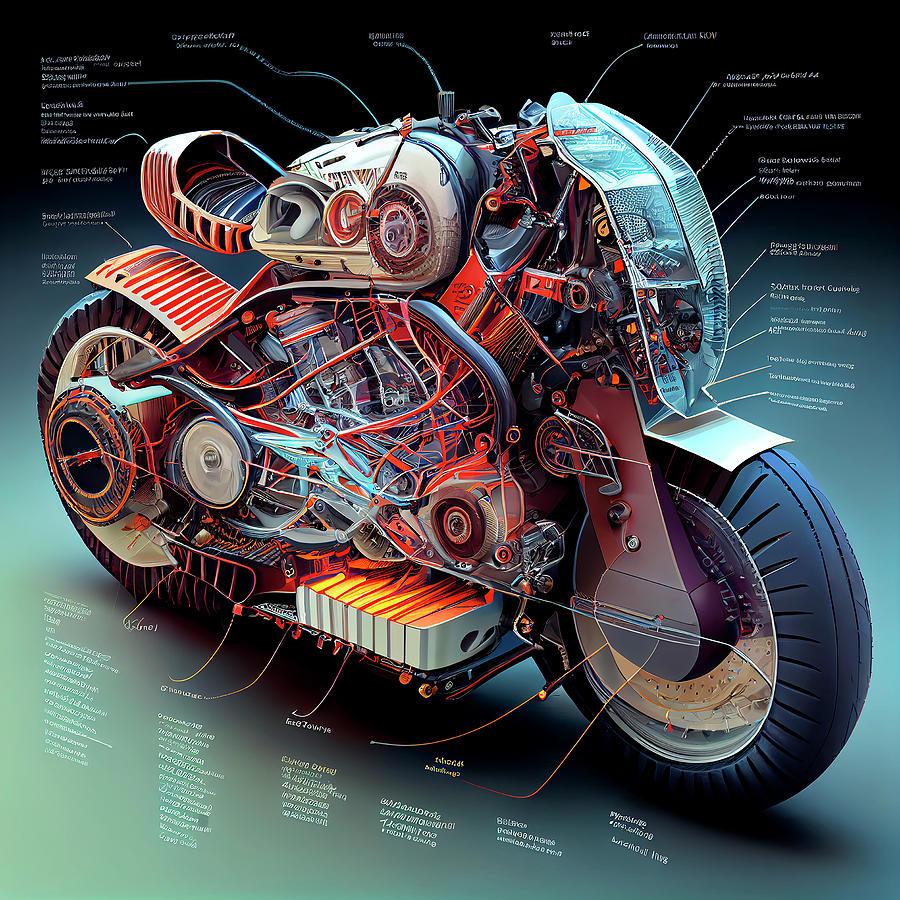
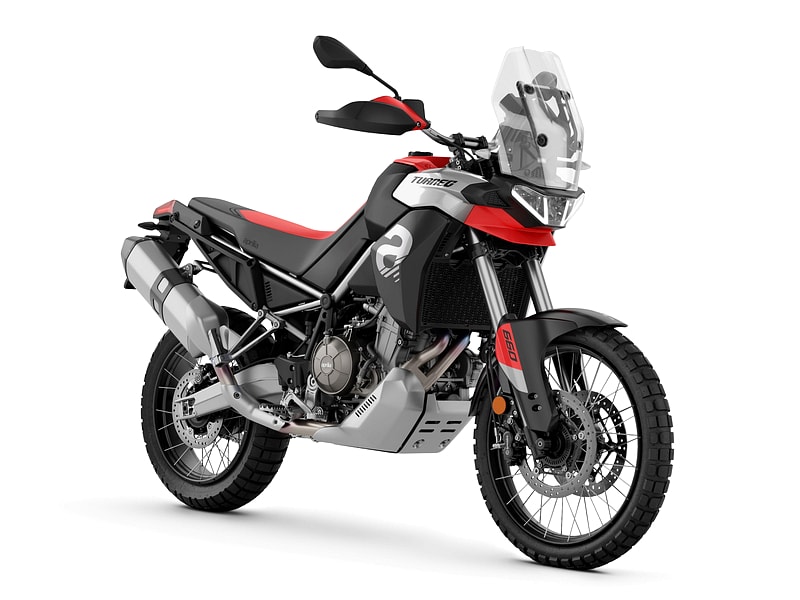
The answer, based on what the patent describes, seems to lean toward enhancement. By delivering supplemental torque at lower RPMs, the system could make Aprilia's already exciting mid-range powerplants feel even more responsive in real-world riding conditions. Think of it as a permanent boost function that fills in the gaps in the power curve without disrupting the top-end rush that Aprilia riders crave. For a street-focused machine like the Aprilia Tuareg 660 or a future successor to the RS 660, this kind of low-end urgency could be transformative.
What It Could Mean for Moto Guzzi
Moto Guzzi is a very different conversation. Where Aprilia chases lap times, Moto Guzzi chases soul. The brand's iconic transverse V-twin engine — a layout unchanged in concept since 1921 — produces a distinctive sound, feel, and rhythm that is inseparable from the Moto Guzzi identity. For passionate Guzzisti, any interference with that formula is treated with deep suspicion.
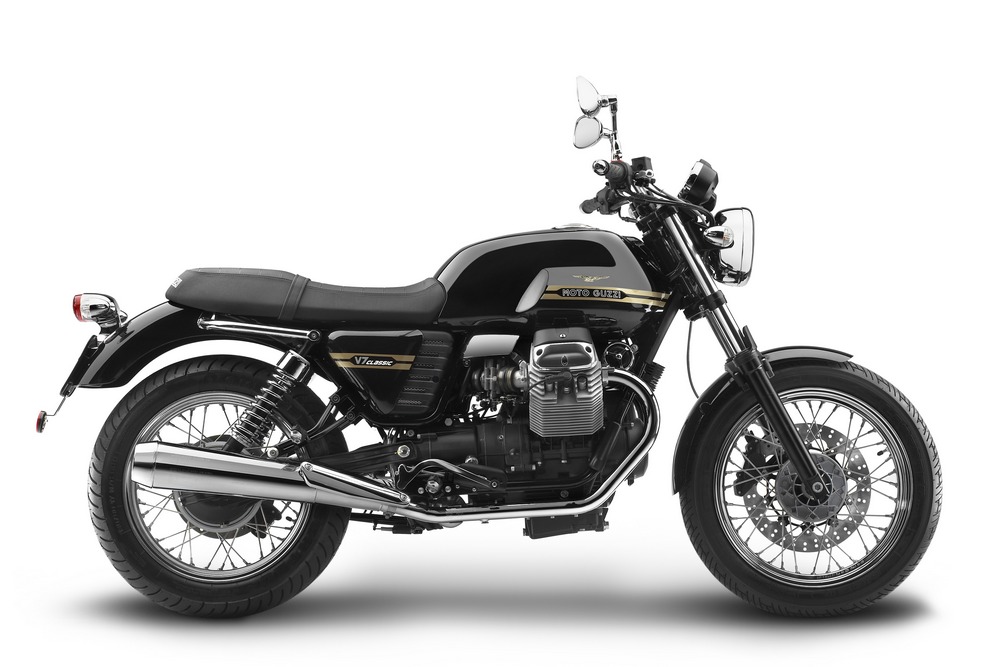
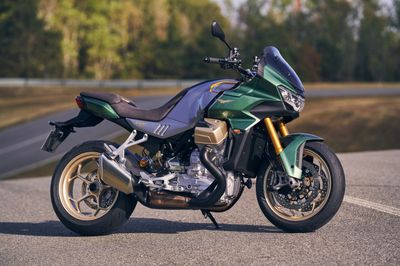
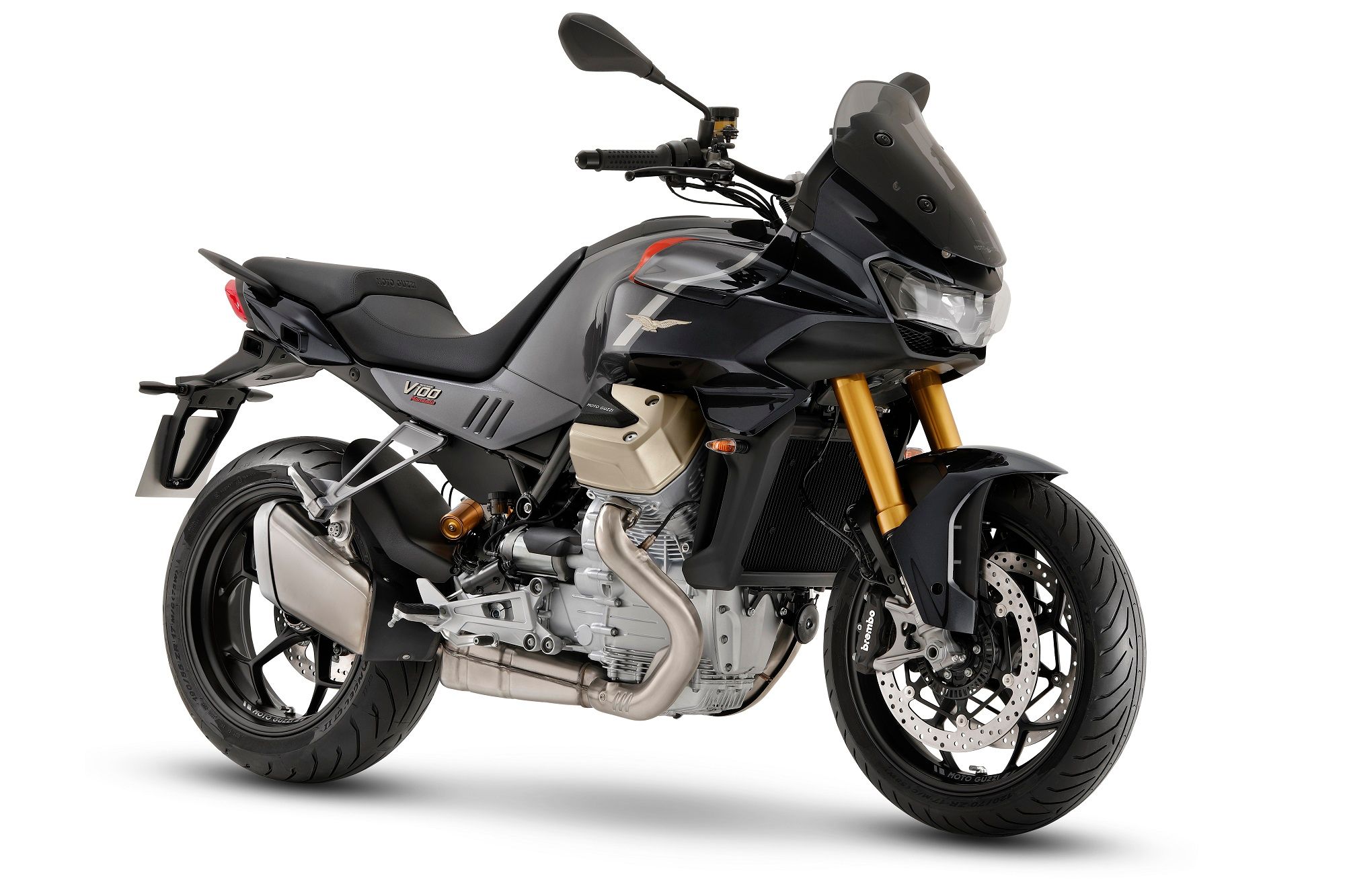
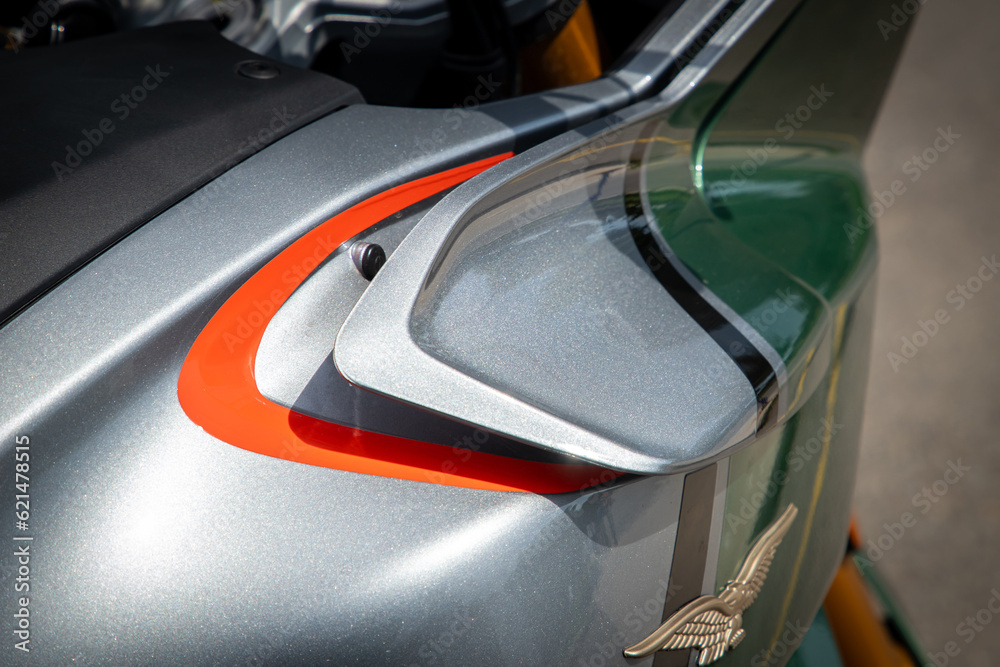
And yet, there's a compelling case for hybrid technology at Moto Guzzi. The brand's current lineup, which includes the Moto Guzzi V7, Moto Guzzi V9, and the flagship Moto Guzzi V100 Mandello, is already exploring modern technology — the V100 Mandello debuted with active aerodynamics, a first for production motorcycles. A hybrid variant of that platform could deliver improved urban usability, reduced emissions to satisfy increasingly strict European regulations, and even an electric-only low-speed mode that reduces noise in residential areas without eliminating the beloved V-twin soundtrack on open roads.
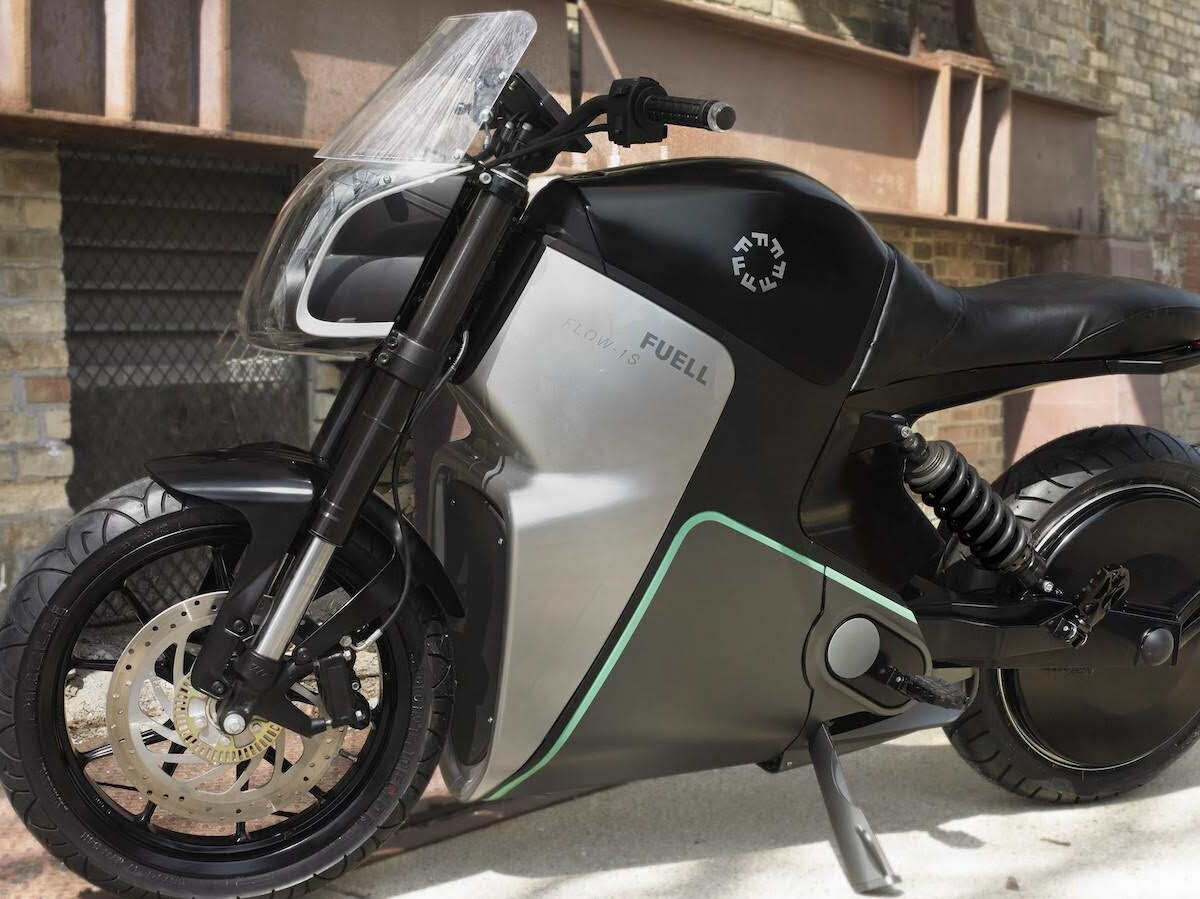
The patent's reference to V-twin compatibility is particularly noteworthy. Moto Guzzi's transverse layout presents unique packaging challenges for electrification, and the fact that Piaggio engineers appear to have addressed this within a shared architecture suggests serious intent rather than a speculative exercise.
The Bigger Picture: European Emissions and the Road Ahead
This patent doesn't exist in a vacuum. Euro 5+ emissions standards are already pushing manufacturers to find cleaner solutions, and Euro 6 regulations loom on the horizon for motorcycles. Hybrid powertrains represent a pragmatic bridge technology — they allow manufacturers to reduce emissions meaningfully while preserving the riding character that customers pay for and regulators cannot mandate away.
For Piaggio Group, developing a single hybrid architecture that can serve multiple brands is also a smart financial strategy. The cost of developing, certifying, and manufacturing hybrid systems is enormous. Amortizing that investment across Aprilia and Moto Guzzi — and potentially Piaggio's scooter lines too — makes the economics significantly more viable.
What Riders Should Watch For
- Official announcements at major shows like EICMA or Intermot in the coming years
- Prototype sightings of hybrid test mules on public roads
- Updates to Aprilia and Moto Guzzi model roadmaps on brand websites
- Regulatory filings in key markets that may hint at production intent
- Piaggio Group investor presentations, which often reference technology pipeline milestones
Cautious Optimism: Reading Patent Tea Leaves
It's worth tempering expectations with a dose of realism. Patents are filed speculatively all the time, and not every patented technology makes it into a production motorcycle. The gap between a patent filing and a showroom model can be years — sometimes many years — and the final product often differs significantly from the original concept. That said, the specificity of this filing, its clear cross-platform intent, and Piaggio Group's publicly stated commitment to sustainable mobility all suggest this is more than an engineer's thought experiment.
For riders who have watched the electric revolution arrive in fits and starts across the motorcycle industry, a hybrid approach from two beloved Italian brands may actually be the sweetest possible compromise — preserving the noise, the heat, and the mechanical intimacy of internal combustion while quietly making those bikes cleaner, more efficient, and, perhaps, even faster where it counts most.
Final Thoughts
Piaggio Group's hybrid powertrain patent is one of the more exciting technical developments to emerge from the Italian motorcycle industry in recent memory. Whether it births a future Aprilia RS hybrid scorching track days or a Moto Guzzi V-twin that purrs through mountain passes with an extra surge of electric torque, the direction is clear: Italian motorcycling is heading toward a hybrid future, and it intends to arrive in style. Stay tuned — this story is just getting started.