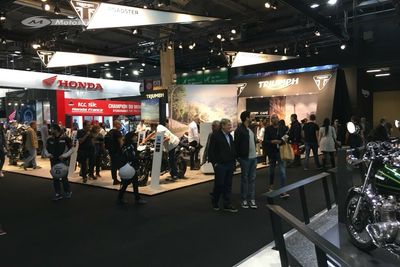
Honda Makes It Official: Hydrogen Power Is Coming to Two Wheels
The motorcycle industry has been buzzing with speculation for years, but Honda has now made it official — the Japanese giant is actively developing a hydrogen fuel cell powertrain specifically designed for motorcycles. While battery-electric motorcycles have dominated the zero-emission conversation, Honda's announcement signals that the future of clean riding may be more diverse — and more exciting — than many had anticipated.
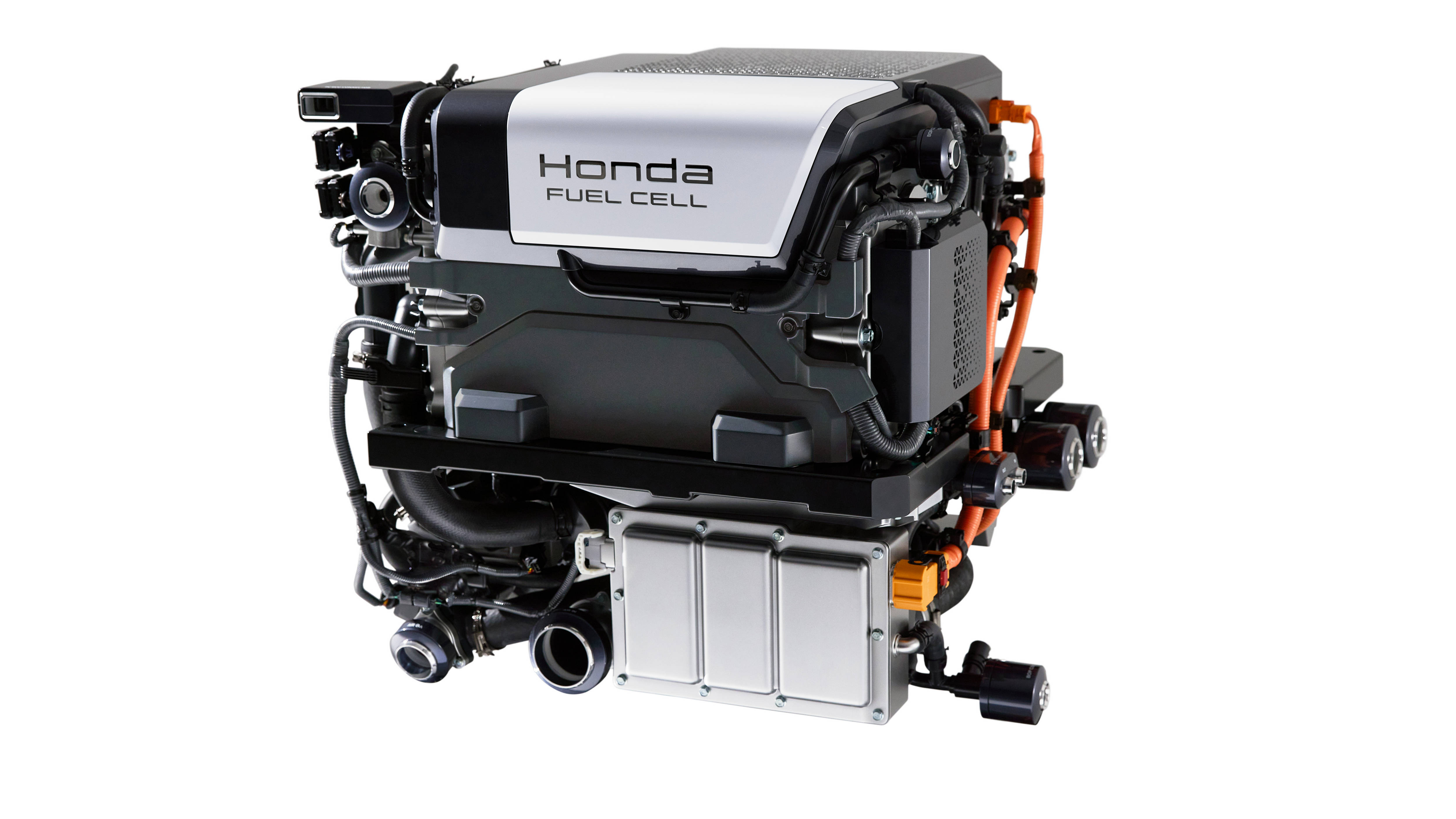
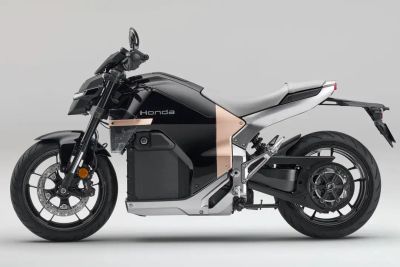
Honda hydrogen motorcycle or concept rendering
Honda's move into hydrogen motorcycles isn't a surprise to those who've been watching the company's broader clean energy strategy. Honda has been operating hydrogen fuel cell vehicles through its Honda Clarity Fuel Cell program for years, and the company has partnered with General Motors on next-generation fuel cell stack development. That automotive-grade expertise is now being redirected toward two-wheeled applications, and the implications for the industry are enormous.
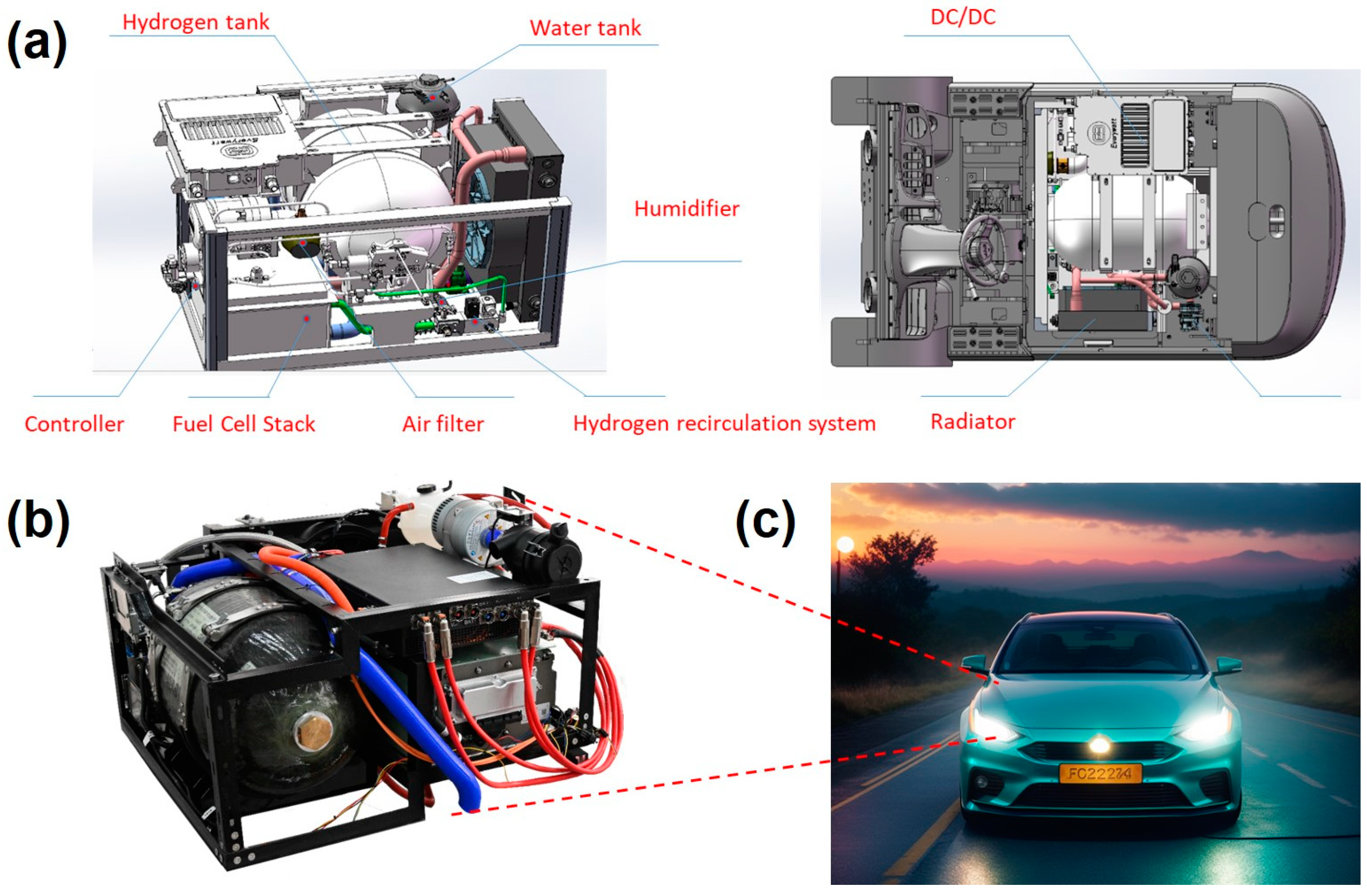
Illustration of PEM fuel cell stack technology for powertrain section
What We Know About the Powertrain
Honda has confirmed that the motorcycle hydrogen system will use a proton exchange membrane (PEM) fuel cell — the same fundamental technology used in its automotive fuel cell vehicles. In a PEM system, hydrogen gas is fed into the fuel cell stack, where it reacts with oxygen from the air. The chemical reaction produces electricity to power the motor, with water vapor as the only byproduct. No combustion, no carbon emissions, and no battery degradation worries.
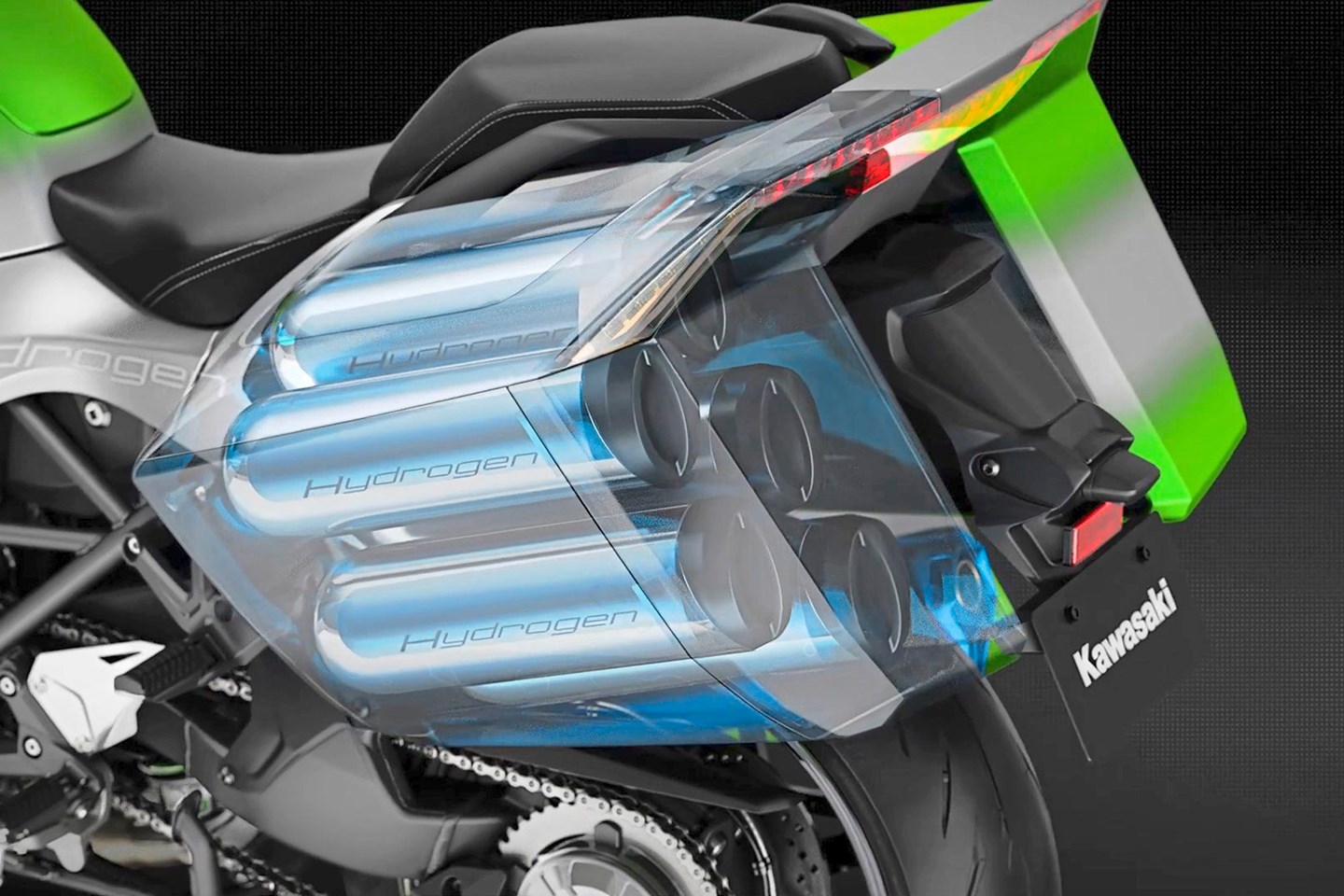
Hydrogen fueling infrastructure image for infrastructure section
The confirmed details so far include:
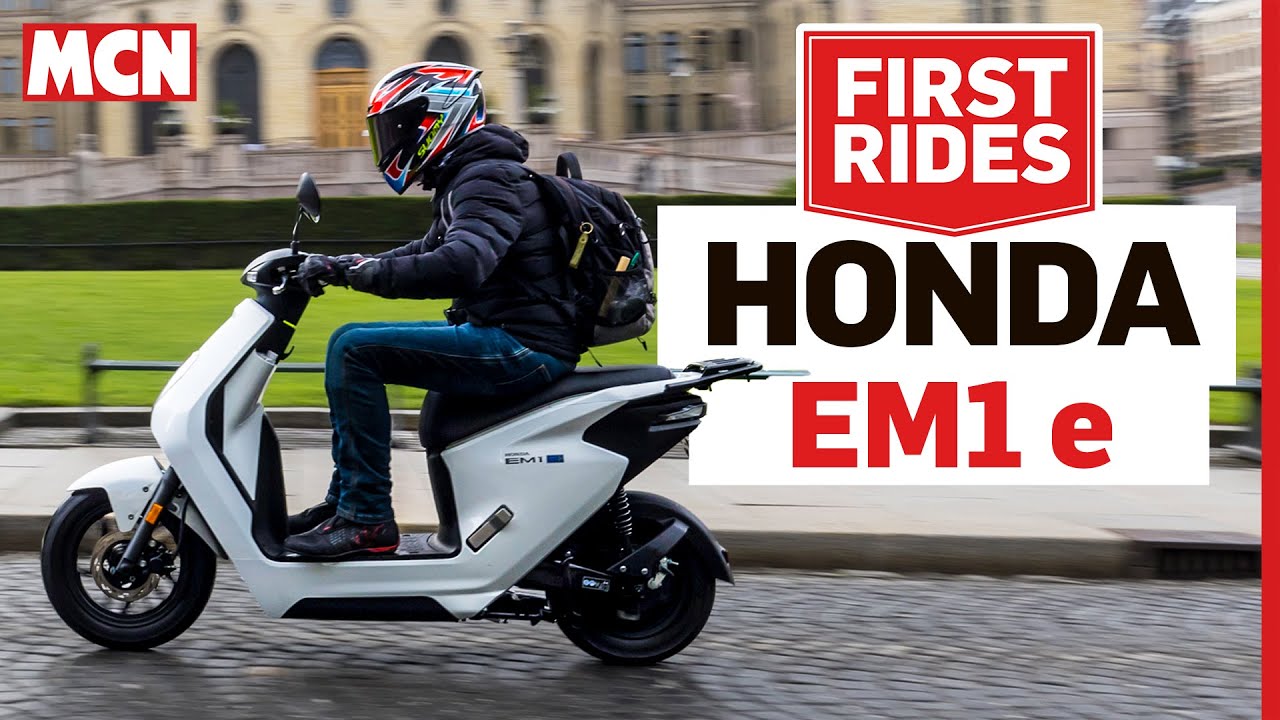
Honda EM1 e: or Honda electric scooter for broader EV roadmap context
Fuel Cell Stack Integration: Honda engineers are working on a compact, motorcycle-specific fuel cell stack that fits within the packaging constraints of a two-wheeled chassis — a significantly harder engineering challenge than in a car.
Hydrogen Storage: The system will use high-pressure hydrogen tanks, likely operating at 700 bar (approximately 10,000 psi), consistent with automotive hydrogen standards. Miniaturizing these tanks for motorcycle use is one of the central engineering hurdles.
Hybrid Buffer Battery: Like most fuel cell vehicles, the motorcycle will incorporate a small buffer battery to handle peak power demands during acceleration and to capture regenerative braking energy.
Electric Motor Drive: Power will be delivered via an electric motor, meaning riders can expect the instant torque delivery that EV riders already enjoy — but with the refueling convenience of hydrogen.
Why Hydrogen Instead of Batteries?
This is the question on every rider's mind, and Honda's rationale is compelling. Battery-electric motorcycles face a well-documented set of challenges: long recharge times, range anxiety, battery weight concentrated low in the chassis, and long-term degradation. Hydrogen fuel cells address several of these concerns head-on.
Refueling a hydrogen motorcycle would take roughly the same time as filling a petrol tank — potentially under five minutes — compared to the 30-minute-plus fast-charge stops required for even the quickest battery EVs. For touring riders or those who cover long daily distances, this difference is not trivial; it's transformative.
Weight distribution is another factor. Hydrogen tanks, while requiring robust construction, can be shaped and positioned to optimize chassis balance in ways that large battery packs cannot. Honda's engineers have historically been obsessive about mass centralization, and hydrogen architecture offers new possibilities in that regard.
The Range Question
Honda has not yet released official range figures, but based on the energy density of hydrogen and comparable fuel cell vehicles, analysts expect a hydrogen motorcycle to comfortably exceed 200 miles on a single fill — potentially significantly more depending on the tank capacity the chassis can accommodate. That would put hydrogen motorcycles broadly on par with modern petrol-powered machines, something no battery-electric motorcycle has yet convincingly achieved at a mainstream price point.
The Infrastructure Challenge
Honda's announcement is exciting, but it doesn't exist in a vacuum. Hydrogen refueling infrastructure remains sparse in most parts of the world. In the United States, the vast majority of public hydrogen stations are concentrated in California. Europe and Japan have broader networks, but nothing approaching the ubiquity of petrol stations.
Honda is clearly aware of this. The company has been involved in hydrogen infrastructure advocacy and development, and has invested in projects aimed at expanding hydrogen availability. There's also growing momentum from governments worldwide — particularly in the EU, UK, Japan, and South Korea — to fund hydrogen infrastructure as part of broader decarbonization strategies.
It's reasonable to expect that Honda's hydrogen motorcycle, when it arrives, will initially target markets where infrastructure is most developed, with broader rollout tied to refueling network expansion. This mirrors how Honda approached its Clarity Fuel Cell car program.
When Will It Arrive and What Form Will It Take?
Honda has stopped short of announcing a specific production timeline or a confirmed model designation. What the company has communicated is that a demonstration or concept reveal is expected in the near term, with production intent to follow based on market readiness and regulatory alignment.
Industry watchers speculate the first hydrogen Honda motorcycle could be positioned as a mid-to-large capacity machine — possibly in the adventure or touring segment, where range and refueling convenience matter most to buyers. A commuter-focused hydrogen scooter has also been floated as a possibility, particularly for Asian markets where Honda's scooter dominance is strongest and urban air quality regulations are tightening aggressively.
Honda's Broader Zero-Emission Roadmap
It's important to understand Honda's hydrogen motorcycle program within the company's wider electrification strategy. Honda has committed to making all of its motorcycle and automobile products carbon neutral by 2050, with significant interim targets along the way. The company is simultaneously developing battery-electric motorcycles — including models under the EM1 e: line — as well as exploring e-fuels and other low-carbon technologies.
Honda's position appears to be that no single technology will serve all riders in all markets, and that hydrogen deserves a place at the table alongside battery electric. It's a pragmatic, engineering-first approach that is very on-brand for a company that has always prioritized solving real-world problems over ideological commitment to a single solution.
What This Means for Riders
For the riding community, Honda's hydrogen announcement is genuinely significant. Honda is not a company that makes announcements without follow-through. When Honda says it's developing a technology, it tends to deliver. The engineering pedigree behind this program — drawing on decades of fuel cell research and development — gives real credibility to the promise of a hydrogen motorcycle that actually works for real-world riding.
We're likely still a few years away from being able to walk into a Honda dealership and buy one. But the direction of travel is now confirmed, and competition in the hydrogen motorcycle space — with Kawasaki also having explored hydrogen combustion technology — is beginning to take shape. For riders who've felt left cold by battery-electric alternatives, hydrogen may represent the zero-emission future they've actually been waiting for.
Stay tuned. This story is just getting started.