The Two-Wheeled Tech Revolution Has Arrived
For years, artificial intelligence felt like a four-wheeled conversation — something reserved for Tesla software updates and autonomous SUV prototypes. But the 2026 model year has quietly shattered that assumption. Manufacturers from Honda and BMW to Ducati and KTM are rolling out production motorcycles equipped with AI-driven systems that learn, adapt, and actively intervene in ways that would have seemed like science fiction just five years ago. This isn't marketing fluff. It's a fundamental shift in what a motorcycle can do — and what it knows about you.
What Does 'AI in Motorcycles' Actually Mean?
The term artificial intelligence gets thrown around loosely, so let's be precise. In the context of 2026 motorcycles, AI refers to onboard systems that use machine learning algorithms, sensor fusion, and real-time data processing to make dynamic decisions beyond simple pre-programmed responses. Traditional electronics like traction control and ABS react to a single input — wheelspin or brake pressure. AI systems, by contrast, monitor dozens of inputs simultaneously, build predictive models, and adjust their behavior based on accumulated ride data.
Think of it as the difference between a thermostat and a smart home system. One responds to a single condition; the other learns your patterns, anticipates your needs, and optimizes for outcomes it was never explicitly programmed to handle.
Adaptive Riding Modes That Actually Learn
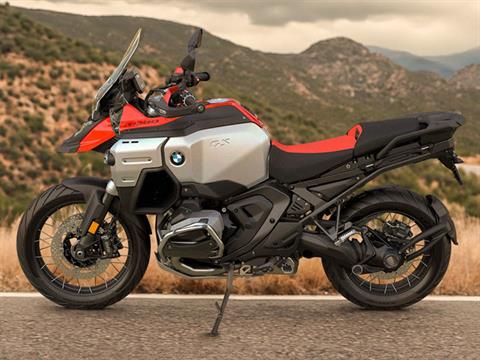
One of the most exciting AI applications arriving on 2026 models is genuinely adaptive ride mode technology. The BMW R 1300 GS Adventure, for example, uses a new generation of its Dynamic ESA suspension combined with a predictive terrain algorithm that cross-references GPS topography data, lean angle history, and throttle behavior to pre-adjust suspension damping before the rider even reaches a corner or rough patch.
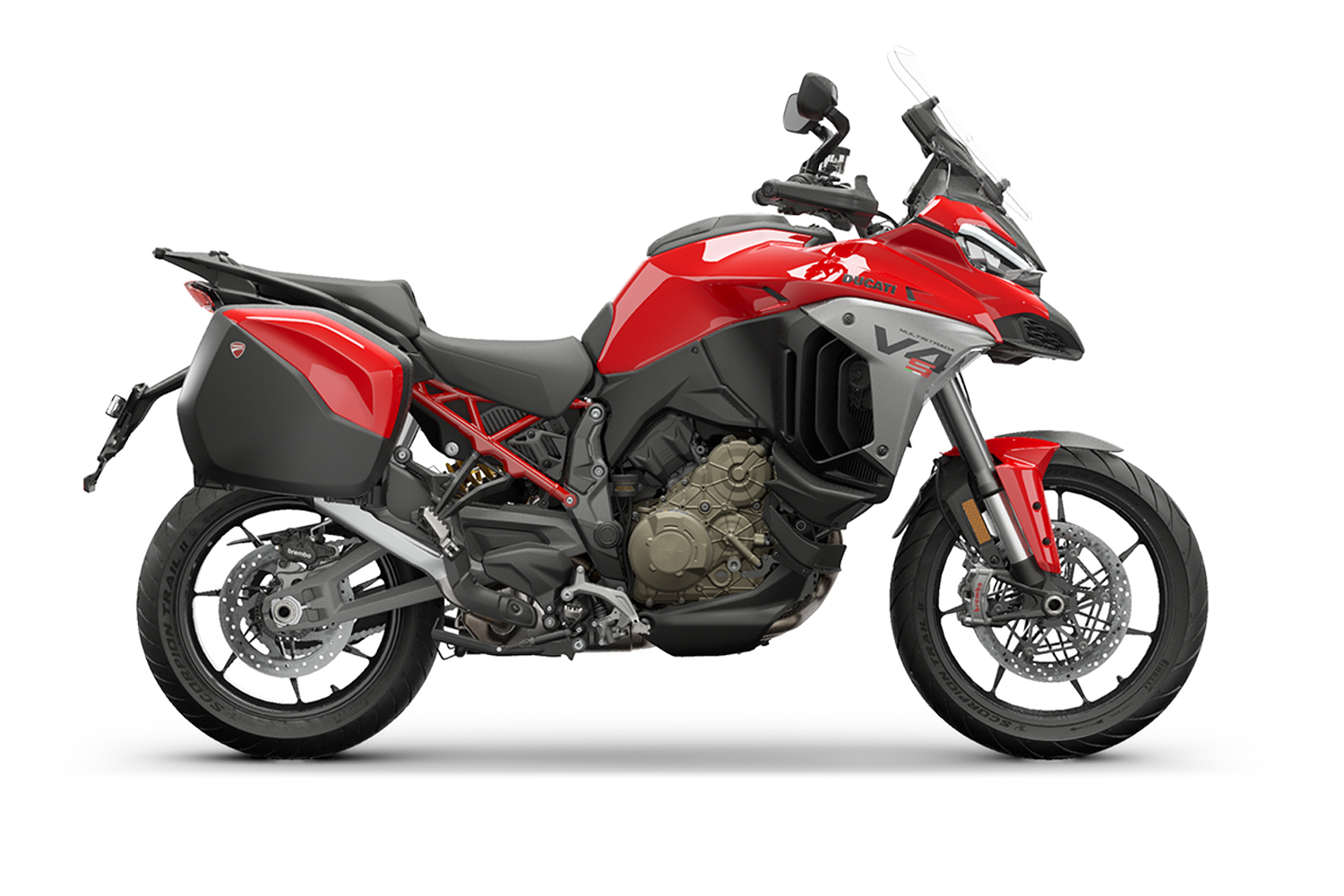
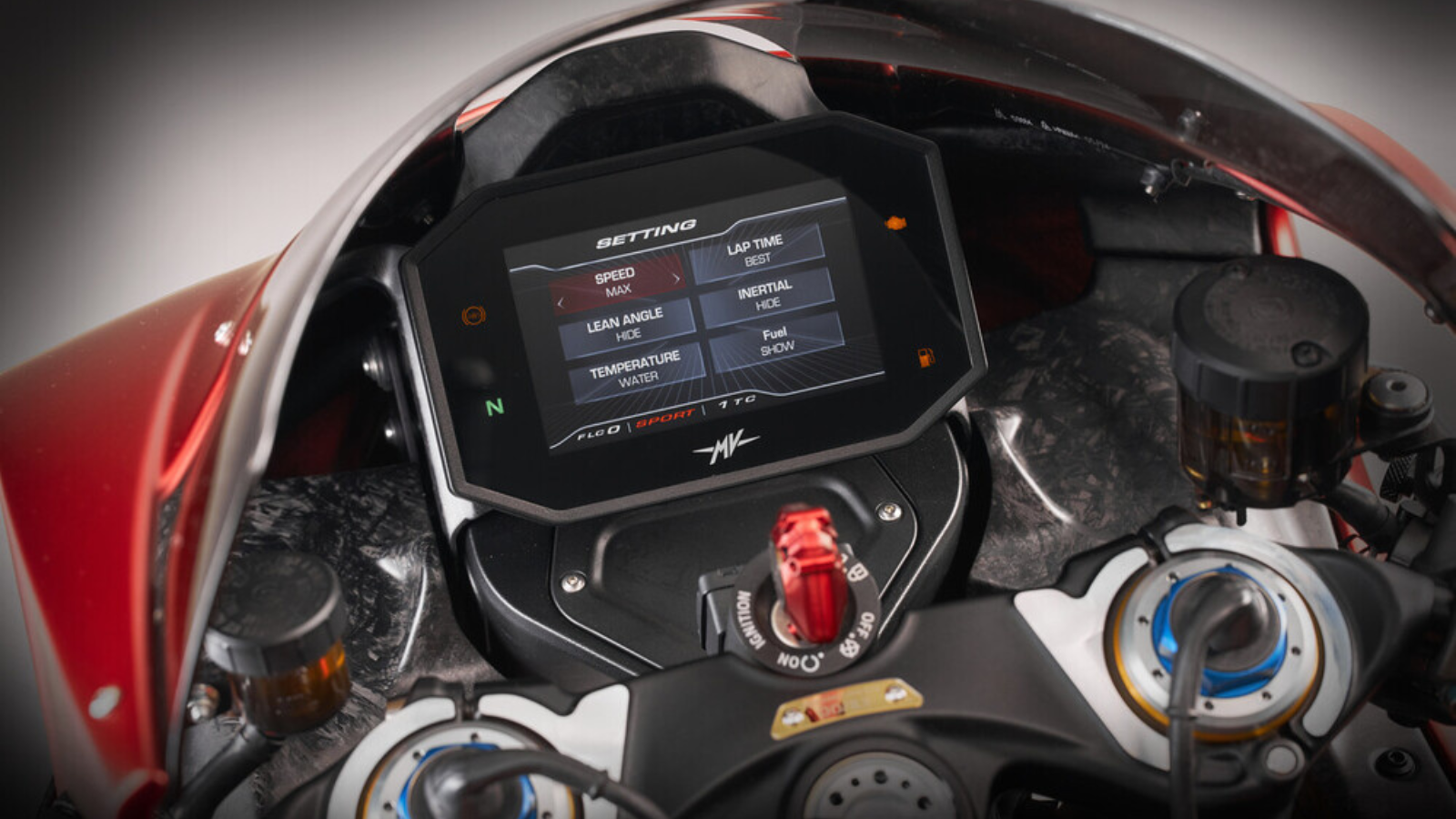
Ducati's 2026 Multistrada V4 S takes a similar approach with what the brand calls Neural Ride Intelligence — a system that profiles your riding style over multiple sessions and builds a customized baseline for throttle response, traction control sensitivity, and engine braking. The longer you ride, the better it knows you. Crucially, it also detects fatigue signatures — irregular throttle inputs, delayed reaction times, minor wobbles — and can prompt the rider to take a break before a dangerous situation develops.
AI-Powered Safety: Beyond Basic ABS and Traction Control
Safety is where AI delivers its most consequential gains. 2026 sees the broader rollout of cornering radar systems previously limited to flagship models, now appearing on mid-range machines like the Honda CB750 Hornet and the KTM 890 Adventure R. These systems use millimeter-wave radar to detect vehicles in adjacent lanes and closing distances behind the rider, even while leaned over in a corner — something camera-only systems struggled to do reliably.
Bosch, the dominant supplier of motorcycle safety electronics, has introduced its next-generation MSC (Motorcycle Stability Control) platform with what it calls Predictive Emergency Braking. Using a front-facing radar combined with AI processing, the system identifies potential collision scenarios up to 2.5 seconds before impact and begins pre-charging the brake calipers and tightening brake-by-wire response — shaving critical milliseconds from emergency stopping distances.
- Blind spot monitoring now active during cornering, not just straight-line riding
- Intersection assist alerts riders to crossing traffic using vehicle-to-infrastructure (V2X) communication where available
- Predictive surface detection uses front camera data to identify wet markings, gravel patches, and manhole covers and pre-adjusts traction control thresholds accordingly
- Emergency call (eCall) with crash classification — AI determines crash severity to prioritize dispatch response
Voice Control and Connectivity Get Serious
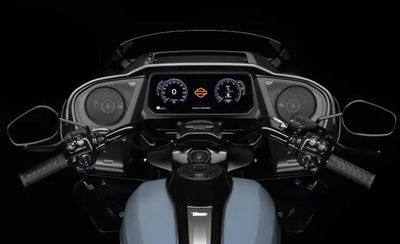
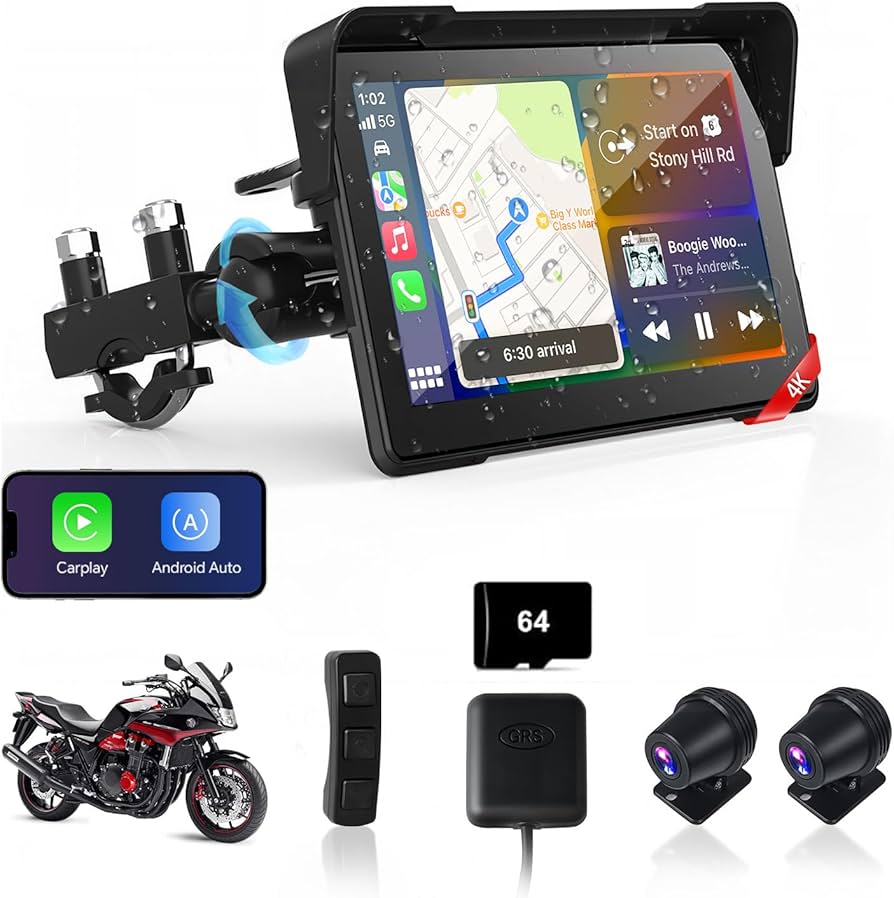
Smartphone integration has been on motorcycles for years, but it has always felt bolted on — a phone mount with some Bluetooth buttons. The 2026 generation treats connectivity as native to the machine. Harley-Davidson's 2026 Pan America 1250 Special debuts an upgraded HDOS infotainment platform with natural language voice control, allowing riders to change navigation destinations, adjust audio, manage tire pressure monitoring, and control heated gear — all without removing hands from the bars.
Kawasaki's new Rideology 2.0 platform goes further, integrating with third-party AI assistants and offering predictive service alerts that analyze ride data and usage patterns to forecast component wear — not just report current status. Imagine your bike telling you that your rear brake pads will likely need replacing in approximately 800 miles based on your specific braking habits, rather than simply flashing a generic warning light.
The Personalization Dimension
Perhaps the most underappreciated aspect of AI in 2026 motorcycles is deep personalization. Yamaha's new Tracer 9 GT+ introduces a cloud-connected rider profile system where all your preferred settings — suspension, throttle map, traction control level, instrument display layout, even mirror adjustment — are stored in your account and can be loaded onto any compatible Yamaha in the lineup. Renting a bike overseas or borrowing a friend's machine becomes a seamless experience rather than a fumble through unfamiliar menus.
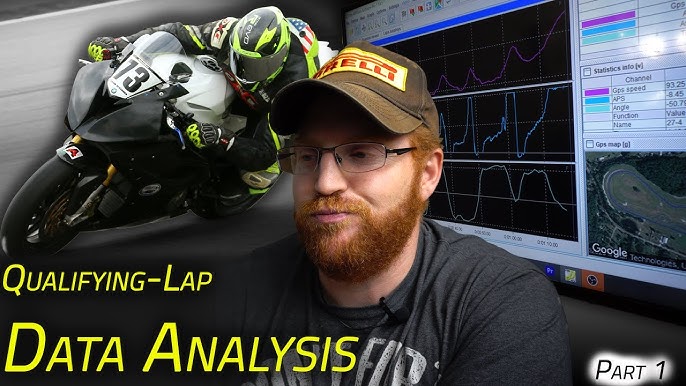
Aprilia's APRC (Aprilia Performance Ride Control) suite on the 2026 RS 660 Extrema now includes an AI coaching mode designed for track day riders. Using lean angle, braking point, and throttle application data, the system compares your lap-by-lap performance and offers post-session analysis with specific, actionable feedback — essentially putting a data engineer in your earpiece without the race team budget.
Challenges and Concerns Worth Acknowledging
It would be irresponsible to celebrate this tech wave without noting the legitimate concerns. Data privacy is real — these systems collect enormous amounts of behavioral and location data, and riders should carefully review what manufacturers collect and how it is stored or shared. Software reliability is another valid worry; the more complex the system, the more potential points of failure, and a software glitch in a suspension controller is not the same as a glitch in your laptop.
There's also the philosophical question of rider autonomy. Some of the most experienced riders in the world argue that AI intervention systems, however well-intentioned, can erode the direct mechanical connection that defines motorcycling's appeal. Manufacturers are largely threading this needle by making the most intrusive features adjustable or defeatable — but it's a tension the industry will need to manage carefully as capability increases.
The Road Ahead
The 2026 model year is not the destination — it's the inflection point. What we're seeing now represents the first generation of motorcycles where AI is genuinely load-bearing, not decorative. By 2028, analysts expect vehicle-to-vehicle communication, over-the-air feature unlocks, and fully predictive chassis control to be mainstream across mid-range and premium segments alike.
For riders, the message is clear: the learning curve is no longer yours alone. Your bike is learning too. The smartest thing you can do is stay curious, engage with these systems thoughtfully, and never stop developing the fundamental skills that no algorithm can replicate.