Why Hi-Vis Gear Still Matters in 2026
Motorcyclists remain disproportionately represented in road fatality statistics year after year. While technology like ABS, traction control, and collision-alert systems have improved enormously, one of the most reliable safety tools available is also one of the oldest: making yourself visible. High-visibility overlayers — whether a simple mesh vest or a fully featured reflective jacket shell — are the easiest, most affordable way to dramatically reduce the chance that a distracted driver simply doesn't see you.
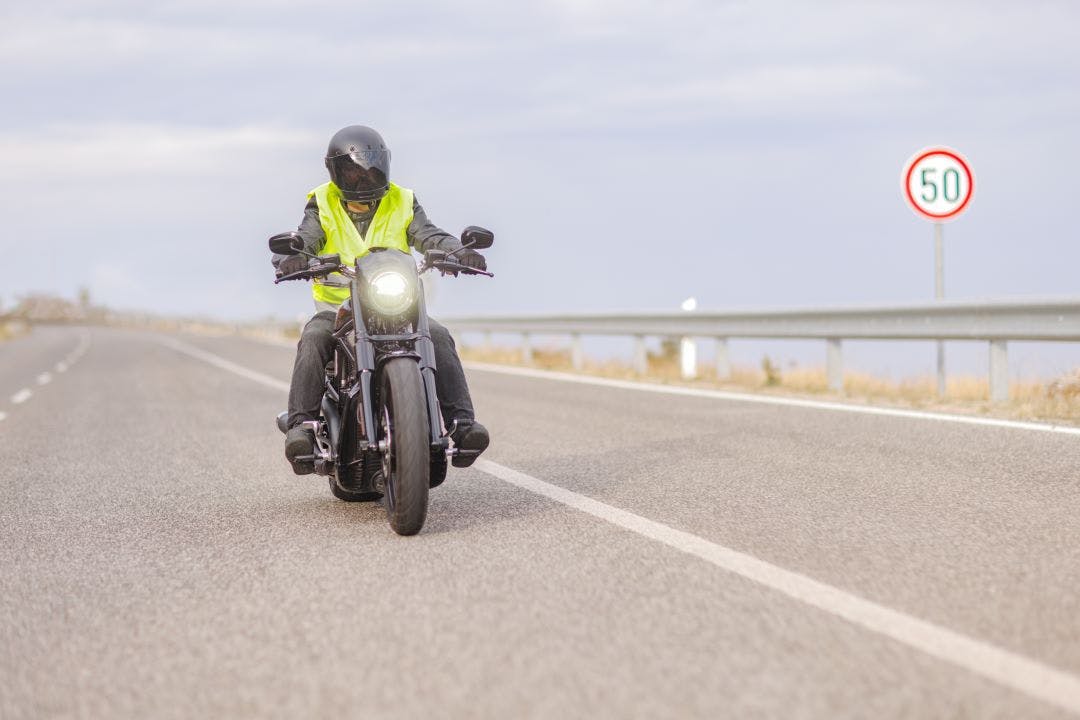
For our 2026 roundup, we tested nine hi-vis and safety vests across a combined total of more than 1,200 miles of riding. Our test conditions included pre-dawn commutes, evening highway stretches, overcast mountain roads, and bright midday sun. We evaluated each product on brightness and reflectivity, fit over different jacket styles, ease of donning and doffing, ventilation, and overall durability. Here's what we found.
What We Were Looking For
Not all hi-vis gear is created equal. The fluorescent yellow-green color that looks so striking in a shop can fade to a muddy, washed-out tone after a few washes or a season in direct sunlight. Reflective tape that dazzles you under a store's LED lights can disappear at 50 mph in rain. We focused on a few key criteria throughout testing.
- Color retention: Does the fluorescent tone hold after washing and UV exposure?
- Reflective tape quality: Is it 3M Scotchlite or equivalent, and how wide is the coverage area?
- Fit versatility: Can it layer over a heavy touring jacket and still be adjustable enough for a summer mesh jacket?
- Ventilation: Mesh panels, perforations, and airflow management on long summer rides.
- Security: Does it stay put at highway speeds, or does it billow and flap?
- Value: Price versus real-world performance and build quality.
The Nine Vests We Tested
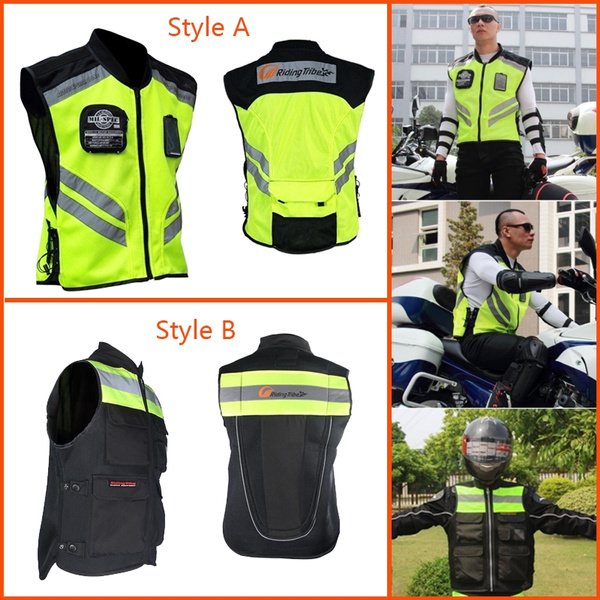
Our test field included products ranging from under $20 to over $120, covering basic pull-over mesh vests, snap-side construction vests, and more structured overlayer jackets with CE-rated back and shoulder panels. We won't name every brand in detail here, but our top picks, standouts, and one notable disappointment are below.
Best Overall: Structured Reflective Overlayer with CE Armor
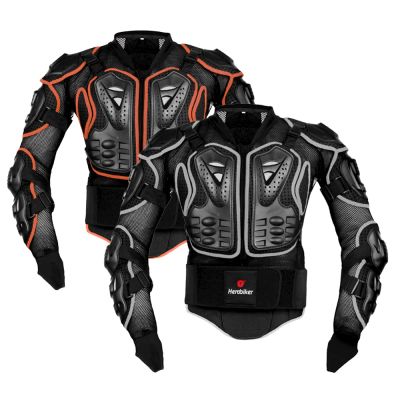
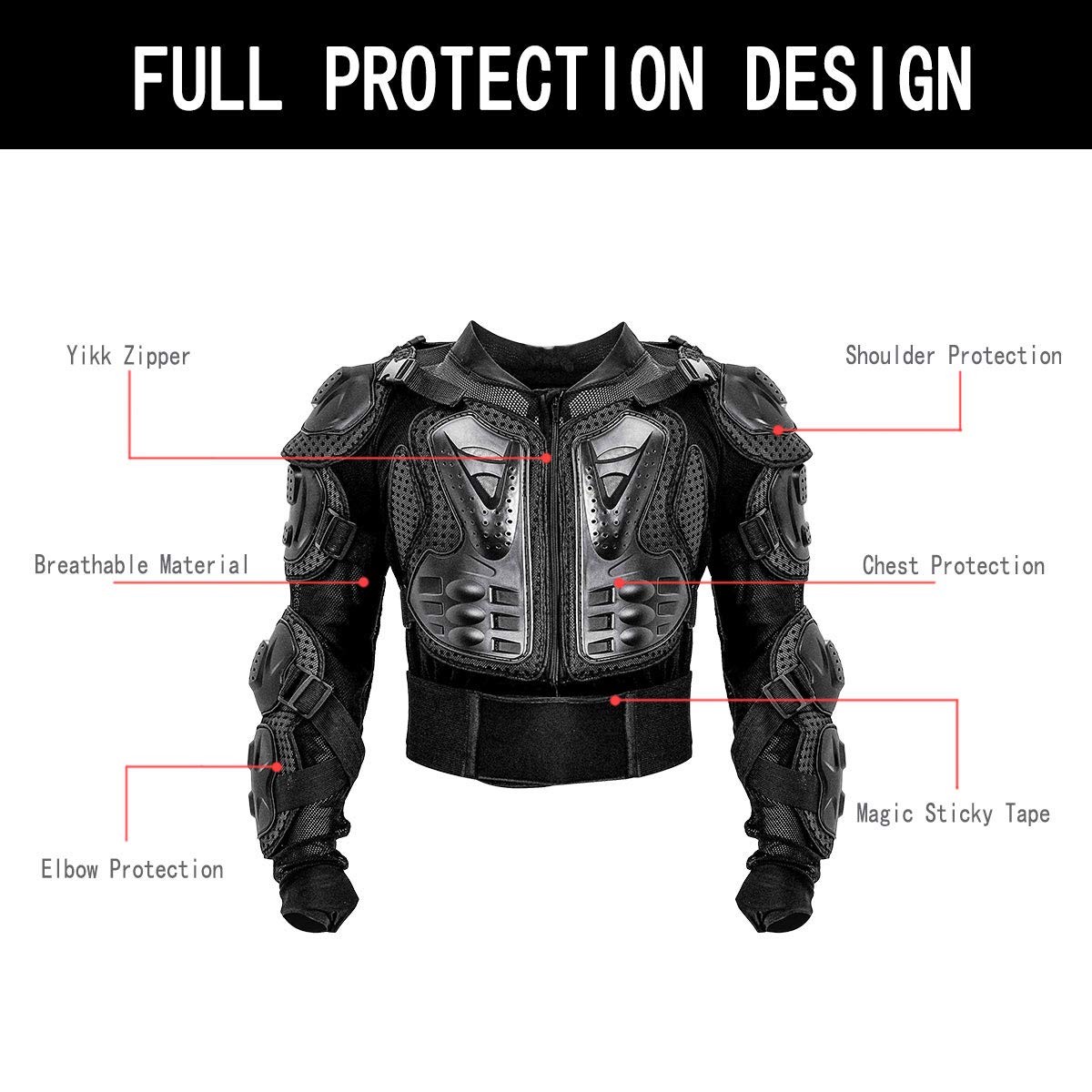
The clear winner of our test was a structured hi-vis overlayer that functions less like a traditional vest and more like a lightweight jacket shell. CE Level 1 shoulder and back armor is integrated without adding significant bulk, and the cut is generous enough to fit over a full touring jacket without bunching. The fluorescent color is vivid even on overcast days, and the 3M Scotchlite reflective panels wrap around the torso and sleeves in a 360-degree pattern. At highway speeds it stayed put, thanks to a cinching waist strap and underarm snaps. The price point is at the higher end of our test field, but for riders who commute in mixed conditions or ride year-round, this is the most complete package we found.
Best Budget Pick: Classic Mesh Pull-Over Vest
You don't need to spend a lot to be significantly more visible. The best of our lower-priced options was a simple mesh pull-over vest in ANSI/ISEA 107 Class 2 fluorescent yellow-green. It's not glamorous, doesn't integrate armor, and has limited adjustability. What it does have is a genuinely bright fluorescent fabric and wide, well-placed reflective tape across the chest and back. It fits easily over almost any jacket, packs down to nearly nothing, and held its color well after multiple wash cycles. If you're a rider who just wants a low-fuss visibility boost for commuting or group rides, this is the honest recommendation.
Best for Touring: Side-Zip Vented Overlayer
For riders who live on the highway, ventilation becomes as important as visibility. Our top touring pick features large mesh side panels, a full front zip, and an extended back hem that covers the lower back even in a tucked riding position. The cut is longer than most vests we tested, and the elastic side adjustment system accommodates both slim and large jacket profiles. Reflective tape quantity is slightly less than our overall winner, but what's there is high quality and strategically placed at arm and torso level for maximum sightline impact.
One to Avoid
One vest in our test group looked impressive on the product page but disappointed significantly in real conditions. The reflective tape — which appeared wide and bright in photos — turned out to be narrow strips of a lower-grade material that washed out at distance in rain. More critically, the vest had no lateral adjustment, meaning it flapped and ballooned at speeds above 50 mph, creating drag and partially obscuring the reflective elements. At its price point, it simply isn't competitive with better options available for less money.
Day vs. Night Performance
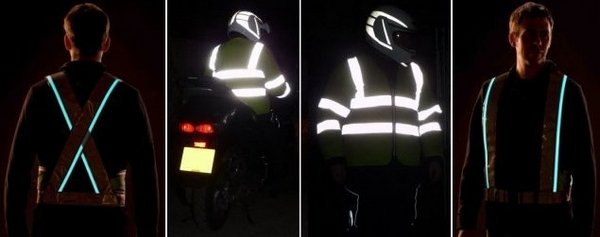
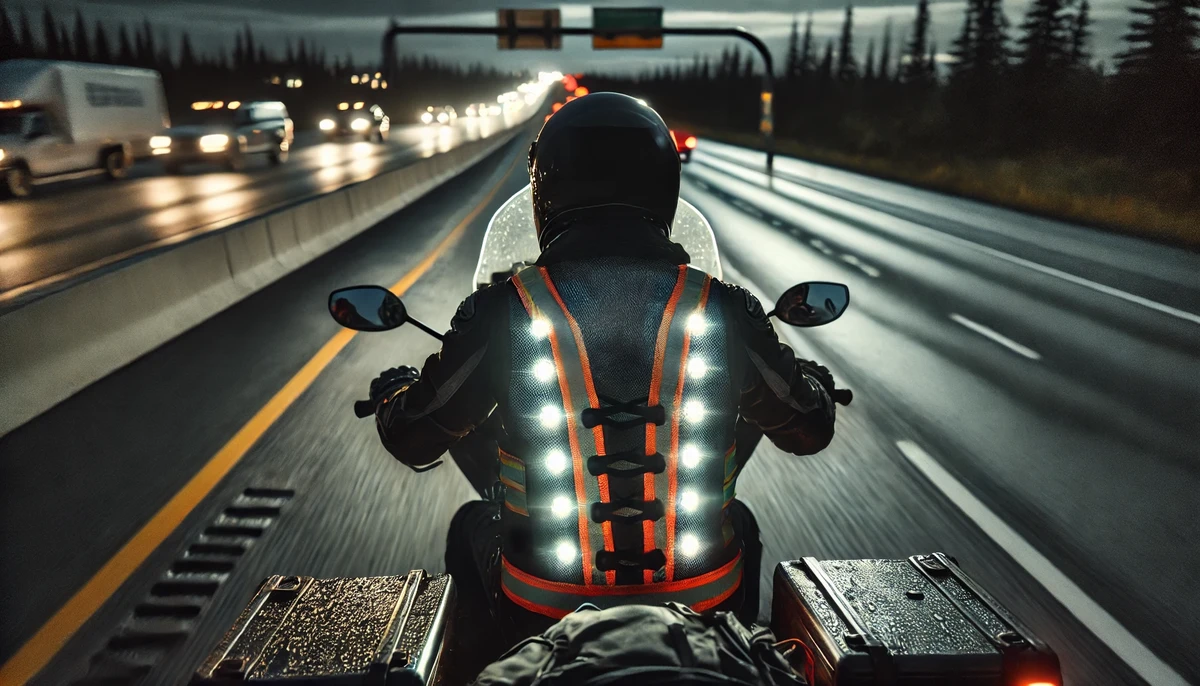
One important takeaway from our testing: a vest's daytime and nighttime performance can differ dramatically. Fluorescent colors are essentially useless in the dark — they rely on ambient light to excite the pigment. At night, you are entirely dependent on reflective elements. Vests with broad, continuous bands of reflective tape dramatically outperformed those with narrow strips or isolated logo-sized patches in our headlight visibility tests conducted from a chase vehicle.
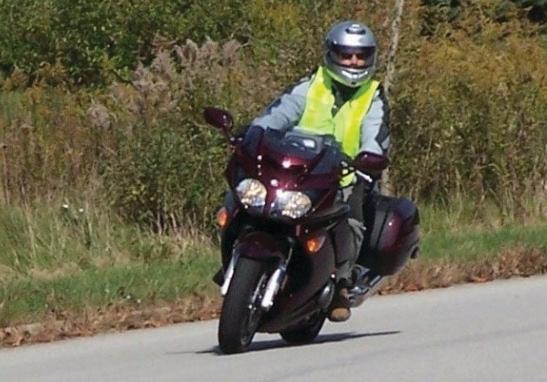
Conversely, in bright midday sun, reflective tape is nearly invisible. That's when fluorescent color does the heavy lifting. The best products in our test combined strong fluorescent material for daytime use with generous, high-quality reflective banding for nighttime — a combination that sounds obvious but is surprisingly rare in cheaper options.
Tips for Getting the Most from Hi-Vis Gear
- Wash hi-vis vests inside-out on a gentle cycle to preserve fluorescent dye longer.
- Store gear away from prolonged direct sunlight when not in use to slow UV degradation.
- Layer hi-vis over the outermost layer of your riding gear so it's never obscured.
- Consider hi-vis gloves or helmet covers to add additional visibility points beyond the torso.
- Replace your vest every two to three seasons if you ride frequently — fluorescent materials do degrade.
Final Thoughts
High-visibility gear won't replace proper riding technique, good protective equipment, or situational awareness. But as a simple, affordable, and immediately effective layer of protection, a quality hi-vis overlayer is one of the smartest things a rider can add to their kit in 2026. The difference between being seen and being overlooked by an inattentive driver can come down to that single fluorescent vest hanging on your garage wall. Wear it. The best options we tested prove that visibility and comfort are no longer mutually exclusive — and that keeping yourself conspicuous on the road has never been easier.