The Case for Smarter Motorcycle Safety
Every year, motorcyclists face a sobering statistical reality: riders are disproportionately represented in road fatality figures compared to car occupants. Despite decades of improvements in helmet technology, leathers, CE-rated armour, and electronic rider aids like ABS and traction control, the fundamental vulnerability of riding a two-wheeled vehicle remains. The human body, even when protected by the best gear money can buy, has clear physical limits when it meets tarmac at speed.
That's why the emergence of airbag technology for motorcycles has generated so much excitement — and external airbags, systems that deploy from the motorcycle itself rather than from a wearable garment, represent perhaps the most ambitious frontier yet. Could they genuinely change the odds for riders involved in serious collisions?
Wearable Airbags: The Foundation Already Laid
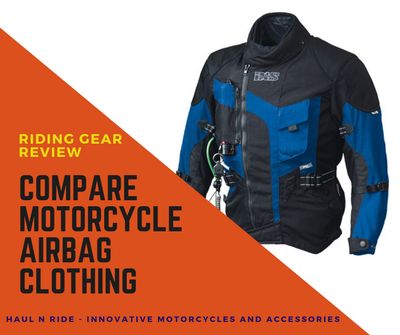
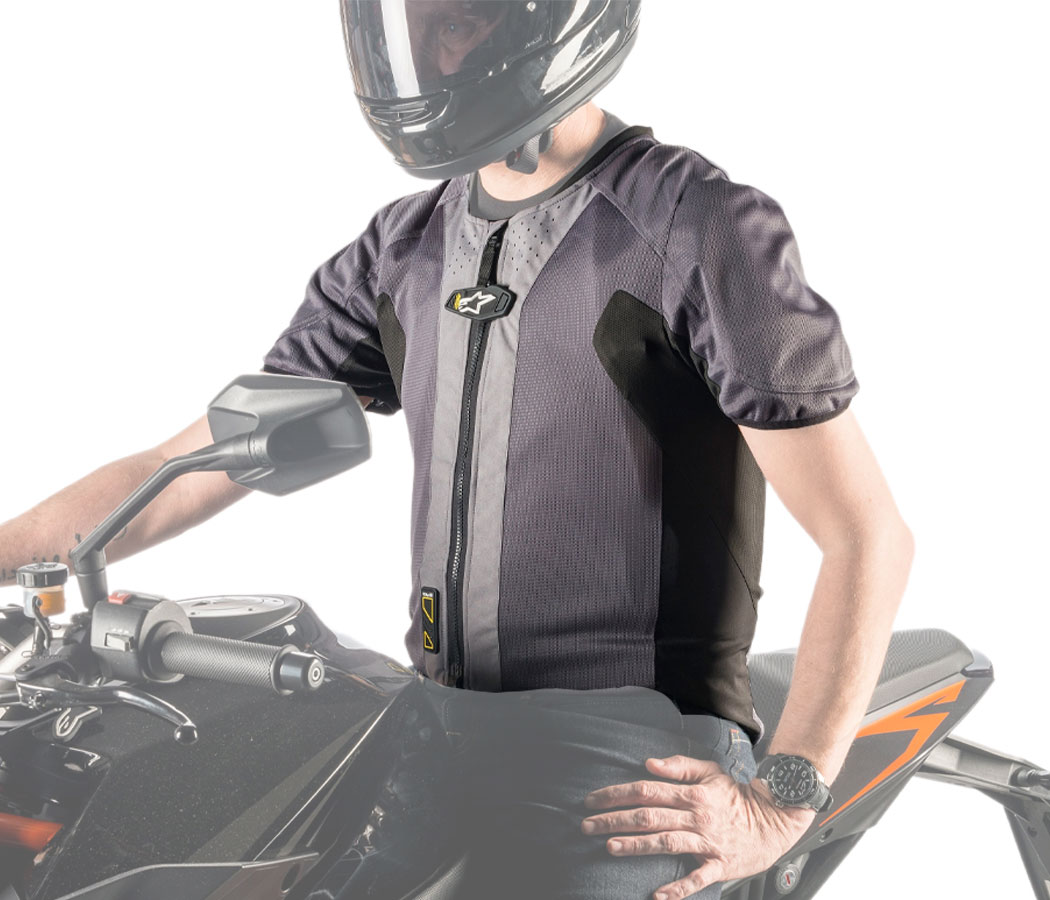
Before diving into bike-mounted external systems, it's worth acknowledging what wearable airbag technology has already achieved. Brands like Alpinestars, Dainese, Helite, and Hit-Air have developed airbag-equipped jackets, vests, and suits that have moved from niche novelty to genuinely mainstream products. The Alpinestars Tech-Air system, for example, uses onboard accelerometers and gyroscopes to detect crash scenarios and inflate a protective bladder around the rider's torso, shoulders, and neck within milliseconds — no tether required.
These systems work. Independent studies and real-world testimonials suggest they meaningfully reduce thoracic injuries and collarbone fractures in many crash types. But they have a critical limitation: they protect only the person wearing them, and only the areas the garment covers. They do nothing to manage the forces acting on the motorcycle itself, or to control how the bike and rider interact during the initial impact phase.
What Are External Motorcycle Airbags?
External airbag systems take a fundamentally different approach. Rather than wrapping the rider in protection, they aim to deploy cushioning structures from the motorcycle itself — effectively creating a buffer zone between the bike and whatever it is about to hit, or between the rider and the road surface during a fall.
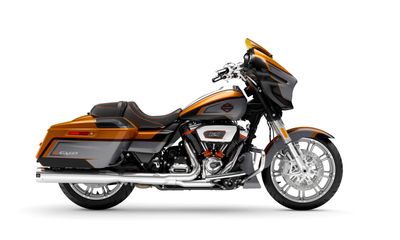
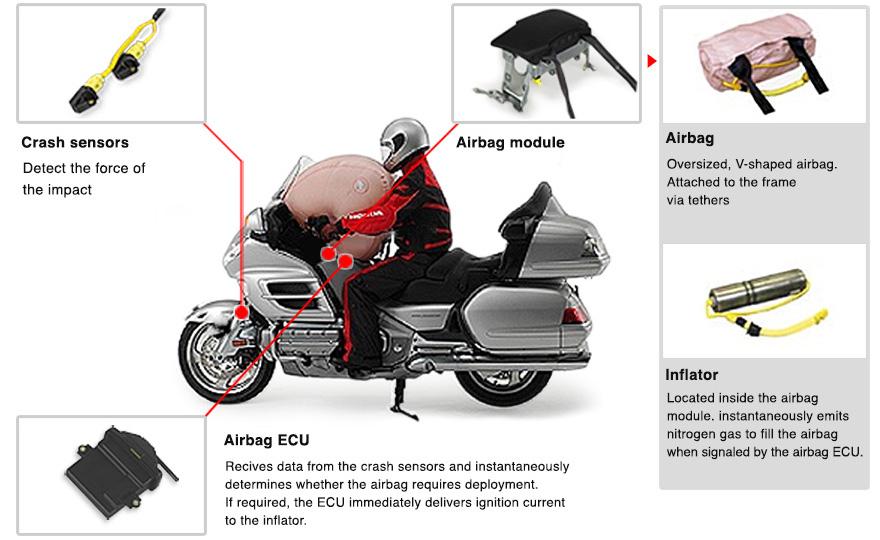
The concept isn't entirely new. Honda became the first manufacturer to fit a production motorcycle with an integrated airbag when it introduced the system on the Gold Wing GL1800 back in 2006. That system was designed specifically for frontal collisions, deploying a bag positioned between the rider and the handlebars/instrument cluster to reduce the risk of the rider being thrown forward over the bars in a front-end impact. It remains, to this day, one of the very few production motorcycles to feature any form of integrated airbag.

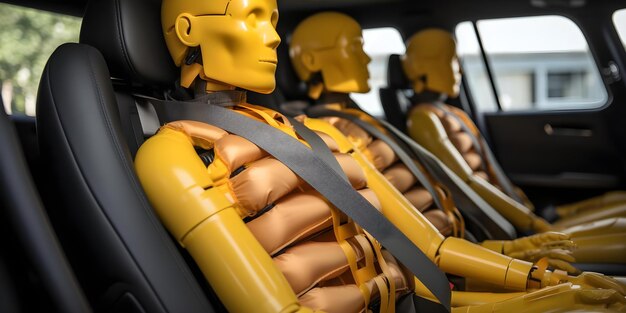
But the next generation of thinking goes considerably further than a single frontal bag. Researchers and safety engineers are now exploring systems that could deploy multiple airbags across different zones of the motorcycle simultaneously — protecting not just against forward ejection but against lateral impacts, lowside slides, and highside throws.
The Technical Challenges Are Enormous
The engineering hurdles facing external motorcycle airbag developers are significant, and understanding them helps explain why the technology has moved slowly despite obvious demand.
- Detection speed: A motorcycle crash can develop and conclude in under 100 milliseconds. Sensor systems must detect the type and severity of an incident and trigger deployment faster than a human can blink, without generating false positives that could cause a bag to deploy mid-corner and cause the very accident it was designed to prevent.
- Deployment geometry: A car airbag deploys in a relatively controlled environment — a rigid cabin with defined occupant positions. A motorcycle offers no such predictability. The rider may already be partially ejected, leaning dramatically, or in any number of body positions when impact occurs.
- Motorcycle dynamics: Any system must account for the wild variation in motorcycle types, riding styles, and crash scenarios. A supersports bike low-siding at a track day presents entirely different parameters to a touring bike struck from the side at a junction.
- Size and weight: Airbag canisters, sensors, and deployment mechanisms add mass and bulk — both of which motorcyclists and manufacturers are extremely reluctant to accept.
- Regulatory frameworks: There are currently no international standards specifically governing external motorcycle airbag systems, creating uncertainty for manufacturers considering major investment.
Who Is Working on This Technology?
Beyond Honda's pioneering but limited Gold Wing application, a number of research programmes and smaller technology companies have been quietly advancing the concept. Academic institutions in Europe and Japan have published studies modelling multi-zone deployment scenarios using crash test dummies and computer simulation. The European MAIDS (Motorcycle Accidents In Depth Study) data set has helped safety researchers identify the most common and most severe crash configurations, giving developers a clearer picture of where protective structures could make the biggest difference.
Several patents have been filed by major OEMs in recent years suggesting that internal R&D programmes are further advanced than public announcements might indicate. BMW Motorrad, always at the forefront of rider safety innovation, has explored integrated systems in research contexts. Bosch, whose Motorcycle Stability Control platform underpins many modern electronic rider aids, has acknowledged interest in sensor fusion technologies that could support airbag deployment logic.
In the aftermarket space, a small number of start-ups have attempted to develop retrofit external systems, though none has yet reached full commercial production with a product offering comprehensive protection rather than a narrow use-case solution.
What Would a Mature System Look Like?
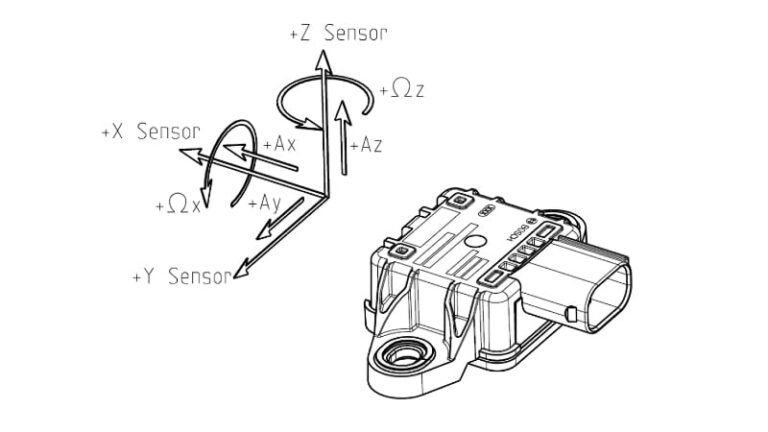
Imagining a fully realised external airbag platform gives a sense of how transformative the technology could be. Picture a system integrating with the motorcycle's existing IMU (Inertial Measurement Unit) and supplementing it with dedicated crash-detection sensors at key points on the chassis. Upon detecting an imminent or occurring collision, the system would deploy differentiated airbag zones — perhaps a forward-facing bag to cushion frontal impacts, lateral bags along the lower fairings or engine guards to absorb side strikes, and a rearward bag to reduce the violence of highside ejection.
Coupled with smart wearable airbags communicating wirelessly with the motorcycle's system, riders could be wrapped in a coordinated protective envelope from multiple directions simultaneously. The combined effect on injury rates, particularly for the thorax, pelvis, and lower limbs — areas where current protection remains weakest — could be profound.
The Road Ahead
External motorcycle airbags are not a product you can walk into a dealership and specify today — with the notable exception of the Honda Gold Wing's limited frontal system. But the trajectory of motorcycle safety technology suggests this gap will not remain forever. As sensor technology becomes cheaper and more powerful, as machine learning improves crash detection algorithms, and as regulatory bodies begin developing frameworks to test and certify such systems, the barriers to commercial deployment are falling.
The motorcycle industry has already shown it can embrace complex electronic safety systems at scale — ABS, once considered an exotic luxury, is now mandatory on new motorcycles across the European Union. Cornering ABS, lean-sensitive traction control, and emergency braking assist have followed. External airbags may well be the next item on that list.
For riders, the message is clear: pay attention to this space. The technology that could dramatically improve your odds of walking away from a serious accident may be closer than you think.