The King Returns: Yamaha Confirms 2027 R1 Revival
After years of speculation, fan petitions, and carefully worded corporate non-answers, Yamaha has finally done it. The Japanese manufacturer officially confirmed today that the YZF-R1 — one of the most celebrated superbikes ever produced — will return for the 2027 model year. With a full unveiling of specifications, global pricing tiers, and a launch timeline now on the table, the motorcycling community has every reason to celebrate. The R1 is back, and by the looks of it, it means business.
The announcement came during a dedicated Yamaha press event streamed globally, where company executives and MotoGP engineers took to the stage to walk through every detail of the new machine. What followed was over two hours of technical deep-dives, design philosophy discussions, and confirmation of numbers that left journalists and fans alike with their jaws on the floor.
A Ground-Up Redesign Built for the Track and the Street
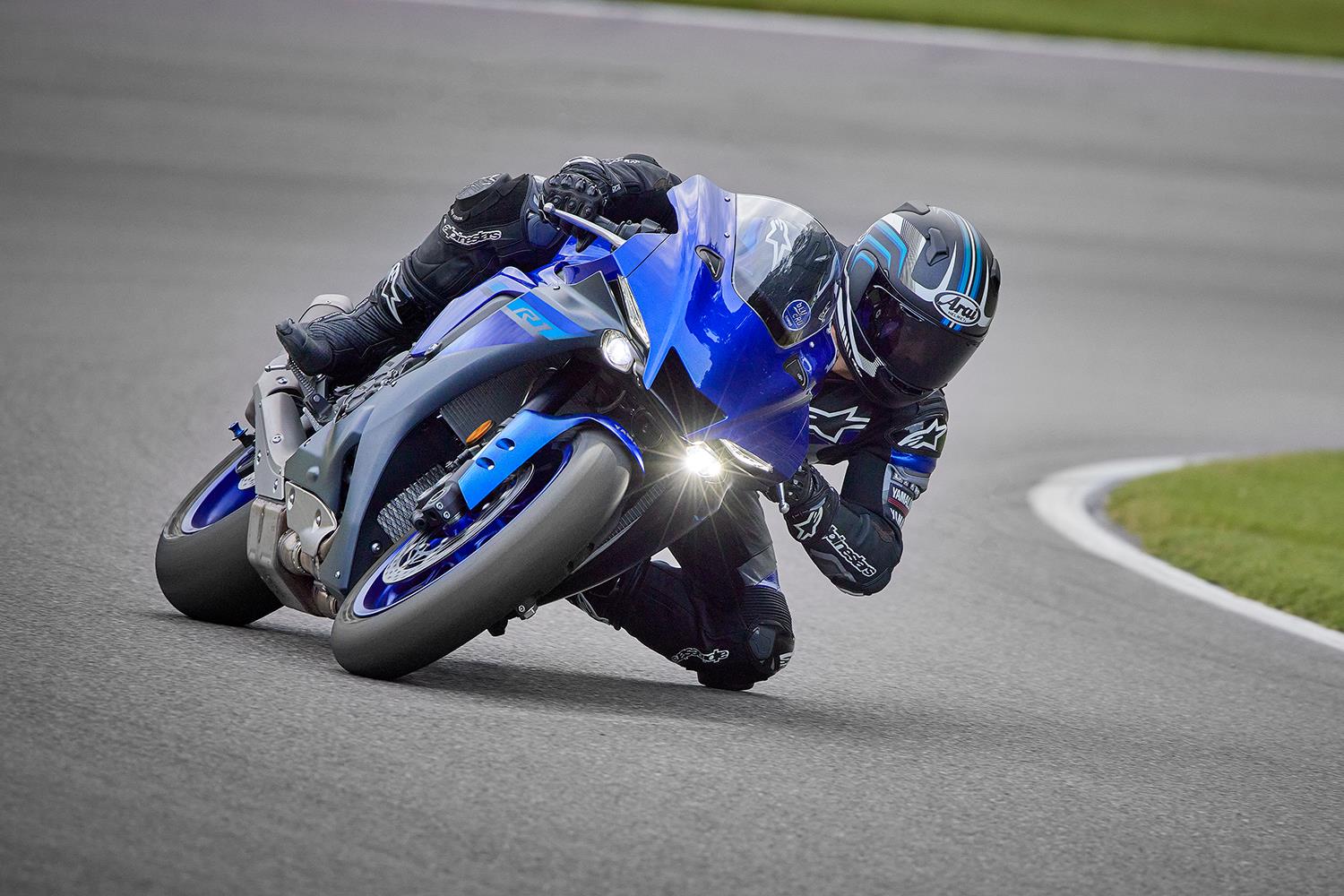
Make no mistake — the 2027 Yamaha R1 is not a refresh or a warmed-over version of the outgoing model. Yamaha's engineering team has described this as a complete ground-up redesign, one that draws heavily from the factory's current MotoGP R1M prototype program while meeting increasingly strict Euro 5+ emissions standards without sacrificing a single horsepower.
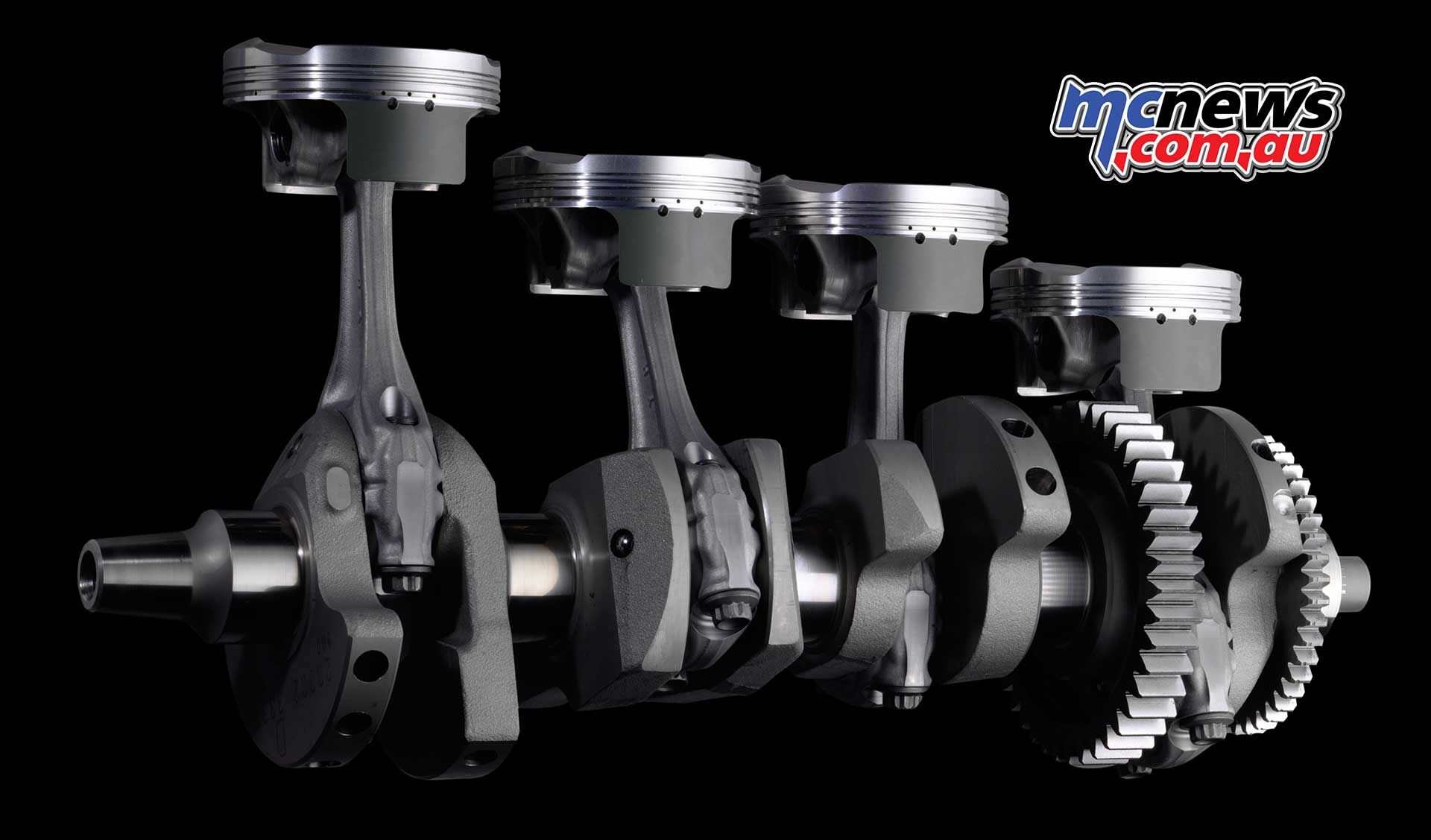
At the heart of the new R1 is an all-new 998cc crossplane inline-four engine, a format Yamaha pioneered and one that has defined the R1's character since 2009. The 2027 unit features revised head geometry, new titanium intake valves, and a revised firing order that Yamaha claims produces an even more linear torque delivery across the entire rev range. Peak power is rated at 210 horsepower at 14,500 rpm — a meaningful step up from the previous generation — while dry weight has been trimmed to 199 kg through extensive use of magnesium engine covers, a new carbon fiber subframe, and a revised aluminum Deltabox chassis.
Full 2027 Yamaha R1 Specifications
- Engine: 998cc crossplane inline-four, DOHC, 20 valves
- Peak Power: 210 hp @ 14,500 rpm
- Peak Torque: 115 Nm @ 11,500 rpm
- Transmission: 6-speed with next-gen bi-directional quickshifter
- Frame: Revised aluminum Deltabox with carbon fiber rear subframe
- Suspension (Front): KYB AOS-II 43mm fully adjustable inverted fork
- Suspension (Rear): KYB fully adjustable monoshock with remote preload
- Brakes (Front): Dual 320mm discs with Brembo Stylema R monoblock calipers
- Brakes (Rear): Single 220mm disc with Brembo caliper
- Dry Weight: 199 kg
- Fuel Capacity: 17 litres
- Seat Height: 855 mm
Electronics Package: MotoGP Technology for the Road
If the engine numbers alone weren't enough to quicken your pulse, the electronics suite on the 2027 R1 will finish the job. Yamaha has developed an all-new 6-axis Inertial Measurement Unit (IMU) that feeds data to a completely redesigned ride-by-wire system, enabling a level of intervention precision that was previously reserved for prototype racing machines.
The package includes a new nine-level traction control system with separate settings for slide angle management, a cornering ABS system with circuit mode that allows riders to dial back intervention to near-zero, launch control, wheelie control, and a fully configurable engine brake management system. Four base riding modes — Street, Sport, Track, and Custom — provide a logical starting point, while the Custom mode allows independent adjustment of every parameter and can be saved across three user profiles.
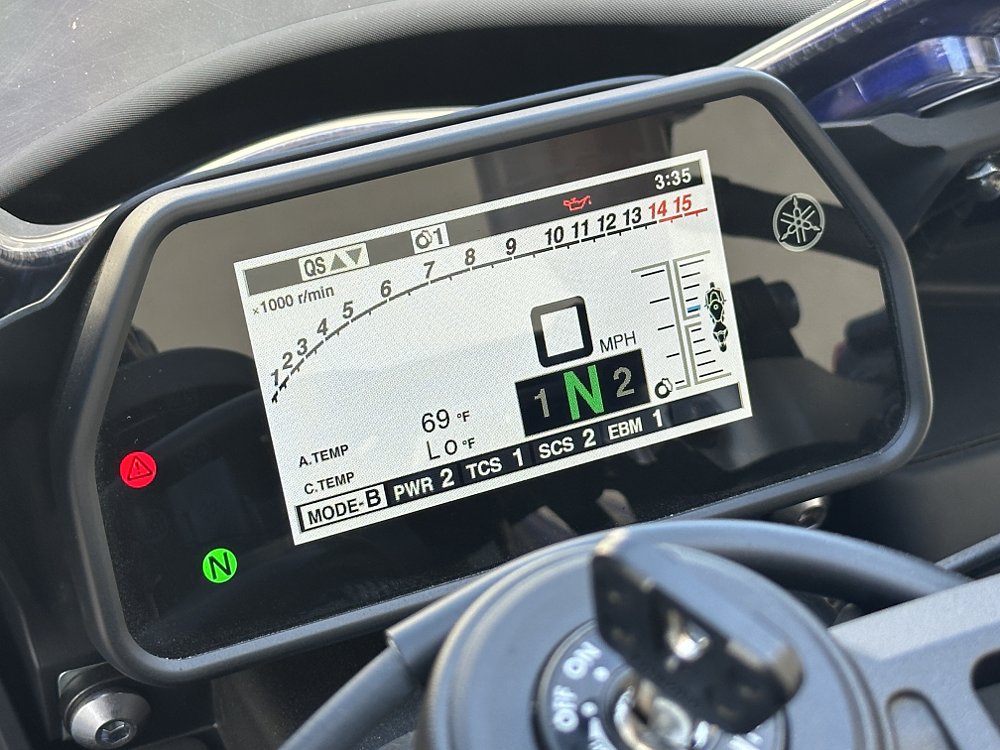
A 7-inch full-colour TFT dash with glove-friendly touchscreen and smartphone connectivity via Yamaha's Y-Connect app rounds out the package, offering real-time telemetry logging, corner-by-corner lap analysis, and over-the-air software updates. Connectivity is the future, and Yamaha clearly knows it.
Design: Familiar Soul, Radical New Shape
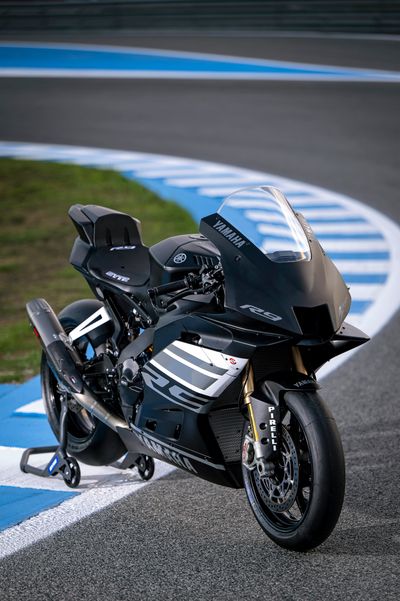
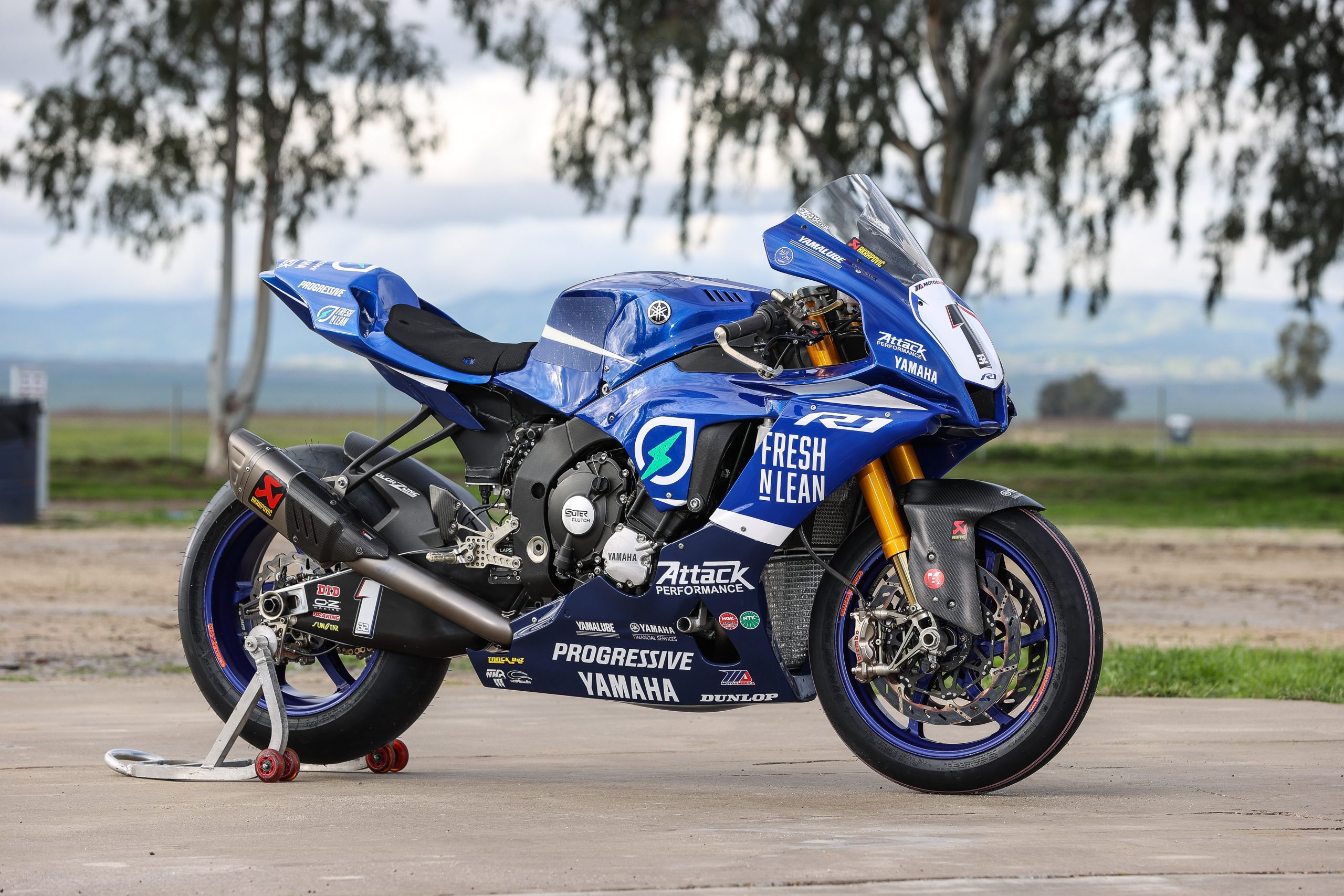
Visually, the 2027 R1 makes a decisive break from recent generations while maintaining the visual DNA that made the nameplate iconic. The headlight unit now houses a stacked LED assembly inspired directly by Yamaha's YZR-M1 MotoGP machine, flanked by aggressive winglets integrated into revised aerodynamic fairings that Yamaha claims reduce lift at 200 km/h by 18 percent compared to the outgoing model.
The tail section is sharper and more compact, the exhaust has been rerouted to a new under-engine muffler layout that centralises mass and clears up the visual line of the rear, and new bodywork color options include the iconic Yamaha Blue with silver accents, a stealth Midnight Black, and a MotoGP Championship livery special edition available in limited numbers at launch.
Pricing and Global Launch Timeline
Yamaha has confirmed a tiered global pricing structure, acknowledging that market conditions vary significantly across its key regions. The standard 2027 Yamaha R1 will carry a recommended retail price of approximately $19,999 USD in North America, £17,499 in the United Kingdom, and €18,999 across key European markets. Australian pricing is confirmed at AUD $29,999 plus on-road costs.
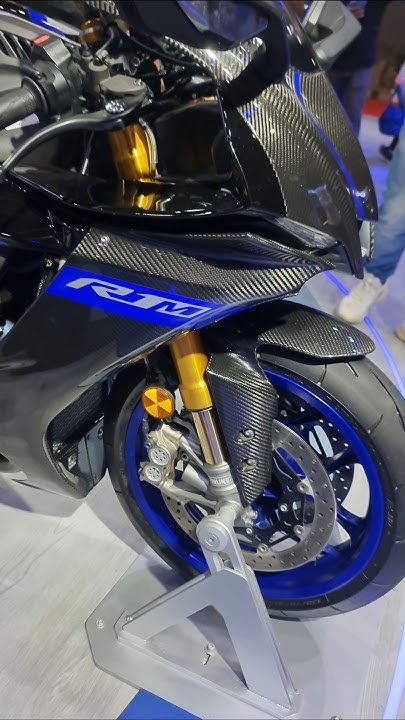
For those wanting the full factory treatment, the flagship 2027 Yamaha R1M will arrive alongside the standard model with Öhlins Electronic Racing Suspension, a carbon fiber front mudguard and screen, an exclusive data logging suite, and an included track day program at select circuits. The R1M carries a premium of approximately $5,000 USD over the standard model depending on region.
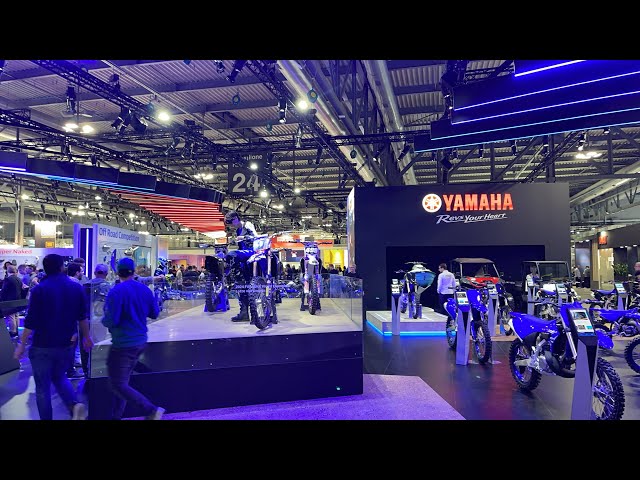
Global deliveries are scheduled to begin in March 2027, with first units arriving in Japan, Europe, and North America simultaneously. Australian and Southeast Asian markets follow in April 2027. Order books are expected to open at authorised Yamaha dealerships worldwide in October 2026, alongside a full static reveal at the EICMA Milan Motorcycle Show.
Why This Matters
The return of the Yamaha R1 is more than just another product announcement — it's a statement of intent from a manufacturer that has never truly abandoned its superbike ambitions, even during the years the model sat dormant. The litrebike segment has evolved dramatically, with rivals like the Ducati Panigale V4, BMW M 1000 RR, and Kawasaki Ninja ZX-10RR pushing the boundaries of what a road-legal machine can achieve. Yamaha clearly studied the competition carefully, and the 2027 R1 looks purpose-built to compete at the very top of that hierarchy.
For the riders who grew up chasing each other through canyon roads on R1s in the early 2000s, and for the new generation who know the nameplate only by legend, 2027 can't come soon enough. The crossplane is singing again — and it sounds glorious.