Can a Budget Intercom Really Cut It on the Road?
Rider-to-rider communication has come a long way since the days of hand signals and hope. Premium intercoms from the likes of Sena and Cardo can set you back £300–£500 or more, which is a serious investment for riders who simply want to chat with a pillion or a riding buddy without emptying their wallet. Enter the Y30A, a budget intercom that takes a different — and rather clever — approach to the problem: instead of relying on direct Bluetooth mesh networking between helmets, it uses your smartphone's mobile data connection to bridge the gap.
The concept is simple. Pair the Y30A to your phone via Bluetooth, fire up a free intercom or conference call app, and you can, in theory, talk to anyone — whether they're riding next to you or 300 miles away. It's a compelling pitch for the budget-conscious rider. But does it actually work? We spent several weeks testing the Y30A across commutes, weekend blasts, and longer touring days to find out.
What's in the Box?
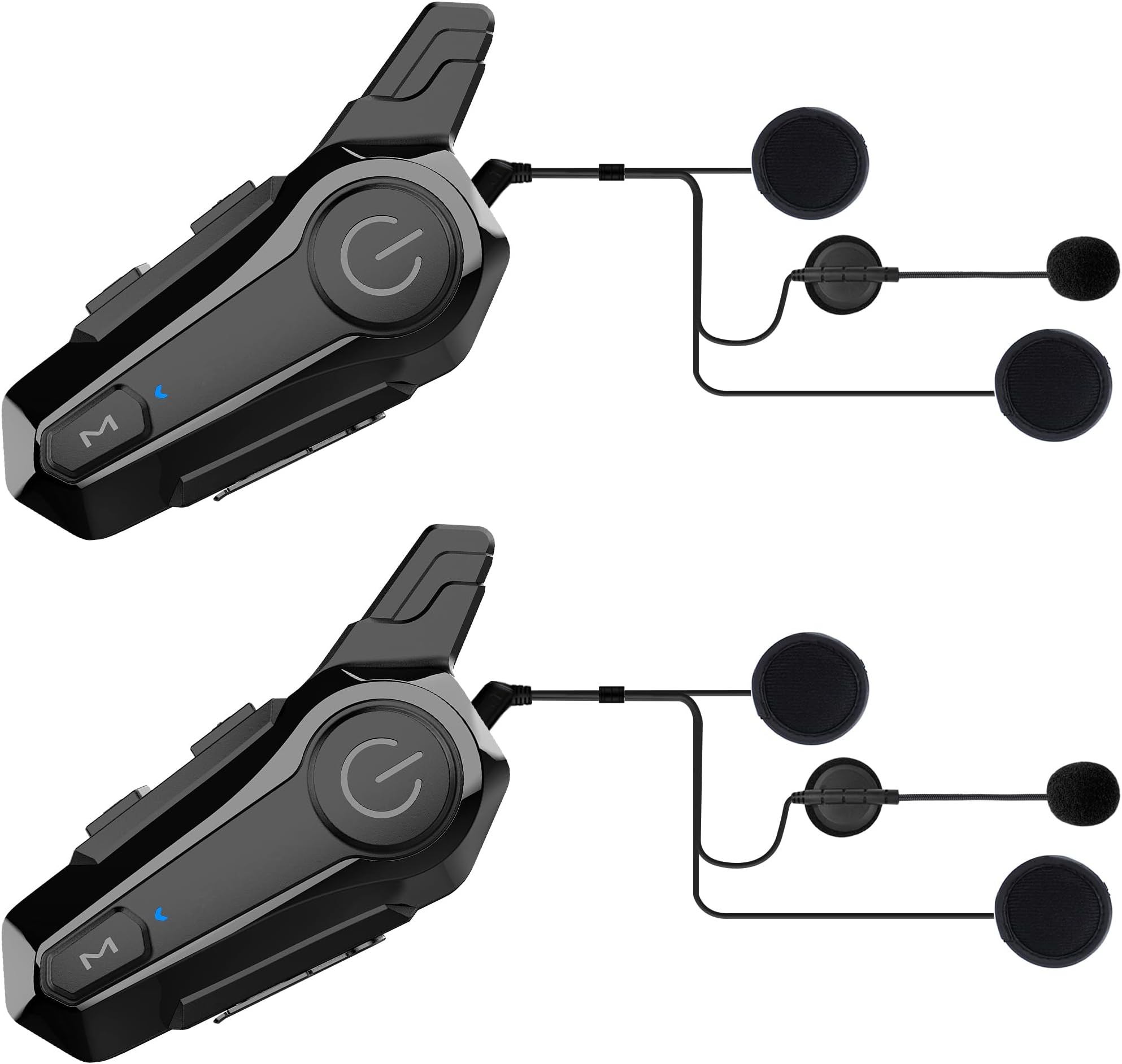
Unboxing the Y30A gives you a decent first impression for the price point. Inside the packaging you'll find the intercom unit itself, a universal helmet mounting kit with both clamp and adhesive base plate options, a micro-USB charging cable, a set of thin speakers with 3.5mm jack, a boom microphone, and a flat wired microphone for full-face helmets. The manual is brief but functional, and setup is genuinely straightforward.
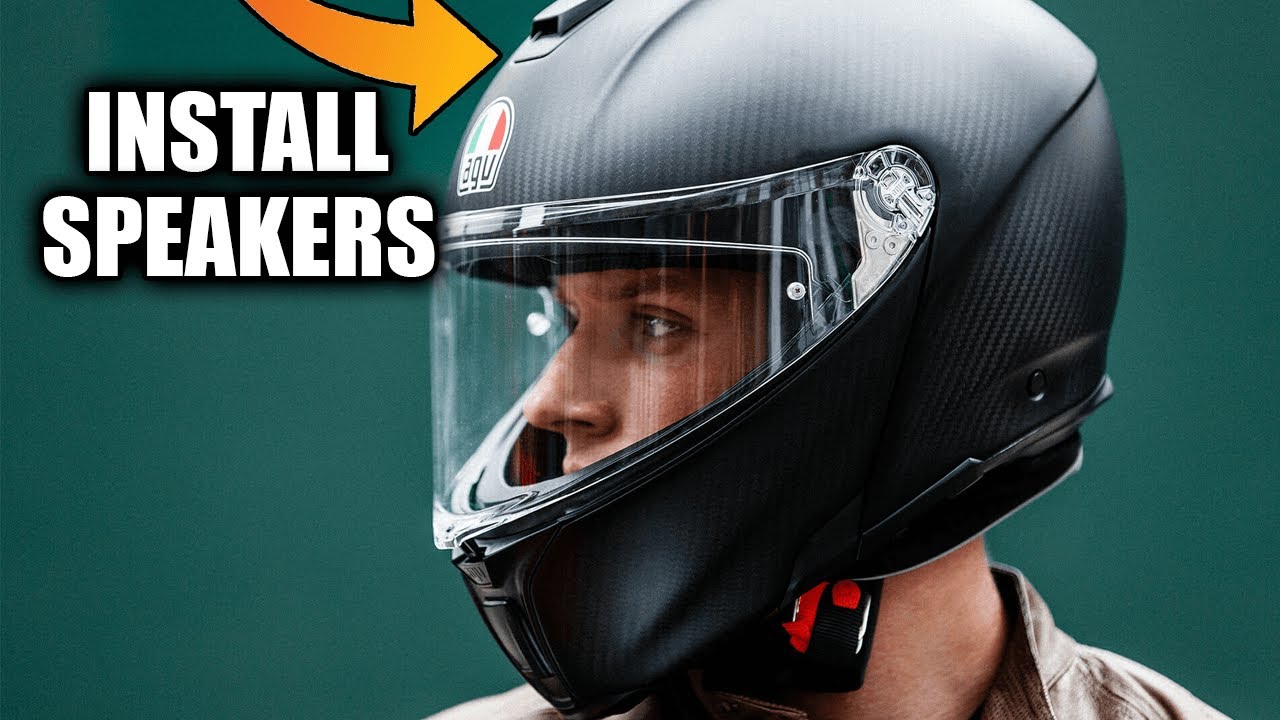
Build quality, as you'd expect at this price, is middling. The plastic housing feels lightweight — not premium, but not fragile either. The buttons are tactile enough to use with gloves on, which is an important practical consideration. The unit clips onto your helmet visor area or top vent using the supplied mount, and it sits flush enough not to be a serious aerodynamic nuisance at speed.

How the Mobile Data System Works
This is the Y30A's defining feature and the reason it exists at this price. Traditional intercoms use Bluetooth to talk directly between two helmet units, which limits range (typically 500m to 1.5km depending on the model) and requires both riders to own matching — or at least compatible — hardware. The Y30A sidesteps this entirely.

Here's how it works in practice:
- Both riders install a free app on their smartphones — popular options include Zello, Clubhouse, or simply a standard phone call or WhatsApp call.
- Each rider pairs their Y30A unit to their own smartphone via Bluetooth.
- A call or channel is opened on the app, and audio routes through the Y30A speakers and microphone.
- Communication relies on each rider having an active mobile data or cellular signal.
The upside is enormous range — as long as you both have signal, you can communicate. The downside is equally significant: no signal, no comms. In urban riding and on major routes this is rarely an issue, but take a remote mountain pass or venture into rural valleys and things can get patchy.
Audio Quality and Real-World Performance
At walking pace and in urban stop-start traffic, the Y30A performs surprisingly well. Voice clarity through the speakers is acceptable, and the boom microphone does a decent job of picking up your voice without too much background noise leaking in. Wind noise suppression is where budget starts to show, however. Above around 50–60 mph, road and wind noise begin to creep into the conversation noticeably, particularly for the person listening rather than speaking.
We tested it on a motorway cruise at 70 mph and found that while communication was still possible, the listener needed to concentrate and the speaker needed to speak clearly and deliberately. Compare this to a premium Sena or Cardo unit, which manages near-crystal-clear audio even at high speeds, and the gap becomes apparent. For urban riders, commuters, and those who ride mostly at lower speeds, however, the Y30A is genuinely functional.
Speaker volume is adequate but not impressive. In a quiet helmet at low speeds it's fine; on a noisy, open-face helmet at speed you'll be straining to hear. If you upgrade to aftermarket helmet speakers — a cheap and easy modification — the experience improves noticeably.
Battery Life and Charging
Battery life is quoted at around 8–10 hours of talk time, and our testing broadly confirmed this. For most day rides and commutes this is more than sufficient. The unit charges via micro-USB (not USB-C, which feels dated in 2024), and a full charge takes approximately two hours. A standby indicator light lets you know when it's powered on and paired, though it's not always easy to see in bright sunlight.
App Compatibility and Setup
The Y30A works with virtually any Bluetooth audio app on Android or iOS, since it simply acts as a Bluetooth headset. We found Zello to be the most reliable option for dedicated intercom-style use, offering a push-to-talk walkie-talkie feel that works well for group rides. Standard phone calls via your regular carrier also work perfectly if you just need rider-to-pillion communication.
Pairing the unit to a smartphone takes about 60 seconds the first time and reconnects automatically on subsequent uses. Switching between music playback and calls is handled by the phone's own audio routing, which is seamless on most modern handsets.
Who Is the Y30A Actually For?
Honest answer: the Y30A is not for everyone, and that's fine. It occupies a very specific niche that it fills reasonably well.
- Commuters and urban riders who want to take calls hands-free or chat with a pillion on daily rides will find it a cost-effective solution.
- Occasional riders who don't want to spend premium intercom money but still want basic communication will get solid value.
- Budget touring riders on routes with reliable mobile coverage can use it for long-distance group communication far beyond Bluetooth range.
- New riders who want to test whether they'll actually use intercom before committing to a flagship system.
It is not ideal for off-road or adventure riders heading into signal dead zones, riders who frequently cruise at motorway speeds for extended periods, or anyone who needs consistent, reliable audio quality in all conditions.
Value Verdict
The Y30A typically retails for between £20 and £40 depending on where you buy it, and at that price it is genuinely hard to argue with as a starter or secondary intercom. It does what it promises: it gets audio from your phone's calls and apps into your helmet, and it picks up your voice to send back. The mobile data dependency is simultaneously its greatest strength (unlimited range) and its Achilles heel (coverage dependent).
If you go in with realistic expectations — this is a budget tool, not a Cardo Packtalk — you'll likely be pleasantly surprised. For the right rider, in the right context, the Y30A delivers real, usable value at a price that almost anyone can justify.