Three Bikes, One Road, No Mercy
The retro-modern middleweight segment has never been more competitive, and for 2026, three machines stand out as the definitive contenders for the everyday street rider who wants style without sacrificing substance. The Honda CB750 Hornet, Kawasaki Z650RS, and Yamaha XSR700 each bring a distinct personality to the table, and we spent a full week riding all three back-to-back across city streets, sweeping A-roads, and the occasional canyon run to find out which one earns the crown.
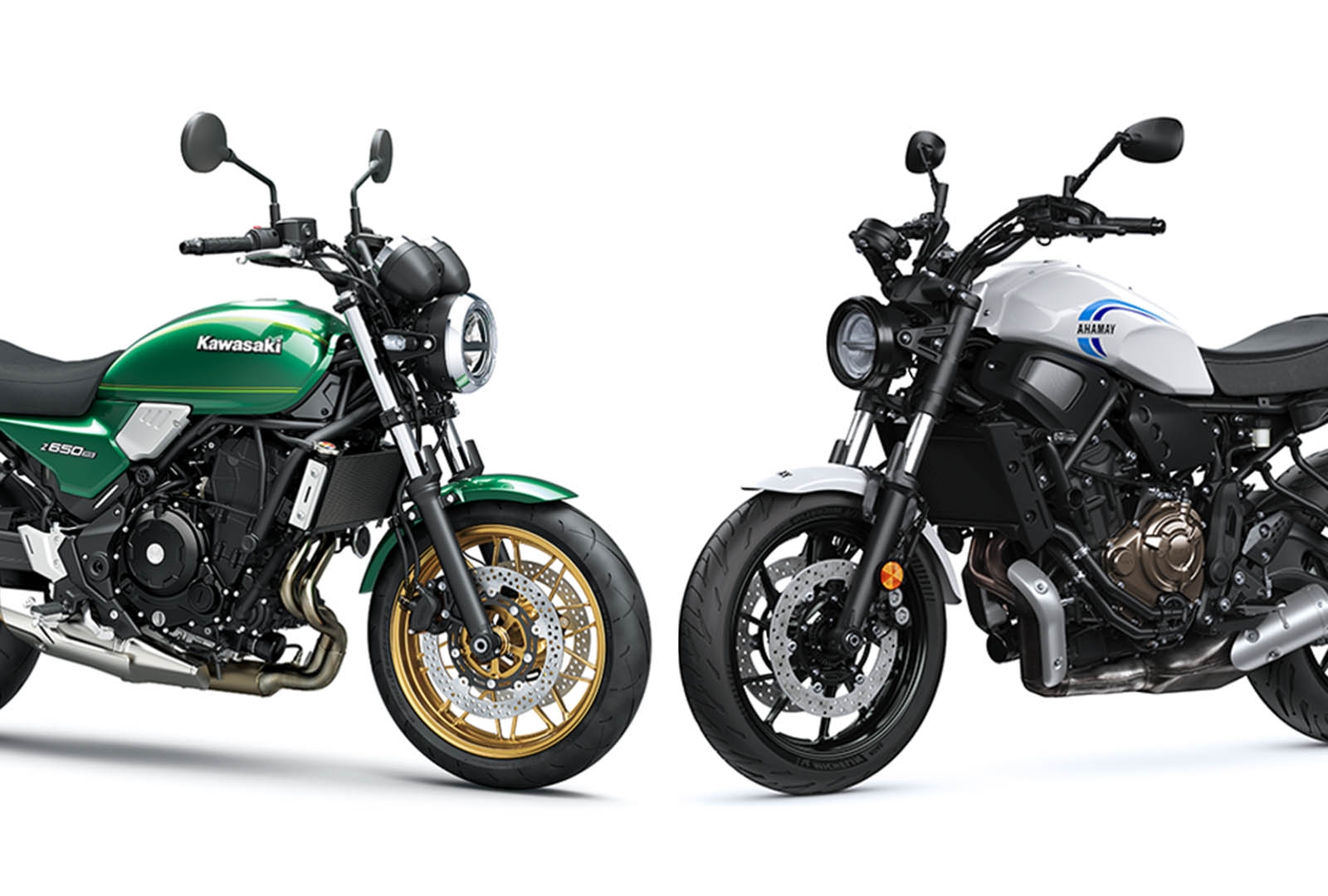
These aren't track weapons or long-haul tourers. They're the bikes you actually ride every day — to work, to the coffee shop, on a Sunday blast. Which one does that job best? Let's find out.
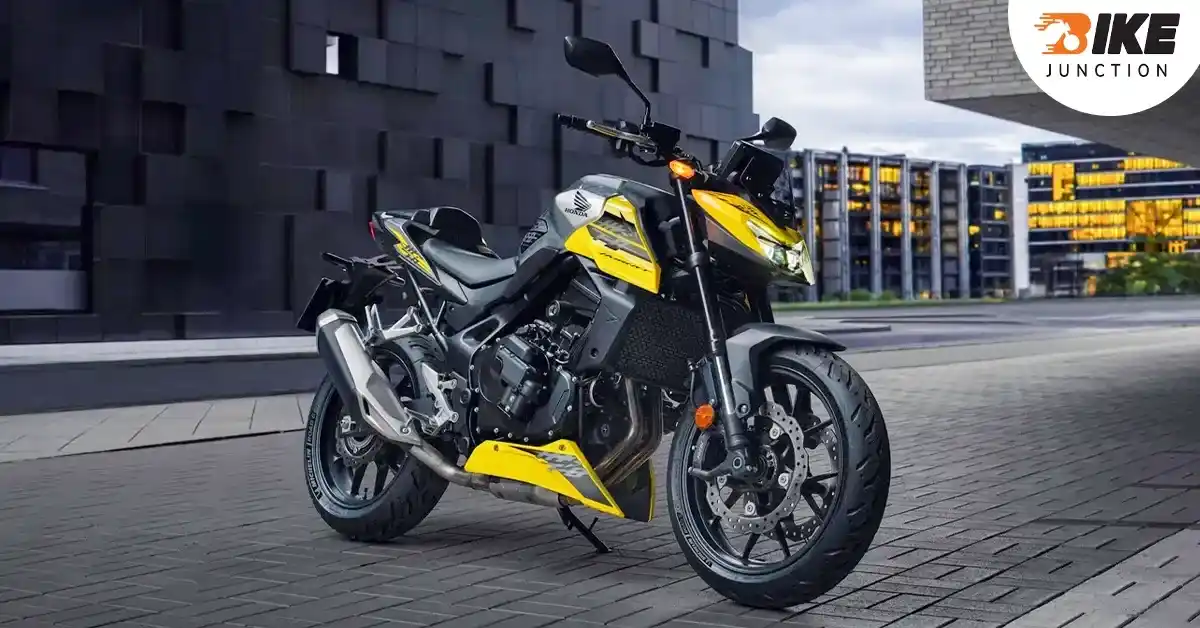
Honda CB750 Hornet: The Mature All-Rounder
Honda's CB750 Hornet arrives for 2026 with minor refinements to its suspension tuning and a revised instrument cluster that finally brings Apple CarPlay connectivity via Bluetooth. Underneath the neo-retro bodywork sits a 755cc parallel-twin producing 92 horsepower — the most powerful engine in this test. Honda pairs it with a six-speed gearbox and a slipper-assist clutch that makes light work of urban traffic.
On the road, the Hornet feels planted and confidence-inspiring in a way that only Honda seems able to achieve. The riding position is upright and neutral, accessible for a wide range of rider heights, and the seat — while firm — remains comfortable well past the two-hour mark. The electronics package is class-leading: five riding modes, three-level traction control, wheelie control, and Honda Selectable Torque Control all come standard. It's the kind of sophistication you'd expect on a bike costing twice as much.
Where the Hornet stumbles slightly is in character. It's almost too competent, too composed. Compared to its rivals, it feels slightly anonymous — a brilliant tool that occasionally forgets to be exciting. The mid-range pulls strongly, but the engine note is muted, and you're left wishing Honda had let a little more personality leak through. That said, for riders who prioritize real-world usability above all else, the Hornet is a genuinely hard bike to fault.
Kawasaki Z650RS: The Style Icon That Learned New Tricks
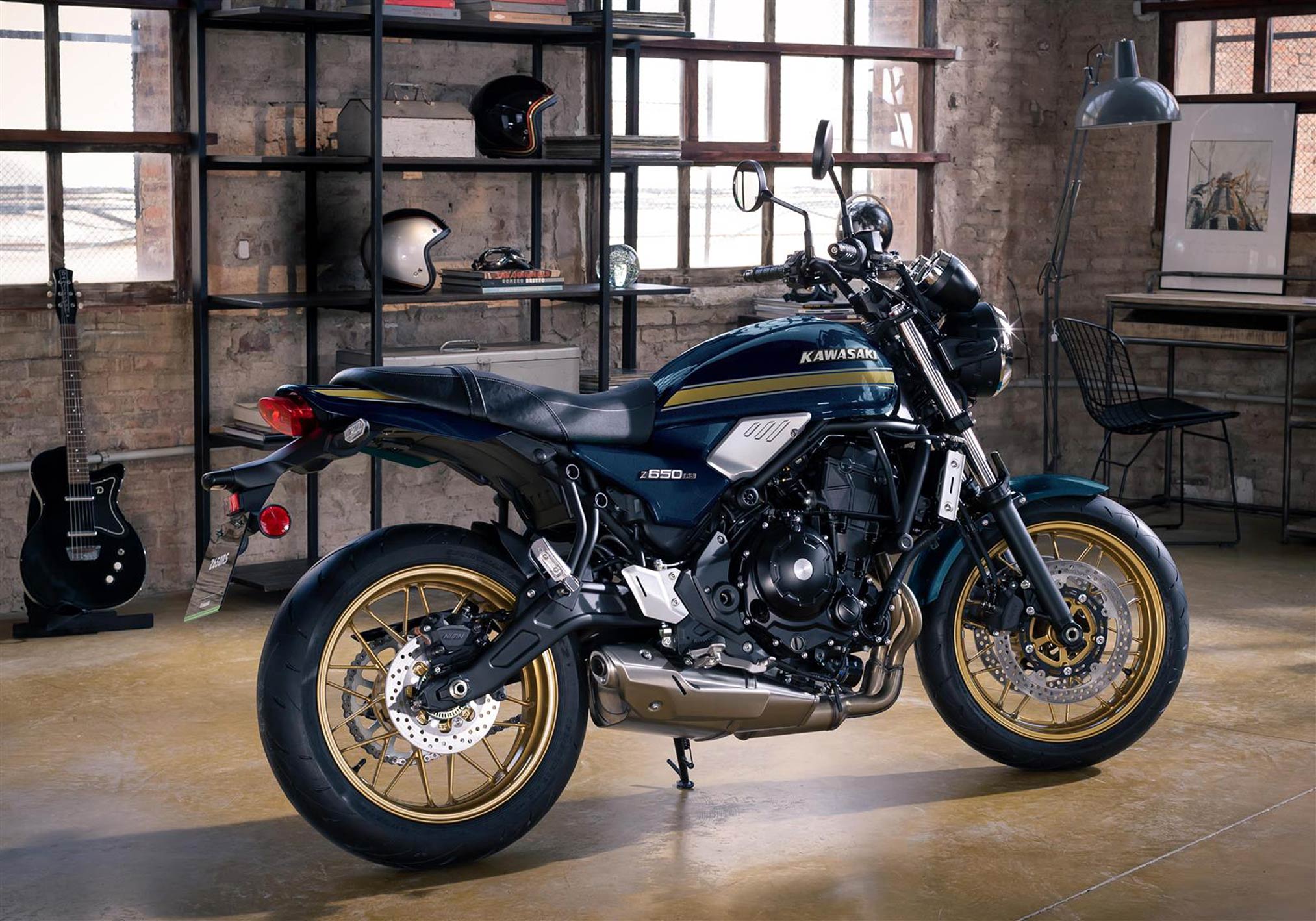
The Kawasaki Z650RS has always been the looker of the bunch, and for 2026, Kawasaki has done something smart: they've updated the suspension and added a quickshifter to the standard spec without touching the retro styling that made it a street sensation. The 649cc parallel-twin now produces 67 horsepower — modest by comparison — but that number tells only part of the story.
Ride the Z650RS for ten minutes and you'll understand its cult following. The engine is punchy and characterful in the low-to-mid rev range, making it feel faster than the spec sheet suggests. The quickshifter is smooth and addictive, and combined with the lightweight 187kg wet weight, the Z650RS hustles through traffic with an agility that the heavier Hornet simply cannot match. Kawasaki has always known how to make a motorcycle feel alive, and the Z650RS is proof of that philosophy.
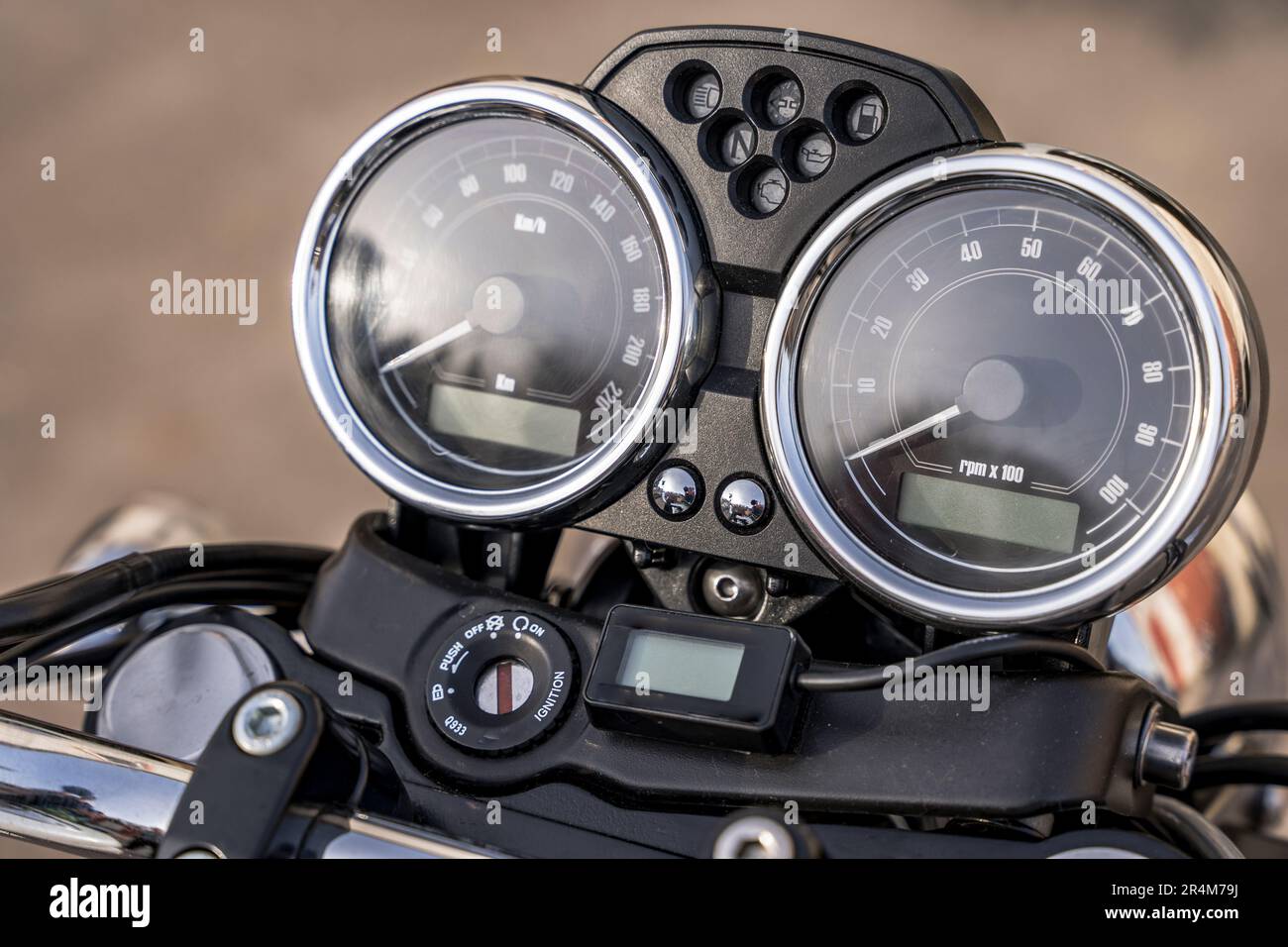
The retro-inspired round headlight, teardrop tank, and twin-pod instrument cluster are among the most visually cohesive designs in the segment. Kawasaki has also expanded the color palette for 2026, adding a gorgeous Metallic Moody Gray that looks stunning in natural light. The riding position is slightly more aggressive than the Hornet's, with a subtle forward lean that makes the Z650RS feel sporty without punishing your wrists on longer rides.
The trade-off is a more limited electronics suite — traction control is present but not adjustable, and there's no riding mode selection. For experienced riders in dry climates, this is a non-issue. For newer riders or those in unpredictable weather, it's worth noting.
Yamaha XSR700: The Driver's Bike
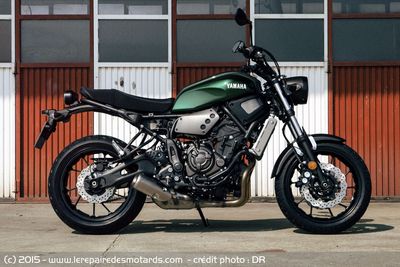
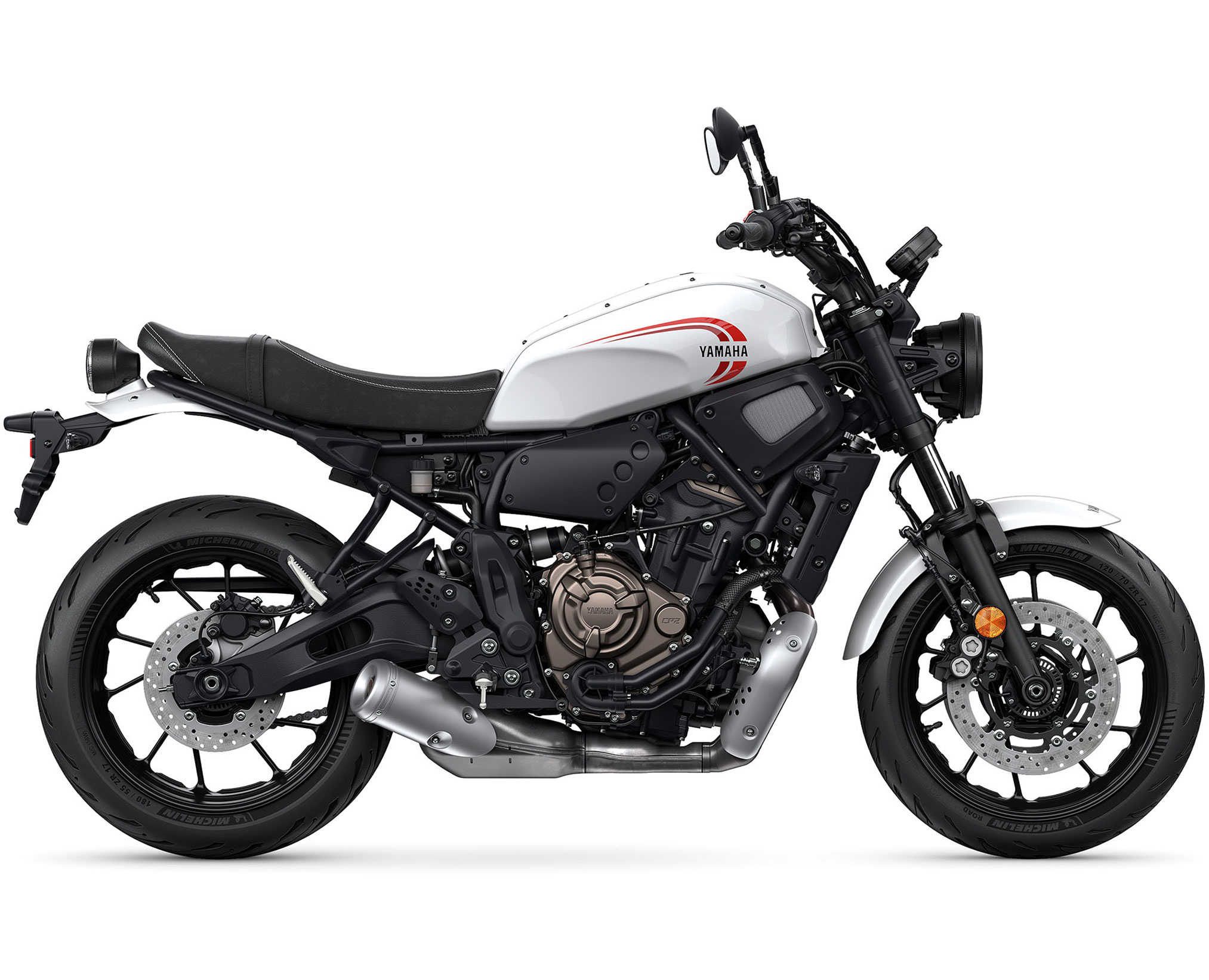
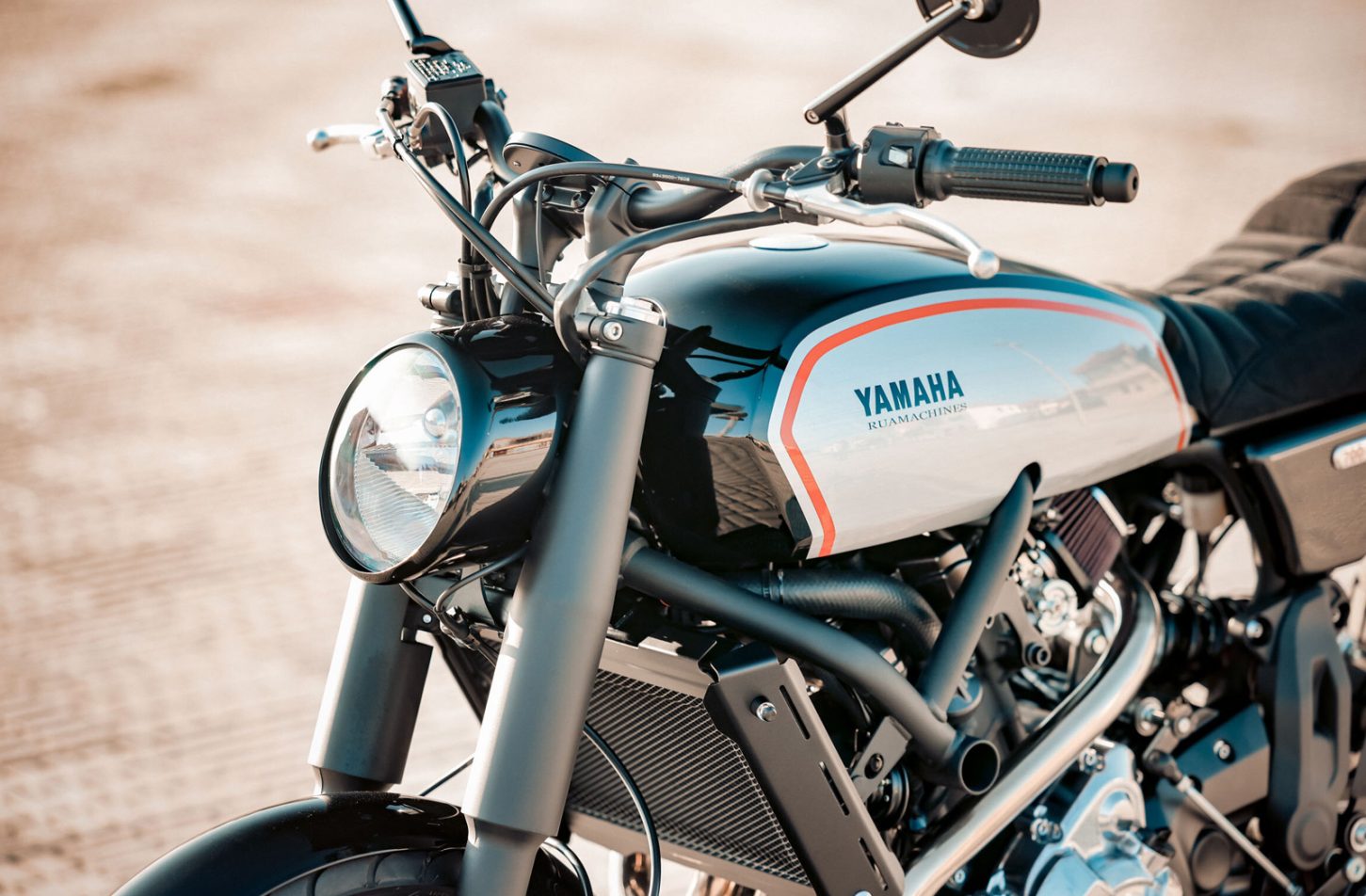
If the Hornet is the sensible choice and the Z650RS is the style choice, the Yamaha XSR700 is unambiguously the enthusiast's choice. Yamaha's 689cc CP2 parallel-twin engine — the same crossplane-concept unit found in the MT-07 — is simply the most exciting motor in this test. It pulls hard, sounds genuinely great, and has a crossplane character that creates a surge of torque between 5,000 and 8,000rpm that makes every throttle input feel rewarding.
For 2026, Yamaha has fitted the XSR700 with revised Kayaba suspension that addresses one of the previous model's few criticisms: a slightly choppy ride over broken tarmac. The update works — the XSR700 now absorbs road imperfections with more composure while maintaining the sharp, communicative handling that makes it so entertaining on a twisting road. Clip-on-style bars position you in a slightly more committed riding stance, and at 186kg wet, it's the lightest bike in this group.
The electronics are minimal — two riding modes and traction control — but the XSR700 is a bike that rewards rider skill rather than processor intervention. The Yamaha's retro aesthetic borrows heavily from the 1970s XS650 lineage, with a round headlight, horizontal engine fins, and a café-racer-influenced tail unit that turns heads wherever it goes.
Head-to-Head: What the Numbers Say
- Honda CB750 Hornet: 92hp, 755cc, ~200kg wet, 5 riding modes, TFT display with connectivity
- Kawasaki Z650RS: 67hp, 649cc, ~187kg wet, 2 riding modes, standard quickshifter (2026)
- Yamaha XSR700: 73hp, 689cc, ~186kg wet, 2 riding modes, CP2 crossplane engine
So, Which One Should You Buy?
If you want the most complete package — the one that does everything competently, handles all weather and all roads, and will never embarrass you in any situation — buy the Honda CB750 Hornet. It's the most sophisticated, most powerful, and most versatile bike in this test. Newer riders and those who clock serious daily miles will appreciate everything it offers.
If aesthetics and lightweight agility matter most to you, and you find the idea of a connected TFT dashboard slightly soulless, the Kawasaki Z650RS will make you smile every single time you walk toward it. The 2026 additions of the quickshifter and revised suspension make it better value than ever.
But our overall winner — by a narrow but decisive margin — is the Yamaha XSR700. It's the bike that made us look for excuses to go for another ride. The CP2 engine is intoxicating, the handling is sharp and satisfying, and the retro styling is beautifully executed without feeling like a costume. It costs less than the Hornet, weighs less than both rivals, and delivers more sheer riding joy per mile than anything else in this class. In a segment full of excellent motorcycles, the XSR700 is the one with a heartbeat.
Verdict
Best All-Rounder: Honda CB750 Hornet | Best Style & Lightness: Kawasaki Z650RS | Best Overall Ride: Yamaha XSR700 ⭐ Editor's Pick