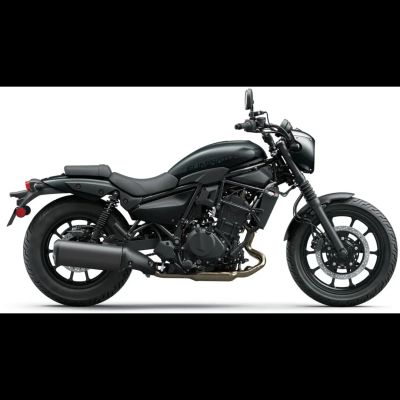
Three of the Best Beginner Sport Bikes, One Clear Decision
The beginner sport bike segment has never been stronger. Manufacturers know that new riders are discerning customers who want real performance, genuine style, and a machine that won't punish them for the inevitable learning-curve moments. Three bikes consistently rise to the top of every recommendation list: the Kawasaki Ninja 400, the Honda CBR500R, and the Yamaha YZF-R3. Each has a loyal following, and each makes a compelling case. Let's break them down.
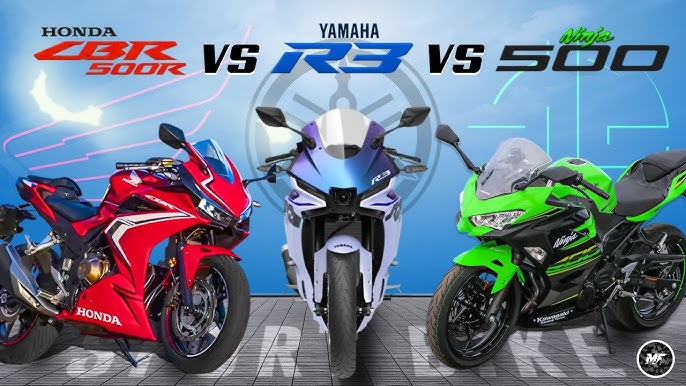
Kawasaki Ninja 400: The Overachiever
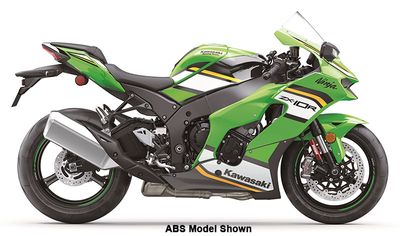
When the Ninja 400 launched, it redefined what a small-displacement sport bike could be. Kawasaki didn't just give beginners a starter bike — they gave them a machine that experienced riders actually want to throw around a track. The parallel-twin 399cc engine produces around 49 horsepower, which sounds modest until you're actually riding it and wondering where your license went.
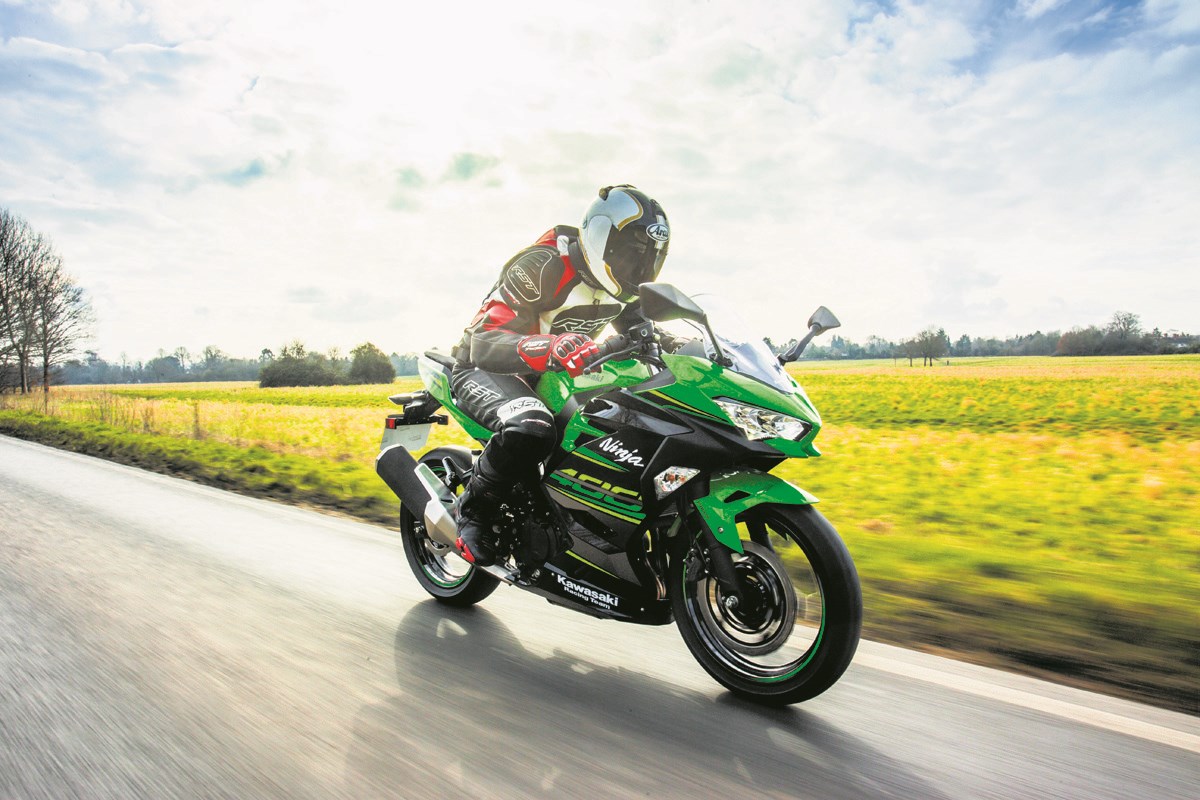
The chassis is lightweight and razor-sharp, borrowing styling cues directly from the Ninja ZX-10R. Slipper-assist clutch, a wide powerband, and strong mid-range torque make it forgiving yet genuinely exciting. It's comfortable enough for commuting but aggressive enough to feel rewarding on twisty roads. For riders who want to push their skills quickly without outgrowing their bike in the first season, the Ninja 400 is hard to beat.
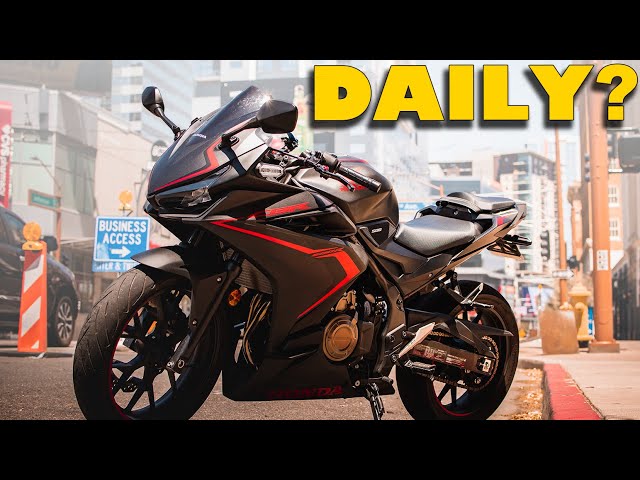
- Engine: 399cc parallel-twin, ~49 hp
- Weight: ~168 kg (371 lbs) wet
- Seat Height: 785 mm (30.9 in)
- Best For: Riders who want sporty performance and room to grow
Honda CBR500R: The Practical All-Rounder
Honda's philosophy has always been approachability without compromise, and the CBR500R embodies that perfectly. Powered by a 471cc parallel-twin, it produces around 47 horsepower — close to the Ninja 400 on paper — but the delivery is noticeably smoother and more linear. Honda has tuned this engine for confidence, not fireworks, and that's genuinely useful for new riders who are still developing their throttle control.
Where the CBR500R really distinguishes itself is comfort and versatility. The riding position is more upright than the Ninja 400, making it far more livable on longer rides and daily commutes. It's also slightly larger overall, which taller riders will appreciate. The suspension soaks up road imperfections better than its sharper competitors, and fuel economy is excellent. If you're planning to use your bike as transportation as much as recreation, the CBR500R deserves serious consideration.
Honda's legendary reliability is another ace up its sleeve. The CBR500R is built to a standard that makes ownership remarkably trouble-free, and resale values hold up well. It's also ABS-equipped as standard, which is a genuine safety benefit for riders still learning the limits of braking.
- Engine: 471cc parallel-twin, ~47 hp
- Weight: ~194 kg (428 lbs) wet
- Seat Height: 790 mm (31.1 in)
- Best For: Commuters, touring-minded beginners, and taller riders
Yamaha YZF-R3: The Track-Ready Lightweight
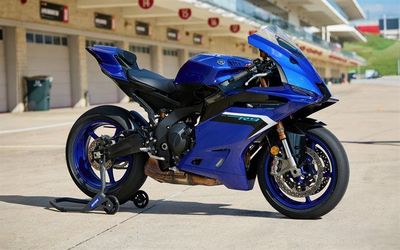
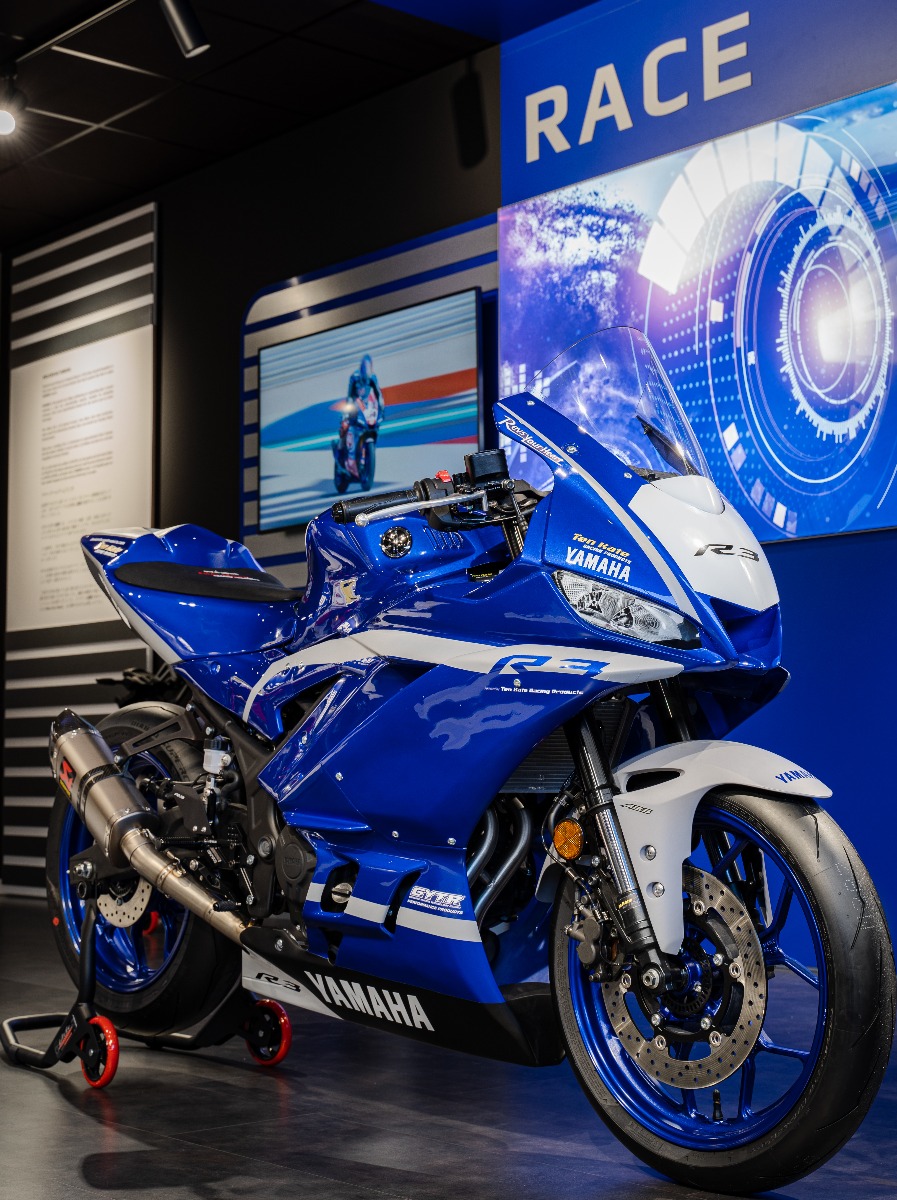
The Yamaha YZF-R3 takes a different approach entirely. Where the Ninja 400 and CBR500R prioritize real-world usability, the R3 leans hard into its sport bike identity. The 321cc parallel-twin is the smallest engine in this trio, producing around 42 horsepower, but the R3's ultra-light chassis — weighing just around 169 kg wet — means the power-to-weight ratio remains competitive.
The R3's riding position is the most aggressive of the three, with a lower, more committed crouch that feels right at home on a track day or a spirited canyon run. Yamaha has equipped it with fully adjustable suspension components (on higher trim levels), a quick-revving engine character, and race-inspired bodywork that makes it look significantly more expensive than it is. The R3 also has a strong motorsport pedigree — it competes in dedicated one-make racing series around the world, which means aftermarket support is excellent.
The trade-off is that the R3 demands more effort on the highway. At sustained high speeds, the smaller engine works harder, and the aggressive posture becomes tiring over long distances. It's the least practical of the three for daily commuting, but if weekend riding and skill development are your primary goals, the R3 rewards enthusiastic riders like few other bikes at this price point.
- Engine: 321cc parallel-twin, ~42 hp
- Weight: ~169 kg (373 lbs) wet
- Seat Height: 780 mm (30.7 in)
- Best For: Track days, weekend sport riding, smaller-framed riders
Head-to-Head: How They Compare
Performance
The Ninja 400 takes the performance crown. Its engine is the most potent in the group, and the power delivery is confident without being intimidating. The R3 is the most entertaining when working the engine hard, but the Ninja simply offers more real-world grunt. The CBR500R splits the difference, offering smooth, accessible power that builds rider confidence faster than raw performance numbers.
Comfort and Ergonomics
The CBR500R wins here, and it's not particularly close. Its more upright position, longer seat, and softer suspension make it the clear choice for riders who spend significant time in the saddle. The Ninja 400 is sportier but still livable. The R3 is the least comfortable for longer distances due to its committed sport position.
Value and Cost of Ownership
All three bikes are priced competitively, typically ranging from around $5,000 to $7,500 USD depending on trim and region. Insurance costs are generally low across all three. Honda's reputation for bulletproof reliability gives the CBR500R a slight edge in long-term ownership costs, though Kawasaki and Yamaha are not far behind.
Which One Should You Buy?
If you want the most fun per dollar and plan to ride mostly on weekends and twisty roads, buy the Kawasaki Ninja 400. It's the most complete sport bike of the three. If you need a bike that does everything — commuting, occasional touring, and weekend fun — and you value Honda's legendary dependability, choose the Honda CBR500R. If track days are your dream and you want a lightweight, race-focused machine that teaches you sport riding fundamentals in the most direct way possible, the Yamaha YZF-R3 is your bike.
Final Verdict
There is no bad choice in this comparison. All three bikes will serve a new rider well, build skills effectively, and deliver genuine smiles on every ride. The Kawasaki Ninja 400 edges out the competition as the most well-rounded option, but your riding goals, body size, and commuting needs should ultimately drive your decision. Test ride all three if you can — your gut will tell you which one fits.