Why Rider-to-Pillion Communication Is Different From Rider-to-Rider
Most intercom reviews focus on rider-to-rider mesh networking or solo rider features like music streaming and GPS prompts. But if you regularly carry a passenger, the dynamic changes entirely. Your pillion can't tap your shoulder at 70 mph, and shouting over wind noise is a quick way to ruin an otherwise great ride. A reliable, clear, and easy-to-operate intercom system isn't a luxury for two-up riders — it's a safety tool.
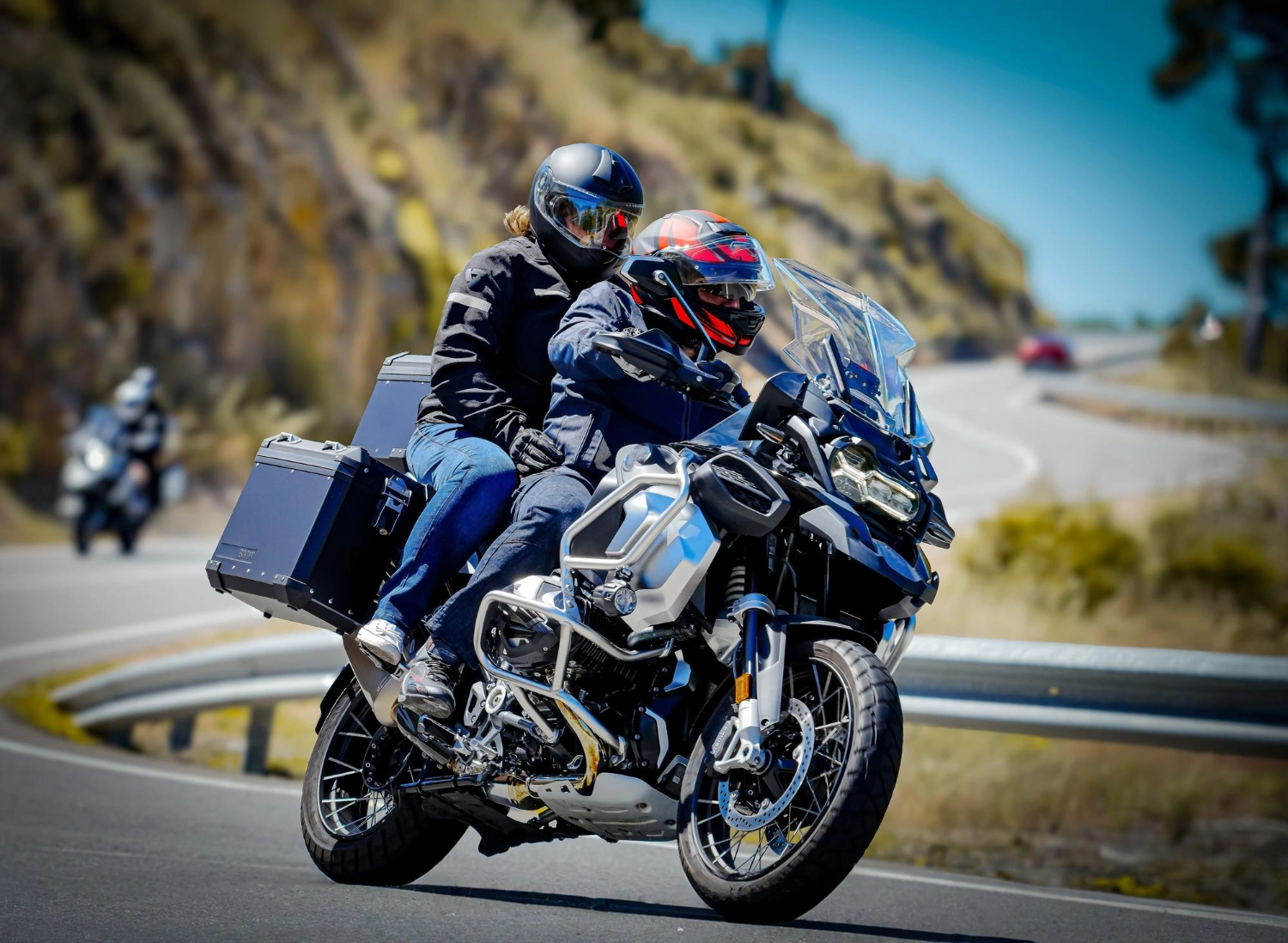
We spent six weeks testing nine intercom systems in real-world two-up conditions, covering everything from urban commutes to full-day touring runs. We tested voice clarity at highway speeds, ease of pairing, battery longevity, and — crucially — how simple the passenger controls are for someone who may be new to the technology. Here's what we found.
How We Tested
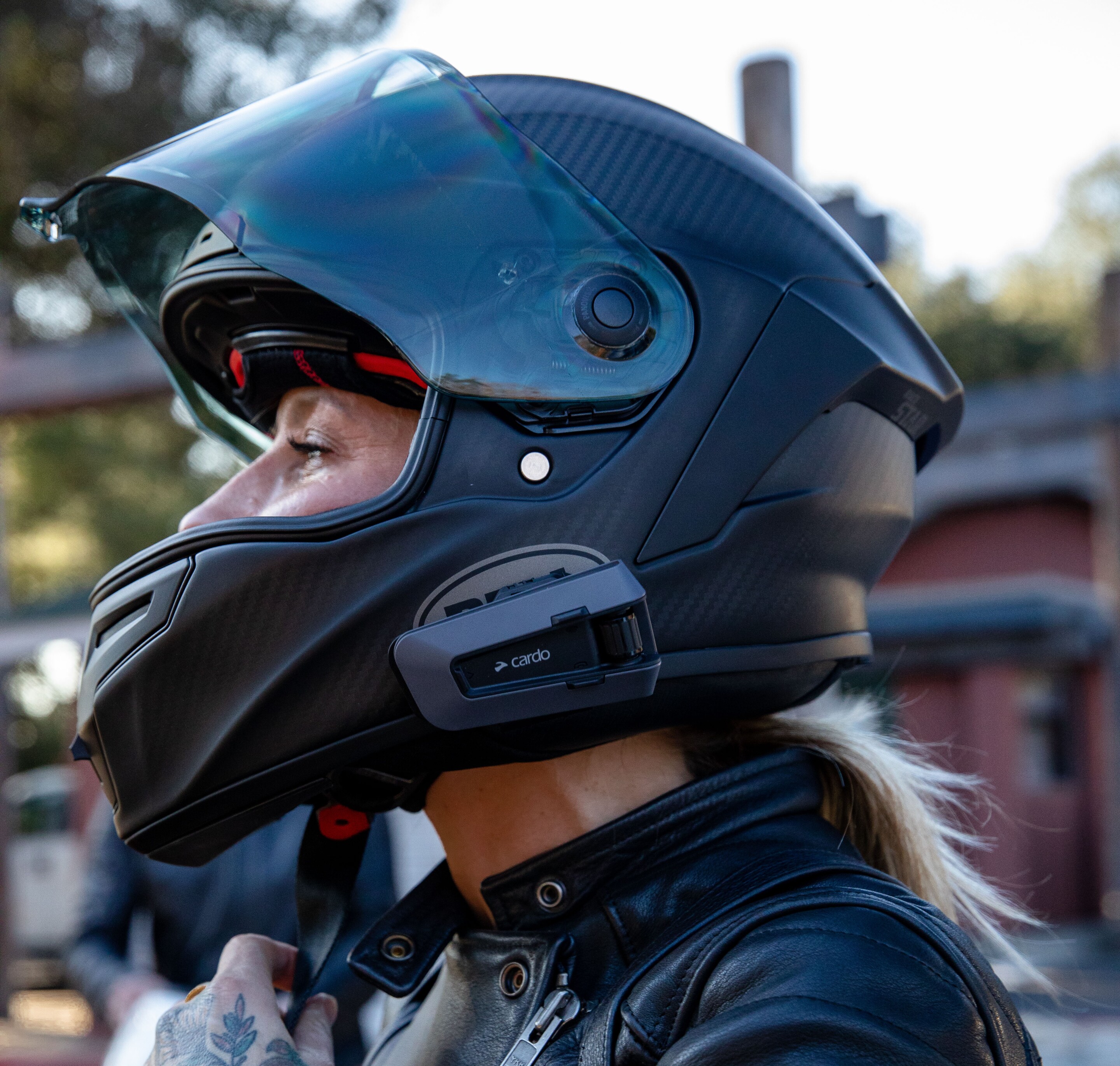
Each system was tested across the same standardized routes using two riders wearing identical helmets — a Shoei RF-1400 for the rider and an Arai Signet-X for the pillion. We evaluated audio clarity at 40, 65, and 80 mph, boom microphone sensitivity, intercom range, ease of one-touch pillion controls, and how well each unit handled wind buffeting and rain. Battery tests were conducted by riding until units died, logging time to the minute.
The Contenders
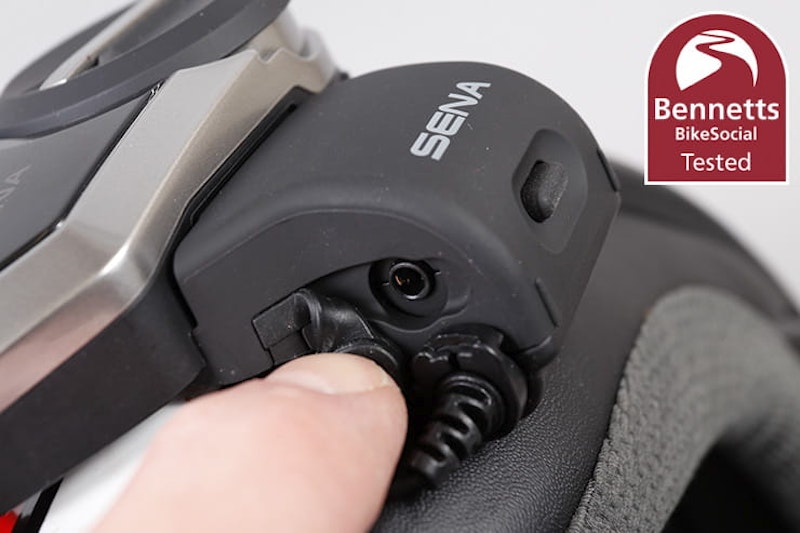
We tested the Sena 50S, Sena 30K, Cardo Packtalk Edge, Cardo Packtalk Neo, Cardo Freecom 4+, Uclear AMP Go 2, Fodsports M1-S Pro, Midland BT Next Pro, and the J&M Rokker Series. Price points ranged from under $80 to nearly $400 per unit — meaning paired sets ranged from $160 to close to $800.
Best Overall: Cardo Packtalk Edge
The Cardo Packtalk Edge is the best intercom for rider-to-pillion communication in 2026, and it wasn't particularly close. Dynamic Mesh Communication (DMC) keeps the connection rock-solid even in stop-and-go traffic where Bluetooth systems frequently drop. The Natural Voice Operation lets the passenger issue hands-free commands without fumbling with gloved fingers, and audio quality via JBL speakers is genuinely excellent — full, warm, and surprisingly detailed even at highway speeds.

The pillion unit pairs in seconds via NFC tap, and the simplified control scheme means a first-time passenger can manage volume and music without a tutorial. At around $340 per unit, it's a significant investment, but if you do serious two-up miles, it's money well spent.
Pros
- Best-in-class audio clarity via JBL speakers
- DMC keeps connection stable in varied riding conditions
- Natural Voice Operation works reliably at speed
- Easy NFC pairing for first-time pillion riders
Cons
- Expensive — especially buying two units
- App interface has a learning curve
Best Runner-Up: Sena 50S
The Sena 50S trades blows with the Packtalk Edge in almost every category. Its Mesh 2.0 technology is excellent, and its HD speakers deliver audio that rivals the JBL units in Cardo's flagship. Where it slightly trails is in voice command reliability — in our testing, the Sena's voice assistant missed about 15% of commands at 75 mph compared to around 8% for the Edge. That said, the 50S has a larger, more intuitive button layout that many pillion riders preferred, particularly those with limited intercom experience.
Battery life is rated at 13 hours and we achieved 12.5 hours in our mixed-conditions test, making it ideal for full-day touring. At roughly $330 per unit, it sits at nearly the same price point as the Edge, so your choice may come down to the Cardo vs. Sena ecosystem debate — both are excellent.
Best Value: Cardo Packtalk Neo
If you want flagship-adjacent performance without the flagship price, the Packtalk Neo delivers. DMC connectivity, solid audio, and reliable pillion controls for around $220 per unit make this our strongest value recommendation. Audio doesn't quite match the Edge's JBL speakers, and the microphone picks up slightly more wind noise above 70 mph, but for most two-up riders, the difference is negligible. For couples or friends who do weekend touring together, this is the sweet spot.
Best Budget Pick: Fodsports M1-S Pro
At under $80 per unit, the Fodsports M1-S Pro punches well above its weight for short-distance rider-to-pillion communication. Connection stayed stable up to about half a mile, voice clarity was acceptable up to 65 mph, and battery life came in at an impressive 10 hours. It won't compete with Cardo or Sena on audio quality or advanced features, but for commuters or occasional weekend riders who just need basic two-way conversation capability, it gets the job done without breaking the bank.
Biggest Disappointment: Midland BT Next Pro
We had high hopes for the Midland BT Next Pro based on its spec sheet, but real-world pillion performance was underwhelming. The connection dropped frequently in heavy urban traffic, voice clarity was muddy above 60 mph, and the pillion-side button layout was unintuitive even after multiple rides. At its price point, it faces stiff competition from units that simply perform better. We can't recommend it for dedicated rider-to-pillion use.
Key Features to Look for in a Rider-to-Pillion Intercom
- Stable connectivity technology: DMC or Mesh is preferable to standard Bluetooth for consistent connection during low-speed urban riding.
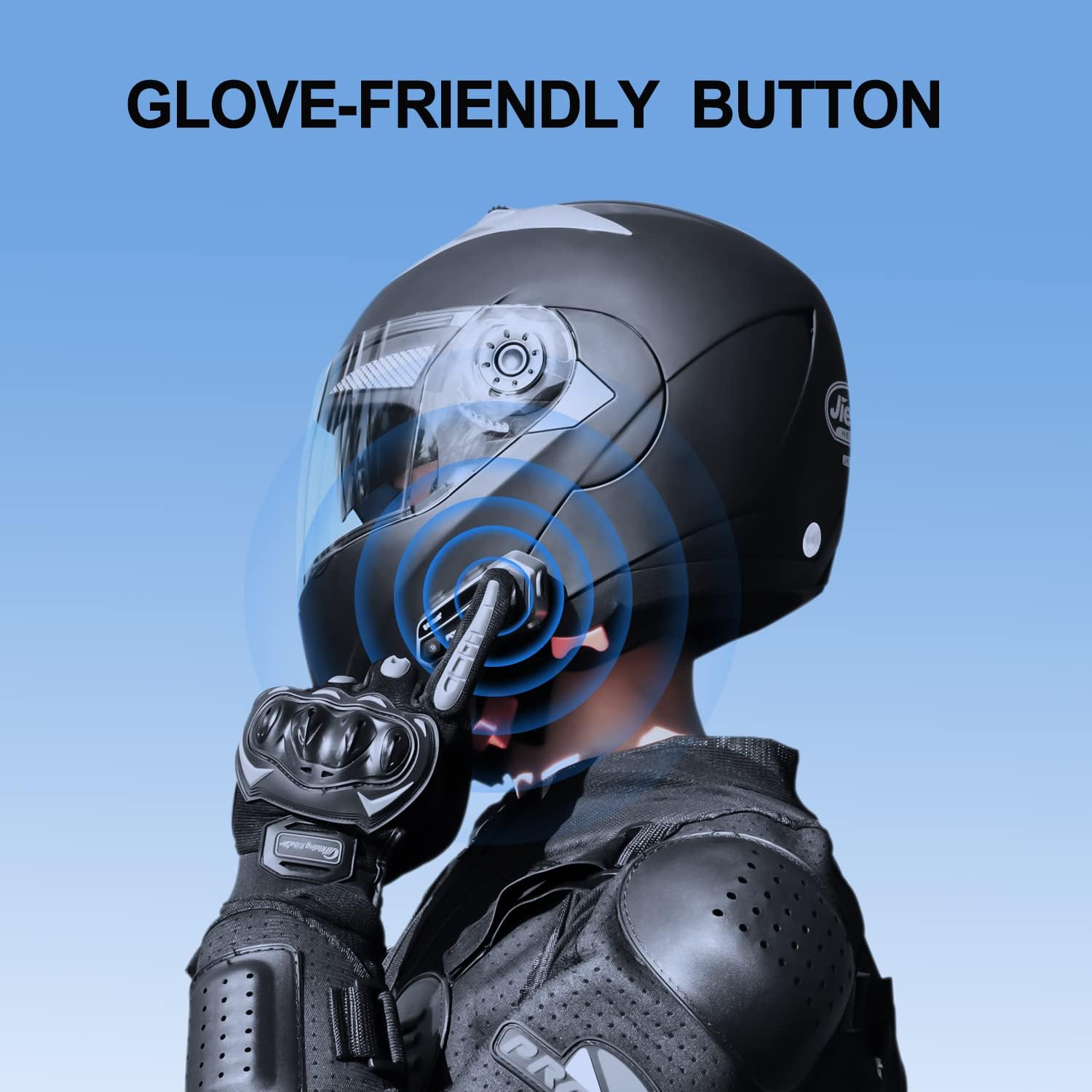
- Simplified pillion controls: Passengers shouldn't need a manual. Look for minimal, clearly labeled buttons with glove-friendly ergonomics.
- Wind noise management: A quality boom microphone with effective noise cancellation is non-negotiable above 60 mph.
- Battery life: Aim for at least 10 hours of rated intercom use if you're touring.
- Easy pairing: NFC tap-to-pair or single-button pairing reduces frustration, especially if your passenger changes between rides.
Final Rankings
- 1. Cardo Packtalk Edge — Best overall
- 2. Sena 50S — Best runner-up
- 3. Cardo Packtalk Neo — Best value
- 4. Uclear AMP Go 2 — Best for open-face helmet users
- 5. Sena 30K — Solid mesh option at a slight discount
- 6. Cardo Freecom 4+ — Reliable budget-mid option
- 7. J&M Rokker Series — Best for Harley-Davidson touring setups
- 8. Fodsports M1-S Pro — Best budget pick
- 9. Midland BT Next Pro — Not recommended for two-up use
The Bottom Line
The Cardo Packtalk Edge is the best rider-to-pillion intercom system available in 2026 for most riders. If the price gives you pause, the Packtalk Neo delivers 85% of that performance at two-thirds of the cost. Whatever your budget, invest in something purpose-built for helmet communication — your passenger will thank you, and your rides will be measurably better for it.