The Retro Renaissance Is Still Going Strong
Walk into any motorcycle dealership in 2026 and the retro segment is impossible to ignore. Gleaming café racers crouch low on clip-ons, knobbly scramblers stand tall and rugged, and wide-barred trackers exude effortless cool. But spend five minutes shopping and the differences between them start to blur. Are they just aesthetic choices, or do these styles actually ride differently? The answer is a firm yes — and choosing the wrong one could leave you frustrated every time you swing a leg over the saddle.
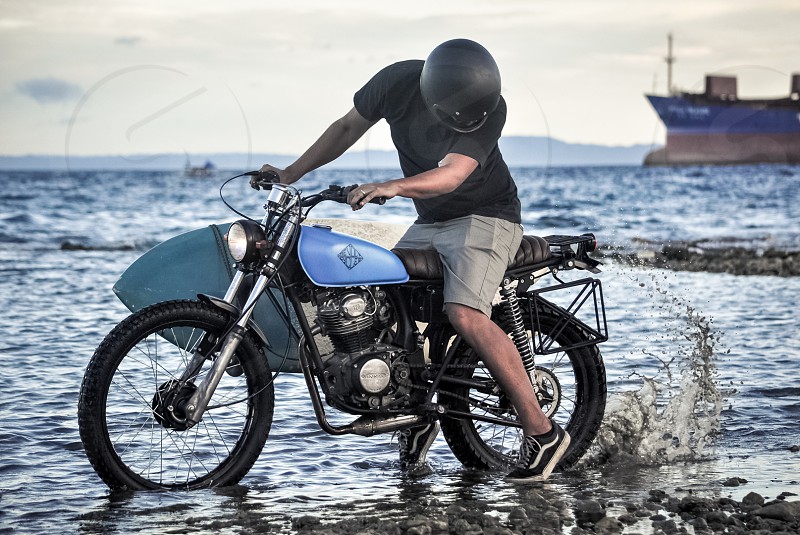
This guide cuts through the heritage marketing and gets specific about what each style is, where it excels, and exactly who should be buying one in 2026.
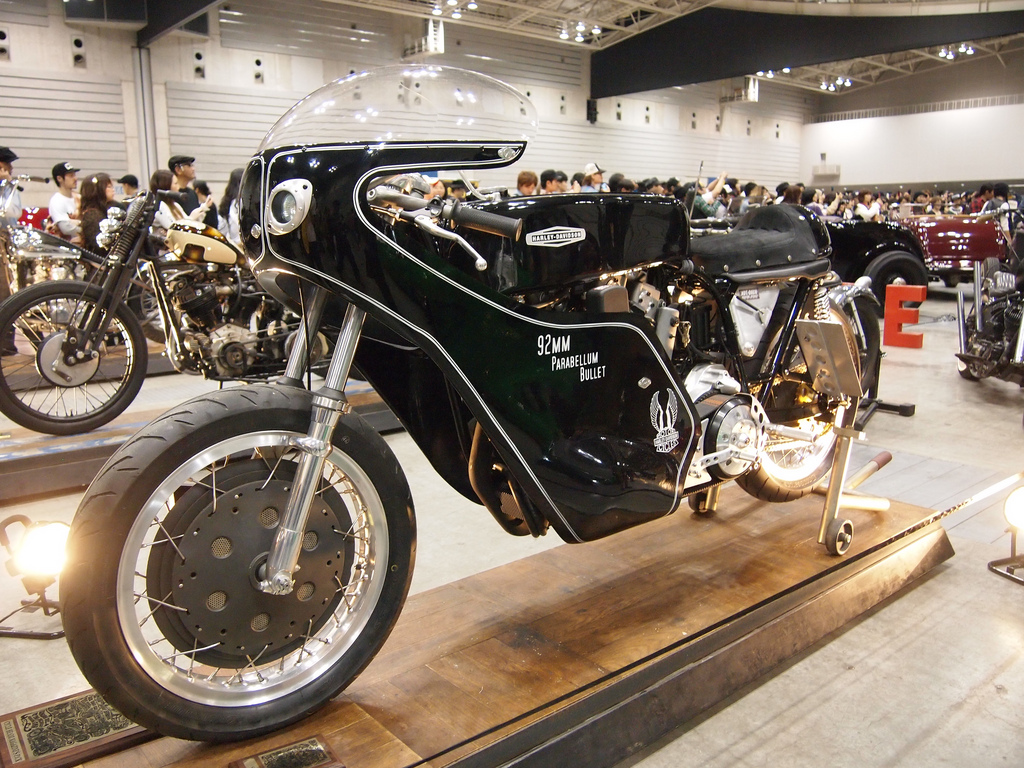
Café Racer: The Original Speed Demon
The café racer was born in 1950s and '60s Britain, where young riders would blast between transport cafés trying to complete the run before a record finished on the jukebox. The formula was simple: strip the bike down, lower the bars, raise the pegs, and go fast. Seventy years later, the recipe is almost identical.
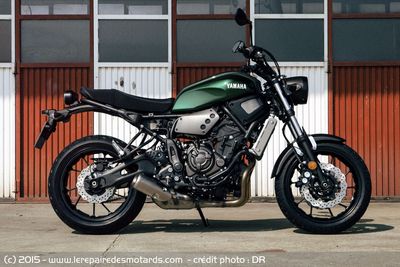
What Defines a Café Racer
- Clip-on or low-set handlebars that push the rider into an aggressive forward lean
- Rear-set footpegs creating a pronounced tuck position
- Single or humped seat unit with a streamlined tail section
- Minimal bodywork — usually a small flyscreen rather than a full fairing
- Skinny, road-focused tires optimized for tarmac grip
How It Rides
A genuine café racer rewards committed riding. The forward-leaning posture transfers weight to the front wheel, sharpening steering response and making the bike feel planted through corners. On a twisting B-road or a canyon run, few motorcycles are as engaging. The tradeoff is comfort — longer rides can punish wrists, neck, and lower back. This is a machine built for intensity, not commuting.
Best Café Racer Picks for 2026
The Triumph Thruxton RS remains the benchmark, offering 103 horsepower from its 1200cc parallel-twin with genuine race-ready ergonomics. The Royal Enfield Continental GT 650 delivers the aesthetic at a fraction of the price, making it ideal for newer riders entering the style. For those who want modern performance wrapped in café clothes, the Ducati Sport 1000S-inspired lineup and the updated Kawasaki Z900RS Cafe both punch hard.
Who Should Buy a Café Racer
You're a good candidate if you prioritize spirited weekend rides over daily utility, you're comfortable with an aggressive riding position, and the visual drama of a stripped-back, purposeful machine genuinely excites you. If your back already complains on long rides, look elsewhere.
Scrambler: Adventure DNA in a Retro Wrapper
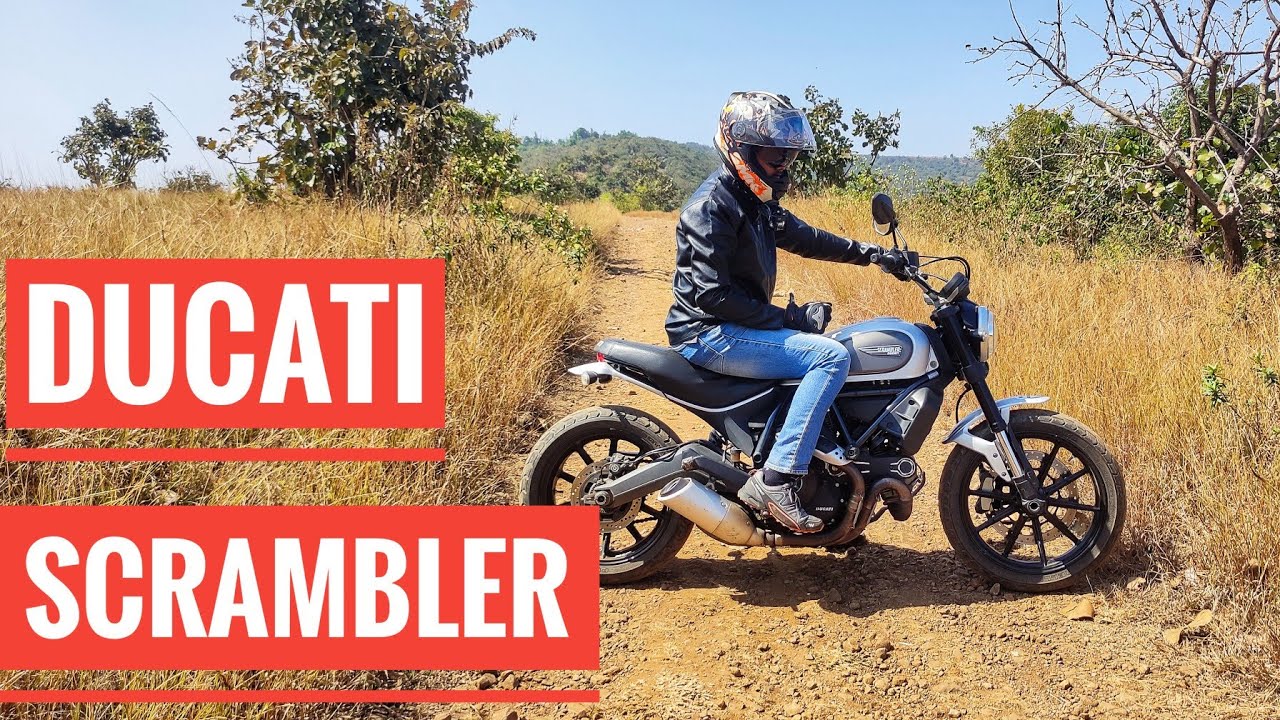
The scrambler traces its roots to the late 1950s and '60s, when riders would modify standard road bikes with high exhausts, knobby tires, and upswept bars to tackle rough tracks and light off-road terrain. Today's scramblers honor that spirit with genuine dual-purpose capability — or at least the look of it.
What Defines a Scrambler
- High-mounted exhaust pipes, usually running along the engine or high on the right side
- Wider, more upright handlebars for control on loose surfaces
- Dual-sport or adventure-style tires with some off-road tread pattern
- Higher ground clearance than a standard roadster
- Minimalist fenders and rugged, utilitarian aesthetic
How It Rides
Modern scramblers sit in a sweet spot between comfort and capability. The upright riding position is far more forgiving than a café racer over long distances, while the suspension and tires give you confidence on gravel paths, fire roads, and the kind of light trail riding that would leave a café racer beached. On pavement, they're engaging and fun without demanding commitment. Think of a scrambler as a motorcycle that says yes to almost every invitation.
Best Scrambler Picks for 2026
The Ducati Scrambler Icon continues to define the segment with its accessible power and sharp styling. The Triumph Scrambler 1200 XE takes the concept further with genuine off-road ambition, long-travel suspension, and enough torque to tackle serious terrain. For budget-conscious riders, the Royal Enfield Himalayan 450 has evolved into a remarkably capable and affordable choice. The BMW R nineT Scrambler brings premium build quality and a distinctive boxer-twin character.
Who Should Buy a Scrambler
The scrambler suits riders who want one bike that does most things well — weekend exploring, occasional light off-road, commuting, and touring. If the idea of veering off the paved road without planning it in advance sounds appealing, this is your style. It's also one of the most visually versatile retro types, looking at home in both urban and rural settings.
Tracker: Flat-Track Cool for the Street
The flat tracker draws inspiration from American dirt-oval racing, where stripped-down machines with no front brakes slid sideways around packed dirt tracks at terrifying speeds. Street trackers translate that wide-open, low-slung stance into a road-legal package that drips attitude.
What Defines a Tracker
- Wide, flat handlebars — often motocross-style — set at or above shoulder height
- Low seat height with a flat, bench-style profile
- Minimal or no front fender, sometimes no windscreen at all
- Compact, stripped bodywork emphasizing the engine as a visual centerpiece
- Relatively upright but relaxed rider triangle — neither aggressive nor lazy
How It Rides
Street trackers prioritize feel and feedback over outright speed. The wide bars give exceptional leverage and control at low-to-medium speeds, making urban riding intuitive and genuinely enjoyable. The riding position is relaxed enough for daily use but engaged enough to feel connected. On tight city streets and flowing country roads, they're deeply satisfying. Don't expect sports bike cornering clearance though — the wide bars and geometry are tuned for a different kind of rhythm.
Best Tracker Picks for 2026
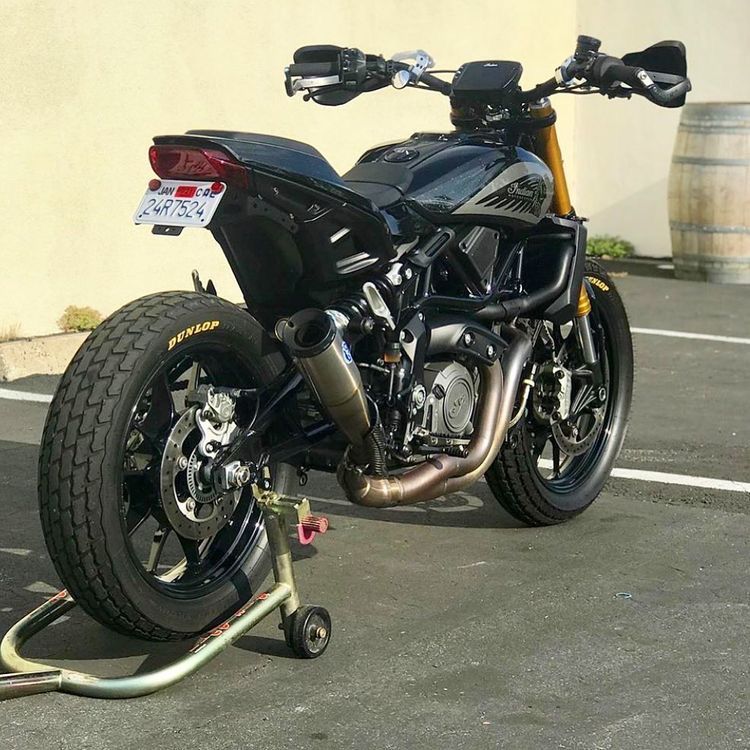
The Indian FTR is the category-defining machine, with genuine flat-track heritage in its DNA and a powerful 1203cc V-twin. The Harley-Davidson Sportster S leans into tracker aesthetics with its Revolution Max engine. For a more accessible entry point, the Honda CB300R and various custom-built trackers from smaller builders continue to populate the scene. The Royal Enfield Super Meteor 650 can be specced to lean convincingly in the tracker direction.
Who Should Buy a Tracker
Trackers appeal to riders who live in urban environments, value riding feel and character over performance numbers, and want a motorcycle that genuinely turns heads without trying too hard. The upright position and wide bars make city traffic manageable, and the low seat suits a wide range of rider heights.
Side-by-Side: Which Retro Style Is Right for You?
Here's the honest summary. Choose a café racer if you're weekend-focused, road-obsessed, and willing to trade comfort for corner-carving joy. Choose a scrambler if you want versatility, the freedom to roam beyond the tarmac, and an all-rounder that handles daily life without compromise. Choose a tracker if you're an urban rider who craves character, wants effortless low-speed control, and responds to the raw, stripped-back aesthetic of American dirt-oval culture.
All three wear the retro label, but they're built for genuinely different riders. Take the time to sit on each style, think honestly about where and how you actually ride, and the right one will make itself obvious. In 2026, the good news is that every one of these categories has never been better-served by the market — whatever your answer, there's a brilliant bike waiting for you.