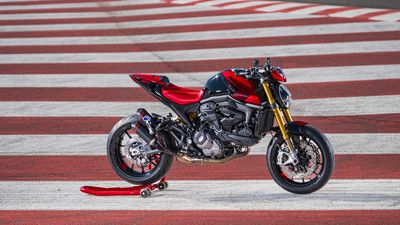
Ducati's V6 Patent: A New Era for Bologna's Finest
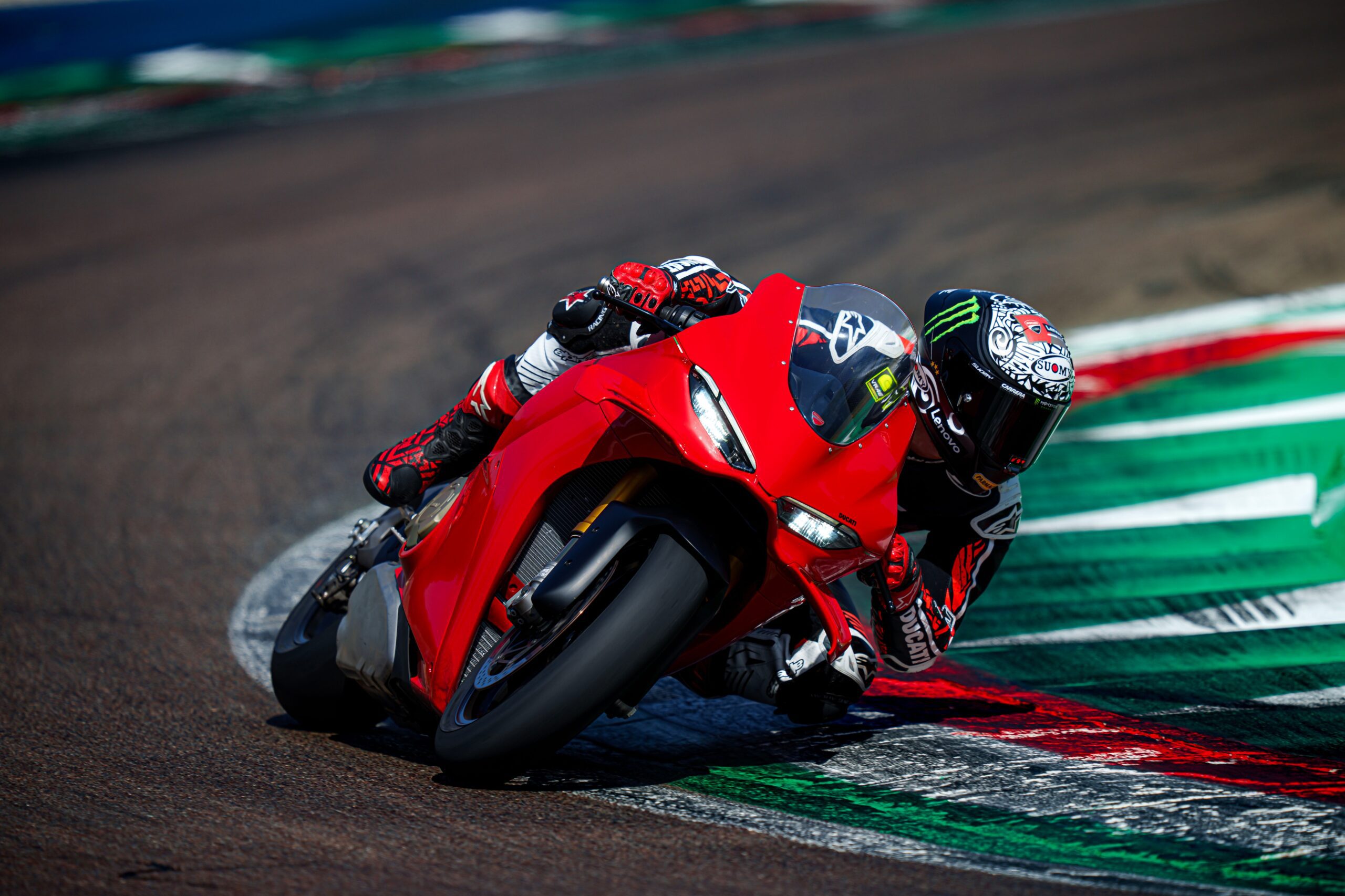
Ducati has never been a manufacturer content to rest on its laurels. From the iconic L-twin Desmodromic engines that defined decades of sportbike culture to the thunderous V4 Granturismo that powers today's Multistrada V4, the Italian marque has always pursued performance with an almost obsessive intensity. Now, patent filings officially submitted by Ducati reveal the company's boldest engineering gambit yet: a brand-new V6 powertrain architecture designed to underpin both the Panigale superbike lineup and the Multistrada adventure-touring range simultaneously. For riders, this is the kind of news that demands attention.

What the Patent Filings Reveal
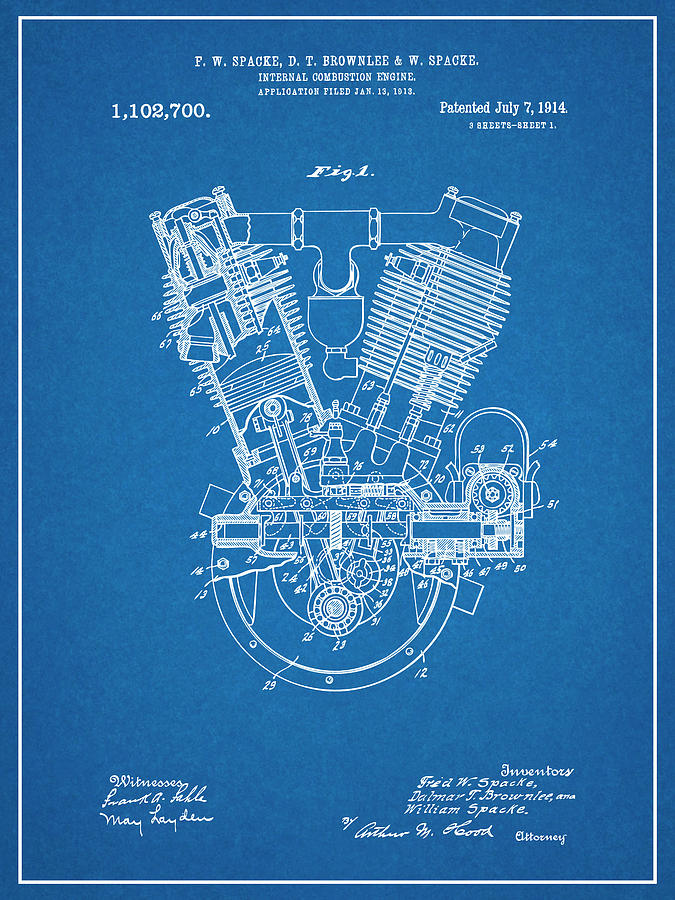
Patent documents, which have surfaced through intellectual property databases monitored closely by the motorcycle industry press, detail a compact V6 engine configuration featuring a narrow-angle V layout. This architecture is clearly designed to maintain the tight, centralized mass packaging that Ducati engineers consider non-negotiable for handling performance. The filing describes advanced cylinder deactivation technology, variable valve timing, and a sophisticated counter-rotating crankshaft arrangement — the latter being a proven Ducati trick already employed in the V4 R to reduce gyroscopic effects and sharpen cornering response.
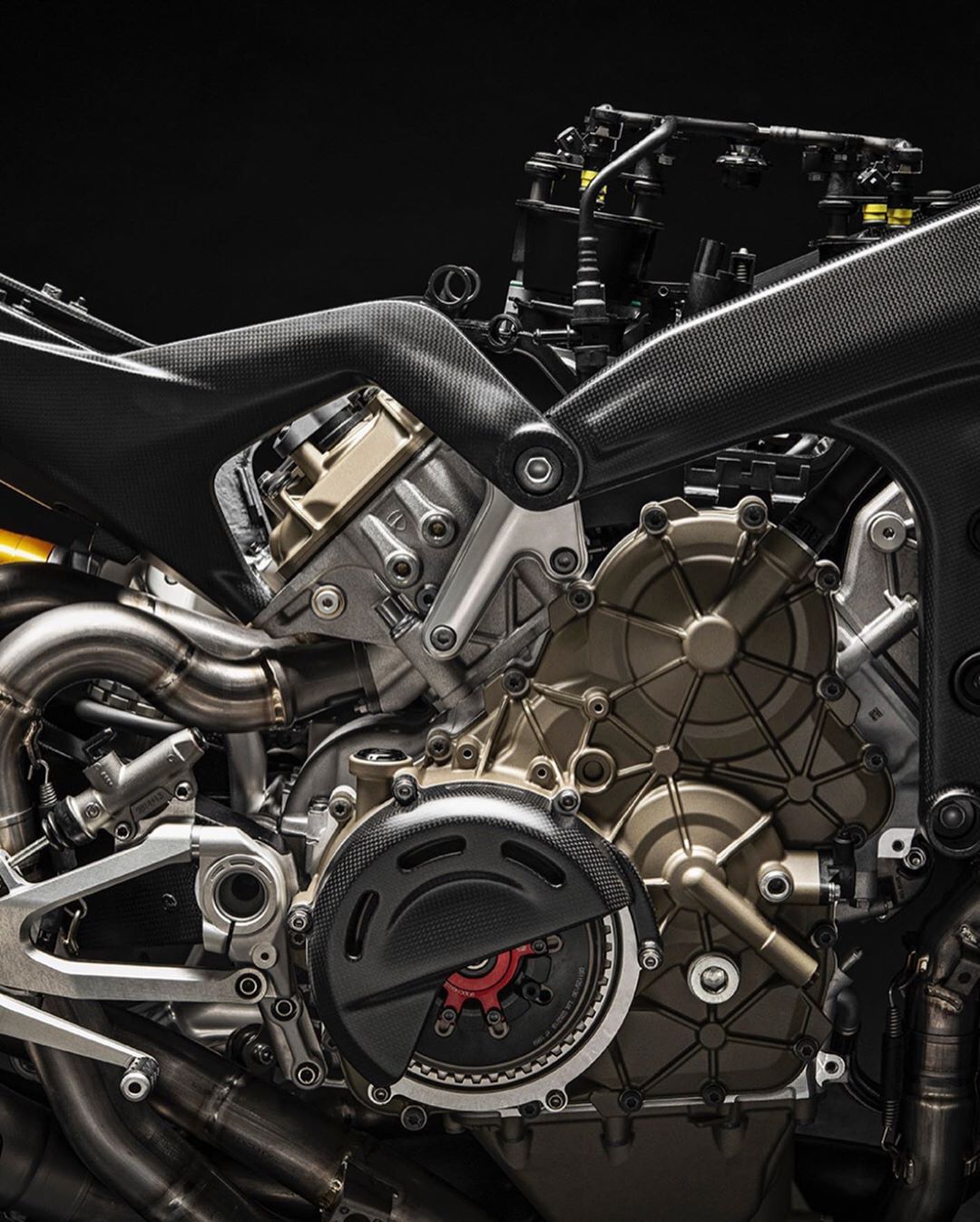
The patent also references a modular engine mounting system, strongly suggesting the V6 is being engineered from the ground up as a shared platform unit rather than a dedicated, single-model powerplant. This is a significant strategic departure for Ducati, which has historically developed distinct engine families for its sport and adventure segments. Sharing a V6 foundation across the Panigale and Multistrada families would allow the company to amortize development costs, streamline manufacturing, and offer buyers in both segments access to cutting-edge technology simultaneously.
Expected Performance Figures: The Numbers That Matter
While Ducati has not made any official power claims, industry analysts and patent language suggest the V6 could produce somewhere in the range of 240 to 270 horsepower in Panigale-spec tune. That would represent a meaningful step beyond the Panigale V4 R's current class-leading output and would position Ducati firmly at the absolute pinnacle of production superbike performance. For the Multistrada application, a detuned but torque-rich version of the same engine — likely producing between 170 and 200 horsepower — would provide the kind of effortless mid-range grunt that adventure tourers demand for real-world riding across continents.
The cylinder deactivation system referenced in the patent is particularly intriguing for Multistrada riders. Ducati's existing V4 Granturismo already uses cylinder deactivation at low speeds and during coasting, dramatically reducing heat output — a perennial complaint from riders stuck in urban traffic. A V6 iteration of this system could be even more effective, allowing three cylinders to effectively become dormant during slow city riding while all six bark to life the moment the throttle cracks open on the open road.
Key Technical Highlights From the Patent
- Narrow-angle V6 configuration for compact packaging and centralized mass
- Counter-rotating crankshaft to minimize gyroscopic forces during aggressive cornering
- Cylinder deactivation technology for improved thermal management and urban rideability
- Variable valve timing for optimized power delivery across the rev range
- Modular mounting architecture enabling shared use across Panigale and Multistrada platforms
- Advanced oil and cooling circuit design for sustained high-performance output
Why the Panigale and Multistrada Share a Platform
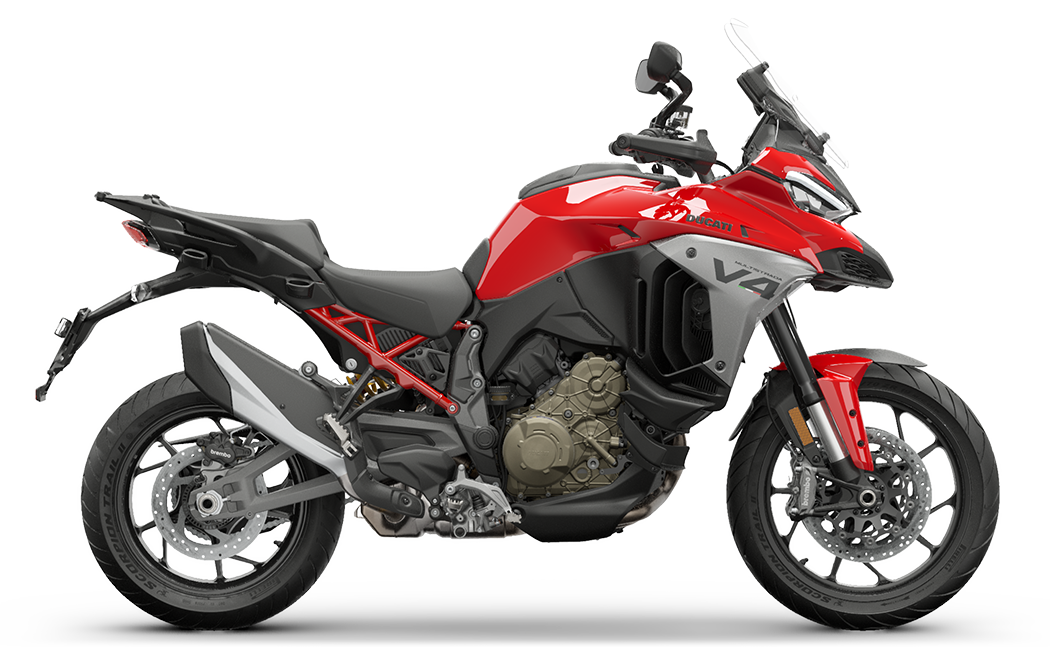
To some riders, the idea of a superbike engine powering an adventure tourer might seem incongruous. But Ducati has been quietly building toward exactly this kind of platform convergence for years. The Multistrada V4 already shares significant DNA with the Panigale V4, including the 1103cc Granturismo engine derived from Ducati's competition V4. The logical next step is a shared V6 architecture where both bikes benefit from the same fundamental engineering investment but are tuned, calibrated, and packaged to serve their very different rider demographics.
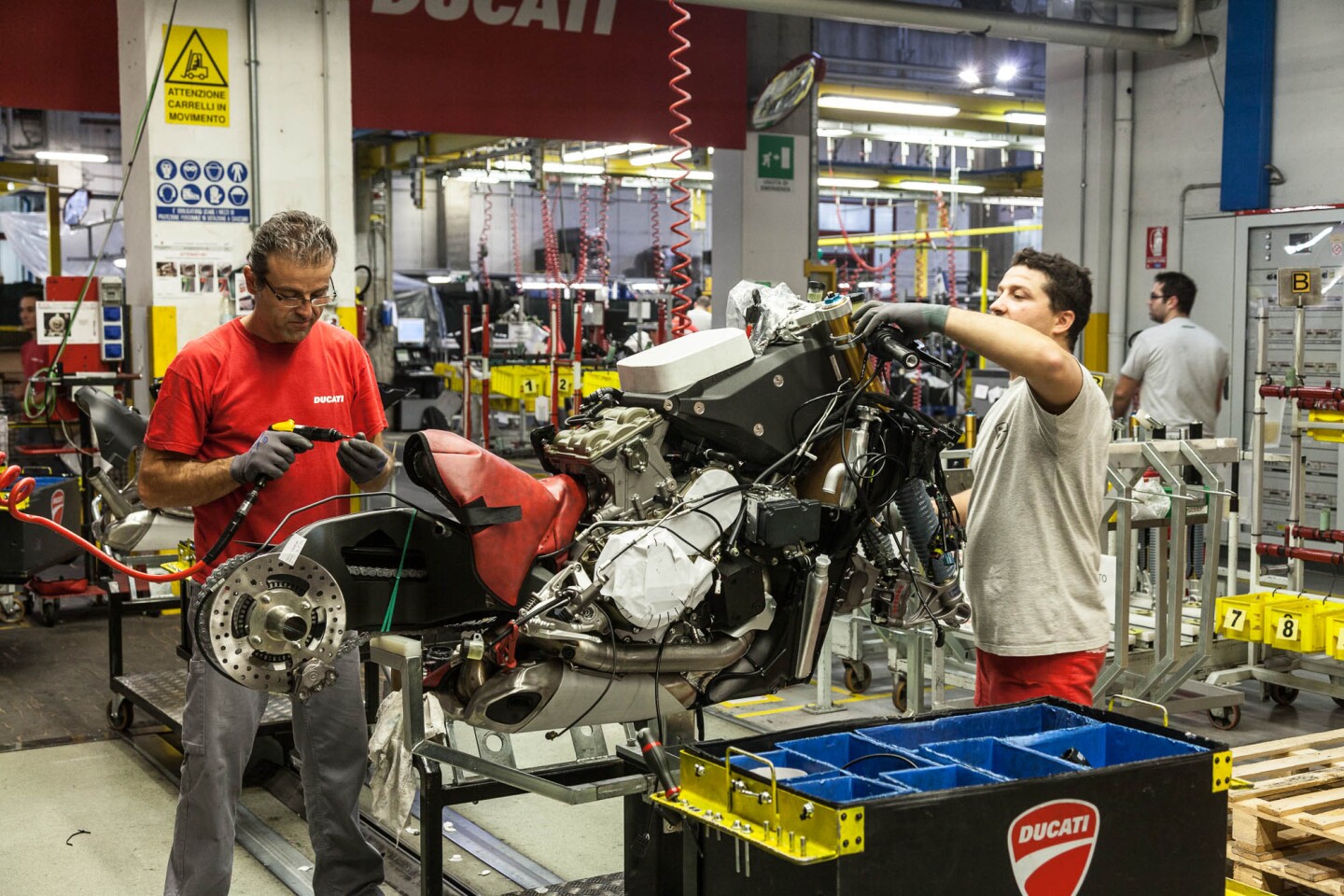
For Ducati as a business operating under the Volkswagen Group umbrella, platform sharing makes tremendous financial sense. Developing a cutting-edge V6 solely for a single model line would be prohibitively expensive, even for a premium manufacturer. Spreading those development costs across two flagship product lines improves the economics considerably and allows Ducati to justify the engineering investment required to bring a genuinely new engine architecture to market.
What Riders Can Realistically Expect by 2029
The 2029 timeframe cited in patent speculation is plausible, though motorcycle development timelines can stretch or compress depending on regulatory hurdles, homologation requirements, and the broader competitive landscape. Euro 6 and equivalent global emissions standards will place stringent demands on any new powertrain — and a V6 will need to meet those standards from day one of production. The cylinder deactivation and variable valve timing systems mentioned in the patent are clearly part of Ducati's answer to that regulatory challenge.
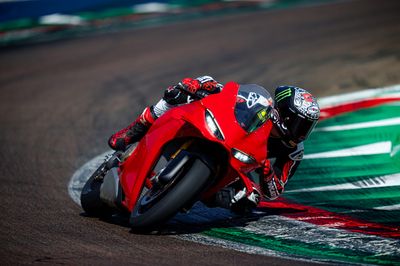
Riders considering a 2029 Panigale V6 or Multistrada V6 should expect not just raw performance improvements but a substantially more sophisticated electronics suite to harness all that power. Ducati's existing Panigale V4 already features one of the most advanced rider aid packages in production motorcycling, including cornering ABS, traction control, wheelie control, and multiple riding modes. A V6 generation will almost certainly layer in predictive lean-angle monitoring, enhanced semi-active suspension integration, and potentially even more granular power delivery mapping drawn from Ducati Corse's MotoGP and World Superbike development programs.
The Competitive Context: Why This Move Makes Sense Now
Ducati's V6 move doesn't happen in a vacuum. BMW Motorrad continues to develop its inline-six architecture for the K1600 touring range, while Kawasaki has experimented with supercharged inline-four technology. In the superbike arena, manufacturers are approaching what many consider the practical ceiling of four-cylinder performance within current chassis and tire constraints. A V6, properly packaged, could offer not just more cylinders but a fundamentally different power characteristic — broader, more linear, and arguably more usable on road and track alike.
For Ducati loyalists who have grown up with the character and sound of L-twins and V4s, a V6 represents a significant emotional adjustment. But if history is any guide, Ducati has consistently won over skeptics through sheer performance and engineering excellence. The V4 was greeted with apprehension by purists and celebrated within a generation as one of the finest engine architectures in motorcycling. A V6 has every reason to follow the same trajectory.
Final Thoughts: An Exciting Road to 2029
There is still a long road between a patent filing and a production motorcycle you can swing a leg over at your local Ducati dealer. Engineering challenges, regulatory approvals, and the unpredictable nature of global manufacturing supply chains all stand between Ducati's drafting tables and your garage. But the official filing of this V6 patent is more than speculation — it is a declaration of intent from one of motorcycling's most ambitious manufacturers. Watch this space closely. By the time 2029 arrives, the Panigale and Multistrada nameplates may sound very different, and if Ducati delivers on the promise suggested by these filings, they will almost certainly be the most extraordinary versions of those legendary machines ever built.